
Sleep apnea
Reviewed by medical experts · For informational purposes only
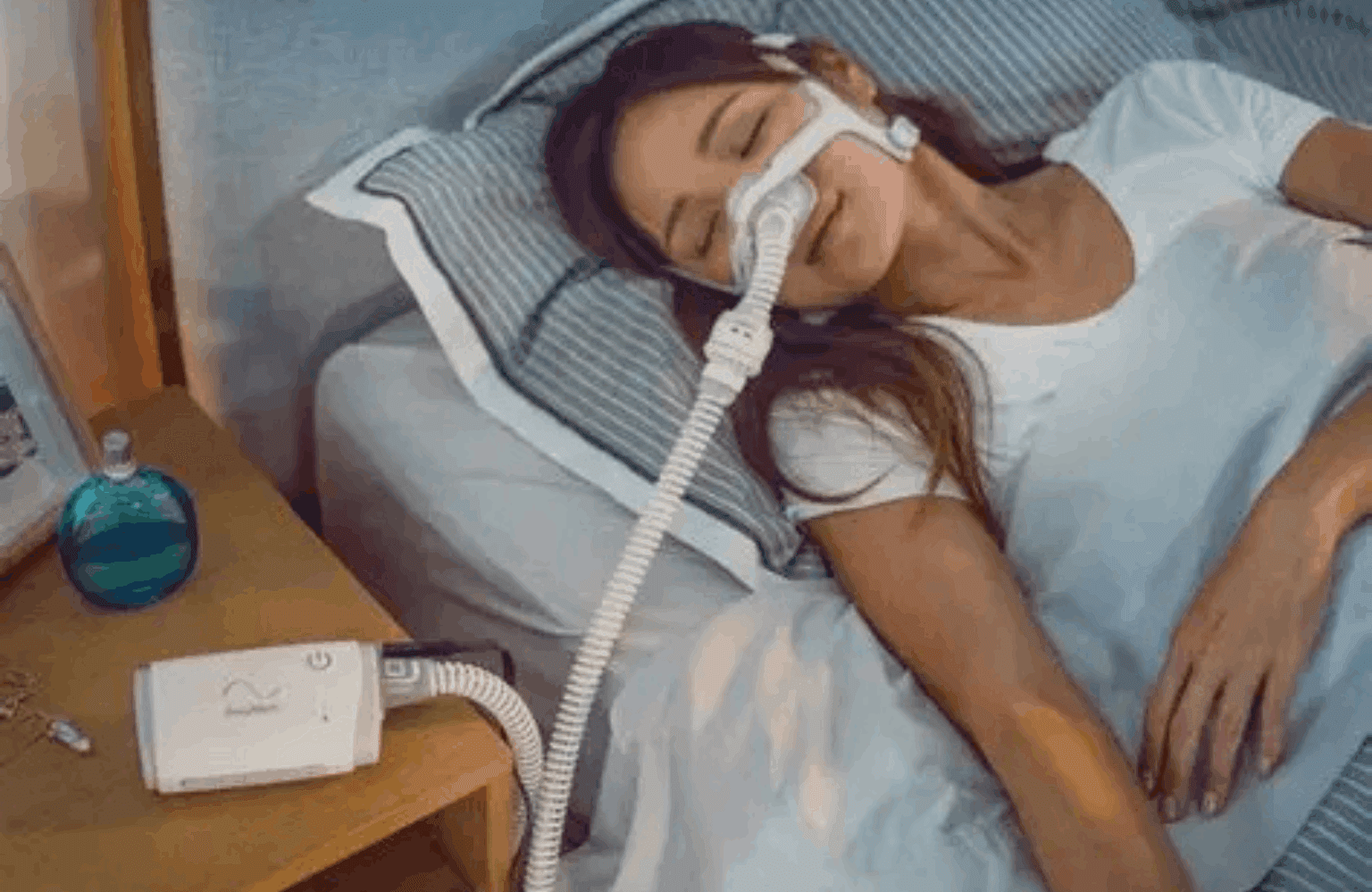
Introductory summary
Sleep apnea correlates with the Ayurvedic condition Kaphavrita Prana where the vital breath is obstructed by aggravated Kapha and Medas or fat tissue in the throat. This blockage hinders the flow of Prana Vayu leading to snoring and interrupted breathing. It is closely linked to Medoroga or obesity caused by sedentary habits and heavy diets. Symptoms include excessive daytime sleepiness known as Tandra and heaviness in the body. Management focuses on removing the obstruction through Kapha reducing therapies. Key treatments include Vamana or therapeutic emesis to expel mucus and Nasya or nasal administration of medicated oils to clear the respiratory channels. Ayurveda strictly advises against Divaswapna or day sleep as it aggravates Kapha and worsens the condition.
Sleep Apnea
Sleep Apnea is a potentially serious sleep disorder in which breathing repeatedly stops and starts. While classical Ayurveda does not use the specific term "Sleep Apnea," the clinical presentation correlates with conditions described as Kaphavrita Prana (Prana Vata obstructed by Kapha), Urdhva Shwasa (gasping/upward breathing), and complications arising from Medoroga (obesity). It is characterized by the obstruction of the Pranavaha Srotas (respiratory channels) by aggravated Kapha and Medas (fat), leading to snoring, interrupted breathing, and excessive daytime sleepiness (Tandra).
1. Definition
Modern Definition: A sleep disorder characterized by pauses in breathing or periods of shallow breathing during sleep.
Ayurvedic Definition: This condition is understood as a state where the Prana Vayu (vital breath responsible for respiration) is obstructed or "covered" (Avrita) by Kapha and Medas (adipose tissue) in the throat (Kantha) and head. This obstruction (Rodha) hinders the free flow of breath during sleep, causing vibration (snoring) and temporary cessation of breath.
2. Etymology & Conceptual Meaning
- Kapha-Avrita Prana: Literally means "Prana Vayu covered by Kapha."
- Urdhva Shwasa: Refers to "upward breathing" or gasping, which often occurs when the apnea episode ends and the patient gasps for air.
- Conceptual Interpretation: In Ayurveda, sleep (Nidra) is dominated by the Kapha dosha. If a person already has aggravated Kapha and excess fat tissue (Medas) in the neck region, the channels (Srotas) become blocked. The Vata dosha (responsible for movement/breath), being mobile, tries to force its way through this blockage, resulting in the sound of snoring and irregular breathing patterns.
3. Causes (Nidana)
The primary causes involve factors that aggravate Kapha and increase fat tissue, leading to obstruction in the respiratory tract.
- Dietary Causes:
- Excessive consumption of Guru (heavy), Snigdha (unctuous/oily), and Madhura (sweet) foods.
- Intake of dairy products (milk, curd), marshy meats, and new grains which increase mucus.
- Adhyashana: Eating before the previous meal is digested.
- Lifestyle Causes:
4. Journey of the Disease (Pathogenesis/Samprapti)
- Samprapti Ghataka (Components):
- Pathogenesis:
- Due to sedentary lifestyle and heavy diet, Kapha and Medas (fat) accumulate in the body, particularly in the neck and throat region.
- During sleep, the body naturally enters a Kapha-dominant state.
- The accumulated fat and mucus occlude the passage of Prana Vayu (breath).
- Vata, being obstructed, moves irregularly (Vimarga Gamana), causing vibrations (snoring) and difficulty in filling the lungs (Shwasa).
- This results in poor oxygenation, leading to Tandra (drowsiness) and Klama (fatigue) the next day.
5. Symptoms (Lakshana)
- Early Symptoms:
- Ghurghuraka: A gargling or snoring sound in the throat (often mentioned in pediatric or respiratory contexts).
- Tandra: Drowsiness and heaviness in the head.
- Gaurava: Feeling of heaviness in the body.
- Advanced Symptoms:
- Ucchwasa Rodha: Obstruction of inhalation.
- Atinidra: Excessive sleepiness during the day.
- Mukha Shosha: Dryness of the mouth (due to mouth breathing).
- Klama: Fatigue without exertion.
- Hridroga: Chronic obstruction can lead to complications affecting the heart.
6. Different Types or Classification (Bheda)
While not classified as distinct "types of apnea" in texts, it can be understood through Doshic dominance:
- Kaphaja/Medoja: Caused by obesity and mucus blockage. Characterized by loud snoring, heavy weight, and excessive sleepiness.
- Vataja: Caused by neurological or degenerative issues (Central Sleep Apnea), characterized by irregular breathing without significant obstruction or obesity.
7. Diagnosis
- Ayurvedic Diagnosis (Roga Pariksha):
- Differential Diagnosis:
- Distinguished from simple Shwasa (Asthma/Dyspnea) which is episodic and often triggered by allergens, whereas Apnea is sleep-dependent.
8. Disease Management
Treatment focuses on Kapha-Medohara (reducing fat and phlegm) and Vatanulomana (regulating breath).
Diet (Ahara)
- Pathya (Beneficial): Light (Laghu) and dry (Ruksha) foods. Barley (Yava), Horse gram (Kulattha), Honey (Madhu), and warm water. Bitter and pungent tastes are recommended.
- Apathya (Avoid): Yogurt (Dadhi), milk, sweets, cold drinks, and heavy dinners.
Lifestyle (Vihara)
- Avoid Day Sleep: Strictly prohibited as it increases Kapha and obstruction.
- Vyayama (Exercise): Essential to reduce Medas (fat).
- Sleeping Position: Sleeping on the side is often recommended to reduce obstruction.
Medicines
- Trikatu: A combination of Ginger, Black Pepper, and Long Pepper to burn Ama and Kapha.
- Guggulu: Formulations like Triphala Guggulu or Kanchanara Guggulu to reduce fat and clear channels.
- Dashamula: To pacify Vata and clear respiratory pathways.
- Lekhaniya Gana: Scraping herbs to remove blockages.
Panchakarma (Therapies)
- Nasya (Nasal Administration): The most critical therapy for head and neck disorders. Instilling medicated oils (like Anu Taila) or powders (Pradhamana Nasya) clears the Pranavaha Srotas and strengthens the throat.
- Udvartana: Dry herbal powder massage to reduce subcutaneous fat.
- Vamana (Emesis): To expel deep-seated Kapha from the chest and throat region.
- Lekhana Basti: Medicated enemas designed to scrape fat and reduce obesity.
9. Prognosis
- Yapya (Manageable): If associated with obesity, it is manageable with strict diet and lifestyle discipline.
- Krichra (Difficult): If the condition is chronic (Chirakari) or associated with heart disease (Hridroga) and severe debilitation, it becomes difficult to treat.
10. Modern Correlations
- Obstructive Sleep Apnea (OSA): The Ayurvedic description of Kaphavrita Prana due to Medas (fat) correlates directly with OSA.
- Snoring: Correlates with the vibration caused by Vata moving through obstructed channels.
- Metabolic Syndrome: The connection between Medoroga (obesity), Agni (metabolism), and breathing issues mirrors the modern link between metabolic syndrome and sleep apnea.
11. References
WHO – Sleep Disorders & Health
🔗 https://www.who.int/teams/mental-health-and-substance-use/promotion-prevention/sleep-health
WHO perspective on sleep disorders and their public-health impact.
WHO – Obesity & Noncommunicable Diseases (OSA risk factor)
🔗 https://www.who.int/news-room/fact-sheets/detail/obesity-and-overweight
Highlights obesity as a major risk factor for obstructive sleep apnea.
Mayo Clinic – Sleep Apnea
🔗 https://www.mayoclinic.org/diseases-conditions/sleep-apnea/symptoms-causes/syc-20377631
Trusted clinical reference.
NEJM – Obstructive Sleep Apnea
🔗 https://www.nejm.org/doi/full/10.1056/NEJMra1606599
Authoritative review on pathophysiology and management.
NHP India – स्लीप एपनिया
🔗 https://www.nhp.gov.in/disease/respiratory/sleep-apnea
Government of India health portal (Hindi & English).
12. FAQ Section
Q: Can Ayurveda stop snoring?
A: Snoring is often a sign of obstructed channels (Sroto-rodha) due to Kapha or fat. Treatments like Nasya (nasal drops) and Udvartana (weight loss massage), combined with avoiding dairy and heavy foods at night, can significantly reduce snoring.
Q: Is sleeping during the day bad for Sleep Apnea?
A: Yes. Ayurveda strictly prohibits Divaswapna (day sleep) for people with Kapha disorders or obesity. It increases mucus and heaviness in the throat, worsening the obstruction and apnea symptoms.
Q: Can losing weight help with this condition?
A: Yes. Ayurveda views excess fat (Medas) as a primary cause of blockage in the channels. Reducing weight through Vyayama (exercise) and a light diet is essential for clearing the path of Prana Vayu (breath).
Q: What is the best home remedy for clearing the throat?
A: Gargling (Gandusha) with warm water mixed with turmeric and salt, or taking Honey (Madhu) with Trikatu (pepper/ginger) powder helps scrape away mucus and clear the throat.
Consult a Doctor
- MS4.2Midun s kumar
Ayurveda4 yrs exp
- SP4.5Dr Sreelekha P Nair
Ayurveda6 yrs exp
- D4.3Dr Divya
Ayurveda2 yrs exp
- BY4.3Bapodara yash kanabhai
Ayurveda3 yrs exp