Vitiligo
Reviewed by medical experts · For informational purposes only
Introductory summary
Vitiligo correlates with the Ayurvedic condition Shwitra or Kilasa representing a chronic skin disease characterized by white coppery or reddish depigmented patches. It arises from the vitiation of Tridoshas affecting the skin blood and fat tissues often due to incompatible foods like fish with milk or suppression of vomiting. Unlike other skin ailments it involves discoloration without discharge. Management emphasizes purification therapies like Virechana followed by internal medications such as Manibhadra Yoga Aravindasava and Mustakarista. External applications using formulations like Tungadrumadi Taila Kottamcukkadi Taila and Kacchuradi Curna are essential for treatment. Prognosis is generally poor if patches are fused or hair within them turns red while early cases are treatable.
Vitiligo
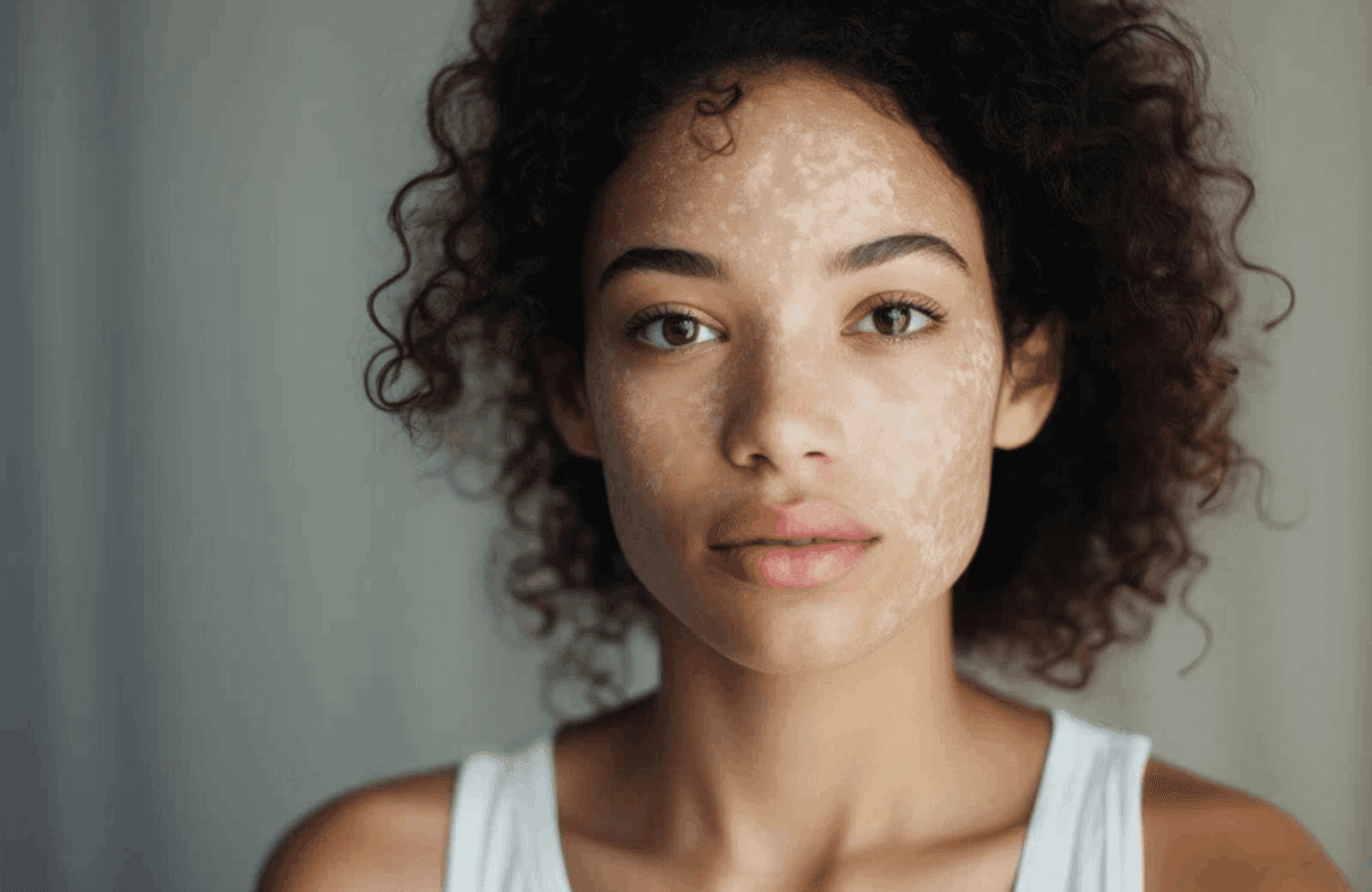
Vitiligo is a long-term skin condition characterized by patches of the skin losing their pigment. In Ayurveda, this condition is known as Shwitra (white leprosy/leucoderma) or Kilasa. Unlike other skin diseases (Kustha) described in Ayurveda which may involve secretions, oozing, or decomposition, Shwitra is distinguished by its non-exudative nature, manifesting primarily as a discoloration of the skin.
1. Definition
Modern Definition: A chronic skin disorder that causes the loss of skin color in blotches due to the destruction of melanocytes (pigment-producing cells).
Ayurvedic Definition: A specific type of skin disease (Kustha) located in the skin (Twak) and blood (Rakta) that presents as white, reddish, or coppery patches. It is defined as a non-secreting (Aparisravi) condition, distinguishing it from other forms of leprosy or eczema.
2. Etymology & Conceptual Meaning
- Shwitra: Derived from the Sanskrit word Shveta, meaning "white." It refers to the white discoloration of the skin.
- Kilasa: A synonym used interchangeably with Shwitra. It refers to a condition where the normal color of the skin is "thrown away" or destroyed.
- Daruna and Aruna: These terms are sometimes used to describe specific color presentations (reddish) of the disease.
- Conceptual Interpretation: Ayurveda categorizes this as a disease of the Medas (fat), Rakta (blood), and Twak (skin). It is considered a Raktapradoshaja (blood-vitiated) disorder but is unique because it does not involve the rotting or sloughing of tissues seen in other major skin diseases.
3. Causes (Nidana)
Ayurveda attributes the causes of Shwitra to a combination of dietary, lifestyle, and psychological/moral factors.
- Dietary Causes:
- Excessive consumption of Lavana (salt), Amla (sour), and Katu (pungent) foods.
- Viruddha Ahara: Incompatible food combinations, such as eating fish with milk.
- Intake of heavy, unctuous, or slimy foods that block the channels.
- Lifestyle Causes:
- Chardi-vega-rodha: Suppression of the natural urge to vomit.
- Day sleep and improper physical exercise.
- Psychological & Karmic Factors:
- Madhava Nidana explicitly lists moral transgressions as root causes, including: Vachamsi Atathyani (speaking untruths), Kritaghnata (ungratefulness), Ninda (disrespect/blasphemy against the gods or teachers), and Papakriya (sinful acts of past lives).
4. Journey of the Disease (Pathogenesis/Samprapti)
- Samprapti Ghataka (Components):
- Dosha: Tridosha (Vata, Pitta, and Kapha) are involved.
- Dushya (Tissues): Rakta (Blood), Mamsa (Flesh), Meda (Fat), and Twak (Skin).
- Adhisthana (Site): The skin (Tamra layer) and the blood.
- Pathogenesis:
- Due to the etiological factors (such as incompatible diet or sinful acts), the three Doshas (Vata, Pitta, Kapha) become aggravated.
- These Doshas travel through the body and lodge in the skin, blood, flesh, and fat tissues.
- They contaminate these tissues, leading to a loss of natural complexion and the formation of patches. Unlike other skin diseases, this contamination does not lead to suppuration (pus) or discharge.
5. Symptoms (Lakshana)
The primary symptom is Shveta Kustha (white patches on the skin).
- General Signs: Depigmentation of the skin without pain or discharge.
- Specific Symptoms by Dosha:
- Vataja: Patches are dry, rough (Ruksha), and reddish (Aruna) in color. This type is often called Daruna.
- Pittaja: Patches are coppery (Tamra) or the color of a lotus leaf, often accompanied by a burning sensation or loss of hair follicles. This type is called Charuna.
- Kaphaja: Patches are white (Shweta), dense, thick, and heavy, often accompanied by itching. This type is called Kilasa.
6. Different Types or Classification (Bheda)
According to Madhava Nidana, Shwitra is classified into three types based on the dominant Dosha and color:
- Vataja (Daruna): Characterized by reddish/vermilion color.
- Pittaja (Charuna): Characterized by coppery or lotus-like color.
- Kaphaja (Kilasa): Characterized by pure white color.
7. Diagnosis
- Ayurvedic Diagnosis:
- Darshana (Observation): Examination of the color of the patches (red, coppery, or white) to determine the involved Dosha.
- Hair Examination: Checking the color of the hair within the patches. Red or discolored hair indicates a poor prognosis.
- History: Assessing dietary habits (salt intake) and family history (Kulaja factors).
- Differential Diagnosis:
- Distinguished from Pundarika Kustha (a type of leprosy), which involves elevation, redness, and discharge, whereas Shwitra is flat and non-exudative.
8. Disease Management
Management focuses on Shodhana (purification) and the use of photosensitizing herbs.
Diet (Ahara)
- Pathya (Beneficial): Light diet, old rice, and bitter vegetables.
- Apathya (Avoid): Patients must strictly avoid salt (Lavana), sour foods (Amla), pungent foods (Katu), and incompatible foods like fish and milk.
Medicines
- Bakuchi (Psoralea corylifolia): This is the drug of choice. It is referred to as Somaraji or Avalguja. Formulations include Somaraji Taila.
- Tuvaraka Taila: A specific oil used for skin diseases and Shwitra.
- Manibhadra Yoga: A herbal confection used for skin diseases and Shwitra.
- Madhukasava: A fermented preparation indicated for Shwitra and leprosy.
- Vajraka Ghrita: Medicated ghee used for curing skin diseases and erysipelas.
- Khadira (Acacia catechu): Used in various forms (decoction, paste) for blood purification and skin health.
Panchakarma (Therapies)
- Virechana (Purgation): Since the disease involves Pitta and Rakta (blood), purgation is the preferred purification therapy to eliminate toxins.
- Raktamokshana (Bloodletting): In cases of deep-seated blood vitiation, leech therapy or venesection is advised.
- Lepa (External Application):
- Kacchuradi Churna: A paste applied externally for Shwitra.
- Kutamari (Dodi) Guna: Applied for leucoderma.
- Avalgujadi Lepa: A paste made of Bakuchi seeds and arsenic sulphides (Hartala/Manashila).
9. Prognosis
- Sadhya (Curable): The condition is curable if the patches are not confluent (not joined together), the hair on the patches is not red (A-rakta-roma), the patches are new (Nutana), and the patient is not emaciated.
- Asadhya (Incurable):
- If the patches are fused together (Sarvato-gata).
- If the hair on the patches has turned red (Rakta-roma).
- If the patches are located on the lips, palms, soles, or anal region (Guhya-pani-tala-ostha).
- If the condition has persisted for a long time (chronic).
10. Modern Correlations
- Vitiligo: The symptoms of Shweta Kustha or Shwitra (depigmented white patches) directly correlate with Vitiligo.
- Leucoderma: This term is often used synonymously with Vitiligo in older medical texts and matches the description of Kilasa.
- Photosensitivity: The Ayurvedic use of Bakuchi (Psoralens) anticipates modern PUVA (Psoralen + UVA) therapy, acknowledging the need to sensitize the skin to sunlight for re-pigmentation.
11. References
-
Ayurveda Case Study on Vitiligo (Shwitra)
The Action of Ayurvedic Formulations and Nitya Virechana on Vitiligo (Shwitra) – IJLPR
Discusses Shwitra and Ayurvedic concepts linked with vitiligo. (ijlpr.com)
-
Critical Ayurvedic Analysis of Vitiligo (Shwitra)
Critical analysis of Vitiligo (Shwitra): An Ayurvedic Perspective
Academic review correlating Shwitra (Ayurveda) with modern understanding of vitiligo. (jaims.in)
-
Ayurvedic Management of Vitiligo (Shwitra)
Ayurvedic Management of Shwitra (Vitiligo) – IJAPR
Case study with Ayurvedic treatment protocols and outcomes. (ijapr.in)
-
हिंदी स्वास्थ्य लेख: विटिलिगो क्या है, लक्षण और उपाय
विटिलिगो के लक्षण और उपाय – Herzindagi (Hindi)
Hindi article explaining symptoms, tips, and home-care information. (Herzindagi)
-
India TV Hindi article on Vitiligo
विटिलिगो – लक्षण, कारण, और इलाज (India TV)
Hindi coverage of causes and what symptoms to look out for. (India TV)12. FAQ Section
Q: Is Vitiligo (Shwitra) contagious?
A: No. Unlike some other skin diseases described in ancient texts, Shwitra is a disorder of pigmentation and blood vitiation, not an infectious disease. However, ancient texts mention "contact" as a mode of transfer for Kustha in general, but this often referred to hygiene-related infections, whereas Shwitra specifically is non-exudative.
Q: Can diet cure Vitiligo?
A: Diet plays a crucial role. Ayurvedic texts strictly forbid the intake of salt (Lavana) and sour (Amla) foods during treatment. Avoiding incompatible foods (like fish and milk) is considered essential for preventing progression.
Q: What is the most effective Ayurvedic herb for this?
A: Bakuchi (Psoralea corylifolia) is the most cited and celebrated herb for Shwitra and Kustha in classical texts. It is used both internally and externally (as a paste or oil).
Q: Why does Ayurveda mention "sin" as a cause?
A: Ancient texts like Madhava Nidana include Papakarma (sinful acts), such as disrespecting elders or untruthfulness, as causes. This reflects the holistic view that mental and moral conduct affects physical health, particularly in obstinate diseases.
Consult a Doctor
- AG4.5Dr Anshuman Gupta
Ayurveda8 yrs exp
- MS4.2Midun s kumar
Ayurveda4 yrs exp
- SP4.5Dr Sreelekha P Nair
Ayurveda6 yrs exp
- D4.3Dr Divya
Ayurveda2 yrs exp
Buy Medicine
 Prescribed to you4.5₹26 cashback
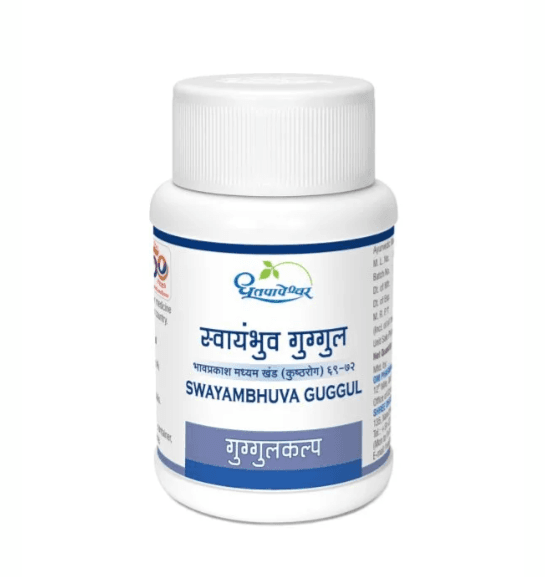
Swayambhuva Guggul (Dhootapapeshwar) SDL
SDLVata and skin support
Strip of 60 Tablets
4.5
₹265Get ₹26 Cashback
 Prescribed to you4.5₹82 cashback
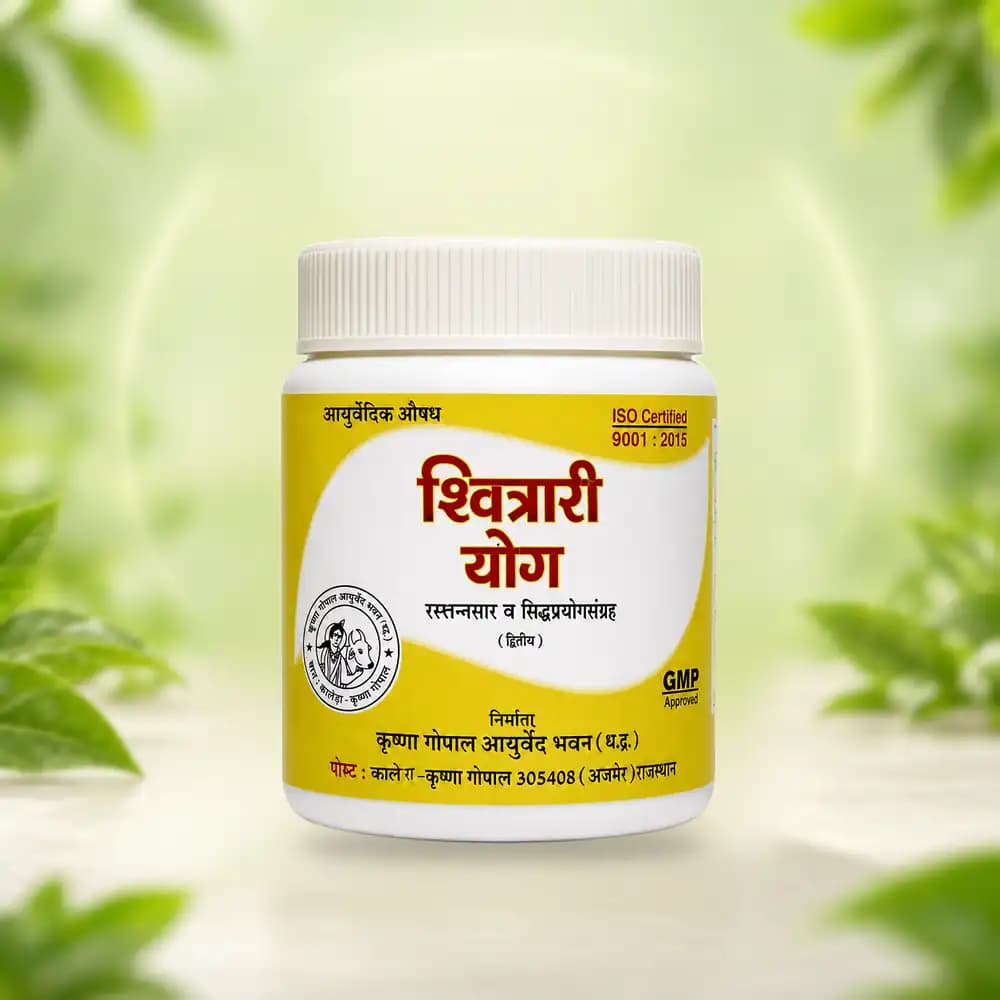
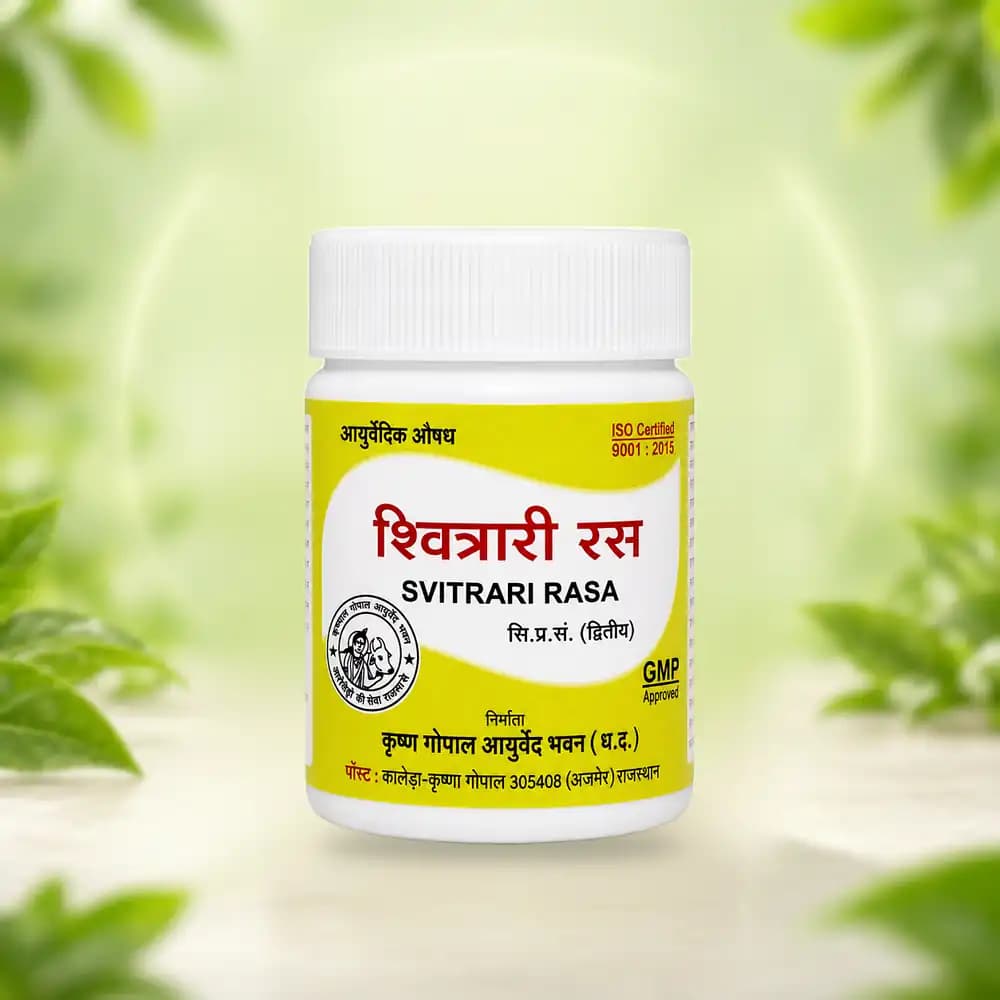
Shvitrari Ras (Kalera) Kalera
Treats vitiligo, skin pigmentation
Strip of 30 Tablets
4.5
₹820.01Get ₹82 Cashback