

Bedwetting Causes and Symptoms
Reviewed by medical experts · For informational purposes only
Introductory summary
Bedwetting known as Shayyamutra in Ayurveda is the involuntary discharge of urine during sleep caused by a disturbance in Vata and Kapha doshas. It often results from the aggravation of Apana Vayu and the influence of Tamas or deep sleep which blocks the sensation of a full bladder. Common causes include intestinal worms known as Krimi weak digestion and the consumption of heavy cold or sweet foods. Management focuses on reducing Kapha and strengthening the urinary tract through dry warm foods and herbs like Vidanga to eliminate worms and Jambu seeds to reduce urine output. Treatments aim to correct the digestive fire and regulate nervous control often supported by lifestyle changes like restricting fluids at night.
Bedwetting
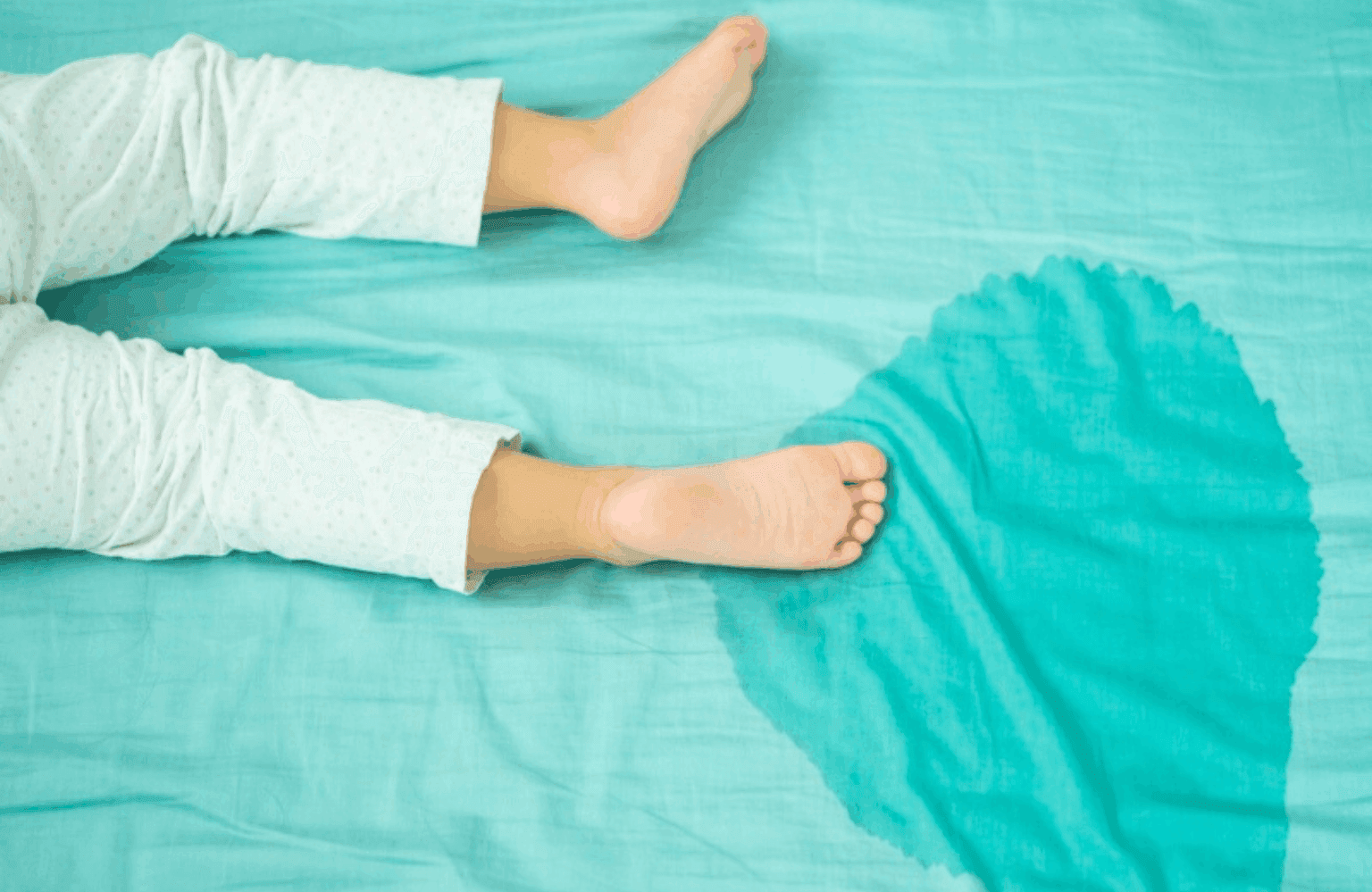
Bedwetting, clinically known as Nocturnal Enuresis, is the involuntary discharge of urine during sleep, typically in children. In Ayurveda, this condition is often referred to as Śayyāmūtra (urinating in bed). While often a developmental stage, persistent bedwetting is considered a disorder falling under Bāla Roga (Pediatrics) or Mutra Roga (Urinary diseases). It is attributed to the weakness of the Vasti (bladder) and the aggravation of Vata and Kapha doshas, often exacerbated by the presence of intestinal worms (Krimi).
1. Definition
- Modern Definition: The involuntary loss of urine at night during sleep, at an age when bladder control should have been established (usually considered abnormal after age 5).
- Ayurvedic Definition: A condition where a child involuntarily passes urine during sleep due to a lack of control over the Apana Vayu (the sub-type of air governing elimination) and deep sleep (Nidra) caused by Tamas and Kapha. It is often associated with Mutratita (incontinence/trickling of urine) or Prameha-like symptoms (excessive urination) in a pediatric context.
2. Etymology & Conceptual Meaning
- Literal Meaning: Śayyā means "bed" and Mūtra means "urine." Thus, Śayyāmūtra translates literally to "urine on the bed."
- Conceptual Interpretation: Ayurveda views this not merely as a behavioral issue but as a physiological weakness of the Mutravaha Srotas (channels carrying urine). It involves the Vasti (bladder - a vital organ or Marma) failing to retain urine due to the covering or obstruction of nerve impulses (Vata) by heaviness (Kapha) or deep sleep.
3. Causes (Nidana)
- Dietary Causes:
- Excessive intake of liquid foods, milk (Kshira), or curd (Dadhi) at night which increases Kapha.
- Consumption of heavy (Guru), sweet (Madhura), or oily (Snigdha) foods that dull the senses and deepen sleep.
- Biological Causes:
- Lifestyle Causes:
- Ati-Nidra: Excessive or very deep sleep where the child does not wake up to the urge of urination.
- Vega Dharana: Habitual suppression of the urge to urinate during the day, which weakens the bladder muscles.
4. Journey of the Disease (Pathogenesis/Samprapti)
- Samprapti Ghataka (Components):
- Dosha: Kapha (causes heavy sleep), Vata (Apana Vayu - causes loss of retention control).
- Dushya (Tissues): Rasa (lymph), Mutra (urine), Mamsa (bladder muscle).
- Srotas (Channels): Mutravaha Srotas (Urinary tract).
- Adhisthana (Site): Vasti (Bladder).
- Pathogenesis:
- Due to the intake of Kapha-aggravating food and worms (Krimi), Kapha accumulates in the bladder and the mind.
- This leads to Tamas (darkness/heaviness), causing profound sleep.
- Simultaneously, Apana Vayu, which controls the sphincter, becomes weak or vitiated.
- When the bladder fills during sleep, the sensory signal is blocked by Kapha/Tamas.
- Vata forces the urine out involuntarily without the child waking up.
5. Symptoms (Lakshana)
- Primary Symptom: Involuntary passage of urine during sleep (Nidra-avastha).
- Associated Symptoms:
6. Different Types or Classification (Bheda)
While not strictly classified into types in classical texts for bedwetting specifically, it is understood through the lens of:
- Kaphaja: Dominance of deep sleep, heaviness, and sticky urine.
- Vataja: Dominance of fear, anxiety, and a weak bladder sphincter (dribbling).
- Krimija: Bedwetting secondary to worm infestation.
7. Diagnosis
- Ayurvedic Diagnosis (Roga Pariksha):
- Prashna (Questioning): Assessing sleep depth, fluid intake habits, and history of worm infestation.
- Darshana (Observation): Checking the child for pallor (Pandu) or signs of worms.
- Differential Diagnosis:
- Must be distinguished from Prameha (Diabetes/Polyuria). In Prameha, the urine is excessive, turbid, and sweet, and occurs during the day as well as night.
- Distinguished from Mutraghata (Urinary obstruction/retention) where flow is blocked or painful.
8. Disease Management
Management focuses on Krimighna (Deworming), Mutra-Sangrahaniya (Reducing urine output), and Vata-Kapha Shamana (Balancing nervous and fluid energies).
Diet (Ahara)
- Beneficial: Dry and warm foods.
- Jambu (Jamun Seeds): The seed of the Jambu fruit is explicitly classified as Mutra-sangrahaniya (stops excessive urination) and Purisa-virajaniya (astringent).
- Honey (Madhu): Honey is astringent and drying; it helps reduce Kapha and excess fluids.
- Old Rice: Light to digest.
- Avoid: Milk, yogurt (Dadhi), excessive water at night, sweets, and heavy oily foods.
Lifestyle (Vihara)
- Toilet Training: Ensuring the child urinates before bed.
- Waking Schedule: Waking the child once during the night to empty the bladder.
- Exercise: Physical activity to reduce Kapha and heaviness.
Medicines
- Chandraprabha Vati: A famous formulation indicated for Prameha, Mutrakrcchra (dysuria), and urinary weakness. It strengthens the urinary tract.
- Shilajatu: Highly praised for all urinary disorders (Mutra Roga) and Prameha. It acts as a rejuvenative (Rasayana) for the bladder.
- Vidangarishta: If worms are the cause, Vidanga is the premier anti-helminthic (Krimighna) herb. Treating worms often stops bedwetting.
- Bimbi (Coccinia grandis): Indicated for Mutrakrcchra and Prameha; helps regulate urine.
- Chandra Puti Pravala: Coral calcium preparations are used to treat urinary disorders and strengthen the body.
Panchakarma
- Abhyanga (Massage): Application of medicated oils like Bala Taila to the lower abdomen (Vasti region) to strengthen muscles and pacify Vata.
- Nasya: Mild nasal administration of oils may be used to clear Tamas (heaviness) from the head and lighten sleep, though caution is required in children.
9. Prognosis
- Sadhya (Curable): Most cases in childhood are easily curable with dietary changes, deworming, and bladder tonics.
- Yapya (Manageable): If the condition persists into adulthood or is caused by congenital structural defects (Sahaja), it may require long-term management.
10. Modern Correlations
- Nocturnal Enuresis: Directly correlates with Śayyāmūtra.
- Parasitic Infection (Pinworms): Correlates with Krimija bedwetting.
- Bladder instability: Correlates with Vasti-shaithilya (weakness of bladder) described in Vata disorders.
11. References
-
Mayo Clinic – Bed-wetting (Nocturnal Enuresis)
https://www.mayoclinic.org/diseases-conditions/bed-wetting/symptoms-causes/syc-20350077
-
Cleveland Clinic – Bedwetting (Enuresis)
https://my.clevelandclinic.org/health/diseases/15075-bedwetting
-
Johns Hopkins Medicine – Bedwetting
https://www.hopkinsmedicine.org/health/conditions-and-diseases/bedwetting
-
MedlinePlus – Bedwetting
https://medlineplus.gov/bedwetting.html
-
Journal of Pediatric Urology
https://www.journals.elsevier.com/journal-of-pediatric-urology
-
Neurourology and Urodynamics Journal
https://onlinelibrary.wiley.com/journal/15206777
-
Indian Pediatrics Journal
https://www.indianpediatrics.net
12. FAQ Section
Q: Can worms cause bedwetting?
A: Yes. In Ayurveda, Krimi (worms) are a major cause of health issues in children. They can irritate the system and cause bedwetting. Using herbs like Vidanga to remove worms often cures the condition.
Q: Is Jamun seed good for bedwetting?
A: Yes. The seeds of the Jambu fruit (Jamun) are described as Mutra-sangrahaniya, meaning they restrain excessive urination. Powdered seeds are often given to reduce bedwetting frequency.
Q: What foods should be avoided?
A: Children should avoid excess milk, curd (yogurt), sweets, and liquid foods just before sleep, as these increase Kapha and urine production.
Q: Is there an Ayurvedic tonic for bladder strength?
A: Chandraprabha Vati and Shilajatu are considered excellent tonics for the urinary system, helping to strengthen the bladder and correct urinary function.
Consult a Doctor
- KC5.0Dr. Kamesh chand sharma
Ayurveda2 yrs exp
- PP4.4Dr prince patel
Ayurveda22 yrs exp
- PJ5.0Dr. P. JOTEENDRA
Ayurveda2 yrs exp
- S4.6Dr. Shan
Ayurveda4 yrs exp