

Calcium deficiency Causes and Symptoms
Reviewed by medical experts · For informational purposes only
Introductory summary
Calcium deficiency correlates with the Ayurvedic condition Asthi Kshaya or bone depletion and Asthi Saushirya meaning porosity. It primarily results from the aggravation of Vata dosha and impaired Dhatvagni leading to unstable bone structure. Symptoms include Asthi Shula or bone pain, falling hair, brittle nails, and loose teeth. In children, severe deficiency manifests as Phakka Roga or rickets. Management focuses on nourishing the Asthi dhatu through Vata pacifying diets rich in milk and ghee. Treatment involves natural calcium supplements known as Bhasmas derived from marine sources like Pravala, Shankha, and Muktashukti. The herb Asthisamhara is prescribed for bone strength. Therapeutic procedures like Tikta Ksheera Basti or bitter milk enemas are highly effective for regenerating bone tissue and correcting metabolic absorption.
Calcium Deficiency
Calcium Deficiency is a condition characterized by low levels of calcium in the body, leading to weak bones and teeth. In Ayurveda, calcium is not described as an isolated chemical element but is understood through the health of the Asthi Dhatu (Bone Tissue). When the body lacks the nutritive essence that builds bones, or when the Vata Dosha (Wind element) increases excessively, it leads to Asthi Kshaya (wasting of bone) or Asthi Saushirya (porousness of bone).
1. Definition
Modern Definition: A deficiency state known as hypocalcemia or osteopenia/osteoporosis where the body lacks sufficient calcium to maintain bone density and function.
Ayurvedic Definition: A state of Dhatu Kshaya (tissue depletion) specifically affecting the Asthi (bones). It is characterized by the loss of stability and hardness in the skeletal system due to the aggravation of Vata and the lack of Prithvi (Earth) and Agni (Fire) elements which constitute the bone structure. In children, severe deficiency leading to the inability to walk is termed Phakka Roga.
2. Etymology & Conceptual Meaning
- Asthi Kshaya: Asthi means Bone; Kshaya means diminution, wasting, or loss. It literally means the reduction of bone tissue.
- Asthi Saushirya: Saushirya means porous or hollow. This describes the condition where bones become brittle and porous (Osteoporosis).
- Phakka: Refers to a child who crawls and is unable to stand up due to weak bones (Rickets).
- Conceptual Interpretation: According to the Pancha Mahabhuta theory, drugs and tissues that promote growth and weight (like bones) are dominant in the Parthiva (Earth) element. Calcium compounds in Ayurveda, such as Coral (Pravala) and Conch Shell (Shankha), are used to replenish this Earth element.
3. Causes (Nidana)
The primary cause of bone depletion is the aggravation of Vata Dosha, which has a natural antagonistic relationship with bone tissue (Asthi).
- Dietary Causes:
- Consumption of dry, light, and rough foods (Vata aggravating).
- Lack of milk and ghee in the diet (which are essential for nourishing tissues).
- Excessive intake of astringent (Kashaya), bitter (Tikta), and pungent (Katu) tastes, which dry up the body.
- Lifestyle Causes:
- Ativyayama: Excessive physical exercise which increases Vata.
- Vata-Vardhaka Vihara: Exposure to cold wind, lack of sleep, and excessive worry.
- Physiological Factors:
- Medo-Kshaya: In Ayurveda, bone (Asthi) is nourished by Fat/Adipose tissue (Meda). If Meda is depleted, bones do not receive proper nutrition.
4. Journey of the Disease (Pathogenesis/Samprapti)
- Samprapti Ghataka (Components):
- Dosha: Vata (specifically Vyana Vayu and Apana Vayu).
- Dushya (Tissues): Asthi (Bone) and Danta (Teeth).
- Srotas (Channels): Asthivaha Srotas (Channels carrying nutrients to bones).
- Agni: Dhatvagni Mandya (Weak metabolism at the tissue level).
- Pathogenesis:
- Due to Vata-aggravating factors, the Wind element increases in the body.
- Vata resides in the bones (Asthi is the seat of Vata). When Vata increases, it causes "drying" and "roughness" in its seat.
- This leads to Asthi Saushirya (porosity) and Asthi Kshaya (wasting).
- Simultaneously, if the Meda Dhatu (fat) does not metabolize correctly into Asthi, the bones become brittle and weak.
5. Symptoms (Lakshana)
The classical texts describe specific symptoms for the diminution of bone tissue (Asthi Kshaya):
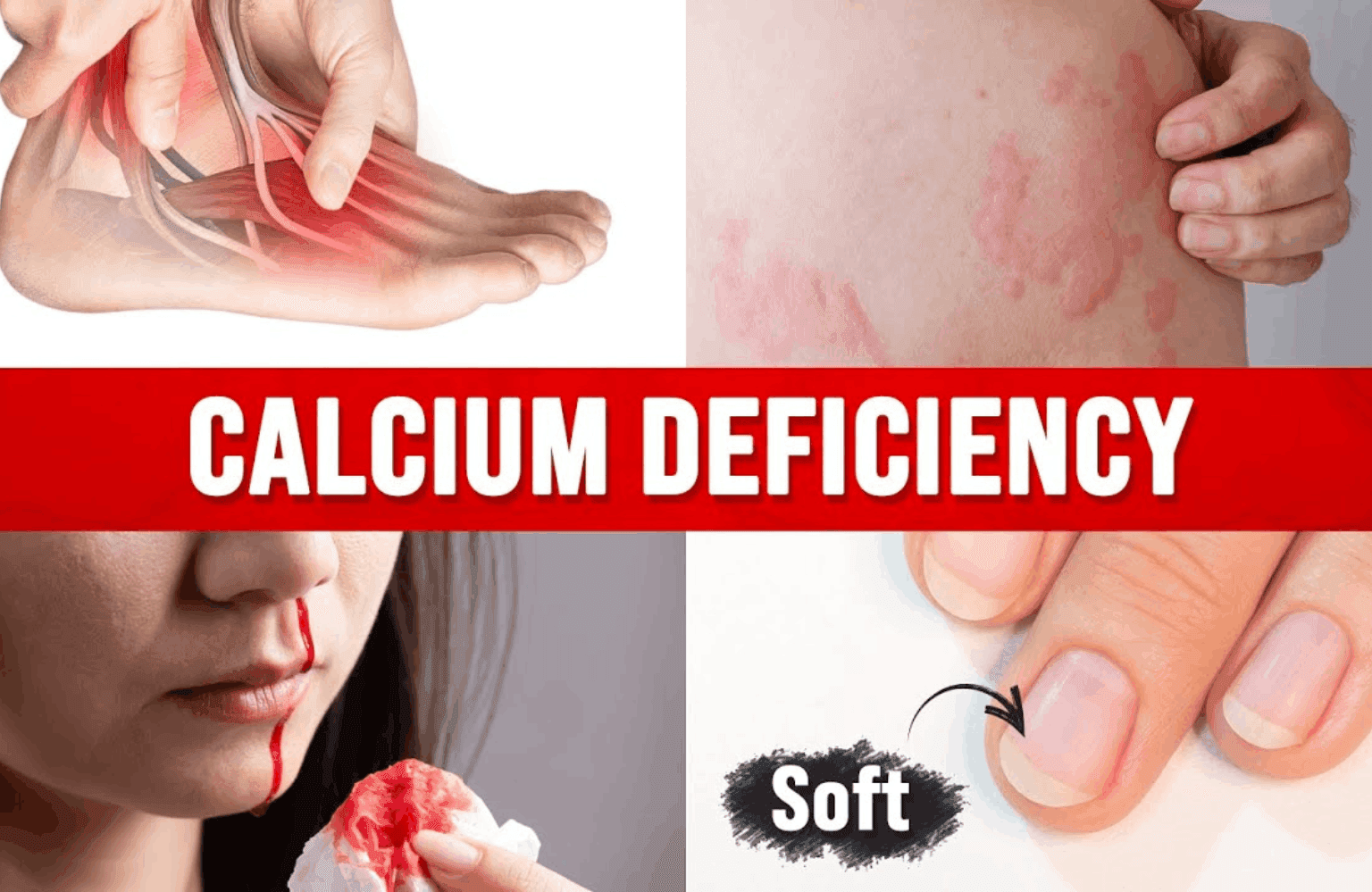
- Kesha-Loma-Nakha-Danta Sadana: Falling of hair, body hair, nails, and teeth.
- Asthi Toda / Shula: Pain in the bones and joints.
- Shrama: Fatigue and general weakness.
- Sandhi Shaithilya: Laxity or looseness of the joints.
- Rukshata: Dryness of the body.
- Phakka (in children): Inability to walk, crawler-like movement, and skeletal deformities.
6. Different Types or Classification (Bheda)
While "calcium deficiency" is a singular concept in modern terms, Ayurveda classifies related conditions based on the stage of life or specific manifestation:
- Phakka Roga: Nutritional bone deficiency in children (Rickets).
- Asthi-Kshaya: General wasting of bones in adults/elderly.
- Asthi-Bhagna: Frequent fractures due to weak bones.
7. Diagnosis
- Ayurvedic Diagnosis:
- Darshana (Observation): Inspecting the nails (Nakha) and teeth (Danta) for brittleness or cracks. Observation of hair loss (Keshapata).
- Sparshana (Touch): Checking for loose joints and pain on palpation.
- Prashna (Questioning): Inquiry about fatigue, joint pain, and dietary intake of dairy and unctuous foods.
- Sara Pariksha: Examining the Asthi Sara (Bone Essence). A person with good bone essence has prominent heels, ankles, and strong teeth. Lack of these indicates deficiency.
8. Disease Management
Management focuses on Brimhana (nourishing therapy) and Vata Shamana (pacifying Vata).
Medicines (Calcium-Rich Ayurvedic Formulations)
Ayurveda uses Bhasmas (calcined ash) of marine and mineral products which are natural sources of calcium:
- Pravala Bhasma / Pishti: Made from Coral. It is cooling and used for bone weakness and pitta disorders.
- Shankha Bhasma: Made from Conch Shell. Used for digestive issues and calcium supplementation.
- Muktashukti Bhasma: Made from Pearl Oyster shell.
- Godanti Bhasma: Made from Gypsum (Calcium Sulphate). Used for fever and bone strength.
- Kukkutandatvak Bhasma: Made from Hen's eggshells (a rich source of calcium).
- Asthisamhara (Cissus quadrangularis): A specific herb known as "Bone Setter," used to accelerate fracture healing and strengthen bones.
Diet (Ahara)
- Milk (Kshira): Cow's milk is considered the best Rasayana and vitalizer for bone health.
- Ghee (Ghrita): Essential for nourishing the deep tissues and pacifying Vata.
- Meat Soup (Mamsarasa): Specifically mentioned for nourishing the body in wasting conditions.
- Basti (Enema): Tikta Ksheera Basti (Bitter milk enema) is the specific therapy for Asthi Kshaya because bitter herbs like Guduchi have an affinity for bone tissue.
Lifestyle (Vihara)
- Abhyanga (Oil Massage): Daily massage with oils like Mahanarayana Taila or Dhanvantara Taila to strengthen muscles and bones.
- Avoid: Excessive exercise and rough, dry foods that increase Vata.
9. Prognosis
- Sadhya (Curable): In young individuals and when caused by simple dietary lack, it is easily treatable with supplementation and diet.
- Yapya (Manageable): In the elderly (where Vata naturally increases) or in chronic conditions like Osteoporosis, it requires lifelong management.
10. Modern Correlations
- Hypocalcemia: Low blood calcium levels.
- Osteopenia/Osteoporosis: Correlates with Asthi Saushirya and Asthi Kshaya.
- Rickets: Correlates with Phakka Roga.
- Hair and Nail changes: The Ayurvedic link between bones, hair, and nails (where hair/nails are waste products of bone metabolism) correlates with clinical signs of mineral deficiencies affecting these tissues.
11. References
-
World Health Organization (WHO) – Calcium & Bone Health
🔗 https://www.who.int/news-room/fact-sheets/detail/micronutrients
-
NIH – Office of Dietary Supplements (ODS) – Calcium Fact Sheet
🔗 https://ods.od.nih.gov/factsheets/Calcium-HealthProfessional/
-
MedlinePlus (U.S. National Library of Medicine) – Hypocalcemia
🔗 https://medlineplus.gov/ency/article/000365.htm
-
Mayo Clinic – Calcium deficiency: Symptoms & causes
🔗 https://www.mayoclinic.org/symptoms/calcium-deficiency/basics/definition/sym-20050654
-
राष्ट्रीय स्वास्थ्य पोर्टल (National Health Portal – India)
कैल्शियम की कमी
🔗 https://www.nhp.gov.in/disease/nutritional/calcium-deficiency
-
Ayushman Bharat – Ministry of Health & Family Welfare
(Nutrition & Mineral Deficiency Resources – Hindi)
🔗 https://abdm.gov.in
12. FAQ Section
Q: Which Ayurvedic herb is best for fixing broken bones?
A: Asthisamhara (Scientific name: Cissus quadrangularis) is the most famous herb in Ayurveda for healing fractures and strengthening bones. It is often called the "Bone Setter".
Q: Can I get calcium from Ayurvedic medicines?
A: Yes. Ayurveda uses natural sources of calcium processed into fine powders called Bhasmas. Common examples include Pravala Bhasma (Coral calcium), Shankha Bhasma (Conch shell calcium), and Godanti Bhasma (Gypsum).
Q: How do I know if my bone tissue is decreasing according to Ayurveda?
A: Common signs of Asthi Kshaya (bone loss) include falling hair, brittle nails, loose teeth, fatigue, and pain in the joints.
Q: What diet is good for weak bones?
A: A Vata-pacifying diet is recommended. This includes warm, unctuous foods like Cow's Milk, Ghee, and meat soups. Avoiding dry, rough, and bitter foods is also important.
Q: Is massage good for weak bones?
A: Yes. Abhyanga (oil massage) with medicated oils like Dhanvantara Taila or Mahanarayana Taila helps pacify Vata, which is the root cause of bone weakness.
Consult a Doctor
- KC5.0Dr. Kamesh chand sharma
Ayurveda2 yrs exp
- PP4.4Dr prince patel
Ayurveda22 yrs exp
- PJ5.0Dr. P. JOTEENDRA
Ayurveda2 yrs exp
- S4.6Dr. Shan
Ayurveda4 yrs exp