Low Immunity: Causes and the Ayurvedic View
Reviewed by medical experts · For informational purposes only

Introductory summary
Frequent colds are usually lifestyle, not disease. What genuinely supports immunity, the classical Ojas and Rasayana view, and the patterns that need a doctor.
1. Definition
"Low immunity" usually means feeling like you catch every cold going around, take long to recover, or run low on energy. A few ordinary colds a year are normal, especially in children. True immune deficiency - rare - shows up as frequent serious infections: repeated pneumonias, persistent thrush, infections needing hospital care, or wounds that will not heal.
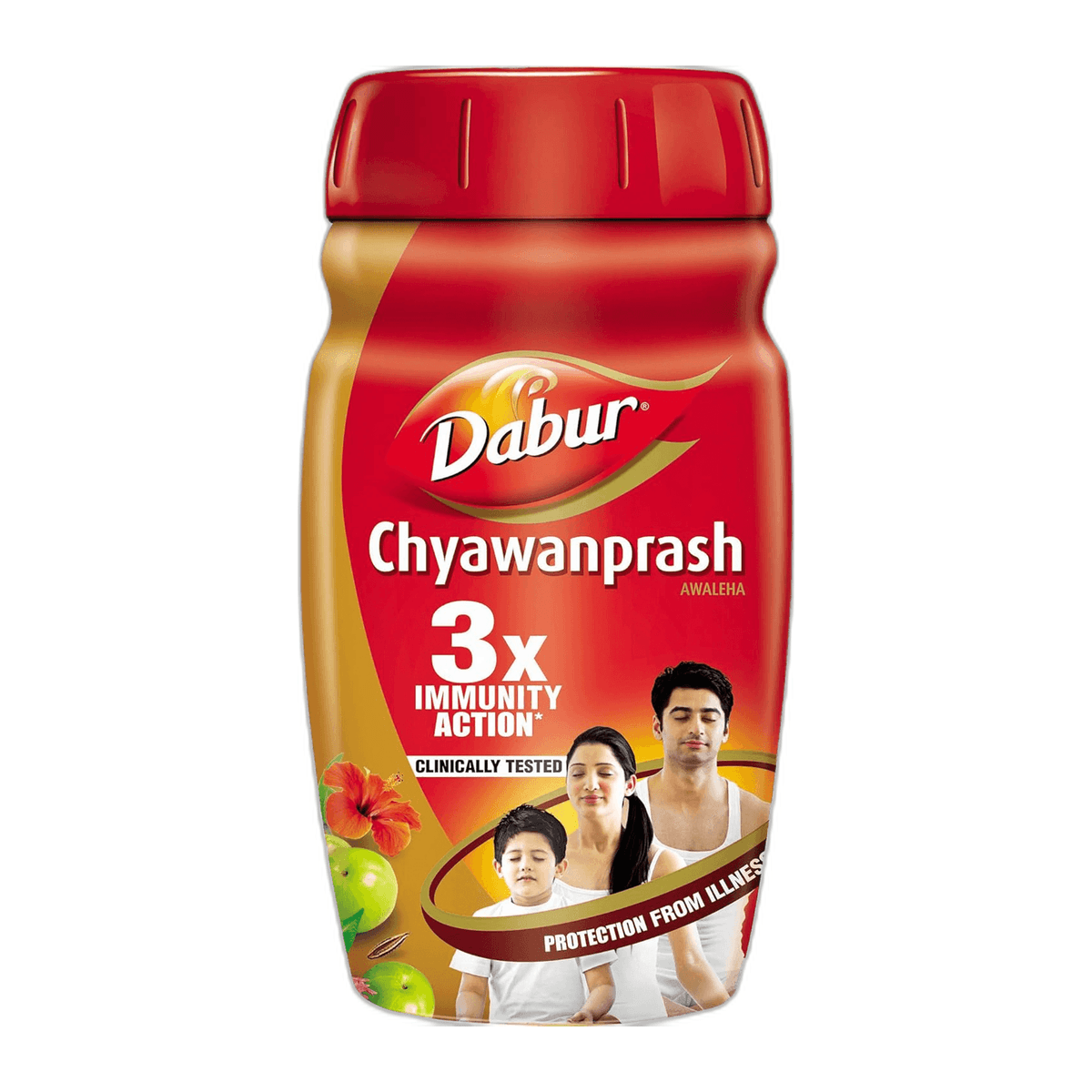
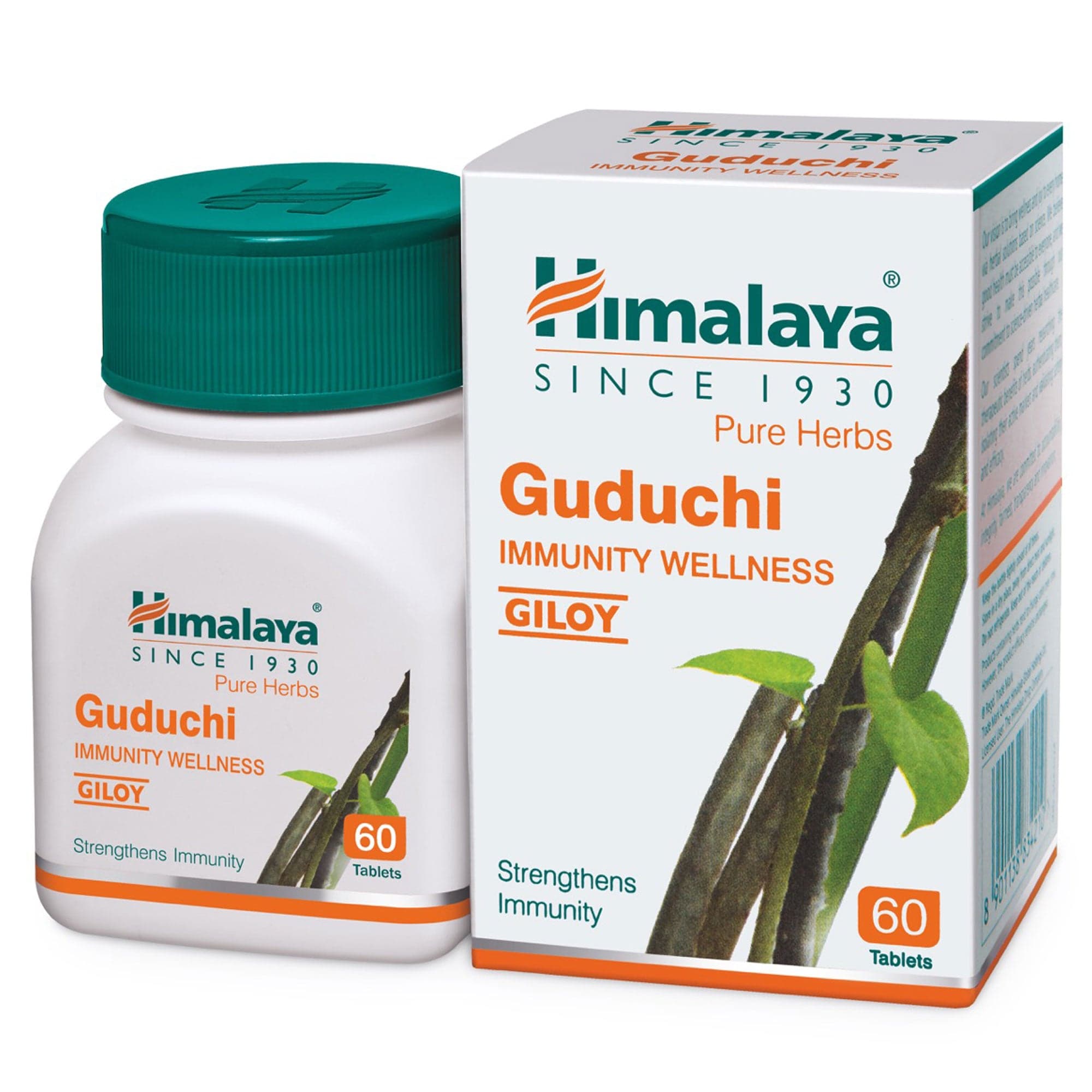
Classical Ayurveda has a close concept: Ojas, the subtle essence of all tissues, which underlies Bala (strength) and Vyadhikshamatva - the power to resist disease. The classical way to rebuild it is Rasayana (rejuvenation) care: nourishment, rest, routine and specific rejuvenative herbs like Guduchi, Ashwagandha, Amalaki and Chyawanprash. These are traditional interpretive frameworks, not exact translations of immune function.
2. Etymology & Conceptual Meaning
- Ojas is the finest essence of the seven tissues - vitality, resilience, lustre.
- Bala means strength, of three kinds: Sahaja (constitutional), Kalaja (seasonal/age) and Yuktikrita (earned through food, routine and Rasayana).
- Vyadhikshamatva is the capacity to resist and recover from disease - remarkably close to "immunity".
- Rasayana is rejuvenation therapy: measures that rebuild tissue quality and Ojas.
These terms explain a traditional model of resistance. Modern immunology describes immune cells, antibodies and barriers - a system you support indirectly through sleep, nutrition, vaccination and exercise, not "boost" with any single product.
3. Causes (Nidana)
In the traditional account, Ojas is depleted by overwork, grief and worry, poor sleep, under- or over-eating, excessive exercise, chronic illness, and old age - essentially a chronically outdrawn system.
In modern medicine, everyday "low immunity" usually reflects chronic sleep loss, ongoing stress, poor diet quality, inactivity, smoking, excess alcohol, and underlying conditions like diabetes or untreated anaemia. Genuine immune deficiency arises from HIV, chemotherapy and immunosuppressive drugs, some genetic conditions, and malnutrition - these are medical diagnoses, not lifestyle wear-and-tear.
4. Journey of the Disease (Pathogenesis / Samprapti)
In the traditional account, depleting causes weaken digestive fire and tissue nutrition; the tissues form poorly, Ojas runs low, and resistance falls - the person tires easily, looks dull, and catches whatever circulates. This is a traditional explanatory model, not a proven account of immune biology.
In modern understanding, sleep loss and chronic stress measurably dampen immune responses; poor protein and micronutrient intake starves antibody production; inactivity and smoking impair defence; and vaccination trains specific immunity. The "system" is less a dial to turn up than a garden to tend - and no pill or herb has been shown to raise it beyond health.
Samprapti Ghataka: a traditional interpretive framework
| Component | Traditional interpretation, not a laboratory diagnosis |
|---|---|
| Dosha | Vata predominant in depletion |
| Dushya | All seven Dhatus; Ojas as their essence |
| Srotas | Channels of nutrition, traditional concept |
| Srotodushti | Kshaya (depletion), a traditional concept |
| Agni | Weakened in the traditional account |
| Ama | Sometimes implicated traditionally |
| Adhisthana | Hridaya and the whole body (Ojas is systemic) |
These are not validated categories for assessing immune function; clinical assessment and tests do that when deficiency is suspected.
5. Symptoms (Lakshana)
The everyday picture: frequent colds (more than your circle gets), slow recovery, low energy, poor sleep, and a general run-down feeling. These usually track lifestyle, not disease.
See a doctor for the patterns that suggest real immune problems: repeated serious infections (pneumonia, sinus infections, ear infections needing repeated antibiotics), persistent oral thrush, infections that are unusual or unusually severe, wounds healing poorly, unexplained fevers, night sweats, or unexplained weight loss. These warrant proper evaluation - blood counts, immunoglobulins, HIV testing where appropriate.
6. Different Types or Classification (Bheda)
Modern medicine separates lifestyle-associated low resistance (the common situation) from secondary immunodeficiency (drugs, HIV, diabetes, malnutrition) and primary immunodeficiency (genetic, usually showing in childhood). The distinction matters because the latter two need medical treatment.
The classical tradition grades Bala by cause - constitutional, seasonal, or earned - and treats the earnable share as the one you can build. Traditional pattern labels cannot diagnose immune deficiency; laboratory testing does that.
7. Diagnosis
For everyday "low immunity" there is no single test; the story guides lifestyle repair. When genuine deficiency is suspected, doctors use blood counts, immunoglobulin levels, vaccine-response tests and specific screens (HIV, diabetes). Recurrent-infection patterns in children are assessed by a paediatrician.
In the traditional framework, a practitioner assesses Ojas signs - lustre, energy, sleep, digestion - to plan Rasayana care. This cannot diagnose immune deficiency; laboratory assessment comes first when serious patterns appear.
8. Disease Management
Food (Ahara)
Eat for adequacy, not magic: enough protein at each meal, plenty of vegetables and fruit, whole grains, nuts and seeds, and fermented foods if you enjoy them. Vitamin D (common deficiency in India), iron, zinc and B12 matter when actually deficient - test rather than megadose. Classical Rasayana foods - milk, ghee, Amla, dates, almonds - fit comfortably inside a balanced diet. No single food "boosts" immunity beyond correcting poor nutrition.
Lifestyle (Vihara)
The proven pillars: 7-9 hours of regular sleep; daily moderate movement (exercise measurably supports immune surveillance); not smoking; little or no alcohol; managing stress; and keeping vaccinations current - vaccines are the one intervention that genuinely upgrades specific immunity. Handwashing and food hygiene prevent infections directly. Classical Dinacharya - regular sleep, meals and moderate exercise - is the same skeleton in older dress.
Medicines and traditional formulations
No supplement is proven to prevent infections in well-nourished people; correct actual deficiencies instead. Classical Rasayana herbs - Guduchi, Ashwagandha, Amalaki, and formulations like Chyawanprash - have research interest and traditional depth, with limited clinical evidence for preventing infections. They are reasonable as traditional adjuncts in healthy people, with two cautions: quality varies (choose tested products), and anyone with autoimmune disease, on immunosuppressants, pregnant, or on regular medicines should discuss them with their doctor and a qualified Ayurvedic practitioner first.
Panchakarma and external therapies
Classical Rasayana programmes sometimes follow purification procedures, done under practitioner supervision. No procedure is proven to raise immune function. Gentle daily practices - adequate rest, oil massage, routine - are safe and pleasant supports.
9. Prognosis (Expected Course and Outcome)
Lifestyle-driven low resistance improves steadily over weeks to months once sleep, food, movement and stress are repaired - people genuinely do stop catching everything. True immune deficiency is manageable with modern medicine once diagnosed. The classical promise of Rasayana - that earned strength can be rebuilt - matches experience, with the honest caveat that it is the habits doing the heavy lifting.
10. Modern Correlations
Ojas, Bala and Vyadhikshamatva form a strikingly complete traditional theory of resistance, and the classical prescription - sleep, nourishment, routine, moderation - is exactly what modern evidence supports. Where modern medicine adds the sharpest tools: vaccination, diagnosis of true deficiency, and treatment of underlying disease. Traditional terms should be presented as a separate framework, with its limits stated. Recurrent serious infections need medical evaluation; traditional supportive care can only be an adjunct.
11. References
Traditional background
The Ayurveda notebook draws on discussions of Ojas, Bala, Vyadhikshamatva and Rasayana in Charaka Samhita (Sutra Sthana 17, 28, Chikitsa Sthana 1), Sushruta Samhita (Sutra Sthana 15) and Ashtanga Hridaya. These are background for traditional concepts, not clinical proof of immune effects. Exact verse citations and formulation indications should be checked by a qualified Ayurvedic editor before being quoted as direct text.
Modern clinical information
Government and institutional resources
The institutional links are general resources, not endorsements of the treatment claims in this article.
12. FAQ Section
Is there a test for "low immunity"?
Not for the everyday kind. Doctors test when the pattern suggests true deficiency - blood counts, immunoglobulins, HIV and diabetes screens. Frequent colds alone rarely need tests.
What actually strengthens immunity?
Sleep, adequate protein and varied diet, regular exercise, no smoking, stress management, and staying vaccinated. There is no shortcut, and no product outperforms these.
Does Chyawanprash work?
It is a respected classical Rasayana with research interest but limited clinical evidence for preventing infections. Reasonable as a traditional daily adjunct in healthy people; not a substitute for the pillars above.
How many colds a year are normal?
Adults typically get 2-4; school-age children 6-10, sometimes more. That is a working immune system meeting new viruses, not failure.
When should I worry?
Repeated pneumonias, persistent thrush, infections needing hospital care, poor wound healing, unexplained fevers, night sweats or weight loss - see a doctor promptly.
Related reading
Browse our Disease A to Z for more conditions.
Medical disclaimer: This article is for education, not an individual diagnosis or prescription. Recurrent serious infections, persistent thrush, unexplained fevers or weight loss need medical evaluation. Discuss all supplements with a qualified clinician, especially with autoimmune disease, immunosuppressant medicines, or in pregnancy.
Consult a Doctor
- KC5.0Dr. Kamesh chand sharma
Ayurveda2 yrs exp
- PP4.4Dr prince patel
Ayurveda22 yrs exp
- AK4.8Dr. Amalnath K Viswanathan
Ayurveda4 yrs exp
- PJ5.0Dr. P. JOTEENDRA
Ayurveda2 yrs exp
Buy Medicine
 Prescribed to you5.0₹21 cashback
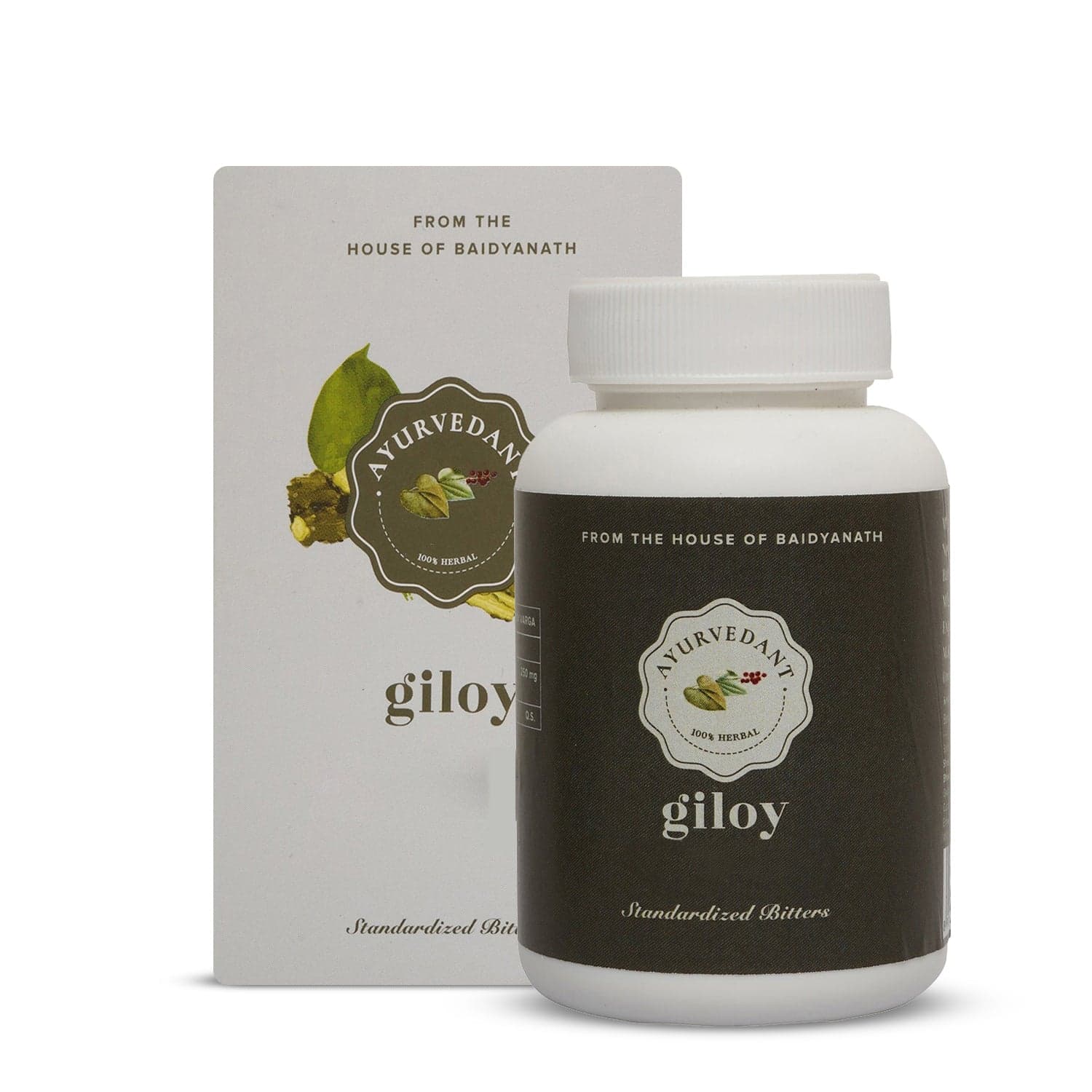
Ayurvedant Giloy Tab Baidyanath
Supports immunity for daily wellness
Strip of 60 Tablets
5.0
₹214Get ₹21 Cashback
₹24312% off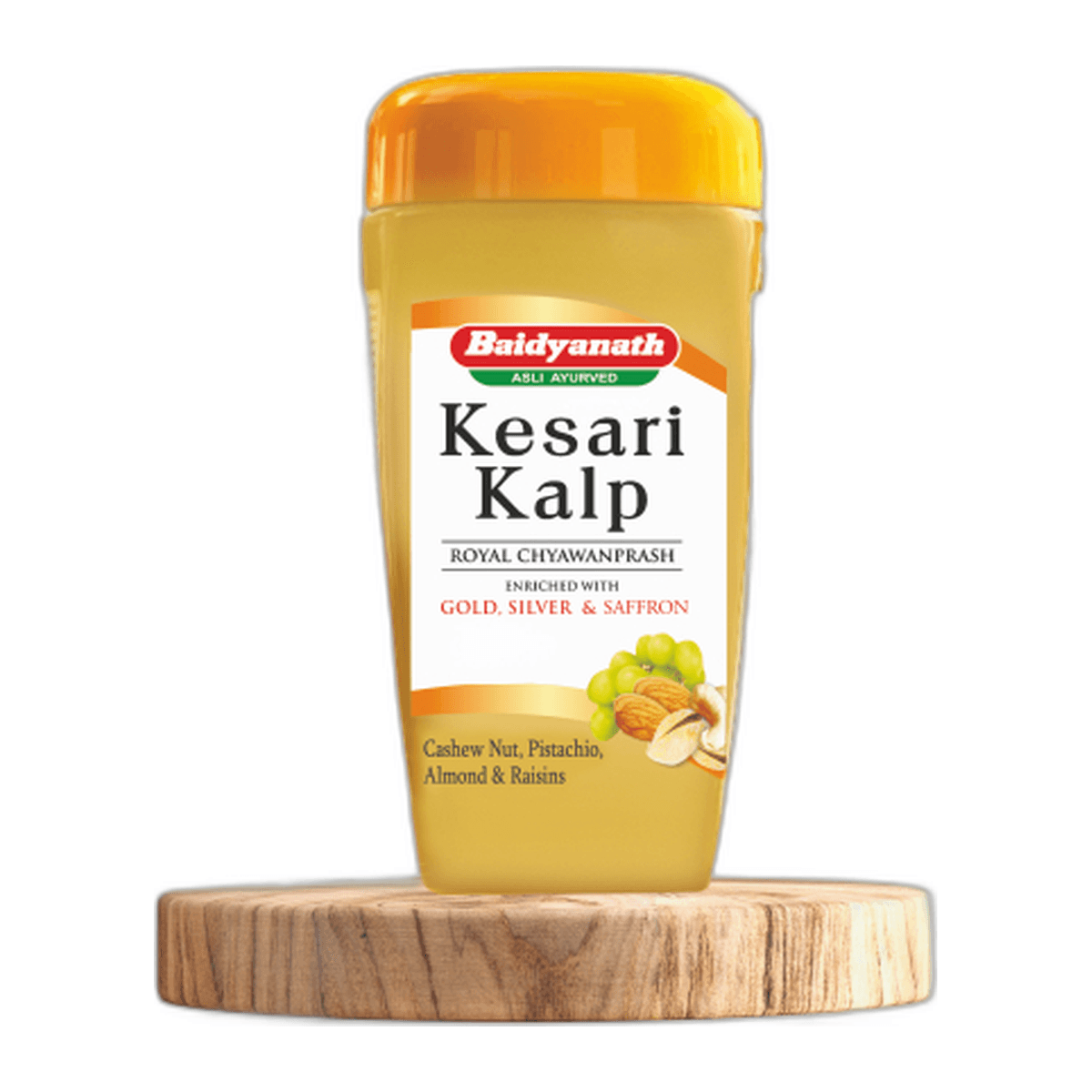 Prescribed to you5.0₹41 cashback
Baidyanath Kesari Kalp Royal ChyawanprashBaidyanathSupports strength and immunity
Container of 500 g
5.0
₹417Get ₹41 Cashback
₹48414% off