

Paraplegia Causes and Symptoms
Reviewed by medical experts · For informational purposes only
Introductory summary
Paraplegia, known in Ayurveda as Pangu, is a neurological disorder classified among the eighty Vata Vyadhis. This condition involves the loss of motor function in the lower limbs, affecting the back, thighs, and feet [87, 163, Conversation History]. Pathologically, severely vitiated Vata obstructs internal channels, leading to stiffness or muscle wasting [349, 467, Conversation History]. Management prioritizes restoring the nervous system through Panchakarma therapies like medicated enemas, oil massages, and warm bolus sudation. Specific formulations such as Dhanvantara Taila and Saptavimshatika Guggulu are utilized to restore strength. While recent cases may show improvement, chronic paraplegia affecting vital points is difficult to manage [Conversation History].
Paraplegia
Paraplegia, referred to in Ayurvedic classical texts as Pangu or Pangutva, is a significant neurological disorder characterized by the loss of motor and sensory function in the lower limbs. In the Ayurvedic tradition, it is classified as one of the 80 specific types of Vata Vyadhi (disorders caused by the primary biological air energy), specifically affecting the movement and stability of the lower half of the body.
1. Definition
Pangutva is defined as a clinical state where an individual loses the ability to walk or move their legs due to the severe vitiation of Vata in the lower extremities. It often involves the impairment of the Mamsavaha (muscular) and Majjavaha (nervous/marrow) channels.
2. Etymology & Conceptual Meaning
- Literal Meaning: The Sanskrit word "Pangu" literally translates to "lame" or "crippled".
- Ayurvedic Interpretation: Conceptually, it occurs when aggravated Vata fills the "empty channels" of the body, obstructing the natural flow of vital energy (Prana) to the legs. It is viewed as a "Middle Passage" disease, meaning it affects vital points (Marma), bone joints, and the bound ligaments and tendons.
3. Causes (Nidana)
- Dietary Causes: Excessive consumption of dry (Ruksha), cold (Shita), and light foods that lack unctuousness, as well as irregular eating habits that weaken the internal fire.
- Lifestyle Causes: Excessive physical exercise, trauma to the spine or pelvic region (trauma to vital points is called Abhighata), and the habitual suppression of natural urges. Constant travel on rough vehicles or over-exertion can also trigger the condition.
- Psychological Factors: Intense mental stress, grief, and fear are noted to directly aggravate Vata, which can precipitate or worsen neurological depletion.
4. Journey of the Disease (Samprapti)
The pathogenesis of Paraplegia involves several internal components (Samprapti Ghataka):
- Dosha: Primarily involves severely vitiated Vata.
- Dushya (Affected Tissues): The ligaments (Snayu), tendons (Kandara), muscles (Mamsa), and marrow/nervous tissue (Majja).
- Srotas (Channels): Obstruction and depletion in the Vatavaha and Mamsavaha Srotas.
- Agni (Digestive Fire): A state of Mandagni (weakened digestion) prevents the proper nourishment of the deeper tissues.
- Ama (Toxins): Metabolic toxins (Ama) may coat the internal channels, leading to a state called Saama Vata, where the Vata is "locked" and cannot move.
- Adhisthana (Location): The disease resides in the Kati (lower back), Sakthi (thighs), and Pada (feet).
5. Symptoms (Lakshana)
- Early Symptoms: A feeling of heaviness or numbness in the legs, occasional tremors (Kampa), and mild lower back pain.
- Advanced Symptoms: Total loss of movement in the thighs and legs, muscle wasting (Kshaya), stiffness in the lumbo-sacral region, and sometimes loss of control over the bladder or bowels.
6. Classification (Bheda)
- Vataja Pangu: Characterized by severe pain, dryness, and tremors.
- Vata-Kaphaja Pangu: Involves significant stiffness (Stambha), heaviness, and coldness in the limbs.
- Abhighataja Pangu: Caused specifically by external trauma or injury to the spinal cord and vital points.
7. Diagnosis
- Ayurvedic Diagnosis: The physician employs Roga-Rogi Pariksha, assessing the patient's reflexes, muscle bulk, and the location of pain.
- Differential Diagnosis: It is distinguished from Pakshaghata (Hemiplegia/Stroke), which affects one vertical half of the body, and Ekanga Vata, which affects only a single limb.
8. Disease Management
- Diet (Ahara): Focus on Vata-pacifying foods that are warm, oily, and nourishing. Intake of milk, ghee, and meat soups (Mamsarasa) is highly recommended to rebuild tissue essence.
- Lifestyle (Vihara): Patients should avoid exposure to cold winds and excessive physical strain.
- Medicines:
- Vyoshadi Guggulu: A primary pill for reducing stiffness and inflammation in the joints.
- Mahanarayana Taila: A famous medicated oil used for massage and enemas to restore strength to the nerves and muscles.
- Prasarini Taila: Specifically indicated for paraplegia and hump-back conditions.
- Saptavimshatika Guggulu: Used to clear blockages in the urogenital and lower limb channels.
- Panchakarma:
9. Prognosis
- Early vs. Chronic: Recent cases in strong individuals are palliable or sometimes curable with dedicated treatment.
- Factors: If the condition is chronic, deep-seated in the marrow, or caused by total destruction of vital points (Marma-ghata), it is considered difficult to manage (Krcchra-sadhya) or incurable.
10. Modern Correlations
- Similarities: Ayurveda's Pangu correlates directly with Paraplegia, Spinal Cord Injury, and Lower Motor Neuron Lesions.
- Differences: While modern medicine may focus on surgical intervention or physiotherapy, Ayurveda emphasizes the rehydration of the nervous system through medicated fats and the systematic removal of metabolic toxins.
11. References
-
WHO – Spinal Cord Injury
WHO explains that spinal cord injury may cause paralysis including paraplegia, affecting movement and sensation below the injury level. (who.int)
-
Britannica – Paraplegia
Paraplegia | Spinal Injury, Motor Function & Rehabilitation | Britannica
Describes paraplegia as paralysis of both lower extremities due to damage to the spinal cord or brain. (britannica.com)
-
Ayurveda Management of Pakshaghata
Research discusses Ayurvedic therapies used in Pakshaghata including Panchakarma and herbal support. (jaims.in)
-
Ayurvedic Approach in Spinal Cord Injury
Case-based Ayurvedic management of paraplegia associated with spinal injury. (ijapr.in)
12. FAQ Section
-
Can Ayurveda help in long-standing paralysis?
While chronic cases are difficult, therapies like Basti and Rasayana (rejuvenation) can provide significant palliative support and improve quality of life.
-
Is massage enough?
No, for Vata deep in the tissues, external massage must be combined with internal medications and medicated enemas (Basti) for lasting results.
-
Should I avoid certain foods?
Yes, "Apathya" or unwholesome items like cold water, dry sprouts, and excessive pungent spices should be avoided as they further aggravate Vata.
Consult a Doctor
- KC5.0Dr. Kamesh chand sharma
Ayurveda2 yrs exp
- PP4.4Dr prince patel
Ayurveda22 yrs exp
- AK4.8Dr. Amalnath K Viswanathan
Ayurveda4 yrs exp
- NG5.0Dr Nandini gaur
Ayurveda1 yrs exp
More on Paraplegia Causes and Symptoms
Buy Medicine
 Prescribed to you4.3₹12 cashback
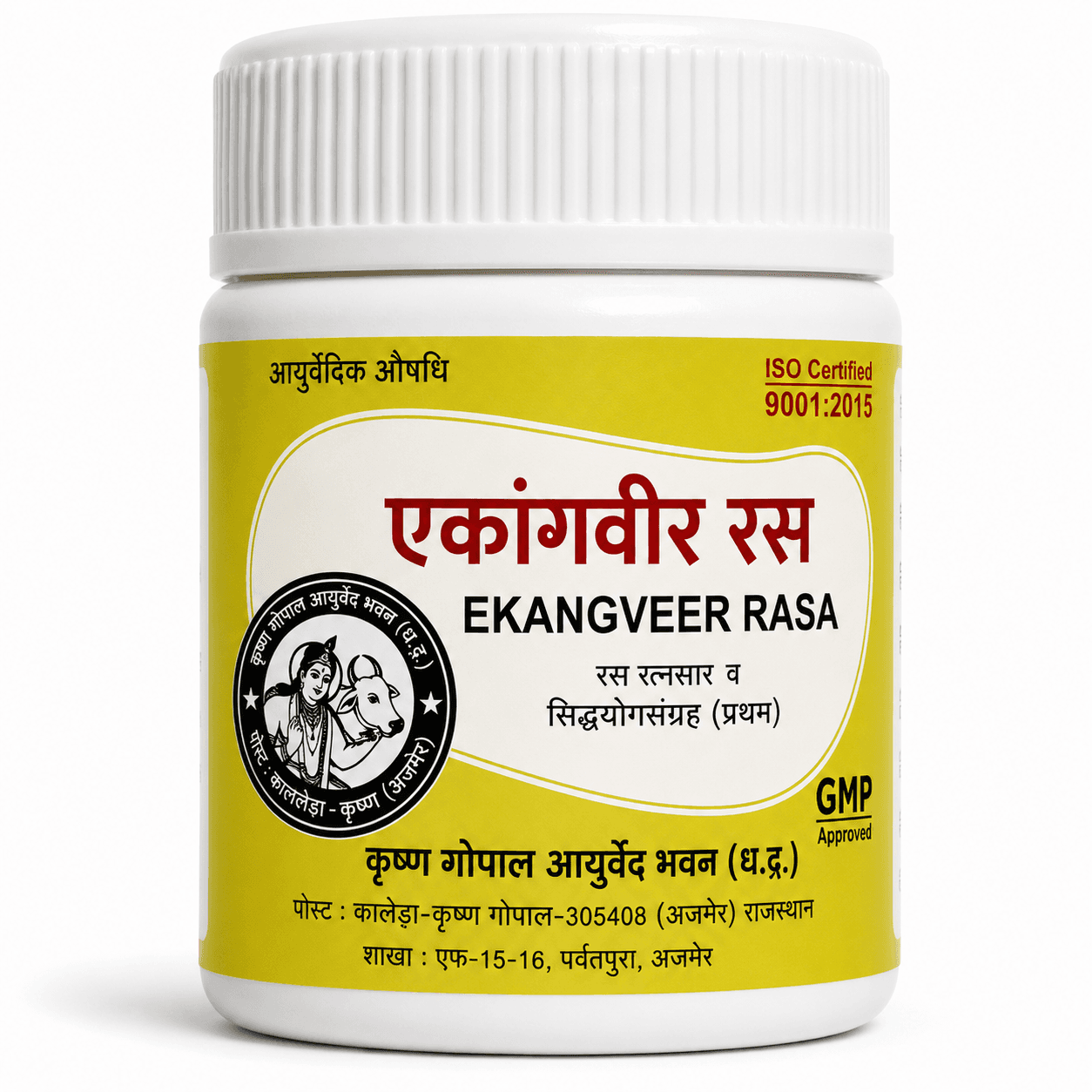
Ekangveer Ras (Kalera) Kalera
Supports paralysis and hemiplegia recovery
Strip of 15 Tablets
4.3
₹129Get ₹12 Cashback
₹14813% off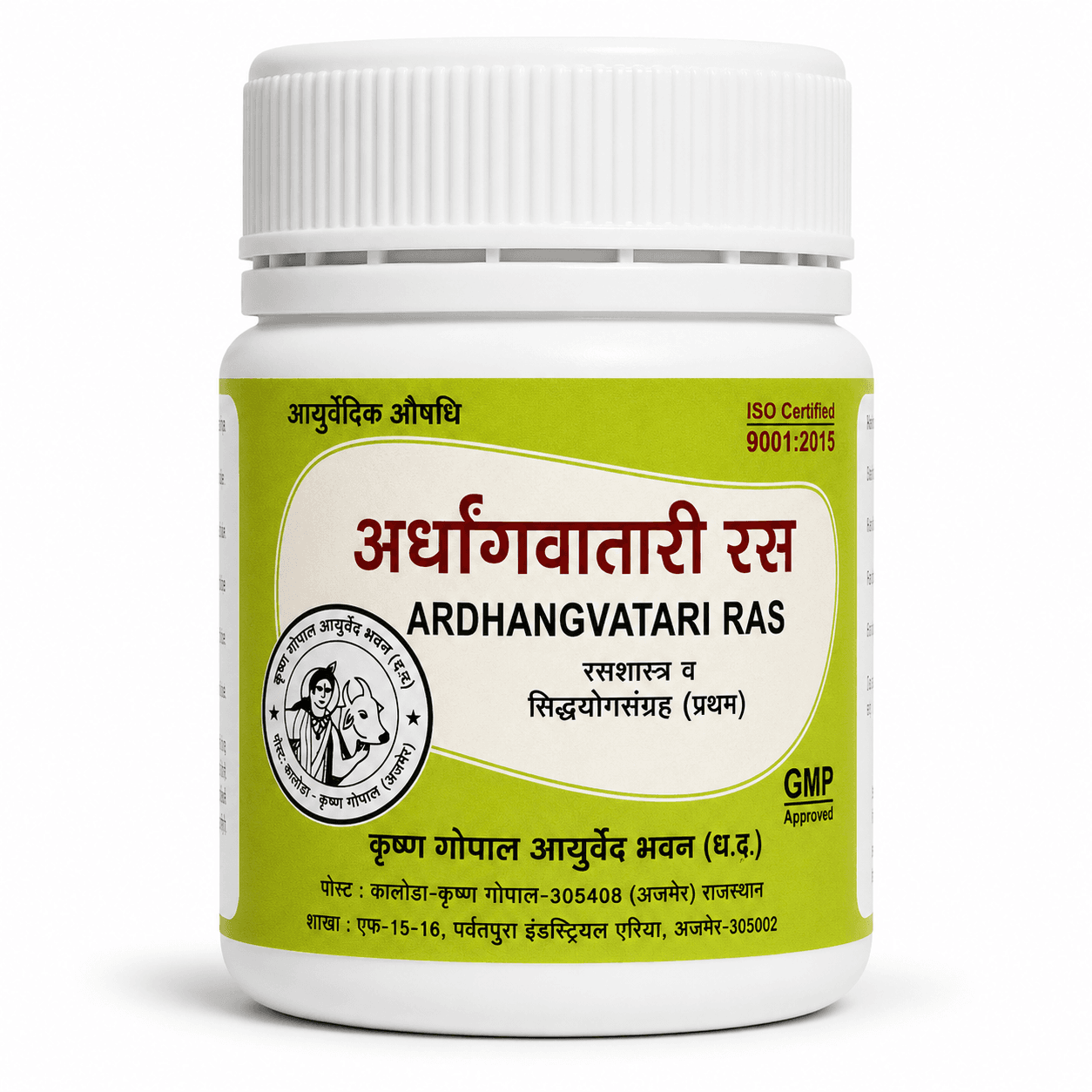 Prescribed to you4.6₹45 cashback
Ardhangavatari Ras (Kalera)KaleraSupports hemiplegia and paralysis recovery
Container of 5 g
4.6
₹455Get ₹45 Cashback
₹52914% off
