Usheer
Reviewed by medical experts · For informational purposes only
Introductory summary
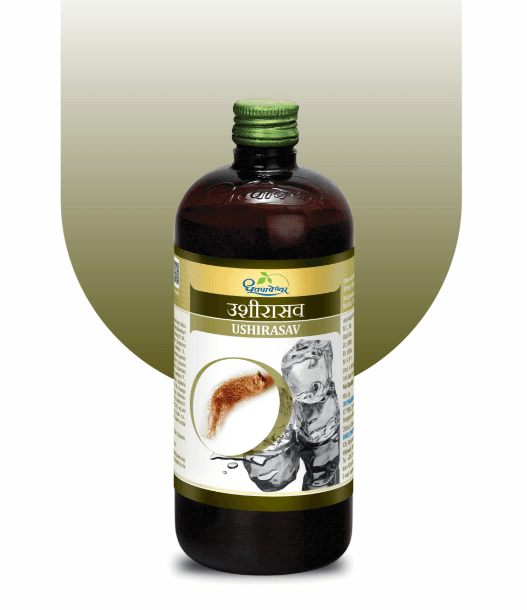
Usheer is extensively referenced in the Ayurvedic Formulary of India across various dosage forms for its cooling properties. In the Bhaishajyaratnavali it acts as the primary ingredient in Ushirasava indicated for bleeding disorders and skin diseases and is a key component in Sarivadyasava for urinary issues and Shrikhandasava for intoxication. The Ashtangahrdaya lists it in the famous refrigerant formula Shadanga Kvatha for fever and thirst and in Anu Taila under the synonym Sevya. In Sahasrayoga it appears in Kaccuradi Curna for relieving headaches and burning sensations. Additionally it is found in Arkaprakasha within Karpuradyarka and in Dashanga Lepa for treating erysipelas and fever.
Usheer
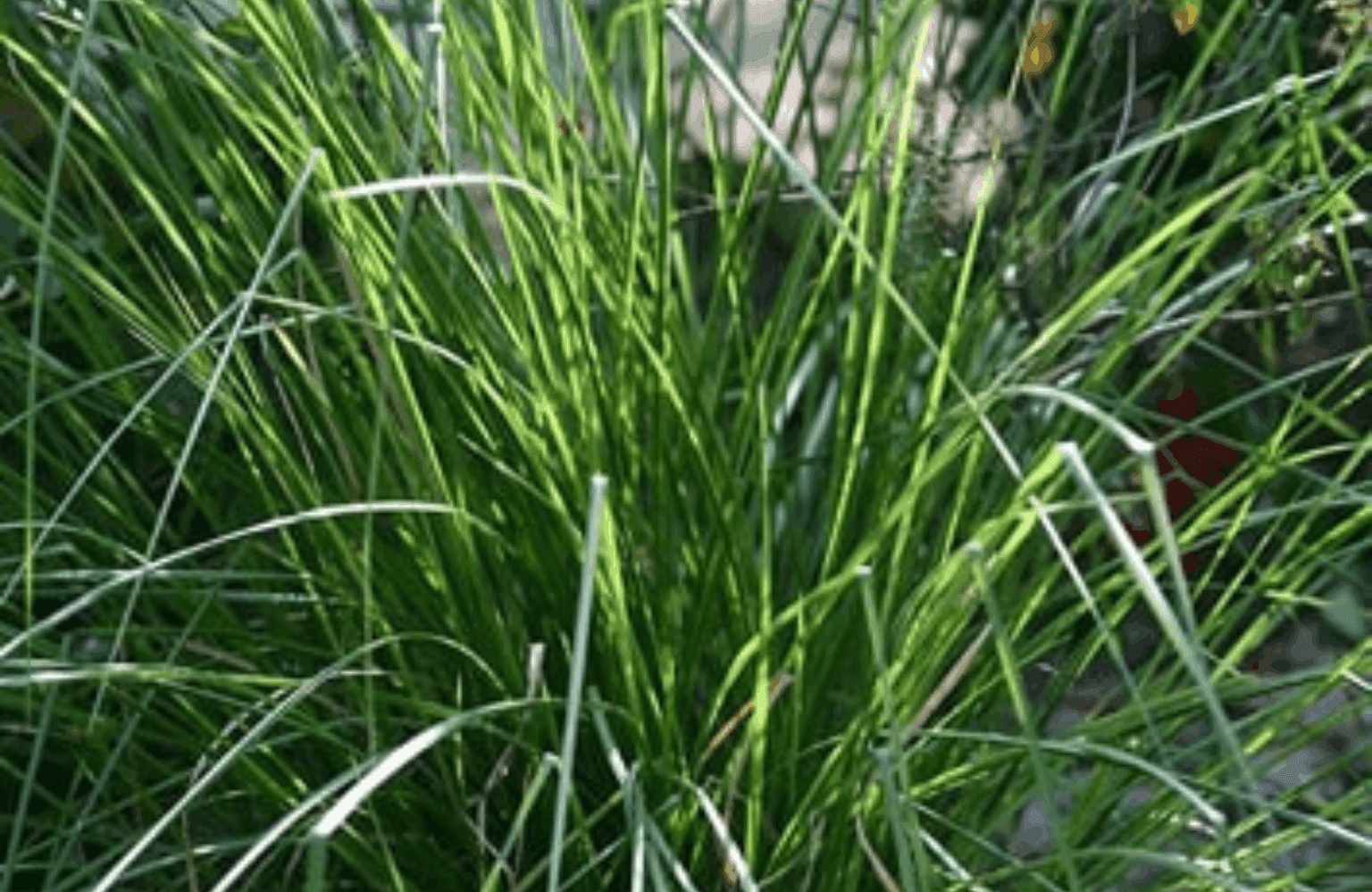
Usheer, commonly known as Vetiver or Khus, is a tall, tufted, perennial aromatic grass. In Ayurveda, the fragrant fibrous roots of this plant are highly prized for their cooling (Sheeta) and soothing properties. It is a renowned refrigerant, widely used to treat health issues related to excess heat in the body, such as burning sensations, fevers, and bleeding disorders. It is also famous for its use in regulating sweating and body odor.
1. Name of the Herb
- Common Name: Vetiver, Khus-Khus grass.
- Scientific Name: Vetiveria zizanioides (Linn.) Nash (Family: Poaceae).
- Sanskrit Names: Uśīra, Nalada, Amṛṇāla, Sevya, Samagandhaka, Vīraṇa (refers to the plant/stalk).
- Regional Names: Khus (Hindi), Vala (Marathi), Vettiver (Tamil/Malayalam).
2. Brief Description
Usheer is a dense, clumping grass with aromatic, spongy roots. These roots are the source of the famous Vetiver oil. In traditional Ayurveda, Usheer is described as Dahaprasamana (reliever of burning sensation) and Angamarda-prasamana (reliever of body aches). It is considered a "natural air conditioner" for the body, used internally in drinks and medicines, and externally as pastes or mats to provide relief from scorching heat and skin disorders.
3. Source / Part Used
- Plant Source: Herbal / Plant-based.
- Part Used: Root (Rt.) (Fibrous aromatic roots).
4. Ayurvedic Properties
Based on its therapeutic indications in the Ayurvedic Formulary of India and Charaka Samhita:
- Rasa (Taste): Tikta (Bitter) and Madhura (Sweet) (Inferred from its Pitta-pacifying nature).
- Guna (Qualities): Laghu (Light) and Snigdha (Unctuous/Soothing).
- Virya (Potency): Sheeta (Cold). (Evidenced by its inclusion in the Daha-prasamana or burning-relieving group).
- Vipaka (Post-digestive effect): Madhura (Sweet) or Katu (Pungent).
- Dosha Effect: Pitta-Kapha Hara (Pacifies Pitta and Kapha). Its coldness neutralizes Pitta (heat), while its bitterness and aromatic nature help dry up excess Kapha (sweat/mucus).
5. Key Benefits
- Relieves Burning Sensation: It is a premier herb for Daha (burning sensation) in the body, eyes, or urinary tract.
- Controls Sweating: External application of Usheer paste helps reduce excessive sweating and body odor.
- Purifies Blood: Effective in treating Raktapitta (bleeding disorders like nosebleeds) due to its cooling nature.
- Skin Health: Useful in Kushtha (skin diseases) and Visarpa (erysipelas/herpes).
- Relieves Body Ache: Classified as Angamarda-prasamana, helpful in relieving fatigue and body pain caused by heat.
- Fever Management: Beneficial in Jvara (fever), especially high fevers with burning sensations.
6. Uses / Indications
Usheer is indicated in Ayurveda for the following conditions:
- Heat Disorders: Daha (Burning sensation), Pipasa (Excessive thirst), and Murcha (Fainting/Syncope) due to heat.
- Bleeding & Skin: Raktapitta (Bleeding disorders), Kushtha (Skin diseases), and Kandu (Itching).
- Digestive: Chardi (Vomiting) and Madatyaya (Alcoholism/Intoxication effects).
- Urinary: Prameha (Urinary disorders/Diabetes) and Mutrakricchra (Painful urination).
- General: Pandu (Anemia) and Shotha (Inflammation/Swelling).
7. How It Works
- Refrigerant Action: Its strong Sheeta (cold) potency directly counteracts the hot and sharp qualities of Pitta dosha, cooling the blood and reducing internal heat.
- Hemostatic: By cooling the blood (Rakta-Prasadana), it helps stop bleeding from the nose or other orifices.
- Diaphoretic Regulator: When applied externally, it clears the sweat ducts; internally, it reduces excessive sweating by balancing body temperature.
- Digestive Tonic: It aids in digestion (Pachana) and relieves thirst and vomiting associated with acidity or alcoholism.
8. Dosage
(General guidance based on formulations):
- Powder (Churna): 3 to 6 grams.
- Decoction (Kvatha): 20 to 30 ml.
- Fermented Liquid (Asava - Usirasava): 12 to 24 ml taken with water after meals.
- Paste (Lepa): For external application on skin or forehead.
9. Safety Information
Usheer is considered very safe and is commonly consumed as a summer drink (Sherbet) in India. It is well-tolerated by children and the elderly.
10. Side Effects
- Digestive Coldness: Excessive intake in winter or by people with high Kapha (cold/cough) might lead to slight congestion or dampening of digestive fire due to its extreme cold nature.
11. Precautions
- Cold Constitution: People suffering from severe cold, cough, or asthma should consume it with caution or combined with warmer spices like ginger.
- Ayurvedic Consultation: For treating specific conditions like bleeding disorders or anemia, it should be taken under the guidance of a physician.
12. Storage Instructions
- Store the roots in a cool, dry place.
- Keep in an air-tight container to preserve the volatile oil and fragrance, which are crucial for its medicinal efficacy.
13. References
- WHO Monographs on Selected Medicinal Plants – includes quality control and safety guidance relevant to aromatic medicinal grasses.
https://apps.who.int/iris/handle/10665/42052 - Ayurvedic Pharmacopoeia of India (API) – Part I (includes monographs on classical Ayurvedic drugs such as Usheera/Khus).
https://www.ayush.gov.in/site/ayurveda-pharmacopoeia
- Ayurvedic Formulary of India (AFI) – Official classical formulations containing Usheera.
https://www.ayush.gov.in/site/ayurveda-formulary - Central Council for Research in Ayurvedic Sciences (CCRAS) – Medicinal plant research and pharmacognosy data.
https://www.ccras.nic.in - National Medicinal Plants Board (NMPB) – Cultivation and medicinal plant database (Khus/Vetiver).
https://nmpb.nic.in - PubMed – Research articles on Chrysopogon zizanioides (antioxidant, anti-inflammatory, antimicrobial, cooling effects).
https://pubmed.ncbi.nlm.nih.gov/?term=Chrysopogon+zizanioides
-
ResearchGate – Ethnomedicinal and essential oil research on Vetiver.
https://www.researchgate.net
14. FAQs
Q. Can it be taken daily?
Yes, especially in the summer season, weak infusions (Khus water) can be taken daily to maintain body temperature.
Q. When should it be taken?
Medicinal formulations like Usirasava are generally taken after meals. Herbal teas or cooling drinks can be taken during the hot part of the day.
Q. Can it be taken with milk/water?
Yes. Water is the most common vehicle for Usheer preparations. It is also used in medicated milks and ghees.
Consult a Doctor
- SP4.5Dr Sreelekha P Nair
Ayurveda6 yrs exp
- SJ3.9SUMEDH JOSHI
Ayurveda7 yrs exp
- VH3.9Vaidya Harsh
Ayurveda9 yrs exp
- GG3.0Dr GN Govinda
Ayurveda1 yrs exp