Allergic Rhinitis Home Remedies and the Ayurvedic View
Reviewed by medical experts · For informational purposes only
Introductory summary
Allergic rhinitis explained: sneezing, itchy or blocked nose, common triggers, Vataja Pratishyaya, treatment options and the limits of Ayurvedic evidence.
1. Definition
Allergic rhinitis is inflammation or irritation inside the nose caused by an allergic reaction. Pollen, house dust mites, animal dander and mould are common triggers. Symptoms include sneezing, a runny or blocked nose, and itching. Watery, itchy eyes may occur too.
Ayurvedic writing often compares this pattern with Vataja Pratishyaya, particularly when sneezing and thin discharge dominate. Pratishyaya is a broader traditional description of nasal illness, not an exact equivalent of a confirmed allergy. A common cold and non-allergic rhinitis can cause similar symptoms.
2. Etymology & Conceptual Meaning
Pratishyaya is traditionally associated with a flow of disturbed Doshas towards the nose. Vataja indicates a Vata-predominant pattern. Pinasa is another term used in discussions of nasal disease, with meanings that vary by text and commentary.
The traditional model describes discharge, obstruction and changes in function. Modern allergic rhinitis is identified through symptoms and exposure history, sometimes supported by allergy tests. Classical terms do not directly describe IgE antibodies or prove an immune mechanism.
3. Causes (Nidana)
Allergic triggers
Common triggers include pollen from trees, grass or weeds, house dust mites, animal dander and mould. Work-related exposures can also matter. A family history of allergy, eczema or asthma increases the likelihood of allergic disease.
Traditional dietary and lifestyle discussion
The source notebook discusses food, digestion, sleep and environmental exposure in relation to Pratishyaya. These are traditional explanations, not proof that a particular meal or cold drink causes an allergy. Avoid broad food restrictions unless a clinician has identified a reason for them.
Dust and smoke may irritate the nose even without an allergy. Stress and poor sleep can make symptoms harder to cope with, but they are not a reason to blame the patient or dismiss an allergic trigger.
4. Journey of the Disease (Pathogenesis / Samprapti)
In allergic rhinitis, exposure to an allergen triggers an immune response in the nasal lining. This produces symptoms such as sneezing, itching, swelling and discharge.
The Ayurvedic account uses Vata and Kapha, movement of Doshas towards the nose, and changes in nasal channels to explain the symptom pattern. These are separate explanatory frameworks. Ama is not a laboratory test for allergy and should not be described as a measured toxin causing every case.
Samprapti Ghataka: traditional interpretation
| Component | Traditional discussion |
|---|---|
| Dosha | Vata is emphasised in the Vataja comparison, often with Kapha |
| Dushya | Rasa and local secretions may be discussed |
| Srotas | Nasal passages and Pranavaha or Rasavaha Srotas in some interpretations |
| Srotodushti | Atipravritti for excess discharge and Sanga for obstruction |
| Agni | Assessed individually in the traditional model |
| Ama | May be considered by a practitioner; not equivalent to an allergen |
| Adhisthana | Nose and head region |
| Roga Marga | Described within head-and-neck disease; interpretation varies |
This table describes a traditional model, not a validated allergy classification.
5. Symptoms (Lakshana)
Early or intermittent symptoms
Symptoms may begin within minutes of exposure: bouts of sneezing, an itchy nose, clear discharge, blockage, itchy palate and watery or itchy eyes. They may appear at a particular season or around an animal or dusty environment.
Persistent symptoms
Ongoing blockage, disturbed sleep, mouth breathing and difficulty concentrating can affect daily life. Asthma may coexist and needs its own treatment. Fever, severe facial pain, foul discharge or a persistent one-sided blockage should not simply be labelled an advanced allergy; a clinician should check for another cause.
Severe breathing difficulty, swelling of the tongue or throat, or collapse needs emergency help. Do not wait for routine rhinitis treatment.
6. Different Types or Classification (Bheda)
Modern descriptions include seasonal symptoms, such as pollen-related hay fever, and year-round symptoms associated with indoor allergens. Symptoms may also be described as intermittent or persistent, and by how much they affect sleep and daily activities.
Classical texts discuss different Dosha patterns of Pratishyaya. Vataja is a common comparison in modern Ayurvedic research on allergic rhinitis. A Dosha assessment does not identify the specific allergen or replace medical investigation when symptoms are unclear.
7. Diagnosis
Roga-Rogi Pariksha
An Ayurvedic consultation may review symptom patterns, exposure, season, food, sleep, digestion and general health. A pulse or tongue assessment cannot establish that the person is allergic to dust mites or pollen.
Medical assessment and differential diagnosis
A clinician asks about timing, likely triggers, medicines, asthma and effects on daily life, and may examine the nose. Skin-prick or blood testing may be considered when the diagnosis or trigger is uncertain.
Other possibilities include a viral cold, non-allergic rhinitis, sinus disease, nasal polyps and congestion from overusing decongestant sprays.
8. Disease Management
Food (Ahara)
Eat a balanced diet and stay hydrated. Warm drinks may feel soothing, but they do not remove an allergy. There is no universal need to avoid curd, fruit, dairy or cold foods because of rhinitis. Discuss any suspected food reaction before starting restrictive diets, especially for children.
Lifestyle (Vihara)
Identify likely triggers. Damp-dust surfaces, address mould and damp, and keep pets out of the bedroom if they trigger symptoms. During high pollen periods, practical exposure-reduction steps may help. Avoid smoke and strong irritants. Keep a brief symptom-and-exposure diary if the trigger is unclear.
Medicines and nasal care
A pharmacist or clinician can advise on antihistamines, steroid nasal sprays and saline products. A steroid nasal spray used correctly is different from a short-term decongestant spray. Follow the product instructions and get advice for children, pregnancy or other health conditions.
The NHS allergic rhinitis guide warns against using non-prescription decongestant nasal sprays for longer than five days because they can worsen blockage. If using a nasal rinse, choose a suitable prepared product or follow professional instructions about safe water and cleaning; do not use untreated tap water in a rinse.
Ayurvedic formulations and Panchakarma
Ayurvedic research has examined formulations and Nasya, including Anu Taila and combinations containing Shirishadi Kwath. A 2024 clinical trial protocol describes a planned comparison with a steroid nasal spray. A protocol explains how a study is designed; it is not proof that the treatment works better or is safe for everyone.
Do not put strong spices, powders, household oils or unverified preparations in the nose. Nasya and other procedures need individual assessment by a qualified practitioner and should not replace effective allergy or asthma treatment. Herbal and herbo-mineral products may have side effects, interactions and quality concerns. "Natural" does not guarantee safety.
Persistent or severe symptoms may need specialist assessment and consideration of further treatment, including allergen immunotherapy when appropriate.
9. Prognosis (Expected Course and Outcome)
Many people control symptoms well with suitable treatment and reducing exposure. Early attention can improve sleep and daily functioning, but does not guarantee the allergy has disappeared.
Long-standing symptoms may recur when exposure continues. Prognosis depends on the trigger, asthma or other nasal problems, treatment technique and how regularly appropriate treatment is used. There is no reliable promise of a permanent cure after a fixed course of herbs or Nasya. Seek review when symptoms disturb sleep, worsen, or do not respond to suitable pharmacy treatment.
10. Modern Correlations
Similarities
Both approaches pay attention to nasal discharge, sneezing, blockage, triggers and recurrence.
Differences
Modern allergy care distinguishes allergic and non-allergic disease and uses clinical testing when needed. Ayurvedic assessment uses a broader Dosha and symptom framework.
Limitations
Vataja Pratishyaya is a comparison, not a one-to-one diagnosis. Traditional references and small studies do not establish a permanent allergy cure. Published trial plans should not be cited as completed treatment results.
11. References
Classical background
The Ayurveda notebook draws on Pratishyaya and nasal-care discussions in Charaka Samhita, Ashtanga Hridaya and Madhava Nidana. These provide traditional background; exact verse claims and their interpretation require checking by a qualified Ayurvedic editor. They are not clinical proof that a particular formulation treats confirmed allergic rhinitis.
Modern information and research
- NHS: Allergic rhinitis
- Mayo Clinic: Hay fever diagnosis and treatment
- NHS Inform: Allergic rhinitis assessment and treatment
- Ayurveda management of allergic rhinitis: 2024 randomized-trial protocol
- NCCIH: Ayurvedic medicine and safety
Government and institutional resources
These institutional links are general resources, not endorsements of a treatment claim in this article.
12. FAQ Section
Is it a cold or an allergy?
Itching, repeated sneezing and symptoms linked to a recurring exposure may suggest allergy. A cold is an infection. When the pattern is unclear or persistent, get advice rather than self-diagnosing.
Can I use a nasal spray every day?
It depends on the spray. Some steroid sprays are intended for regular use under their instructions. Decongestant sprays are short-term products and can worsen blockage if overused. Ask a pharmacist which one you have.
Does Nasya permanently cure allergic rhinitis?
A permanent cure has not been established. Research is ongoing. Do not replace effective treatment or put unverified products in the nose.
Do I need to stop dairy?
Not automatically. Food restrictions should follow a specific reason, not a general assumption that dairy causes every case of rhinitis.
When should I see a doctor?
If symptoms affect sleep or daily activities, pharmacy treatment does not help, the cause is unclear, or asthma is worsening. Severe breathing trouble needs emergency care.
Related reading
Read about the common cold and browse the Disease A-Z library.
Medical disclaimer: This article is educational and does not replace diagnosis or a personal treatment plan. Ask a qualified clinician about persistent symptoms and check all medicines, supplements and procedures for suitability.
Consult a Doctor
- KC5.0Dr. Kamesh chand sharma
Ayurveda2 yrs exp
- PP4.4Dr prince patel
Ayurveda22 yrs exp
- AK4.8Dr. Amalnath K Viswanathan
Ayurveda4 yrs exp
- PJ5.0Dr. P. JOTEENDRA
Ayurveda2 yrs exp
Buy Medicine
 Prescribed to you4.5₹13 cashback
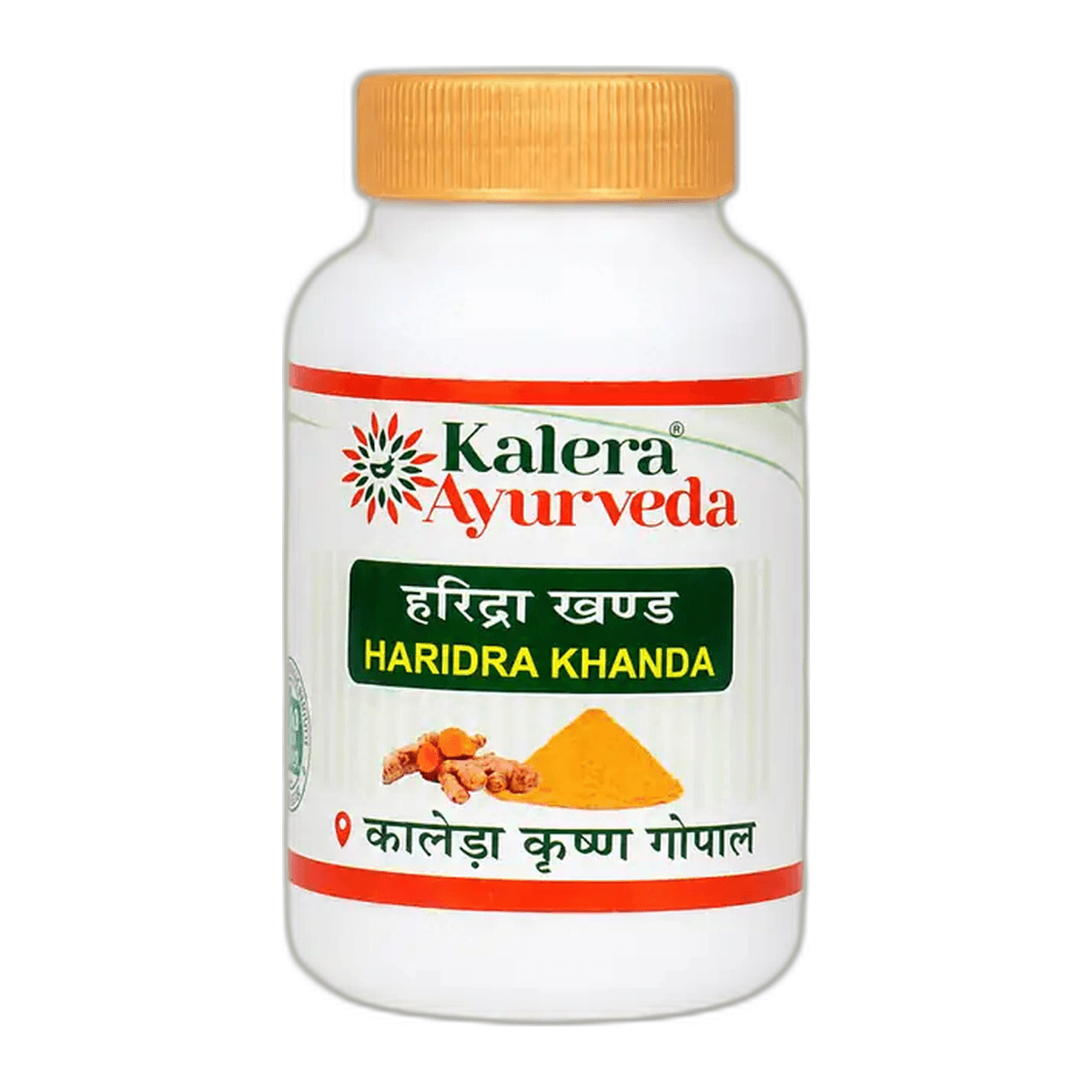
Haridra Khand (Kalera) Kalera
Daily support for turmeric tonic
Bottle of 100 ml
4.5
₹135Get ₹13 Cashback
₹15412% off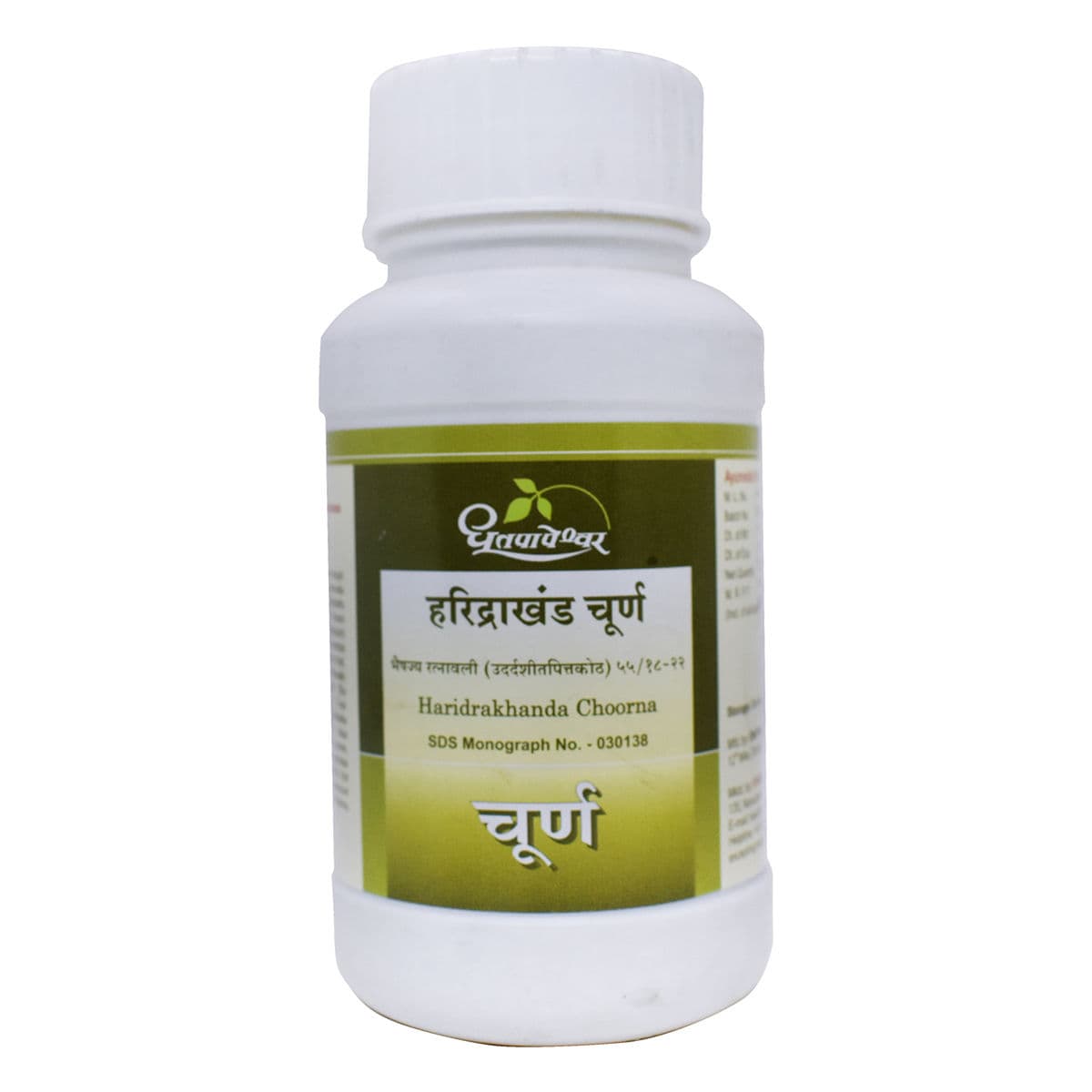 Prescribed to you4.5₹11 cashback
Haridrakhanda Choorna (Dhootapapeshwar) SDL
Supports skin comfort
Container of 60 g
4.5
₹119Get ₹11 Cashback
₹13814% off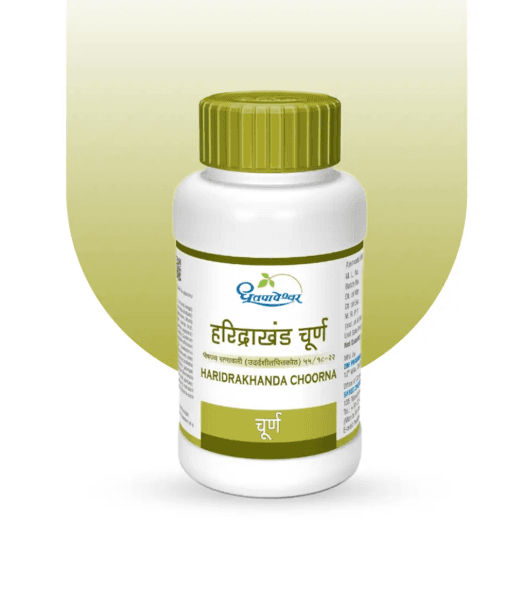 Prescribed to you4.3₹6 cashback
Haridrakhanda Choorna Vati (Dhootapapeshwar)SDLSupports skin comfort
Strip of 60 Tablets
4.3
₹69Get ₹6 Cashback
₹7710% off