Anal fissure Home Remedies and the Ayurvedic View
Reviewed by medical experts · For informational purposes only
Introductory summary
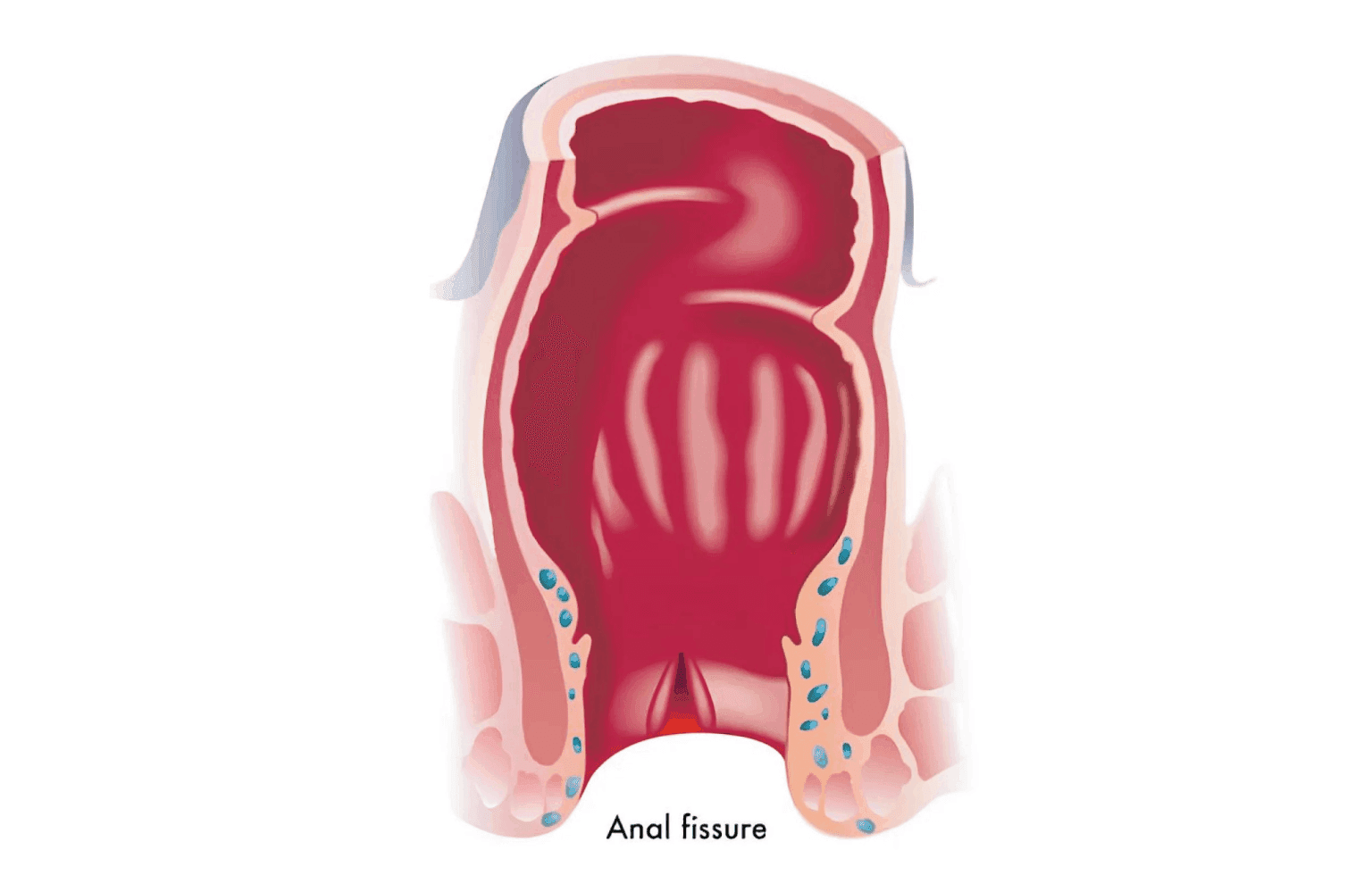
Anal fissure correlates with the Ayurvedic condition Parikartika characterized by excruciating cutting pain in the anal region likened to being cut by scissors,. It typically arises from the vitiation of Vata and Pitta doshas often as a complication of improper administration of purgation or enema therapies or due to hard stools and straining,. Symptoms include intense burning sensation known as Daha, bleeding, and constipation,. Ayurvedic management prioritizes wound healing and pain relief using therapies like Avagaha Sweda or sitz baths to relax the sphincter,. Therapeutic enemas such as Piccha Basti and Anuvasana Basti using soothing Yastimadhu oil are prescribed to heal the mucosa while formulations like Hinguvacadi Curna help regulate bowel movements,.
Anal Fissure
Anal Fissure is a common anorectal condition characterized by a tear or crack in the lining of the anal canal. In Ayurveda, this condition correlates with Parikartika, a term that vividly describes the sensation of "cutting" pain in the anal region. It is often described as a complication of improper administration of Panchakarma therapies (like purgation or enema) or as a symptom associated with severe diarrhea (Atisara) and constipation.
1. Definition
Modern Definition: An anal fissure is a small tear in the thin, moist tissue (mucosa) that lines the anus, causing pain and bleeding during bowel movements.
Ayurvedic Definition: Parikartika is a condition characterized by severe cutting pain (Kartana vat ruja) in the anal region (Guda), often accompanied by a burning sensation. It is described as a specific complication (Upadrava) where the patient feels as if the anus is being cut by scissors.
2. Etymology & Conceptual Meaning
- Parikartika: Derived from the root "Parikartana" which means "cutting all around" or "sawing."
- Conceptual Interpretation: It represents a pathology dominated by Vata (responsible for pain) and Pitta (responsible for burning/ulceration). It is often viewed as a traumatic lesion (Sadyo Vrana) or a non-healing ulcer (Dushta Vrana) in the anal canal.
3. Causes (Nidana)
The causes are categorized into dietary, lifestyle, and iatrogenic (treatment-induced) factors.
- Dietary Causes:
- Consumption of dry, hot, and pungent foods that aggravate Vata and Pitta.
- Viruddha Ahara: Incompatible food combinations.
- Lifestyle Causes:
- Vegarodha: Suppression of natural urges, particularly defecation, leading to hard stool and straining.
- Iatrogenic Causes (Improper Treatments):
- Virechana Vyapat: Improper administration of purgative drugs (drastic purgatives in patients with soft bowels) can lead to excessive elimination, causing scraping and cutting pain in the anus.
- Basti Vyapat: Use of enema nozzles that are rough or inserted improperly can physically injure the anal canal. Also, administering very strong or rough enemas (Ruksha Basti) to a weak person can cause fissures.
- Disease Associations:
- It is a common symptom in Vataja Atisara (Diarrhea caused by Vata) where dry, frothy, and frequent stools cause pain.
- Associated with Udara Roga (Abdominal diseases) and Arsha (Hemorrhoids).
4. Journey of the Disease (Pathogenesis/Samprapti)
- Samprapti Ghataka (Components):
- Dosha: Vata (pain/dryness) and Pitta (inflammation/burning).
- Dushya (Tissues): Twak (Skin/Mucosa) and Mamsa (Muscle) of the anal region.
- Srotas (Channels): Purishavaha Srotas (Excretory channels).
- Adhisthana (Site): Guda (Anal canal).
- Pathogenesis:
- Aggravated Vata dries up the stool and the anal mucosa.
- Passage of hard stool or excessive straining (or excessive purging due to medication) causes friction.
- This friction leads to a tear or wound (Vrana) in the anal canal.
- The exposed raw tissue leads to intense "cutting" pain (Parikartika) and burning sensation (Daha).
5. Symptoms (Lakshana)
- Cardinal Symptom:
- Guda Parikartana: Excruciating, cutting pain in the anus, often described as if being cut by a sharp instrument.
- Associated Symptoms:
- Daha: Burning sensation in the anal region (indicates Pitta involvement).
- Vibandha: Constipation or obstruction of flatus due to pain-induced spasm.
- Bleeding: While usually associated with Raktarsha (bleeding piles), fissures may present with streak bleeding.
- Tenesmus: A feeling of incomplete evacuation.
6. Different Types or Classification (Bheda)
While not strictly classified into types in the overview texts, Parikartika can be understood based on the dominant Dosha:
- Vataja: Dominance of severe pain, constipation, and dryness.
- Pittaja: Dominance of burning sensation (Daha) and ulceration.
- Sannipataja: Involvement of multiple Doshas, often difficult to treat.
7. Diagnosis
- Ayurvedic Diagnosis (Roga Pariksha):
- Prashna (Questioning): History of constipation, hard stools, or recent purgative therapy. Inquiry about the nature of pain ("cutting" vs. "throbbing").
- Darshana (Observation): Visual inspection may reveal a longitudinal tear (Vrana) in the anal ring.
- Differential Diagnosis:
- Distinguished from Arsha (Hemorrhoids), which typically presents with a fleshy mass (Ankura).
- Distinguished from Bhagandara (Fistula-in-ano), which involves a tract with an opening and discharge.
8. Disease Management
Management aims to heal the wound (Vranaropana), relieve pain (Shulahara), and laxatives to soften stool (Anulomana).
Diet (Ahara)
- Pathya (Beneficial):
- Milk: Enemas prepared with milk are highly praised for curing Parikartika because they are cooling and nutritive.
- Liquid/Semi-solid diet: To prevent strain during defecation.
- Apathya (Avoid):
- Spicy, dry, and hot foods that aggravate Vata and Pitta.
Medicines
- Jatyadi Ghrita/Taila: A medicated ghee/oil widely used for local application to heal non-healing ulcers (Dushta Vrana) and fissures. It helps in wound contraction and healing.
- Yastimadhu (Licorice): Used in enemas or local applications to soothe the burning sensation and heal the mucosa.
- Triphala Guggulu: Used to reduce inflammation and infection in anorectal conditions.
- Drakshadi Lehya: A confection used to soften the bowel movements.
Panchakarma (Therapies)
- Piccha Basti: A therapeutic enema containing slimy substances, milk, and ghee. It is specifically indicated for Parikartika to coat the anal canal and heal the cut.
- Anuvasana Basti: Oil enema using soothing oils (like Yashtimadhu oil) to pacify Vata and lubricate the passage.
- Avagaha Sweda (Sitz Bath): Sitting in warm water or medicated decoctions. This relaxes the anal sphincter, relieves pain, and reduces inflammation. It is indicated for Guda Ruj (anal pain) and piles.
9. Prognosis
- Sadhya (Curable): Acute fissures (Sadyo Vrana) respond well to local application of Jatyadi Ghrita and regulation of bowel movements.
- Kashtasadhya (Difficult): Chronic fissures with sentinel tags or those in debilitated patients may be difficult to treat and require prolonged care.
10. Modern Correlations
- Anal Fissure: The description of Parikartika (cutting pain) perfectly matches the clinical presentation of an anal fissure.
- Sentinel Pile: Chronic fissures often develop a skin tag, which might be confused with Arsha (piles) in diagnosis.
- Sphincter Spasm: The Vata aggravation described in Ayurveda correlates with the hypertonicity (spasm) of the internal anal sphincter seen in modern pathology.
11. References
-
Anal fissure – Mayo Clinic (Symptoms & Causes)
https://www.mayoclinic.org/diseases-conditions/anal-fissure/symptoms-causes/syc-20351424 (Mayo Clinic)
-
Anal Fissure – JAMA Patient Page (General Overview)
https://jamanetwork.com/journals/jama/fullarticle/1841969 (JAMA Network)
-
Chronic Anal Fissure in Adults – The BMJ
https://www.bmj.com/content/376/bmj-2021-066834 (BMJ)
-
एनल फिशर – MSD Manual Consumer Version (Hindi Explanation)
https://www.msdmanuals.com/hi/home/digestive-disorders/anal-and-rectal-disorders/anal-fissure (MSD Manuals)
-
एनल फिशर – लक्षण, कारण, इलाज (Lybrate Hindi)
https://www.lybrate.com/hi/topic/anal-fissure (Lybrate)12. FAQ Section
Q: What is the best Ayurvedic remedy for fissure pain?
A: Jatyadi Ghrita is considered one of the best external applications for healing fissures and relieving pain. It promotes wound healing (Ropana).
Q: Can Sitz bath help?
A: Yes. Avagaha Sweda (Sitz bath) is highly recommended. Sitting in warm water helps relax the anal muscles and relieves the "cutting" pain associated with Vata aggravation.
Q: Is milk beneficial for fissures?
A: Yes. Ayurvedic texts specifically mention using milk (processed with sweet herbs like Licorice) as an enema or diet to cure Parikartika, as it is cooling and soothing.
Q: What is the difference between Piles and Fissure in Ayurveda?
A: Piles (Arsha) involve a fleshy growth or mass (Ankura), whereas Fissure (Parikartika) is characterized by a "cutting" pain and a wound/tear without a primary mass.
Consult a Doctor
- KC5.0Dr. Kamesh chand sharma
Ayurveda2 yrs exp
- PP4.4Dr prince patel
Ayurveda22 yrs exp
- PJ5.0Dr. P. JOTEENDRA
Ayurveda2 yrs exp
- S4.6Dr. Shan
Ayurveda4 yrs exp
More on Anal fissure Home Remedies and the Ayurvedic View
Buy Medicine
 Prescribed to you4.5₹11 cashback
Arsha Hita Ointment (Dhootapapeshwar) SDL
Supports a topical preparation used
30 g
4.5
₹113Get ₹11 Cashback
₹12912% off Prescribed to you4.5₹23 cashback
Rambaan Ras (Kalera) Kalera
Supports multi-purpose fever remedy naturally
Strip of 30 Tablets
4.5
₹236Get ₹23 Cashback
₹27614% off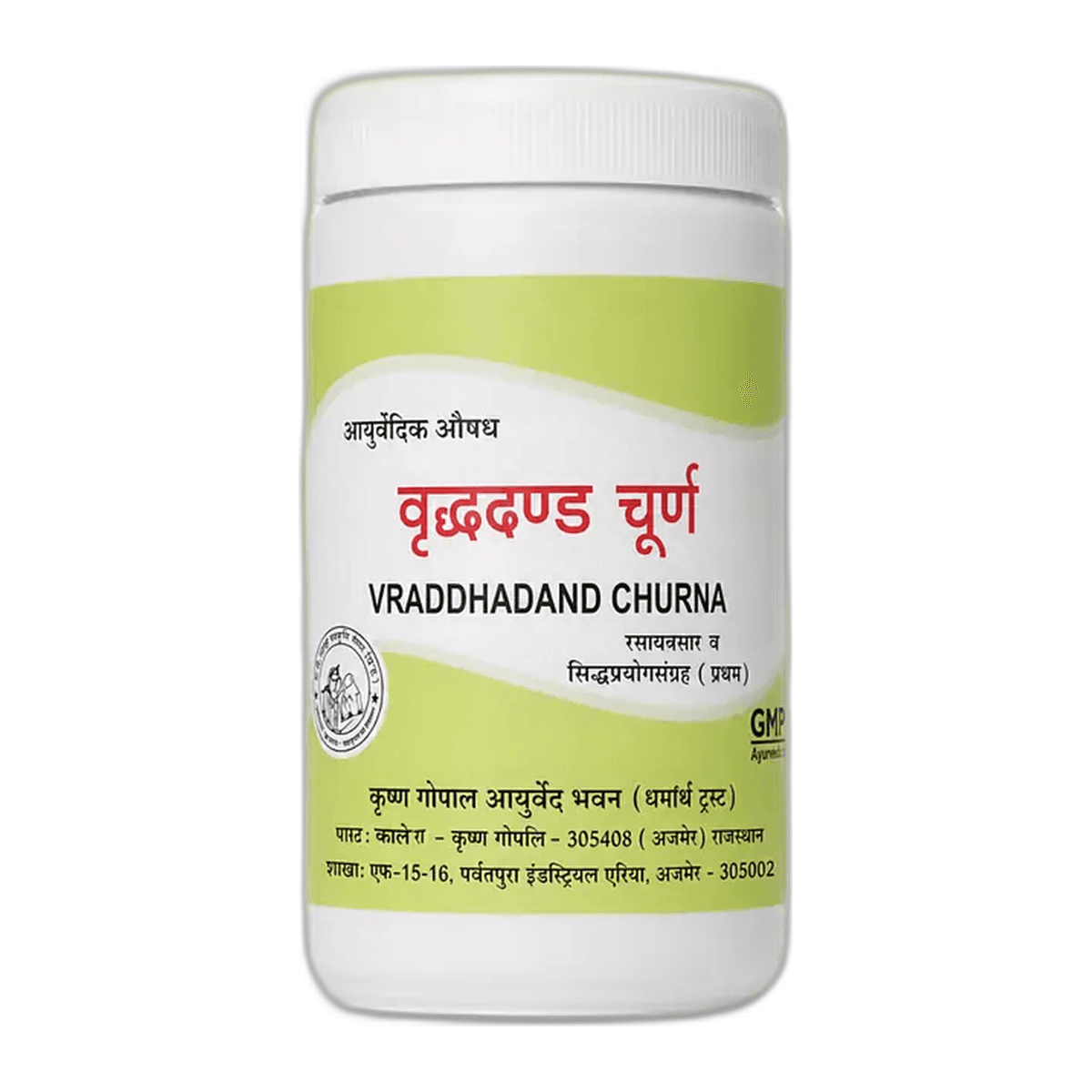 Prescribed to you4.7₹10 cashback
Vriddha-danda Churna (Kalera)KaleraDigestive & liver support
Container of 50 g
4.7
₹100Get ₹10 Cashback
₹11513% off