Coronary artery disease Symptoms and Causes
Reviewed by medical experts · For informational purposes only

Introductory summary
Coronary Artery Disease corresponds to Hridroga in Ayurveda specifically manifesting as Hritshula or Angina Pectoris. It arises from the vitiation of Rasavaha Srotas where Kapha causes blockage likened to plaque and Vata causes constriction and pain. Major causes include high fat diet suppression of natural urges and mental anxiety. Symptoms range from severe chest pain and palpitations to heaviness and breathlessness. Management focuses on strengthening the heart muscle using cardiotonic herbs like Arjuna and relieving pain with Pushkaramula. Specialized therapies such as Uro Vasti involving the retention of warm medicated oil on the chest are prescribed to nourish cardiac tissues. Formulations like Prabhakara Vati and Arjunarishta are commonly used while strong bio purification methods like Vamana are often contraindicated to avoid cardiac stress.
Coronary Artery Disease
Coronary Artery Disease (CAD) is a condition where the blood vessels supplying the heart are impeded, often leading to chest pain and heart attacks. In Ayurveda, heart diseases are collectively known as Hridroga. While Ayurveda does not use the term "coronary artery," it describes conditions involving obstruction, pain (Shula), and weakness of the heart (Hrid-daurbalya) that closely mirror CAD and Angina Pectoris.
1. Definition
Modern Definition: A disease in which there is a narrowing or blockage of the coronary arteries, usually caused by atherosclerosis (buildup of plaque), reducing blood flow to the heart muscle.
Ayurvedic Definition: Hridroga is a disease affecting the Hridaya (Heart), which is the root of the Rasavaha Srotas (nutrient transporting channels). It manifests when vitiated Doshas (bio-energies) disturb the heart's function, causing pain (Shula) and obstruction. Specifically, Hritshula is identified as a colic or intense pain in the cardiac region.
2. Etymology & Conceptual Meaning
- Hridroga: Derived from Hrid (Heart) and Roga (Disease).
- Hritshula: Hrid (Heart) + Shula (Pain/Colic), correlating to Angina Pectoris.
- Conceptual Interpretation: The heart is considered the seat of Ojas (vitality), the mind, and the root of the channels carrying Rasa (nutrient plasma). When these channels are blocked by Kapha (mucus/fat) or constricted by Vata (wind), the flow of life force is interrupted, leading to disease.
3. Causes (Nidana)
The causes of heart disease in Ayurveda are linked to diet, lifestyle, and psychological factors that vitiate the Rasavaha Srotas.
- Dietary Causes:
- Excessive intake of Guru (heavy), Snigdha (unctuous/oily), and Shita (cold) foods which overload the digestion.
- Consumption of hot, sharp, sour (Amla), and salty (Lavana) substances.
- Overeating or eating before the previous meal is digested (Adhyashana).
- Lifestyle Causes:
- Vegadharana: Suppression of natural urges, specifically the suppression of tears (Bashpa) and eructation/burping (Udgara), is explicitly stated to cause heart disorders and obstruction in the cardiac region.
- Excessive mental work or physical exertion.
- Sedentary habits leading to Medoroga (Obesity).
- Psychological Factors:
- Severe anxiety (Chinta), fear, and anger are major aggravating factors for the channels originating in the heart.
4. Journey of the Disease (Pathogenesis/Samprapti)
- Samprapti Ghataka (Components):
- Dosha: Tridosha (All three), but primarily Vata (Vyana Vayu - causing pain/constriction) and Kapha (Sadhaka - causing blockage/heaviness).
- Dushya (Tissues): Rasa (Plasma) and Rakta (Blood).
- Srotas (Channels): Rasavaha Srotas (Channels carrying nutrients) and Pranavaha Srotas (Respiratory channels).
- Adhisthana (Site): Hridaya (Heart).
- Pathogenesis:
- Due to improper diet (like heavy/oily food) and stress, the Agni (digestive fire) is weakened.
- This leads to the formation of Ama (metabolic toxins) and the vitiation of Rasa Dhatu.
- The vitiated Doshas enter the Rasavaha Srotas and lodge in the heart.
- Vata constricts the vessels (spasm), or Kapha blocks the path (plaque/heaviness), leading to obstruction of blood and nutrients to the heart muscle.
- This obstruction manifests as Hritshula (pain) and functional impairment.
5. Symptoms (Lakshana)
Symptoms vary based on the dominant Dosha:
- Vataja Hridroga: Severe pain (Toda), trembling, constriction, and a sensation of the heart being "churned" or bursting.
- Pittaja Hridroga: Burning sensation (Daha) in the chest, thirst, fainting (Murcha), sweating, and fatigue.
- Kaphaja Hridroga: Heaviness (Gaurava) in the chest, stiffness, excessive salivation, and numbness.
- Common Symptoms: Dyspnea (Shvasa), cough (Kasa), palpitations (Hrid-drava), and weakness (Daurbalya).
6. Classification (Bheda)
Ayurveda classifies Hridroga into five types:
- Vataja: Dominated by pain and constriction (Correlates with Angina/Ischemia).
- Pittaja: Dominated by burning and inflammation (Correlates with inflammatory heart conditions).
- Kaphaja: Dominated by heaviness and obstruction (Correlates with congestive/atherosclerotic conditions).
- Sannipataja: A combination of all three doshas.
- Krimija: Caused by parasites/microbes (Correlates with bacterial endocarditis or infectious heart disease).
7. Diagnosis
- Ayurvedic Diagnosis:
- Prashna (Questioning): Inquiry about the nature of pain (stabbing vs. burning vs. heavy) helps determine the Dosha.
- Observation: Checking for signs of Ojas depletion (weakness, anxiety) or Rakta vitiation (redness, burning).
- Pulse Examination (Nadi): Assessing the irregular or weak nature of the pulse.
- Differential Diagnosis:
- Distinguished from Gulma (Abdominal tumor), which can push upwards and cause cardiac pain but is primarily a gastrointestinal pathology.
- Distinguished from Shula (Colic) originating in the stomach or sides.
8. Disease Management
Management focuses on strengthening the heart (Hridya), clearing obstruction, and pacifying the specific Dosha.
Diet (Ahara)
- Pathya (Beneficial): Light foods, old rice, green gram (Mudga), and meat soups of wild animals (Jangala mamsa).
- Avoid: Heavy, oily, fermented foods, and excessive salt.
Medicines
- Arjuna (Terminalia arjuna): This is the single most important herb for heart disease. The bark powder boiled with milk (Kshirapaka) is stated to destroy heart disease and promote long life. It is classified as Hridya (Cardiotonic).
- Pushkaramula (Inula racemosa): Specifically indicated for Hritshula (Heart pain) and dyspnea.
- Dasamula: The "Ten Roots" formulation is used for Vata-type heart pain to relieve constriction.
- Medicinal Ghees (Ghrita):
- Arjuna Ghrita: Ghee processed with Arjuna bark.
- Baladya Ghrita: Used for heart diseases and bleeding disorders.
- Herbo-Mineral Formulations:
- Muktā Piṣṭī (Pearl Calcium): Indicated for heart disease (Hridroga) and loss of strength/immunity (Ojakshaya).
- Svarṇa Bhasma (Gold Ash): Used to strengthen the heart in cases of weakness (Hrid-daurbalya).
- Māṇikya Piṣṭī (Ruby): Specific for heart disease and mental weakness.
Panchakarma (Therapies)
- Virechana (Purgation): Beneficial in Pittaja Hridroga to remove heat and toxins.
- Basti (Enema): Anuvasana Basti (oil enema) with oils like Mahanarayana Taila is useful for Vata-type heart pain.
- Contraindications: Vamana (Therapeutic Vomiting) is generally contraindicated in heart disease patients as it puts stress on the heart, unless the patient is strong and suffering from Kapha congestion.
9. Prognosis
- Sadhya (Curable): Newly arisen heart disease caused by a single Dosha is often manageable.
- Kashtasadhya (Difficult): Sannipataja (mixed doshas) and Krimija types are difficult to treat.
- Fatal Signs: Severe pain extending to the cutting of vital parts (Marma), coupled with fainting or severe wasting, indicates a poor prognosis.
10. Modern Correlations
- Angina Pectoris: Strongly correlates with Vataja Hridroga and Hritshula (pain).
- Atherosclerosis: The blockage caused by Kapha (heavy/unctuous) correlates with plaque buildup.
- Bacterial Endocarditis: Correlates with Krimija Hridroga (heart disease caused by organisms).
- Heart Failure: Correlates with Hrid-daurbalya (weakness of the heart).
11. References
-
World Health Organization (WHO) – Cardiovascular Diseases
https://www.who.int/news-room/fact-sheets/detail/cardiovascular-diseases-(cvds)
-
National Heart, Lung, and Blood Institute (NHLBI – NIH) – Coronary Heart Disease
https://www.nhlbi.nih.gov/health/coronary-heart-disease
-
Mayo Clinic – Coronary Artery Disease
https://www.mayoclinic.org/diseases-conditions/coronary-artery-disease
-
MedlinePlus (U.S. National Library of Medicine) – Coronary Artery Disease
https://medlineplus.gov/coronaryarterydisease.html
-
National Health Portal of India – कोरोनरी धमनी रोग
https://www.nhp.gov.in/disease/cardiovascular/coronary-artery-disease
-
AIIMS – Hindi patient education on heart diseases
https://www.aiims.edu/en.html
12. FAQ Section
Q: Is Ghee good for heart patients in Ayurveda?
A: Yes, but it must be medicated. Ayurveda recommends specific ghees like Arjuna Ghrita or Baladya Ghrita for heart conditions. Plain ghee in excess may be heavy, but medicated ghee delivers herbs to the tissues.
Q: What is the best Ayurvedic herb for heart pain?
A: Pushkaramula is specifically praised for relieving Hritshula (heart pain/angina) and shortness of breath. Arjuna is the best general tonic for strengthening the heart muscle.
Q: Can stress cause heart disease according to Ayurveda?
A: Absolutely. Ayurveda explicitly states that Chinta (worry/anxiety) vitiates the Rasavaha Srotas (heart channels). Emotional disturbances like grief and anger are direct causes of heart ailments.
Q: Why does Ayurveda say "suppressing tears" harms the heart?
A: Suppression of natural urges (Vegadharana) disturbs the movement of Vata dosha. Suppressing tears (Bashpa) and burping (Udgara) creates pressure that backs up into the cardiac region, leading to obstruction and heart disorders.
Q: Is Gold (Swarna) used for heart disease?
A: Yes. Svarṇa Bhasma (calcined gold) is used in Ayurveda to treat Hrid-daurbalya (weakness of the heart) and to boost Ojas (vitality/immunity). It is considered a potent rejuvenator.
Consult a Doctor
- KC5.0Dr. Kamesh chand sharma
Ayurveda2 yrs exp
- PP4.4Dr prince patel
Ayurveda22 yrs exp
- KH4.4Dr Kowshalya H S
Ayurveda3 yrs exp
- AK4.8Dr. Amalnath K Viswanathan
Ayurveda4 yrs exp
More on Coronary artery disease Symptoms and Causes
Buy Medicine
 Prescribed to you4.3₹11 cashback
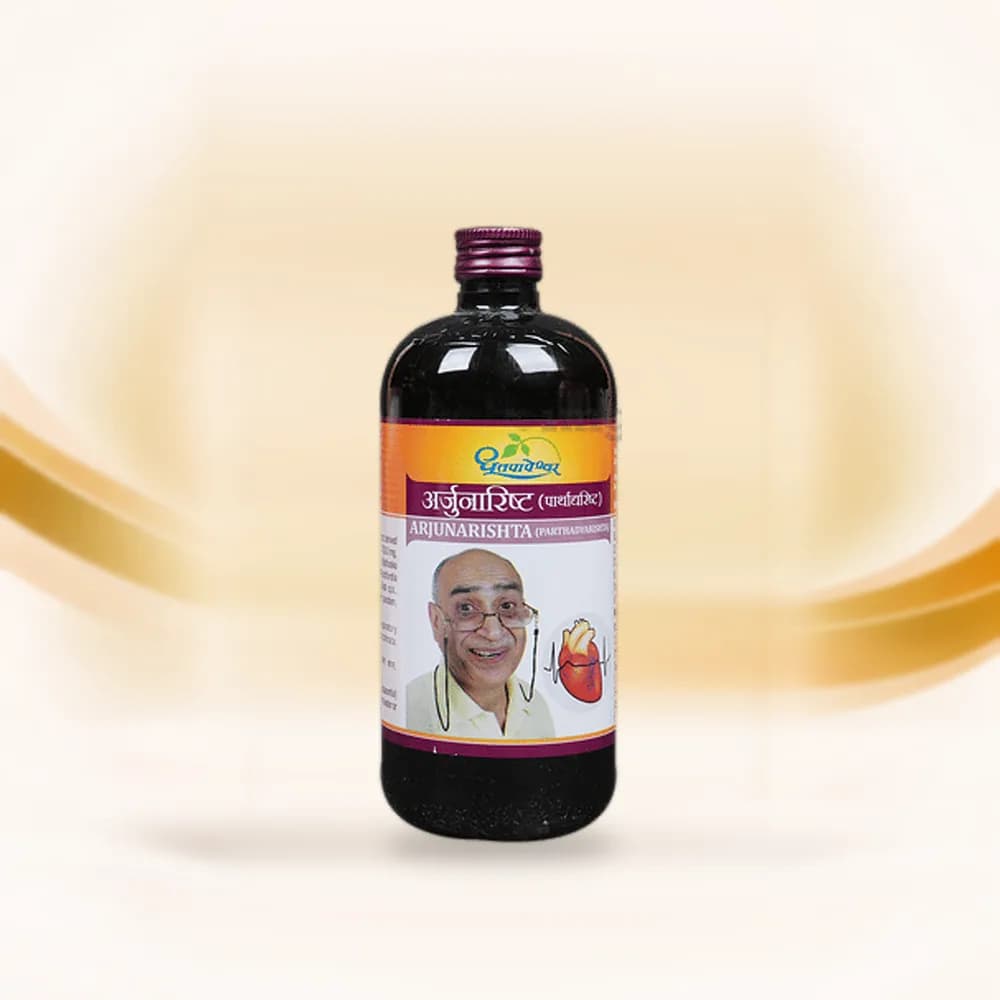
Arjunarishta (Dhootapapeshwar) SDL
Daily support for cardiovascular wellness
Bottle of 200 ml
4.3
₹115Get ₹11 Cashback
₹12911% off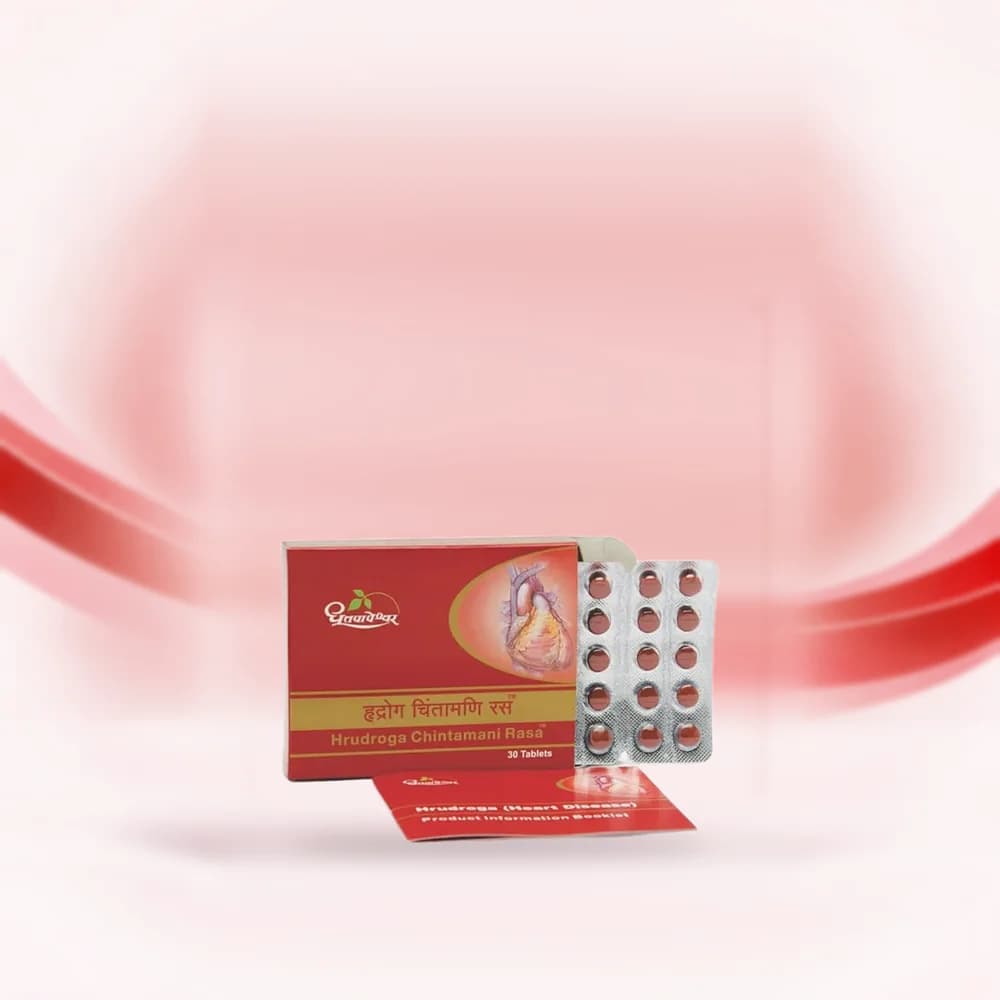 Prescribed to you4.6₹252 cashback
Hrudroga Chintamani Rasa (Dhootapapeshwar)SDLSupports heart health
Strip of 30 Tablets
4.6
₹2,525.03Get ₹252 Cashback
₹2,94114% off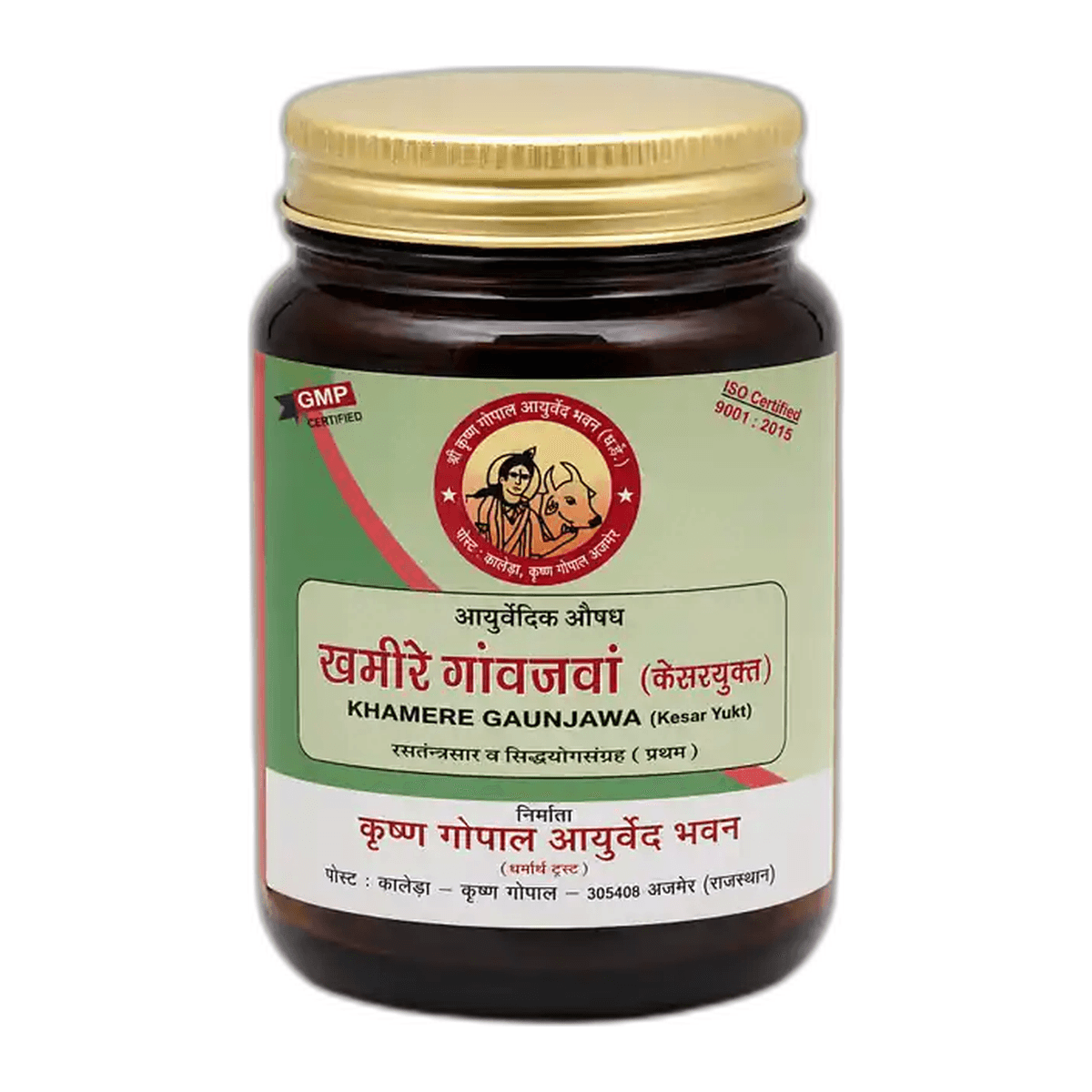 Prescribed to you4.5₹61 cashback
Khamira Gawzaban (Kesar-yukt) (Kalera) Kalera
Brain & heart tonic
80 g
4.5
₹610.01Get ₹61 Cashback
₹68511% off