

Cholesterol Home Remedies and the Ayurvedic View
Reviewed by medical experts · For informational purposes only
Introductory summary
Understand high cholesterol, the traditional Medo-dushti perspective, blood tests, heart-healthy habits, treatment options and the limits of herbal therapies.
1. Definition
High cholesterol means there is too much cholesterol, a fatty substance, in the blood. It usually causes no symptoms and is detected with a blood test. Raised cholesterol can increase the risk of heart disease and stroke.
Ayurvedic discussions sometimes compare abnormal lipid metabolism with Medo-dushti or Medovaha Srotodushti, concepts concerning fat tissue and its channels. This is an interpretive comparison, not an exact translation or a substitute for measuring blood lipids. A person can have high cholesterol without obesity.
2. Etymology & Conceptual Meaning
- Medas refers to fat tissue in the Ayurvedic framework.
- Dushti means disturbance or impairment.
- Medovaha Srotas refers to channels associated with fat tissue.
- Lekhana, often translated as scraping or reducing, is a traditional treatment concept. It does not mean a massage, herb or enema has been shown to remove plaque from arteries.
These terms help explain a traditional model. Cholesterol, LDL, HDL and triglycerides are measured using modern laboratory methods.
3. Causes (Nidana)
Ayurvedic accounts of excess Medas discuss heavy food, low physical activity and day sleep. These accounts should not be treated as a complete explanation for every abnormal lipid report.
Modern risk factors include a diet high in saturated fat, insufficient exercise, smoking, excess alcohol, some health conditions and inherited conditions. Family history matters. A young, active or slim person can also have high cholesterol.
A clinician should consider secondary causes, including thyroid disease, diabetes and medicines, when appropriate. Do not assume an abnormal report is simply the result of poor habits.
4. Journey of the Disease (Pathogenesis / Samprapti)
In a traditional account, impaired Agni, Ama, Kapha and Medas are used to describe disturbed metabolism and channel function. This is not a proven biochemical account of how cholesterol or arterial plaque forms.
In modern medicine, cholesterol travels in blood within lipoproteins. An unfavourable lipid pattern can contribute to fatty deposits in arteries over time. The risk depends on the full picture, including blood pressure, smoking, diabetes, family history and existing cardiovascular disease.
Samprapti Ghataka: a traditional interpretive framework
| Component | Traditional interpretation, not a laboratory diagnosis |
|---|---|
| Dosha | Kapha and Medas are often emphasised; assessment varies |
| Dushya | Medas, with Rasa and Rakta discussed in some interpretations |
| Srotas | Medovaha Srotas; other channels may be considered |
| Srotodushti | Sanga, or obstruction, is a traditional explanatory concept |
| Agni | Impaired digestive or tissue metabolism in the Ayurvedic model |
| Ama | A traditional concept of incomplete processing, not cholesterol itself |
| Adhisthana | Fat tissue and its channels in the traditional model |
| Roga Marga | Depends on the practitioner's assessment and associated disease |
These are not validated categories for deciding whether a person needs a statin.
5. Symptoms (Lakshana)
High cholesterol usually has no symptoms. Feeling well, being thin or having no chest pain does not rule it out. A blood test is needed.
Heaviness, sweating, weight gain or tiredness may be discussed in traditional accounts of Medoroga, but none reliably diagnoses high cholesterol. Breathlessness or chest pain should not be dismissed as a Kapha or Medas problem. Sudden chest pain, stroke signs or severe breathing difficulty need emergency care.
6. Different Types or Classification (Bheda)
Modern assessment distinguishes patterns such as raised LDL cholesterol, raised triglycerides and mixed dyslipidaemia. Inherited high cholesterol is particularly important because it can begin early in life.
Ayurvedic practitioners may describe Kapha, Vata-Kapha or Pitta-Kapha patterns based on associated symptoms. These are traditional assessments, not recognised replacements for lipid measurements. High cholesterol does not necessarily progress from a blood abnormality to obesity; the two can occur independently.
7. Diagnosis
Roga-Rogi Pariksha
An Ayurvedic consultation may review food, activity, sleep, digestion, medical history and the person's overall health. Tongue or pulse assessment cannot establish an LDL level or exclude cardiovascular risk.
Modern assessment and differential diagnosis
A lipid profile measures cholesterol and triglycerides. Follow the clinician's instructions about whether fasting is needed. Review family history, medicines, smoking, blood pressure and conditions such as diabetes. Additional tests depend on the individual.
The clinician may investigate inherited disorders and secondary causes. Treatment decisions use overall cardiovascular risk, not one symptom or a traditional constitution alone.
8. Disease Management
Food (Ahara)
Build meals around vegetables, fruit, whole grains, beans, nuts and seeds. Replace some saturated fats with unsaturated fats. Limit butter, ghee, cream, fatty meat, pastries and other foods high in saturated fat. Check labels.
Barley and moong can fit into a balanced diet, but no single food is a cure. Honey water has not been established as a cholesterol treatment; honey still adds sugar. A blanket ban on all curd or a prescription to drink honey is not necessary for everyone. Choose foods with a clinician or dietitian, considering diabetes, allergies and other needs.
Lifestyle (Vihara)
The NHS advice on lowering cholesterol recommends at least 150 minutes of moderate activity or 75 minutes of vigorous activity weekly. Start at a safe level and build gradually. Stop smoking and discuss alcohol use with your clinician.
Medicines and traditional formulations
Some people need cholesterol-lowering medicine as well as lifestyle changes. Do not delay or stop a prescribed statin because you feel well or want to try herbs.
Guggulu formulations, Triphala and other herbs are used in Ayurvedic practice. Their traditional use does not establish that they prevent heart attacks or reliably lower LDL. NCCIH's cholesterol review finds no clear evidence for the cholesterol-lowering effects of guggulipid. Herbal products can cause side effects and interact with medicines. Discuss the exact product and ingredients with your clinician and qualified Ayurvedic practitioner.
Panchakarma and external therapies
Udwarthanam, Basti and Virechana are traditional procedures. Do not describe them as proven ways to clear arterial plaque or remove cholesterol through the colon. There is insufficient evidence to recommend them instead of established cholesterol care. Purgation or enemas can cause harm, including fluid and electrolyte problems, and should not be attempted at home.
9. Prognosis (Expected Course and Outcome)
Cholesterol can often be improved with suitable care, but response varies. Inherited conditions and high cardiovascular risk may need long-term medicine. There is no reliable promise that barley, honey water or Guggulu will correct a report in three or six months.
A clinician should set the treatment target and timing of repeat tests. A better lipid report is useful, but the larger aim is reducing cardiovascular risk over time.
10. Modern Correlations
Both approaches can encourage attention to food, activity and overall health. The important difference is that cholesterol diagnosis and treatment benefits are assessed with blood tests and cardiovascular outcomes.
Medo-dushti is not identical to dyslipidaemia, and Ama is not identical to LDL or arterial plaque. Traditional terms should be presented as a separate framework, with its limits stated. Ayurvedic care must not replace necessary cardiovascular assessment or prescribed treatment.
11. References
Traditional background
The Ayurveda notebook draws on discussions of Medas, Atisthaulya and Medovaha Srotas in Charaka Samhita, Sushruta Samhita and Ashtanga Hridaya. These are background for traditional concepts, not clinical proof of a cholesterol-lowering effect. Exact verse citations and formulation indications should be checked by a qualified Ayurvedic editor before being quoted as direct text.
Modern clinical information
- NHS: High cholesterol
- NHS: How to lower cholesterol
- NCCIH: Cholesterol management at a glance
- NCCIH: Ayurvedic medicine and safety
Government and institutional resources
The institutional links are general resources, not endorsements of the treatment claims in this article.
12. FAQ Section
Can I have high cholesterol while feeling healthy?
Yes. It usually causes no symptoms. A blood test is needed.
Can I avoid statins by taking Guggulu?
Do not replace a prescribed statin with Guggulu. Its cholesterol-lowering benefit is uncertain. Your treatment depends on the lipid report and overall cardiovascular risk.
Does honey water clear fat from arteries?
This has not been established. Honey adds sugar and is not a substitute for treatment.
Is ghee unrestricted because it is Ayurvedic?
No. Ghee contains saturated fat. The amount should fit your cholesterol-management plan.
When should I repeat my blood test?
Follow the clinician's plan, especially after changing medicine or starting treatment. There is no single timetable that suits everyone.
Related reading
Explore obesity, diabetes and constipation.
Medical disclaimer: This article is for education, not an individual diagnosis or prescription. Discuss all medicines and supplements with a qualified clinician. Seek emergency help for symptoms of a heart attack or stroke.
Consult a Doctor
- KC5.0Dr. Kamesh chand sharma
Ayurveda2 yrs exp
- PP4.4Dr prince patel
Ayurveda22 yrs exp
- AK4.8Dr. Amalnath K Viswanathan
Ayurveda4 yrs exp
- PJ5.0Dr. P. JOTEENDRA
Ayurveda2 yrs exp
Buy Medicine
 Prescribed to you4.3₹6 cashback
Medohar Guggul (Kalera) Kalera
Daily support for weight management
Strip of 30 Tablets
4.3
₹66Get ₹6 Cashback
₹7613% off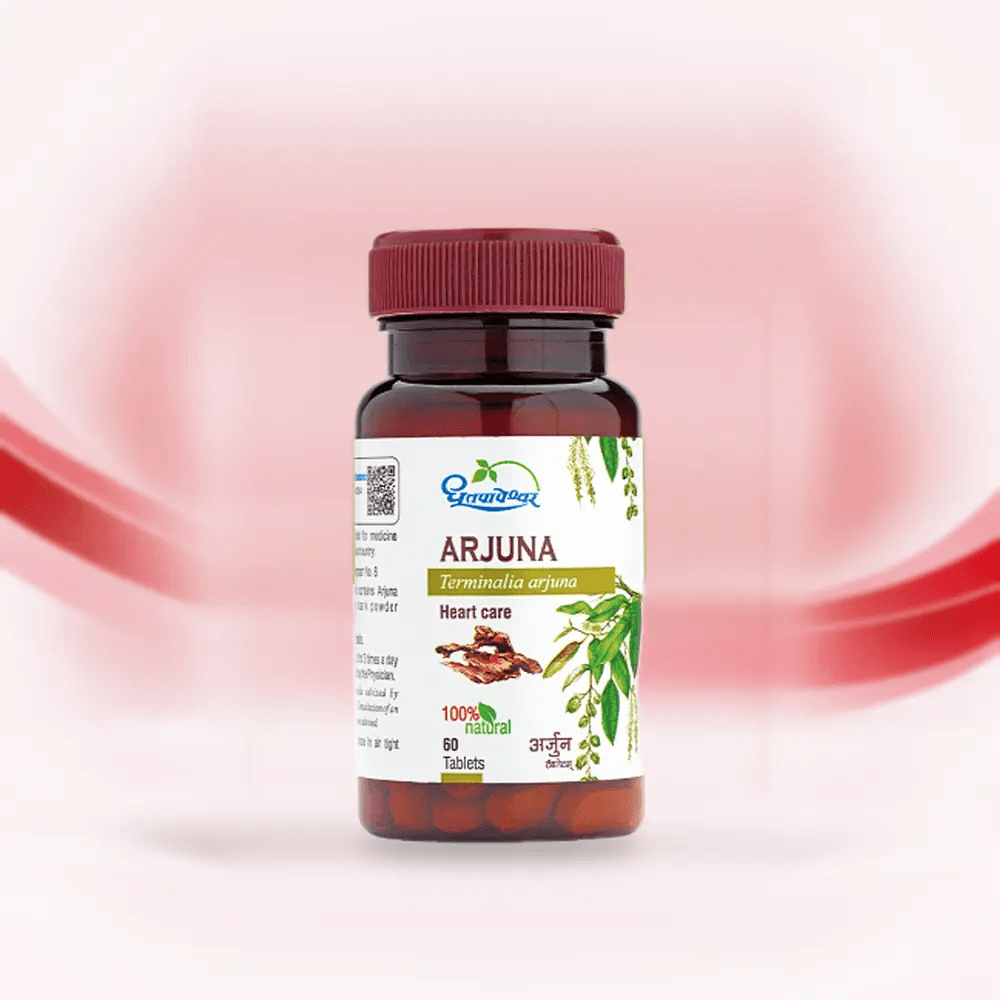 Prescribed to you4.4₹12 cashback
Arjuna (Dhootapapeshwar) SDL
Daily support for heart wellness
Strip of 60 Tablets
4.4
₹120Get ₹12 Cashback
₹14014% off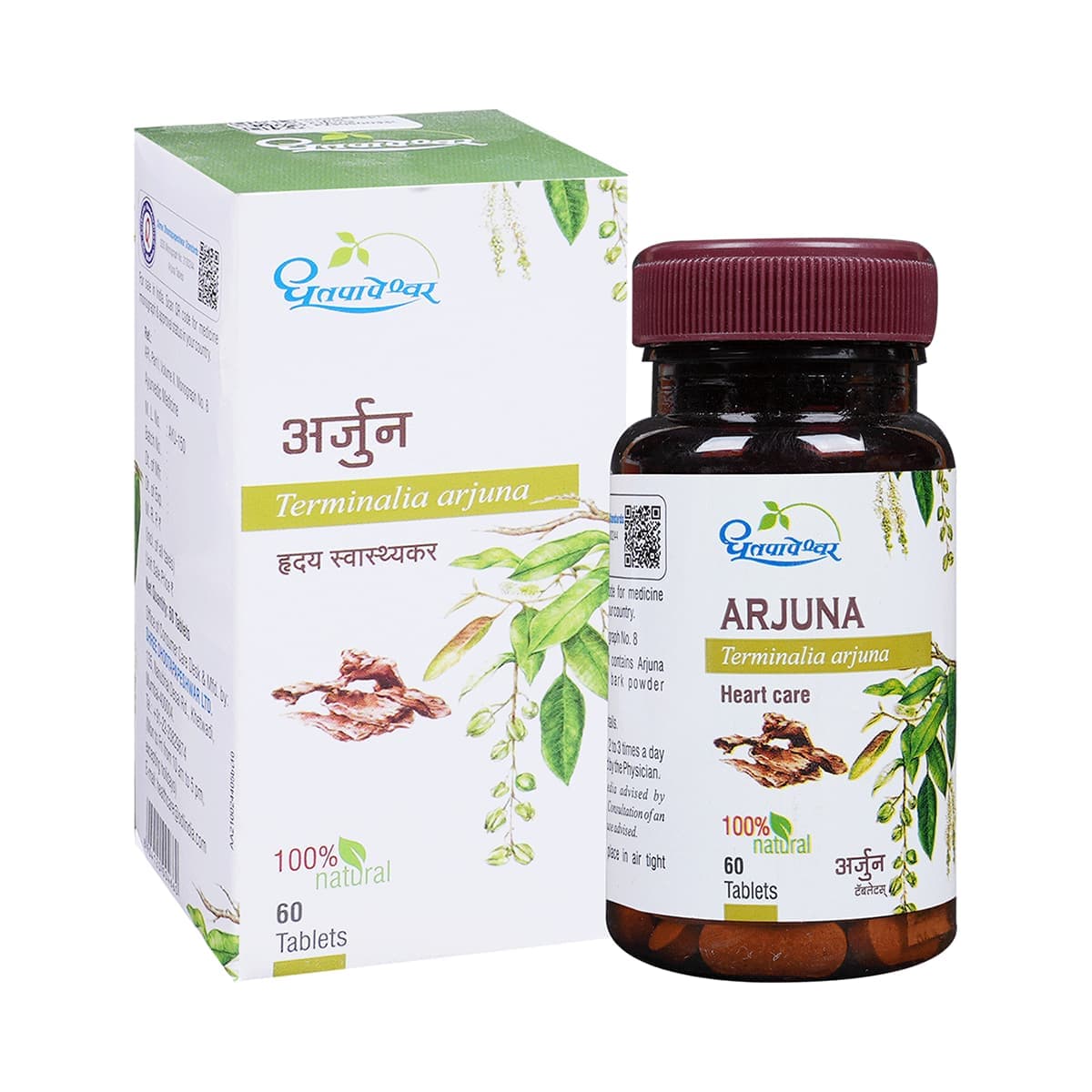 Prescribed to you4.5₹12 cashback
Arjuna Tablets (Dhootapapeshwar)SDLDaily support for heart wellness
Strip of 60 Tablets
4.5
₹120Get ₹12 Cashback
₹13813% off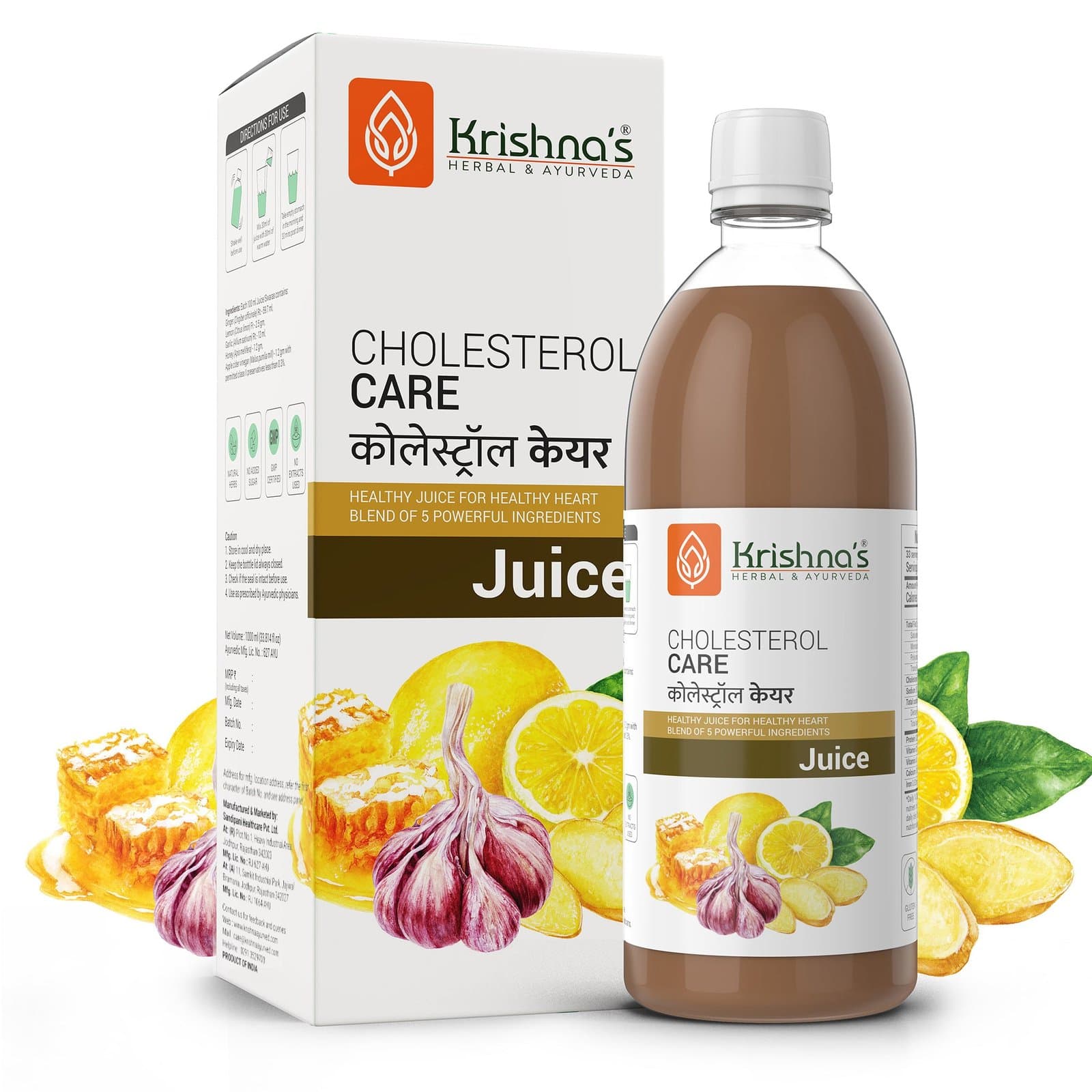 Prescribed to you5.0₹60 cashback
Cholesterol Care Juice Krishna's Ayurveda
Supports cholesterol wellness
Bottle of 1000 ml
5.0
₹600.01Get ₹60 Cashback
₹68312% off
