Constipation Home Remedies and the Ayurvedic View
Reviewed by medical experts · For informational purposes only
Introductory summary
Constipation explained the Ayurvedic way: why the bowel becomes dry and slow, its causes, and how diet, daily routine, Triphala and Basti restore easy, regular motion.
Constipation explained the Ayurvedic way: why the bowel becomes dry and slow, which habits cause it, and how diet, daily routine, classical medicines like Triphala and Abhayarishta, and therapies like Basti restore easy, regular motion.
Constipation, called Vibandha or Malabandha in Ayurveda, means difficulty in passing stool: the motion is hard, dry, incomplete, or comes after many days. Ayurveda sees it mainly as a disturbance of Apana Vayu - the energy that moves waste down and out of the body. When dry food, suppression of natural urges, late nights, stress and a sedentary routine aggravate Vata in the large intestine (Pakvashaya), it absorbs the moisture from the stool and the bowel becomes sluggish. Classical texts describe matching conditions such as Purishaja Anaha, Purishaja Udavarta and Pakvashayagata Vata. Common signs are hard or pellet-like stool, straining, gas, bloating and a heavy abdomen. Treatment is simple and works on the root: warm and moist food, ghee, regular toilet habits, exercise, and time-tested medicines like Haritaki, Triphala, Gandharva Haritaki, Abhayarishta and castor oil, with Basti therapy for stubborn cases. With regular routine correction, most people get permanent relief.
Constipation
Constipation is a condition in which passing stool becomes infrequent, difficult or incomplete. Medically, fewer than three bowel movements a week, hard or lumpy stool, and straining are the usual signs. Ayurveda looks at it not just as a bowel problem but as the result of disturbed Vata and weak digestion, so treatment corrects food, routine and the downward movement of Apana Vayu together.
1. Definition
- Modern Definition: Constipation is infrequent bowel movements (usually fewer than three per week) with hard, dry or lumpy stools, straining, or a feeling of incomplete evacuation. When it lasts for more than three months it is called chronic constipation.
- Ayurvedic Definition: Constipation matches Vibandha (Ashtanga Hridaya Sutra Sthana 8 and 11; Charaka Samhita Sutra Sthana 20) - obstruction or holding back of normal fecal evacuation resulting in hard stool and painful or incomplete voiding. Related classical conditions are Purishaja Anaha (abdominal distension from retained stool, Madhava Nidana), Purishaja Udavarta (upward movement of Vata from suppressing the stool urge, Charaka Samhita Sutra Sthana 19) and Pakvashayagata Vata (vitiated Vata lodged in the large intestine, Charaka Samhita Chikitsa Sthana 28).
2. Etymology & Conceptual Meaning
- Literal Meaning: "Vibandha" comes from the Sanskrit root "bandh" - to bind or obstruct. It literally means the binding or holding back of the bowel. Other classical names are Malabandha (retention of waste), Baddhaguda (blocked rectum) and Koshthabaddhata (bound abdomen).
- Conceptual Interpretation: Ayurveda explains constipation through the movement of Apana Vayu. Its natural direction is downward (Anulomana-gati), which drives stool and urine out on time. When dry (Ruksha) and rough (Khara) qualities increase in the colon, Apana Vayu loses this downward flow and becomes stagnant or moves upward (Vimargaga). The Ashtanga Hridaya (Sutra Sthana 4/5) warns that suppressing the urge to pass stool causes calf cramps, headache, upward-moving gas, cutting anal pain and, in severe cases, even fecal vomiting - which is why the first rule of gut health is to never suppress natural urges.
3. Causes (Nidana)
- Dietary Causes (Aharaja Nidana):
- Excess of dry, rough and desiccated food (Ruksha, Sushka Ahara) - dry cereals, baked snacks and food without enough ghee or oil.
- Too much astringent, bitter and pungent taste (Kashaya, Katu, Tikta), which dries up body fluids and constricts the channels.
- Eating very little (Alpashana), lack of fiber and fluid, and irregular meal times.
- Eating before the previous meal is digested (Adhyashana), which creates Ama and slows bowel transit.
- Lifestyle Causes (Viharaja Nidana):
- Suppressing the urge to pass stool (Purisha Vega-dharana) - the single most important cause; it forces Vata upward.
- Staying awake late at night (Ratri-jagarana), which increases dryness and aggravates Vata.
- A completely sedentary routine, or the opposite extreme - excessive exertion, long walking and over-exercise that dehydrate the tissues.
- Psychological Factors (Manasika Nidana):
- Anxiety, grief, fear and anger (Chinta, Shoka, Bhaya, Krodha) disturb Prana and Samana Vayu, weaken digestive fire and arrest bowel movement.
4. Journey of the Disease (Pathogenesis / Samprapti)
How constipation develops:
- Dry food, urge suppression, late nights and stress aggravate Vata, especially Apana Vayu in the large intestine.
- Vitiated Apana Vayu loses its natural downward movement and becomes stagnant.
- The dry and rough qualities of Vata absorb the moisture (Kleda) from the waste mass in the colon.
- The stool becomes dry, hard and impacted, blocking the Purishavaha Srotas and producing Vibandha, gas and distension.
- Samprapti Ghataka (Components):
- Dosha: Vata-pradhana - aggravated Apana Vayu, supported by disturbed Samana Vayu.
- Dushya: Purisha (fecal waste) and Rasa Dhatu (body fluid balance).
- Srotas: Purishavaha Srotas and Annavaha Srotas, with Sanga (obstruction) and Vimargagamana (reverse movement) as the type of damage.
- Agni: Vishamagni (irregular fire) or Mandagni (weak fire).
- Ama: Nirama in pure dry-Vata constipation; Sama when indigestion (Vistabdhajirna) is present.
- Adhisthana: Pakvashaya (large intestine) and Guda (rectum).
5. Symptoms (Lakshana)
- Early Symptoms:
- Delayed, incomplete or difficult evacuation (Vit-sanga).
- Abdominal fullness, gurgling and mild distension (Adhmana, Atopa).
- Heaviness in the lower abdomen (Koshtha-gaurava).
- Advanced Symptoms:
- Hard, pellet-like stool passed with straining or pain.
- Excessive gas, upward-moving flatus and cutting anal pain.
- Headache, loss of appetite and coated tongue from accumulated waste.
- Long-standing constipation can lead to piles, anal fissure and persistent indigestion.
6. Different Types or Classification (Bheda)
Constipation is a symptom as well as a condition, so the classical texts classify it by the Dosha pattern and bowel nature:
- Vataja Type (Dry type):
- The most common. Hard, dry, pellet-like stool, gas, distension, irregular appetite and anxiety. Worse with cold, dry food and travel.
- Vata-Pittaja Type:
- Constipation alternating with loose motions, burning sensation, sour belching and irritability.
- Sama (Ama-associated) Type:
- Constipation with heaviness, coated tongue, nausea and sticky stool - seen after overeating or weak digestion, as in Vistabdhajirna.
By bowel nature (Koshtha), physicians also note Krura Koshtha (hard bowel - Vata dominant, needs stronger treatment), Madhyama Koshtha (medium - Kapha dominant) and Mridu Koshtha (soft bowel - Pitta dominant, evacuates easily even with milk or jaggery).
7. Diagnosis
- Ayurvedic Diagnosis (Roga-Rogi Pariksha):
- Prashna (questioning): bowel habit, urge suppression, food, water intake, sleep and stress.
- Nadi Pariksha and Ashtavidha Pariksha: state of Vata, Agni and Ama; nature of the Koshtha (hard, medium or soft bowel).
- Modern Diagnosis:
- Mostly clinical history: stool frequency, form (Bristol stool chart), straining and diet pattern.
- Blood tests (thyroid, sugar, calcium) and sometimes colonoscopy to rule out other causes when constipation is new, severe, or comes with weight loss or bleeding.
- Differential Diagnosis (brief):
- Constipation can also come from hypothyroidism, diabetes, irritable bowel syndrome, medicines (iron, painkillers) or low thyroid - these should be ruled out when the problem is persistent.
8. Disease Management
Treatment aims to pacify Vata, restore the downward movement of Apana Vayu, lubricate the dry intestine and kindle Agni. The first medicine is habit correction: fixed toilet time, never suppressing the urge, warm food and enough water.
Diet (Ahara)
- Pathya (Beneficial):
- Old wheat (Godhuma), red rice (Rakta Sali) and thin rice gruel (Peya), which moves Vata downward and softens the channels.
- Raisins (Draksha) - a natural mild laxative - along with ripe banana, figs, prunes, dates, papaya and oranges.
- Garlic (Lasuna), drumstick (Sigru), pointed gourd (Patola) and bitter gourd (Karavella).
- Dry ginger (Sunthi), cumin (Jiraka) and black salt (Vida Lavana), which push Kapha-Vata downward.
- Cow's ghee in food, warm water (Ushnodaka) through the day, fresh buttermilk (Takra) and castor oil (Erand Taila) when advised.
- Apathya (Avoid):
- Dry and rough foods - excess barley (Yava), dry snacks, bakery items and oil-cake preparations (Pinyaka).
- Too much tea, coffee, cheese, chocolate and refined flour (maida) products.
- Cold drinks, refrigerated food and heavy fried items.
- Eating again before the earlier meal is digested.
Lifestyle (Vihara)
- Fixed morning toilet routine; sit calmly and never suppress or force the urge.
- Moderate daily exercise (Vyayama) such as brisk walking for 30 minutes - it stimulates intestinal movement. Avoid both a fully sedentary life and over-exertion.
- Yoga postures helpful for the bowel: Pawanmuktasana, Malasana (squat pose), Vajrasana after meals, Trikonasana and Surya Namaskar; Pranayama such as Anulom-Vilom for stress.
- Oil massage (Abhyanga) with sesame oil and warm sitz bath (Avagaha Sveda) relax the pelvic region.
- Sleep on time - avoid staying awake late at night.
Medicines
Classical formulations used for constipation, chosen by the physician according to severity:
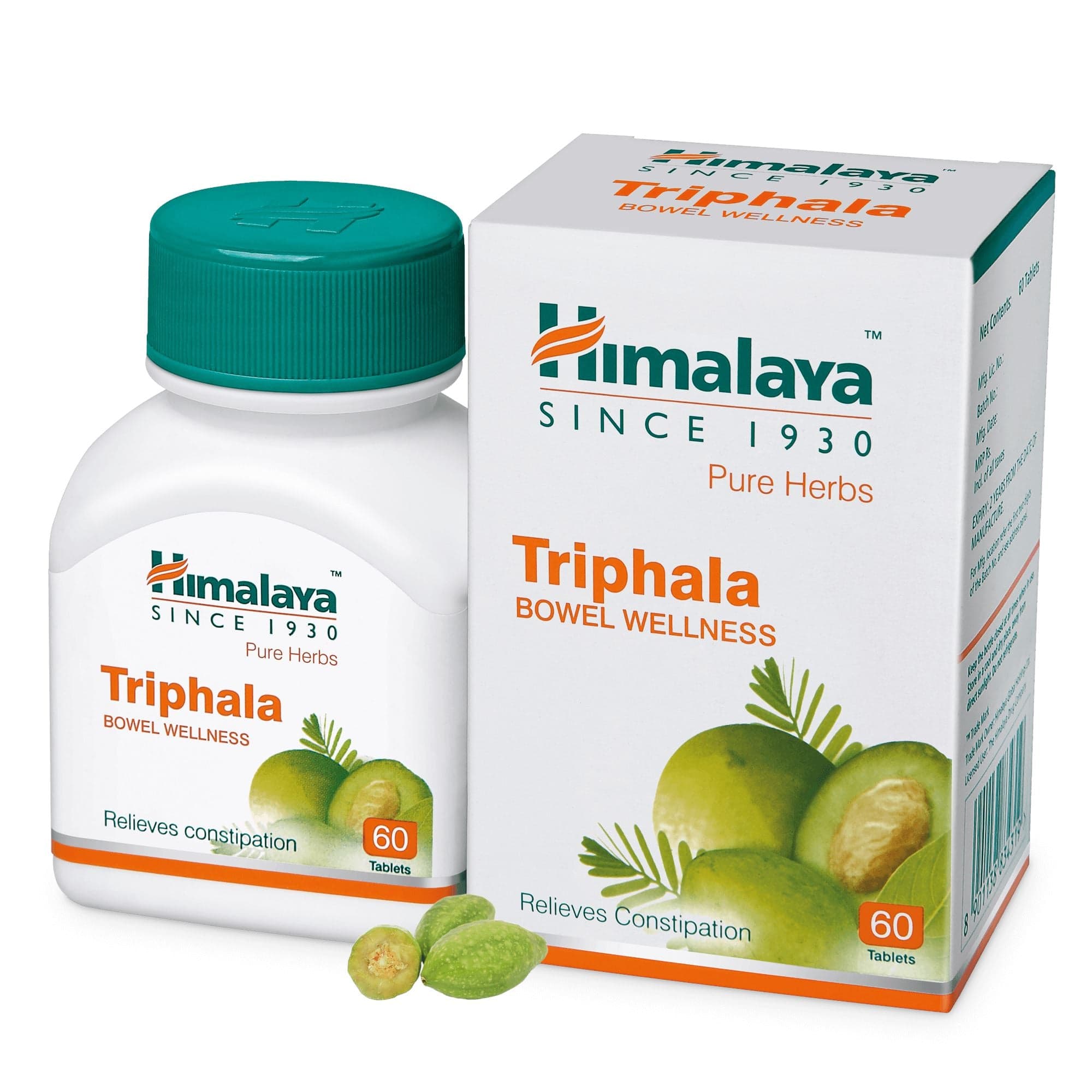
- Haritaki / Triphala Churna: the premier mild laxative (Anulomana) for habitual constipation, gas and distension; taken at night with warm water.
- Isabgol (psyllium husk): bulk-forming, softens the stool; taken with adequate water.
- Gandharva Haritaki: Haritaki processed with castor, for Vata-type constipation with pain and swelling.
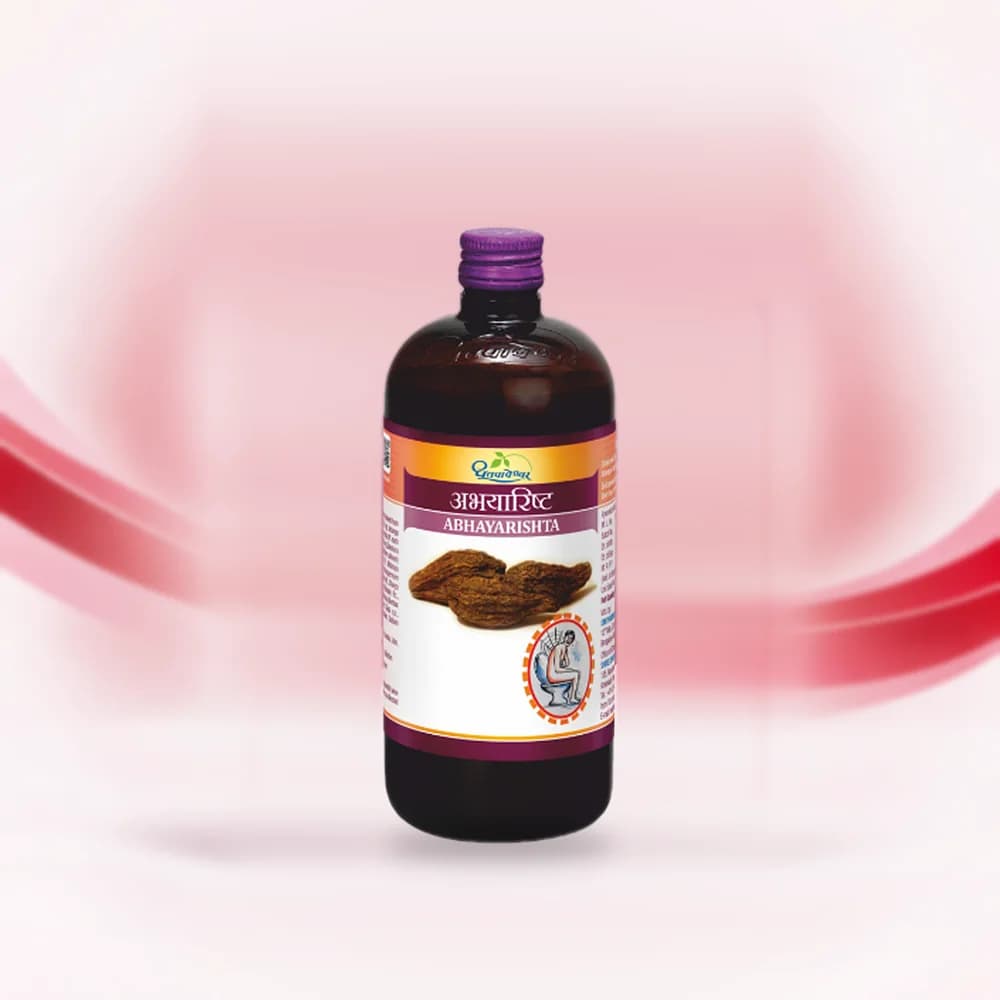
- Abhayarishta: fermented preparation for chronic constipation, piles and poor appetite.
- Kumariasava: aloe-based tonic for constipation with abdominal and digestive complaints.
- Dantyarishta and Agastya Haritaki Avaleha: for obstinate, long-standing constipation.
- Sukumara Ghrita and castor oil: unctuous purgatives for severe dryness and hard stool (Krura Koshtha).
- Trivrit Avaleha / Churna and Ichhabhedi Rasa: stronger purgatives reserved for severe cases, taken only under medical supervision.
These medicines should be taken only in the dose advised by a qualified Ayurvedic physician - strong purgatives are not for daily self-use. You can consult verified Ayurvedic doctors on the Sanatan Ayurveda app (consult a doctor) for a personalised prescription.
Panchakarma (Therapies)
- Basti (medicated enema): the prime treatment for Vata disorders and stubborn constipation. Decoction enemas such as Erandamuladi Basti and oil enemas (Anuvasana Basti) directly lubricate and pacify Vata in its main seat, the colon.
- Virechana (therapeutic purgation): for constipation with Pitta involvement or when a full cleansing of the bowel is needed, done under expert care.
- Phala Varti (medicated rectal suppository): a classical quick measure for acute retention of stool and gas.
9. Prognosis (Expected course and outcome)
- Sukha-Sadhya (easily curable): recent constipation in young people with good digestion, mainly from wrong food and routine - corrects within days to weeks of habit change.
- Krichrasadhya (difficult): long-standing constipation with hard bowel (Krura Koshtha), weak Agni and dependence on laxatives - needs prolonged treatment and Panchakarma.
- Yapya (manageable): constipation linked to other chronic conditions, controlled with continuous diet, routine and medicine support.
- If neglected, chronic constipation can lead to piles, fissure, rectal prolapse and toxin accumulation. Persistent constipation with weight loss or blood in stool needs medical evaluation without delay.
10. Modern Correlations
- Similarities:
- Functional constipation and chronic idiopathic constipation match Vibandha; irritable bowel syndrome with constipation (IBS-C) partially matches the Vata-Pitta pattern. Modern guidance on fiber, water, exercise and toilet routine closely mirrors the Ayurvedic Ahara-Vihara approach - see the NIDDK overview of constipation and the NHS constipation guidance.
- Differences:
- Modern medicine focuses on fiber, stool softeners and motility; Ayurveda treats the dryness of Vata, the state of Agni and the habit of urge suppression behind the symptom.
- Limitations of correlation:
- Vibandha is a symptom-based classical description, so the match is a close correlation rather than an exact one-to-one identity. Red-flag signs (blood in stool, weight loss, anemia, sudden change after 40) need modern evaluation.
11. References
- Classical texts:
- Ashtanga Hridaya, Sutra Sthana 4, 8, 11 and 12 - Vega-dharana, Vibandha and Pakvashayagata Vata.
- Charaka Samhita, Sutra Sthana 19 and 20; Chikitsa Sthana 26 and 28 - Udavarta, Vata disorders and Pakvashaya.
- Madhava Nidana - Anaha Nidana (Purishaja Anaha).
- The Ayurvedic Pharmacopoeia of India - formulations such as Triphala Churna, Abhayarishta, Dantyarishta, Kumariasava, Sukumara Ghrita, Trivrit Avaleha.
- Modern research:
- National Institute of Diabetes and Digestive and Kidney Diseases (NIDDK) - Constipation
- NHS (UK) - Constipation
- Government / institutional sources:
- Ministry of AYUSH, Government of India
- Central Council for Research in Ayurvedic Sciences (CCRAS)
12. FAQ Section
Q: Is it normal to pass stool once in two days?
A: A healthy pattern is one to two easy motions a day, usually in the morning. Skipping a day occasionally is fine, but if hard stool, straining or a two-day gap becomes regular, your Vata and routine need correction.
Q: What is the fastest home remedy for constipation?
A: Soaked raisins or figs overnight eaten in the morning, a glass of warm water on waking, 1 to 2 teaspoons of ghee in warm milk at bedtime, and Triphala churna at night with warm water. Fix the morning toilet habit alongside - remedies work best with routine.
Q: Is Triphala safe for daily use?
A: Triphala is a mild, balanced formulation and is commonly used at night for regular motion. Long-term daily use should still be guided by a physician, especially in pregnancy, in the elderly and in children.
Q: Can constipation cause piles?
A: Yes. Repeated straining and hard stool increase pressure on the rectal veins and are a leading cause of piles and fissures. Softening the stool and fixing the routine prevents both.
Q: Which foods should I avoid in constipation?
A: Cut down dry and baked snacks, maida products, cheese, excess tea and coffee, cold drinks and fried food. Prefer warm, freshly cooked meals with ghee, fruits like papaya and raisins, vegetables and enough water.
Q: Does drinking more water alone cure constipation?
A: Water helps, but Ayurveda treats the cause: dryness of Vata, weak Agni and suppressed urges. Warm water, ghee, fiber-rich food, exercise and fixed toilet timing together give lasting relief.
Q: When is Basti needed for constipation?
A: When constipation is long-standing, hard-stooled and not relieved by diet and oral medicines, a course of medicated enema (Basti) under an Ayurvedic physician gives deep Vata correction. It is a clinic procedure, not a home remedy.
Medical disclaimer
This content is for education and does not replace a consultation. Ayurvedic treatment should be taken under the guidance of a qualified practitioner. In an emergency, contact local emergency services.
Related reading on Sanatan Ayurveda: Disease A-Z library · Piles · Indigestion · Acidity · Consult a doctor
Consult a Doctor
- KC5.0Dr. Kamesh chand sharma
Ayurveda2 yrs exp
- PP4.4Dr prince patel
Ayurveda22 yrs exp
- AK4.8Dr. Amalnath K Viswanathan
Ayurveda4 yrs exp
- NG5.0Dr Nandini gaur
Ayurveda1 yrs exp
Buy Medicine
 Prescribed to you4.6₹12 cashback
Abhayarishta (Dhootapapeshwar) SDL
Supports bowel regularity and digestion
Bottle of 200 ml
4.6
₹120Get ₹12 Cashback
₹13914% off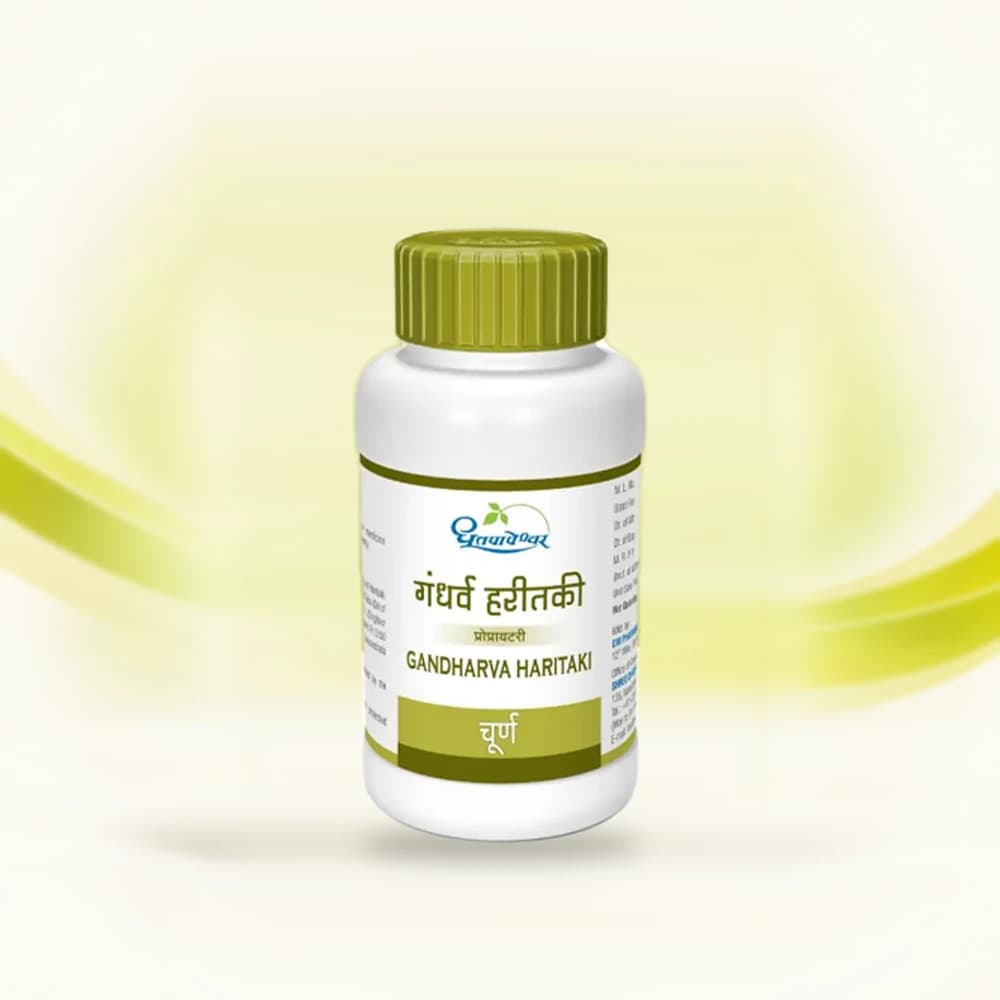 Prescribed to you4.5₹11 cashback
Gandharva Haritaki (Dhootapapeshwar)SDLSupports bowel regularity
Container of 60 g
4.5
₹114Get ₹11 Cashback
₹12912% off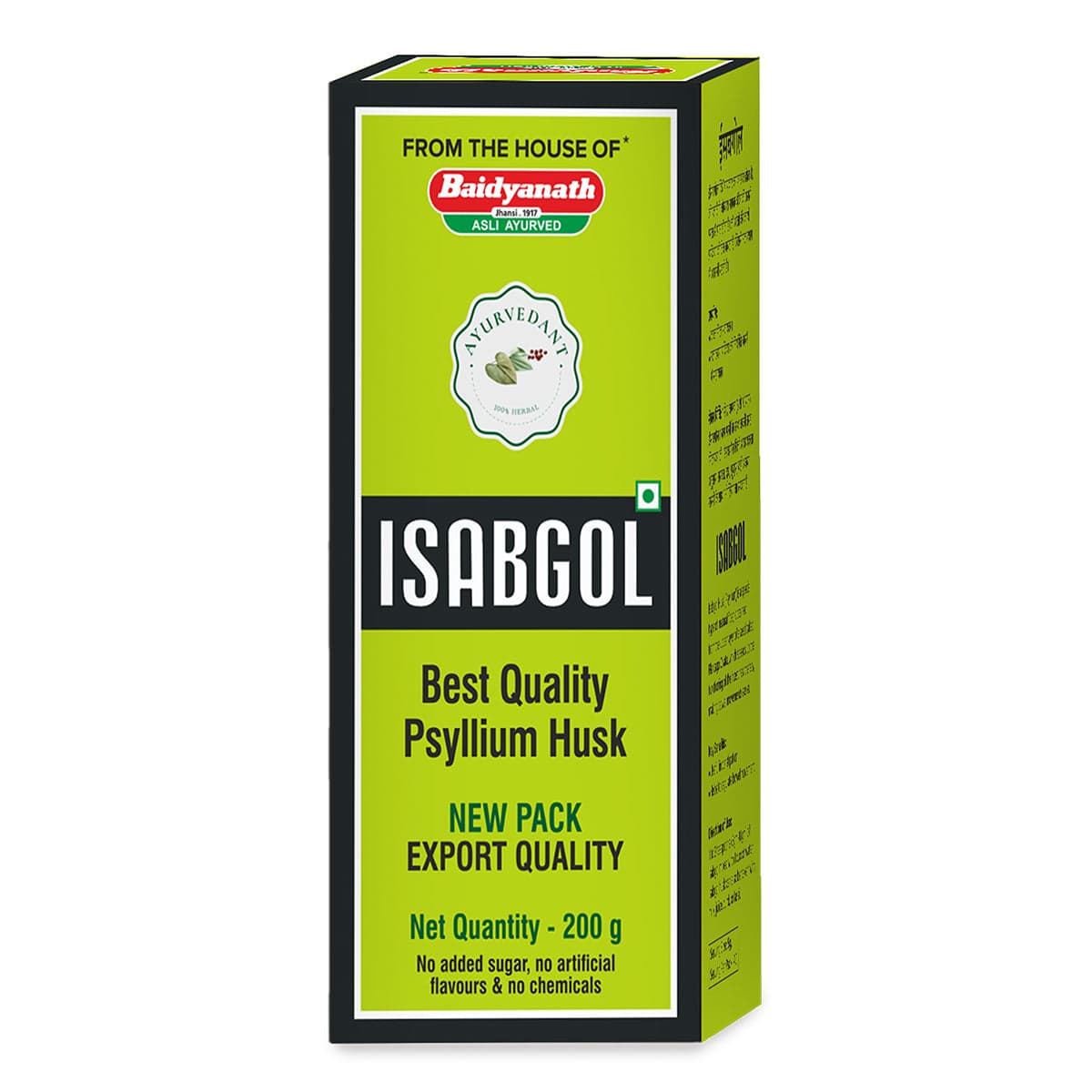 Prescribed to you5.0₹74 cashback
Ayurvedant Isabgol Husk Psyllium Baidyanath
Daily digestive regularity support
Container of 200 g
5.0
₹740.01Get ₹74 Cashback
₹85113% off