

Dengue Symptoms and Causes
Reviewed by medical experts · For informational purposes only
Introductory summary
Dengue is a mosquito-borne viral infection characterized by high fever and severe musculoskeletal pain. In Ayurveda, it correlates with Agantuja Jwara originating from external vectors and Asthigata Jwara due to the characteristic break-bone pain. The pathology involves the vitiation of Vata and Pitta doshas which obstruct the Rasavaha and Raktavaha channels lodging in the bones and marrow. Severe cases manifesting as hemorrhagic fever resemble Raktapitta involving blood vitiation. Management prioritizes restoring digestive power through Langhana or fasting and utilizing bitter immune-boosting herbs such as Guduchi and Kiratatikta to reduce fever and inflammation. Global health data indicates rising incidence emphasizing the need for vector control and integrated management strategies to prevent complications like severe bleeding and shock.
Dengue
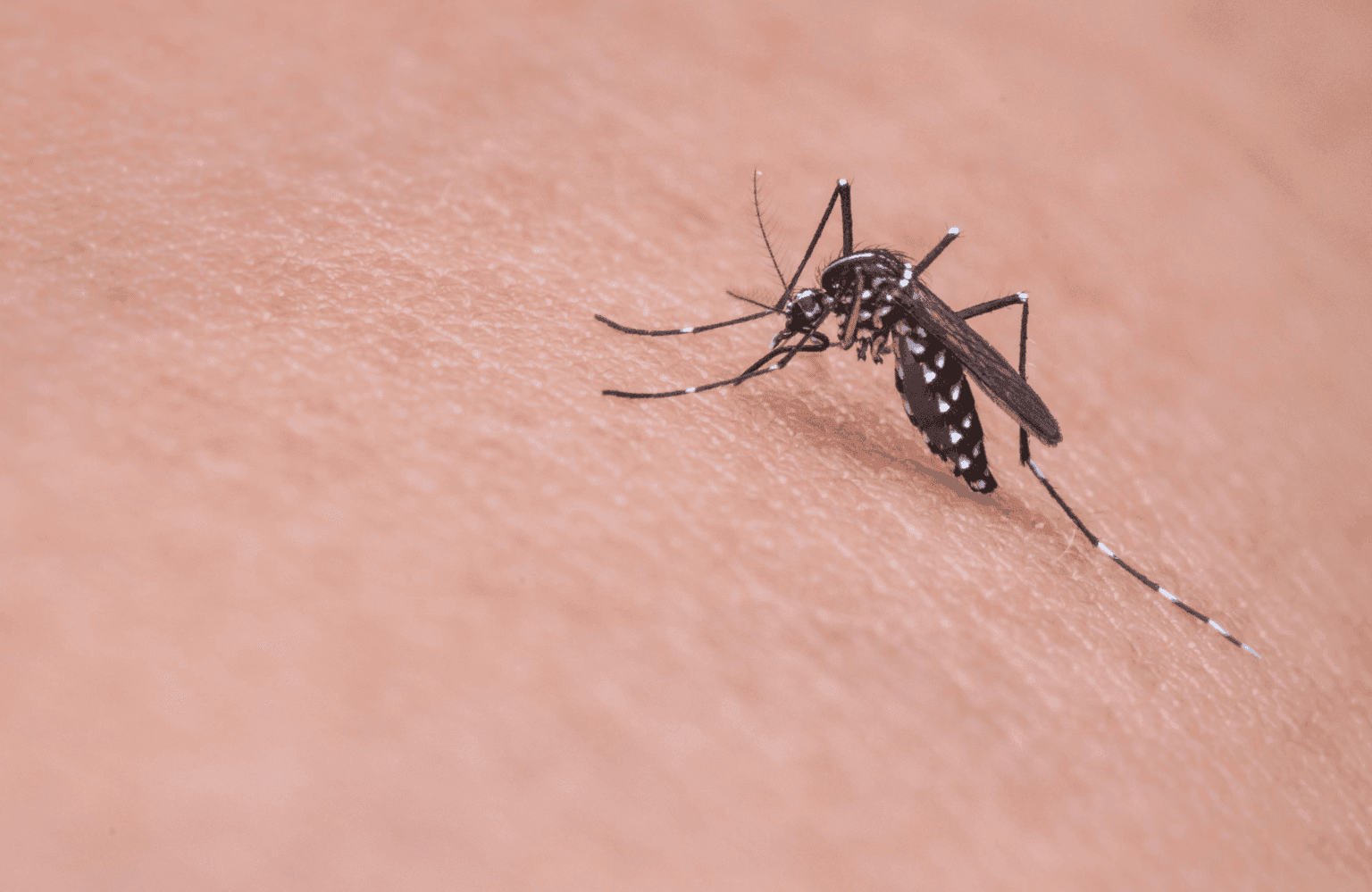
Dengue is a viral infection transmitted to humans through the bite of infected mosquitoes. In Ayurveda, while the specific term "Dengue" is not found in ancient texts, its clinical presentation—high fever, severe bone pain, and potential bleeding—correlates closely with Agantuja Jwara (fever caused by external agents) manifesting with symptoms of Asthigata Jwara (fever lodged in the bones) and Raktapitta (bleeding disorders). It is often classified as a Janapadodhvamsa (epidemic) disease caused by environmental vitiation.
1. Definition
Modern Definition: Dengue is a mosquito-borne viral disease occurring in tropical and subtropical areas. It causes high fever and flu-like symptoms and can evolve into severe dengue (hemorrhagic fever) (WHO).
Ayurvedic Definition: This condition is understood as an Agantuja Jwara (fever of external origin) where an external pathogen (virus/vector) vitiates the Tridosha. It specifically affects the Rasa Dhatu (plasma) and Rakta Dhatu (blood). When the fever penetrates deep into the Asthi Dhatu (bones) and Majja Dhatu (marrow), it causes the characteristic "break-bone" pain described in Asthigata Jwara.
2. Etymology & Conceptual Meaning
-
Agantuja: Derived from Agantu meaning "extraneous" or "coming from outside".
-
Vishama Jwara: Means "irregular fever," referring to fevers that do not follow a standard course.
-
Asthigata: Located in the bones.
-
Conceptual Interpretation: Ayurveda views epidemics as a result of vitiated Air, Water, Place, and Time (Janapadodhvamsa), as described in Charaka Samhita – Vimana Sthana.
3. Causes (Nidana)
-
External Factors (Agantu): Insect bites or invisible organisms.
-
Environmental Factors: Vitiation of Jala, Desha, and Kala.
-
Dietary Factors: Viruddha Ahara and excessive Pitta-aggravating foods.
4. Journey of the Disease (Pathogenesis/Samprapti)
-
Dosha: Pitta Dosha and Vata Dosha.
-
Dushya: Rasa, Rakta, Mamsa, Asthi.
-
Srotas: Rasavaha Srotas and Raktavaha Srotas.
-
Agni: Jatharagni leading to Ama formation.
5. Symptoms (Lakshana)
-
Jwara: High fever.
-
Asthi Bheda: Severe bone pain.
-
Mamsa Shoola: Muscle pain.
-
Raktapitta Lakshana: Bleeding manifestations.
-
Trishna: Excessive thirst.
6. Different Types or Classification (Bheda)
While Dengue is a specific entity, Ayurveda classifies fevers based on:
-
Dhatu Gata Jwara: Fever residing in specific tissues (e.g., Rasa, Rakta, Asthi).
-
Sannipata Jwara: Involving all three doshas (Vata, Pitta, Kapha), often seen in severe viral infections.
-
Raktapitta: Classified into Upward (Urdhva - nose/mouth bleeding) and Downward (Adhoga - rectal bleeding).
7. Diagnosis
Ayurvedic Diagnosis:
◦ Darshana (Observation): Checking for skin rashes (Mandal) and redness in eyes.
◦ Sparshana (Palpation): Assessing high temperature (Santapa) and body stiffness.
◦ Prashna (Interrogation): Inquiring about the nature of pain ("breaking" bone pain) and history of insect bites or epidemic prevalence.
• Differential Diagnosis: Distinguished from Malaria (Vishama Jwara like Tritiyaka) by the continuous nature of the fever (Santata) and the presence of severe bone pain and potential bleeding.
8. Disease Management
Diet (Ahara)
Medicines
-
Guduchi (Tinospora cordifolia)
-
Kiratatikta
9. Prognosis
- Curable: Standard Dengue fever is generally curable (Sadhya) with proper rest and management.
• Difficult/Critical: If the fever involves deep tissues (bones/marrow), causes severe dehydration, or manifests as Raktapitta (bleeding) with complications like delirium or fainting (Murcha), it becomes difficult to treat (Krichra) or incurable (Asadhya).
• Fatal Signs: A fever that causes deep burning sensation internally but feels cold externally is considered a grave sign.
10. Modern Correlations
-
Asthigata Jwara ↔ Break-bone fever
-
Raktapitta ↔ Dengue Hemorrhagic Fever
-
Janapadodhvamsa ↔ Vector-borne epidemics
11. References
1. WHO — Dengue overview
WHO इस संक्रमण को एक वैश्विक सार्वजनिक स्वास्थ्य समस्या के रूप में वर्णित करता है, जो उष्णकटिबंधीय और उपोष्णकटिबंधीय क्षेत्रों में तेज़ी से फैल रहा है। इसमें बताया गया है कि डेंगू वायरस के चार प्रमुख सीरोटाइप हैं और गंभीर डेंगू हॉ़मरेजिक फीवर/डेंगू शॉक सिंड्रोम संभावित रूप से जीवन-घातक हो सकते हैं। (World Health Organization)
2. WHO guidelines for dengue
WHO ने डेंगू के निदान, उपचार, रोकथाम और नियंत्रण पर विस्तृत दिशानिर्देश जारी किए हैं, जो चिकित्सकों, प्रयोगशाला कर्मियों और सार्वजनिक स्वास्थ्य अधिकारियों के लिए उपयोगी हैं। (World Health Organization)
3. WHO Dengue bulletin
दक्षिण-पूर्व एशिया क्षेत्र के WHO कार्यालय द्वारा प्रकाशित Dengue Bulletin में रोग की महामारी विज्ञान, फैलाव पैटर्न, और नियंत्रण रणनीतियों जैसे विषयों पर शोध और समीक्षाएँ शामिल होती हैं। (World Health Organization)
4. WHO on dengue in children
WHO ने Integrated Management of Childhood Illness (IMCI) के संदर्भ में डेंगू और उससे संबंधित जटिलताओं पर तकनीकी दस्तावेज़ भी प्रकाशित किए हैं — विशेष रूप से बच्चों के रोग-प्रबंधन के बारे में। (iris.who.in
5. Global dengue research trends
एक वैज्ञानिक लेख ने 1995-2023 तक के डेंगू वायरस अनुसंधान का बिब्लियोमेट्रिक विश्लेषण किया, जो रोग पर शोध का व्यापक रुझान और hotspots दर्शाता है। (SpringerLink)
12. FAQ Section
Q: Is there an Ayurvedic cure for Dengue?
A: Ayurveda manages Dengue as Agantuja Jwara. Treatments using herbs like Guduchi, Kiratatikta, and Musta are highly effective in managing fever, reducing pain, and boosting immunity,.
Q: What is the Ayurvedic view on bleeding in severe Dengue?
A: This is termed Raktapitta. It is caused by extreme heat (Pitta) "boiling" the blood. Treatments include cooling herbs like Vasa, Sandalwood, and Grapes (Draksha) to stop bleeding.
Q: Can I eat heavy food if I feel weak?
A: No. In fever, digestion is very weak. Ayurveda recommends "Langhana" (lightening/fasting) and liquid diets like rice gruel (Yavagu) until the fever subsides. Heavy food can worsen the condition by creating toxins (Ama).
Q: Why do bones hurt so much in Dengue?
A: According to Madhava Nidana, when the fever enters the Asthi (bones) and Majja (marrow), it causes excruciating pain, described as if the bones are breaking (Asthibheda).
Consult a Doctor
- PP4.4Dr prince patel
Ayurveda22 yrs exp
- AG4.6Dr. Abhishek Gupta
Ayurveda1 yrs exp
- AB4.5Dr. Atul Bharadava
Ayurveda4 yrs exp
- AK4.8Dr. Amalnath K Viswanathan
Ayurveda4 yrs exp