

Food poisoning Symptoms and Causes
Reviewed by medical experts · For informational purposes only
Introductory summary
Food poisoning correlates with the Ayurvedic conditions Visuchika and Alasaka which arise from Amavisha or toxic undigested metabolic waste. The primary causes include consuming incompatible food combinations known as Viruddha Ahara or eating before the previous meal is digested. Visuchika manifests with intense needle-like pricking pain across the body accompanied by fainting vomiting and diarrhea whereas Alasaka involves the stagnation of undigested food in the abdomen causing severe distension. Ayurveda considers Amavisha a critical state resembling poisoning. Management emphasizes immediate detoxification through Langhana or fasting to rekindle digestive fire and Vamana or therapeutic vomiting to expel toxins. Heat application and digestive herbs are also utilized to relieve pain and restore metabolic balance.
Food Poisoning
Food Poisoning is an acute illness resulting from the consumption of contaminated, spoiled, or toxic food. In Ayurveda, this condition correlates with Visuchika (characterized by piercing pain with vomiting and diarrhea) and Alasaka (severe stagnation of undigested food). These conditions arise from the formation of Amavisha—a state where undigested metabolic waste (Ama) becomes toxic, behaving like a poison in the body.
1. Definition
Modern Definition: Food poisoning is an illness caused by eating food contaminated with bacteria, viruses, parasites, or toxins, leading to nausea, vomiting, and diarrhea.
Ayurvedic Definition:
- Visuchika: A condition caused by indigestion where the vitiated Doshas cause pain that feels like being pricked by needles (Suchi) all over the limbs, accompanied by vomiting and diarrhea.
- Alasaka: A condition where the undigested food stays in the stomach, neither coming out (via vomiting/diarrhea) nor getting digested, causing severe distension and groaning.
- Amavisha: A virulent state of Ama that manifests symptoms similar to poisoning, often caused by eating incompatible foods (Viruddha Ahara).
2. Etymology & Conceptual Meaning
- Visuchika: Derived from the Sanskrit word Suchi, meaning "needle." It signifies a disease where the patient experiences pain as if being pricked by needles in the limbs and body.
- Alasaka: Derived from Alasa, meaning "lazy" or "idle." It refers to the state where the food remains "lazy" or stagnant in the stomach without moving up or down.
- Amavisha: A compound of Ama (undigested food waste) and Visha (poison), indicating a toxic metabolic state.
3. Causes (Nidana)
The primary causes involve dietary indiscretions and psychological factors that destroy the digestive fire (Agni).
- Dietary Causes:
- Ajirnashana: Eating when the previous meal has not been digested.
- Atishana: Overeating or eating excessive quantities of food.
- Viruddha Ahara: Consuming incompatible food combinations (e.g., fish with milk).
- Specific Foods: Excessive intake of heavy, rough, cold, and dry foods.
- Lifestyle Causes:
- Vega Dharana: Suppression of natural urges, specifically flatus, urine, and feces.
- Sleep: Sleeping immediately after a heavy meal or irregular sleep patterns.
- Psychological Factors:
Eating while afflicted by greed, fear, anger, grief, or confusion destroys the digestive capacity, turning even wholesome food into poison.
4. Journey of the Disease (Pathogenesis/Samprapti)
The disease manifests when the digestive fire is overwhelmed, creating toxins that spread through the body.
- Samprapti Ghataka (Components):
- Pathogenesis:
Due to intake of food during indigestion or incompatible foods, Agni is extinguished and food turns into Ama.- In Visuchika: aggravated Vata expels Ama via vomiting and diarrhea.
- In Alasaka: Kapha and Vata obstruct channels, causing stagnation and distension.
5. Symptoms (Lakshana)
Early Symptoms
- Indigestion and loss of appetite.
- Heaviness in the abdomen.
- Restlessness and malaise.
Advanced Symptoms (Visuchika & Amavisha)
- Pricking Pain (Suchivedana).
- Gastrointestinal: Vomiting and diarrhea.
- Systemic: Excessive thirst, burning sensation, tremors, vertigo.
- Mental: Confusion and anxiety.
- Alasaka Specifics: Severe abdominal distension (Adhmana), constipation, and obstruction of flatus.
6. Different Types or Classification (Bheda)
Described in Madhava Nidana – Visuchika Nidanam:
- Vataja Visuchika
- Pittaja Visuchika
- Kaphaja Visuchika
- Sannipataja Visuchika
- Dandalasaka
7. Diagnosis
- Ayurvedic Diagnosis (Pariksha):
- Differential Diagnosis: Compared with Ajirna and Vilambika.
8. Disease Management
Considered an emergency in Ayurveda.
Diet (Ahara)
- Langhana (fasting).
- Peya / Yavagu after recovery.
Medicines
- Agni-Tundivati and Pathadi Churna.
- Kshara and Saindhava Lavana.
- Swedana (dry fomentation).
Panchakarma (Procedures)
- Vamana.
- Swedana.
- Varti (rectal suppositories).
- Cauterization (historical reference in Chakradatta).
9. Prognosis
- Sadhya if toxins are expelled.
- Asadhya signs include blackish nails, cold breath, and loss of consciousness.
- Dandalasaka is incurable.
10. Modern Correlations
- Visuchika: Acute gastroenteritis / cholera (supported by WHO and clinical gastroenterology research).
- Alasaka: Ileus or gastroparesis.
- Amavisha: Toxemia or septic shock of gut origin.
11. References
• Food poisoning – Review (PubMed)
This review article discusses classic food poisoning syndromes, mechanisms of toxicity, clinical presentation, and treatment approaches, including bacterial and toxin-mediated illnesses. (PubMed)
• A Systematic Review: Food Poisoning (Journal of Food Microbiology)
A systematic review detailing causes (bacterial, viral, parasitic), symptoms (nausea, vomiting, diarrhea), and global health impact of food poisoning. (Allied Academies
• Food-Borne Disease Prevention and Risk Assessment (IJERPH)
This peer-reviewed analysis focuses on prevention strategies and risk assessment for foodborne illnesses, useful for understanding how contamination leads to poisoning and how risk can be mitigated. (MDPI)
• Systematic review of food safety education interventions (BMC Public Health)
Meta-analysis showing that consumer education on food safety significantly improves food handling practices and can reduce incidence of food poisoning in developed settings. (SpringerLink)
• Machine-learned epidemiology: real-time detection of foodborne illness at scale
Computer science research showing how real-time data models can help detect food poisoning outbreaks by analyzing search and location patterns, aiding epidemiological surveillance. (arXiv)
• Review on Food poisoning (Types, Causes, Symptoms, Diagnosis, Treatment) — Global Academic Journal of Pharmacy and Drug Research
Comprehensive article summarizing various types of food poisoning and their microbial and toxin causes plus clinical management. (gajrc.com)
12. FAQ Section
Q: Should I stop vomiting immediately during food poisoning?
A: According to Ayurveda, if the vomiting is expelling undigested food (Ama), it should not be suppressed initially as it is the body's attempt to remove the poison. However, if it becomes excessive and causes exhaustion, medical treatment is needed.
Q: Is fasting recommended for food poisoning?
A: Yes. Langhana (fasting) is the primary treatment for Ama and indigestion disorders. It gives the digestive fire time to recover and digest the toxins.
Q: What is "Viruddha Ahara" and how does it cause food poisoning?
A: Viruddha Ahara refers to incompatible foods (e.g., fish with milk, or fruit with yogurt). Ayurveda states these combinations create Amavisha (toxins) that can lead to acute illness similar to poisoning.
Q: How does Ayurveda treat the severe pain of Visuchika?
A: Treatment involves heat application (Swedana) to the abdomen and limbs, fasting, and the use of digestive herbs like dry ginger (Sunthi) and Hingu (Asafoetida) to normalize Vata flow.
Q: Can I drink water during this condition?
A: One should be careful. Drinking large amounts of plain water can dampen the weak digestive fire. Sips of warm water or water processed with digestive herbs like coriander or ginger are recommended to maintain hydration without overwhelming the stomach.
Consult a Doctor
- KC5.0Dr. Kamesh chand sharma
Ayurveda2 yrs exp
- PP4.4Dr prince patel
Ayurveda22 yrs exp
- AK4.8Dr. Amalnath K Viswanathan
Ayurveda4 yrs exp
- NG5.0Dr Nandini gaur
Ayurveda1 yrs exp
More on Food poisoning Symptoms and Causes
Buy Medicine
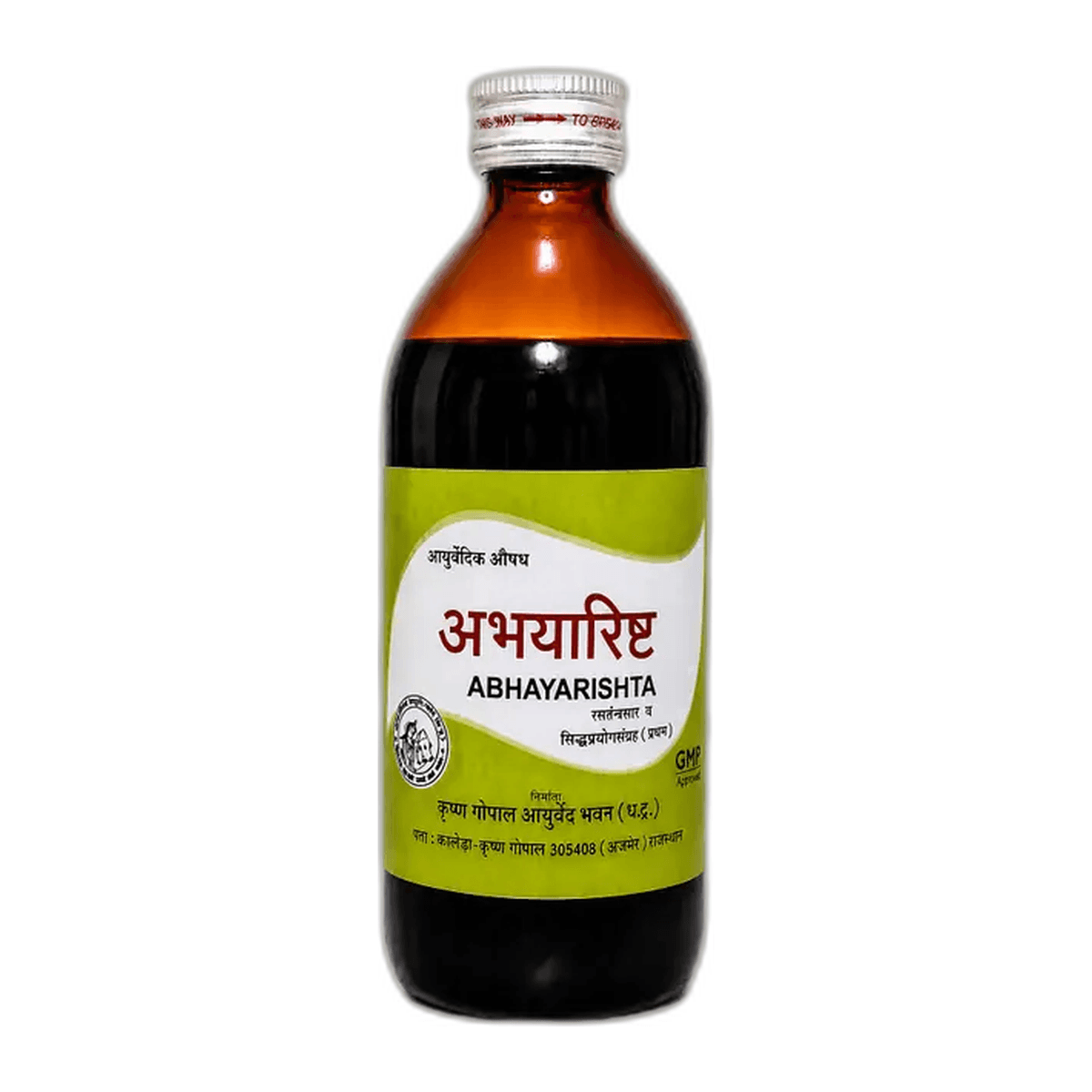 Prescribed to you4.3₹16 cashback
Abhayarishta (Kalera) Kalera
Supports constipation and digestive discomfort
Bottle of 450 ml
4.3
₹160Get ₹16 Cashback
₹18313% off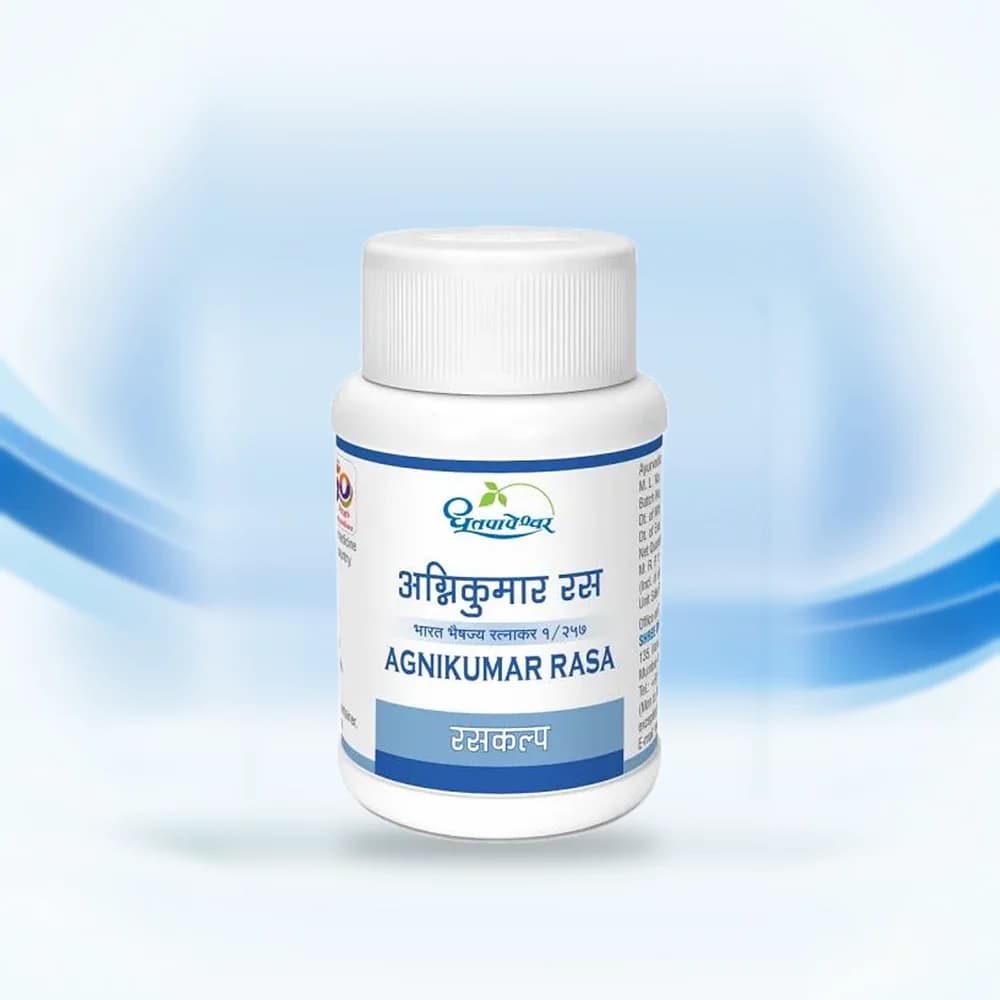 Prescribed to you4.6₹13 cashback
Agnikumar Rasa (Dhootapapeshwar) SDL
Supports relief from indigestion
Strip of 25 Tablets
4.6
₹138Get ₹13 Cashback
₹15712% off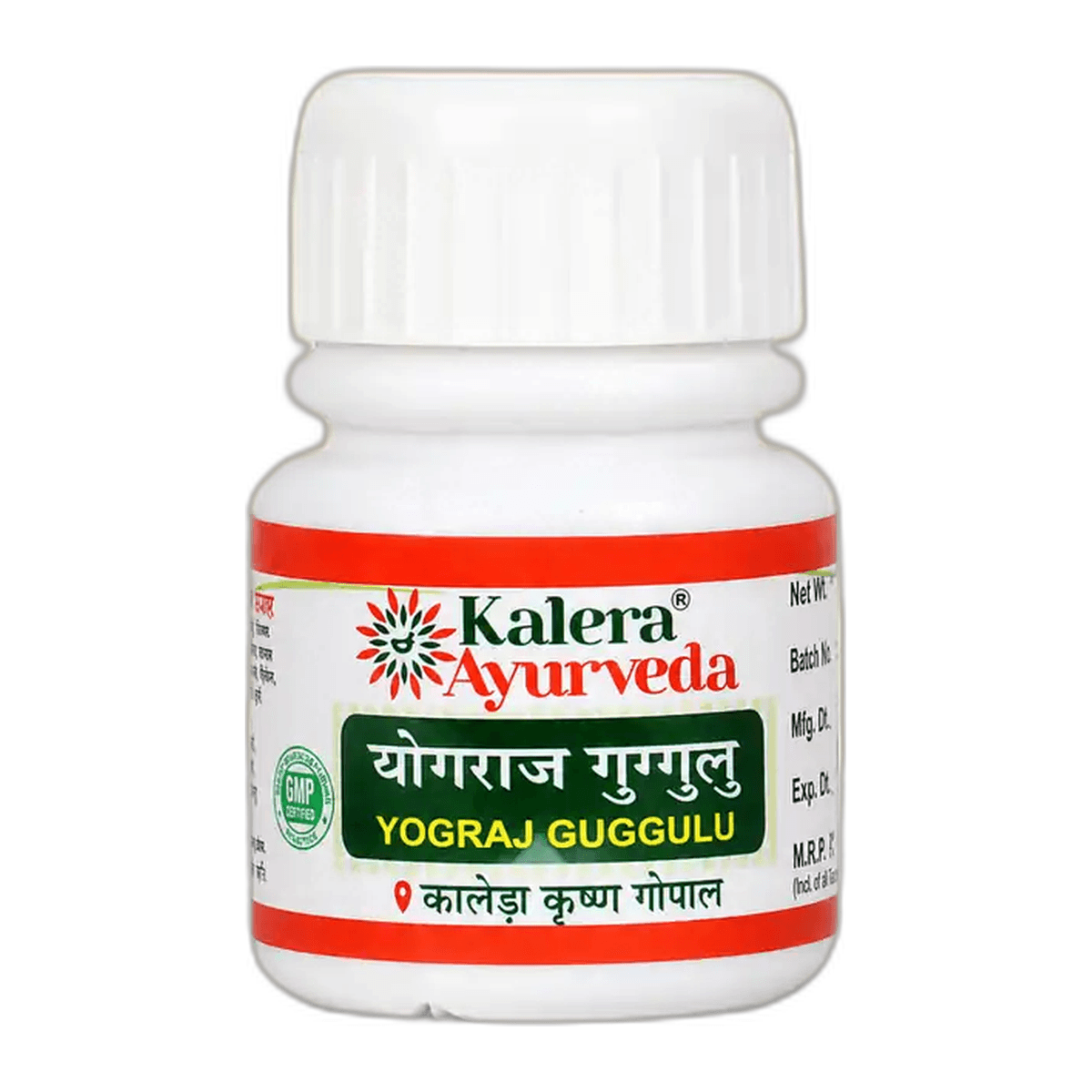 Prescribed to you4.5₹7 cashback
Yogaraj Guggul (Kalera)KaleraAll arthritis & joint pain
Strip of 30 Tablets
4.5
₹74Get ₹7 Cashback
₹8614% off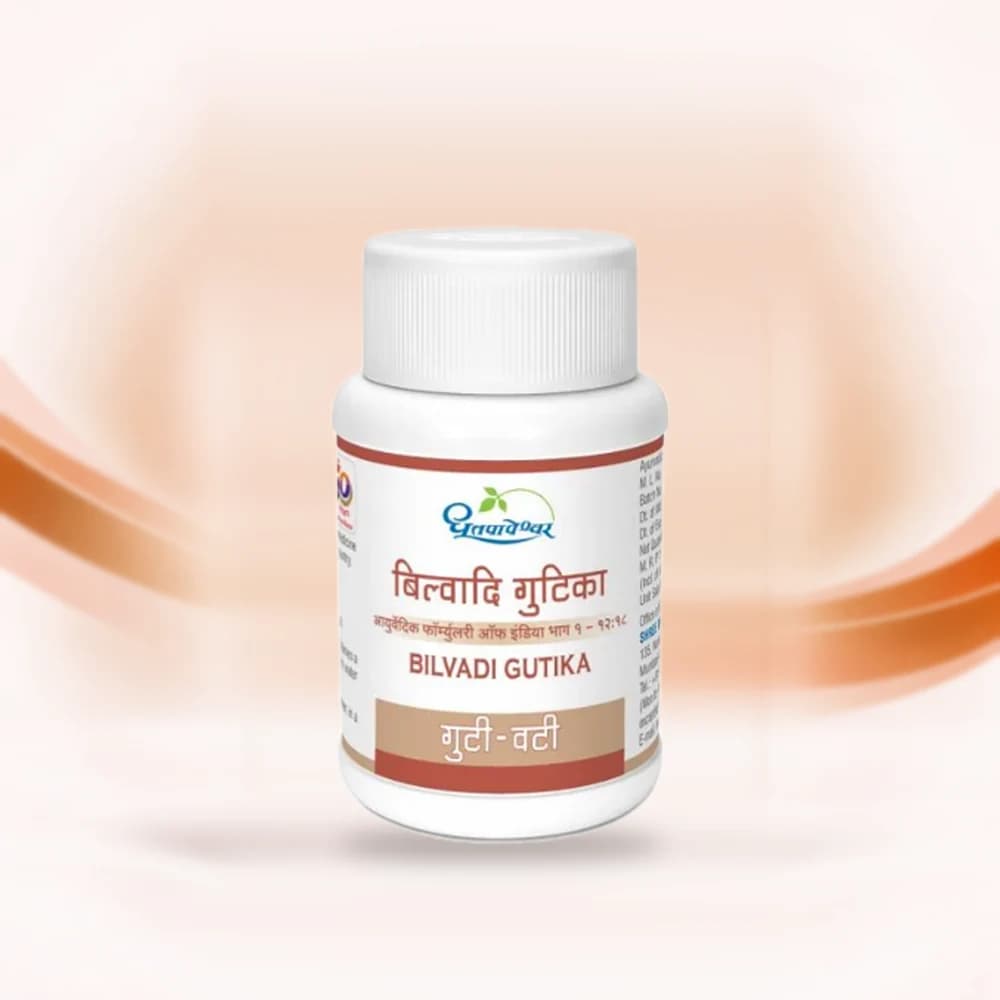 Prescribed to you4.3₹17 cashback
Bilvadi Gutika (Dhootapapeshwar)SDLSupports digestion and appetite
Strip of 60 Tablets
4.3
₹174Get ₹17 Cashback
₹19511% off
