Joint pain
Reviewed by medical experts · For informational purposes only
Introductory summary
Joint pain in Ayurveda is primarily categorized as Sandhigata Vata correlated with osteoarthritis Amavata known as rheumatoid arthritis or Vatarakta referring to gout. It originates from the aggravation of Vata dosha the accumulation of metabolic toxins called Ama or vitiated blood affecting the joints. Common causes include incompatible diet weak digestion and sedentary lifestyle. Symptoms range from crepitus and dryness to severe swelling and stiffness. Management focuses on balancing Vata and eliminating toxins. The Ayurvedic Formulary of India recommends formulations like Yogaraja Guggulu and Maharasnadi Kvatha for relief. External therapies such as Abhyanga with Mahanarayana Taila and Patra Pinda Sweda using medicinal leaves are prescribed to reduce pain while Basti therapy is used for deep seated disorders.
Joint Pain
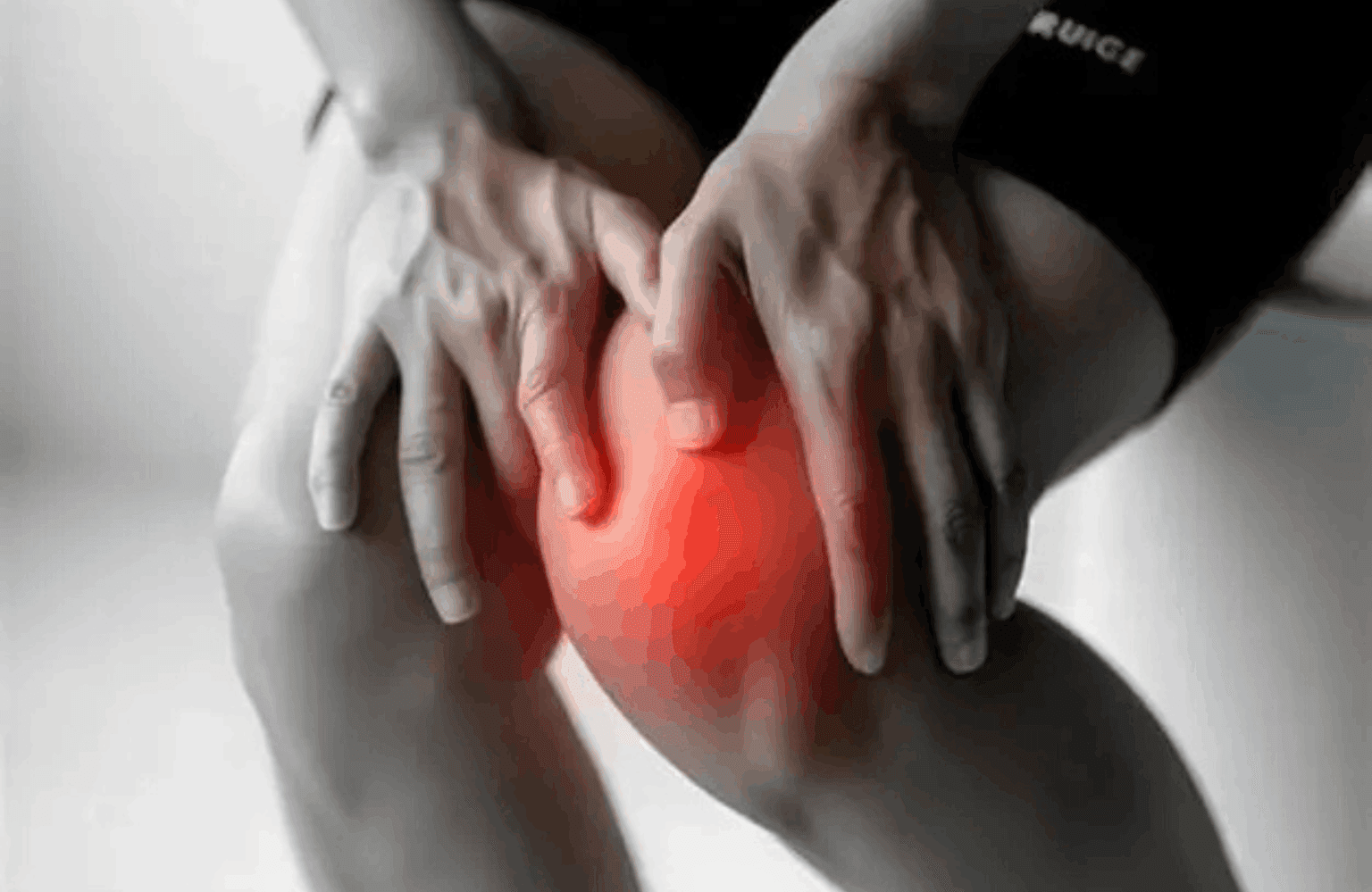
Joint Pain is a common ailment characterized by discomfort, aches, and soreness in any of the body's joints. In Ayurveda, joint pain is not a single disease but a symptom manifesting in various conditions, primarily Sandhigata Vata (Osteoarthritis), Amavata (Rheumatism), and Vatarakta (Gout). The condition is generally attributed to the aggravation of Vata Dosha (Air/Ether element), accumulation of Ama (metabolic toxins), or vitiation of Rakta (blood).
1. Definition
- Modern Definition: Discomfort arising from any part of a joint — including cartilage, bone, ligaments, tendons, or muscles.
- Ayurvedic Definition:
- Sandhigata Vata: A condition where aggravated Vata lodges in the Sandhi (joints), drying up the Shleshaka Kapha (synovial fluid), leading to pain, stiffness, and crepitus.
- Amavata: A condition where Ama (undigested food toxins) combines with Vata and settles in the joints, causing severe pain, swelling, and stiffness.
- Sandhi Shula: A general term for colicky pain in the joints.
2. Etymology & Conceptual Meaning
- Sandhi: Means "Joint" or "Junction."
- Shula: Means "Pain" or "Colic."
- Conceptual Interpretation:
- Sandhigata Vata: Literally "Vata gone into the joint." It represents a degenerative condition.
- Amavata: Derived from Ama (toxins) + Vata. It represents an inflammatory condition where toxins block the channels (Srotas), causing pain similar to a scorpion sting.
- Krostuka Shirsha: A specific type of knee pain (Synovitis) where the knee swells to resemble the head of a jackal (Krostuka).
3. Causes (Nidana)
- Dietary Causes:
- Viruddha Ahara: Incompatible food combinations (e.g., fish with milk) are major causes for blood-related joint issues like Vatarakta.
- Excessive intake of dry, cold, or light foods aggravates Vata.
- Indigestion (Ajirna) leads to the formation of Ama, which is the root cause of Amavata.
- Lifestyle Causes:
- Ati-Vyayama: Excessive physical exercise beyond one's capacity wears out the joints.
- Avyayama: Lack of physical activity leads to Medas (fat) accumulation and Amavata.
- Abhighata: Trauma or injury to the joints.
- Divaswapna: Sleeping during the day disrupts digestion and increases Kapha/Ama.
4. Journey of the Disease (Pathogenesis/Samprapti)
- Samprapti Ghataka (Components):
- Dosha: Vata (Vyana Vayu) is the primary dosha. Kapha is involved in stiffness/swelling. Pitta/Rakta are involved in gouty types.
- Dushya (Tissues): Asthi (Bone), Majja (Marrow), Rakta (Blood), Snayu (Tendons).
- Srotas (Channels): Asthivaha (Bone channels) and Majjavaha (Marrow channels).
- Agni: Jatharagni Mandya (Weak digestive fire) creates toxins.
- Ama: Circulating toxins that lodge in joints.
- Pathogenesis:
- Sandhigata Vata: Aggravated Vata travels through empty channels (Rikta Srotas) and lodges in the joints. It dries up the lubricating Kapha, causing friction and pain.
- Amavata: Due to weak digestion, Ama is formed. Vata propels this Ama into the circulation. It accumulates in the Kapha locations (joints), causing blockage, inflammation, and severe pain.
5. Symptoms (Lakshana)
- General Symptoms:
- Sandhi Shula: Pain in the joints.
- Sandhi Pida: Discomfort in joints.
- Specific Symptoms:
- Sandhigata Vata (Osteoarthritis): Pain on movement, crepitus (cracking sound), and reduction in joint mobility.
- Amavata (Rheumatoid Arthritis):
- Vatarakta (Gout): Severe burning sensation (Daha), redness, and pain starting usually from the feet/big toe.
6. Different Types or Classification (Bheda)
- Sandhigata Vata: Degenerative joint disease (Osteoarthritis).
- Amavata: Inflammatory joint disease (Rheumatoid Arthritis).
- Vatarakta: Metabolic joint disease (Gout).
- Krostuka Shirsha: Inflammatory swelling specifically of the knee joint.
- Gridhrasi: Sciatica (pain radiating from the back to the leg/foot).
7. Diagnosis
- Ayurvedic Diagnosis (Roga Pariksha):
- Sparshana (Palpation): Checking for Stambha (stiffness), temperature (hot in Vatarakta, cold in Vata), and swelling.
- Darshana (Observation): Looking for redness or deformity in joints.
- Prashna (Questioning): Assessing digestive health (Agni) to differentiate between Amavata (digestive origin) and Sandhigata Vata (degenerative origin).
- Differential Diagnosis:
8. Disease Management
Treatment varies based on whether the pain is due to degeneration (Vata) or inflammation/toxins (Ama).
Diet (Ahara)
- Beneficial: Light, warm, and digestible foods.
- Spices: Ginger (Shunthi), Garlic (Lashuna), and Castor oil (Eranda) are highly recommended.
- Grains: Barley (Yava) and Horse gram (Kulattha).
- Avoid: Heavy, oily foods, curd (Dadhi), and incompatible foods (Viruddha Ahara).
Lifestyle (Vihara)
- Exercise: Mild exercise is good for Amavata to reduce heaviness, but excessive exercise must be avoided in degenerative Sandhigata Vata.
- Avoid: Day sleep and exposure to cold wind.
Medicines
- Guggulu Preparations:
- Yogaraja Guggulu: Specifically indicated for Vata diseases, joint pain, and stiffness.
- Mahayogaraja Guggulu: For severe Vata disorders and Rheumatism.
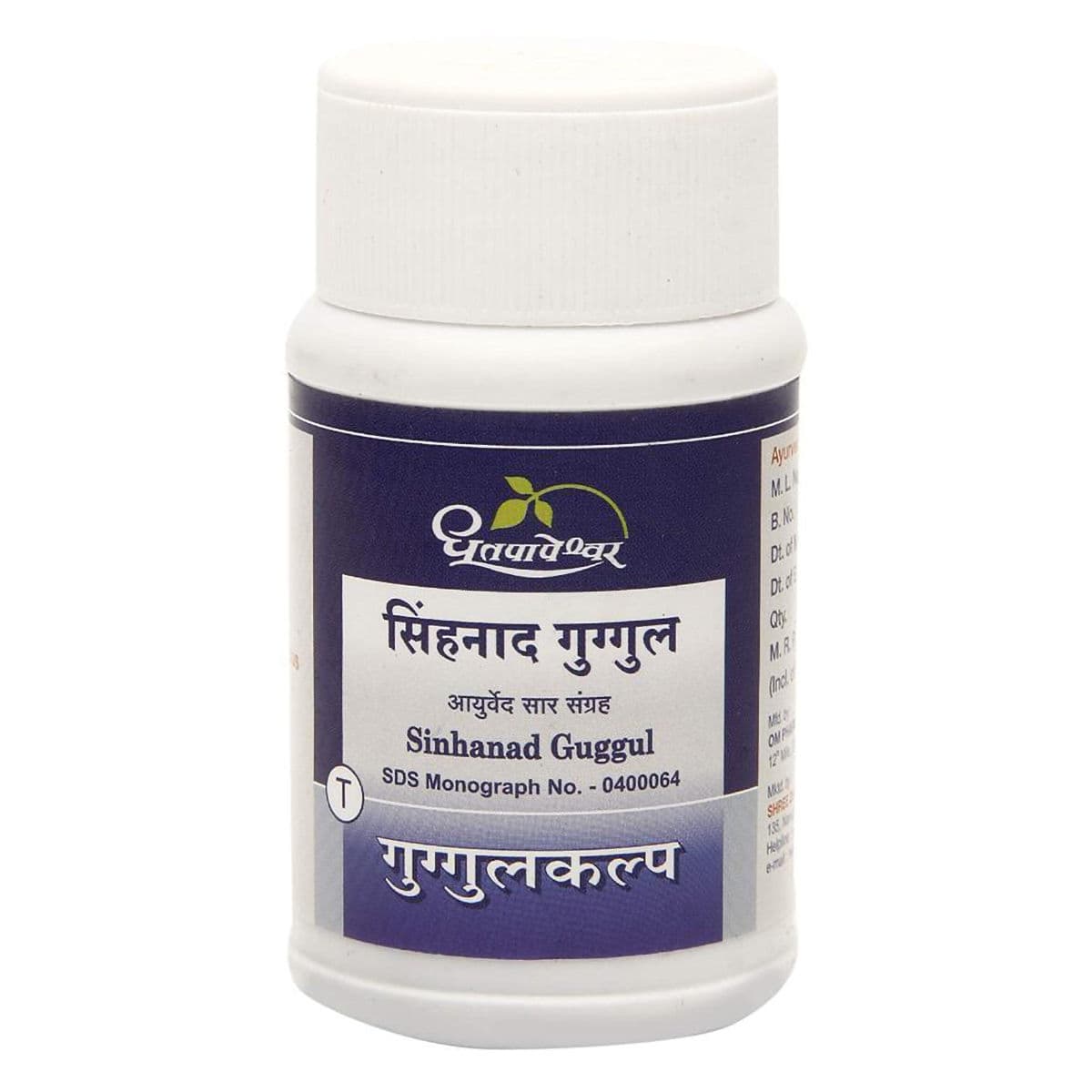
- Simhanada Guggulu: Effective for Amavata and stiffness.
- Vatari Guggulu: For Amavata, sciatica, and limping.
- Decoctions (Kvatha):
- Maharasnadi Kvatha: The premier remedy for all Vata disorders, including generalized tremors, sciatica, and knee pain. It contains Rasna (Pluchea lanceolata) as the main ingredient.
- Rasnadi Kvatha: For joint pain and colicky pain.
- Punarnavadi Kvatha: For edema and abdominal issues associated with joint pain.
- Oils (Taila) for Internal/External Use:
Panchakarma
- Snehana (Oleation): External application of medicated oils (Abhyanga) like Mahanarayana Taila lubricates the joints.
- Swedana (Fomentation):
- Patra Pinda Sweda: Bolus fomentation using medicinal leaves (like Nirgundi, Eranda, Arka) is highly effective for Gridhrasi (Sciatica) and neuromuscular disorders.
- Upanaha (Poultice): Applying warm herbal pastes to the joint to reduce swelling and pain.
- Avagaha Sweda: Sitz bath or immersing the painful part in warm medicated liquid.
- Basti (Enema): Considered the "half-treatment" for Vata. Anuvasana Basti (oil enema) and Niruha Basti (decoction enema) are the primary treatments for deep-seated joint pain.
- Virechana (Purgation): Using Castor Oil (Eranda Taila) is specific for Amavata and backache.
9. Prognosis
- Sadhya (Curable): New cases involving a single Dosha and strong patients are generally curable.
- Krichrasadhya (Difficult to Cure): Conditions like Amavata involving swelling and multiple joints, or Vatarakta (Gout) that has existed for more than a year.
- Yapya (Manageable): Chronic arthritis in the elderly or where joints are deeply deformed (Khanja/Pangu) is often only manageable, not fully curable.
10. Modern Correlations
- Osteoarthritis: Correlates with Sandhigata Vata (degenerative, crepitus, pain in old age).
- Rheumatoid Arthritis: Correlates with Amavata (inflammatory, swelling, metabolic toxins).
- Gout: Correlates with Vatarakta (metabolic, affecting big toe, burning pain).
- Sciatica: Correlates with Gridhrasi.
- Synovitis: Correlates with Krostuka Shirsha.
11. References
-
Mayo Clinic – Joint Pain
https://www.mayoclinic.org/symptoms/joint-pain/basics/definition/sym-20050605
-
Cleveland Clinic – Joint Pain (Arthralgia)
https://my.clevelandclinic.org/health/symptoms/21515-joint-pain
-
MedlinePlus – Joint Disorders & Pain
https://medlineplus.gov/jointdisorders.html
-
Johns Hopkins Medicine – Joint Pain and Arthritis
https://www.hopkinsmedicine.org/health/conditions-and-diseases/arthritis
-
National Institute of Arthritis and Musculoskeletal and Skin Diseases (NIAMS)
https://www.niams.nih.gov/health-topics
-
World Health Organization (WHO) – Musculoskeletal Conditions
https://www.who.int/news-room/fact-sheets/detail/musculoskeletal-conditions
-
Annals of the Rheumatic Diseases
https://ard.bmj.com/
-
Arthritis & Rheumatology (ACR Journal)
https://onlinelibrary.wiley.com/journal/23265205
12. FAQ Section
Q: Is oil massage good for all types of joint pain?
A: Not always. While oil massage (Abhyanga) is excellent for degenerative pain (Sandhigata Vata), it is generally contraindicated in the acute stage of Amavata (Rheumatism) where swelling and Ama (toxins) are present, as it can increase stiffness. In such cases, dry heat (Valuka Sweda) is preferred initially.
Q: What is the best Ayurvedic herb for general joint pain?
A: Rasna (Pluchea lanceolata) is considered the premier herb for Vata disorders and joint pain. Guggulu (Commiphora mukul) is also a key ingredient in many anti-arthritic formulas like Yogaraja Guggulu.
Q: Can castor oil help with joint pain?
A: Yes. Eranda Taila (Castor oil) is highly praised in Ayurveda for Amavata and back pain. It can be taken internally (under guidance) to purge toxins and balance Vata, or applied externally.
Q: Why does Ayurveda suggest avoiding curd (yogurt) for joint pain?
A: Curd (Dadhi) causes obstruction in the channels (Abhishyandi) and increases Kapha and swelling. This can worsen conditions like Amavata (Rheumatism) and stiffness.
Consult a Doctor
- SP4.5Dr Sreelekha P Nair
Ayurveda6 yrs exp
- SJ3.9SUMEDH JOSHI
Ayurveda7 yrs exp
- VH3.9Vaidya Harsh
Ayurveda9 yrs exp
- GG3.0Dr GN Govinda
Ayurveda1 yrs exp
Buy Medicine
 Prescribed to you4.6₹17 cashback
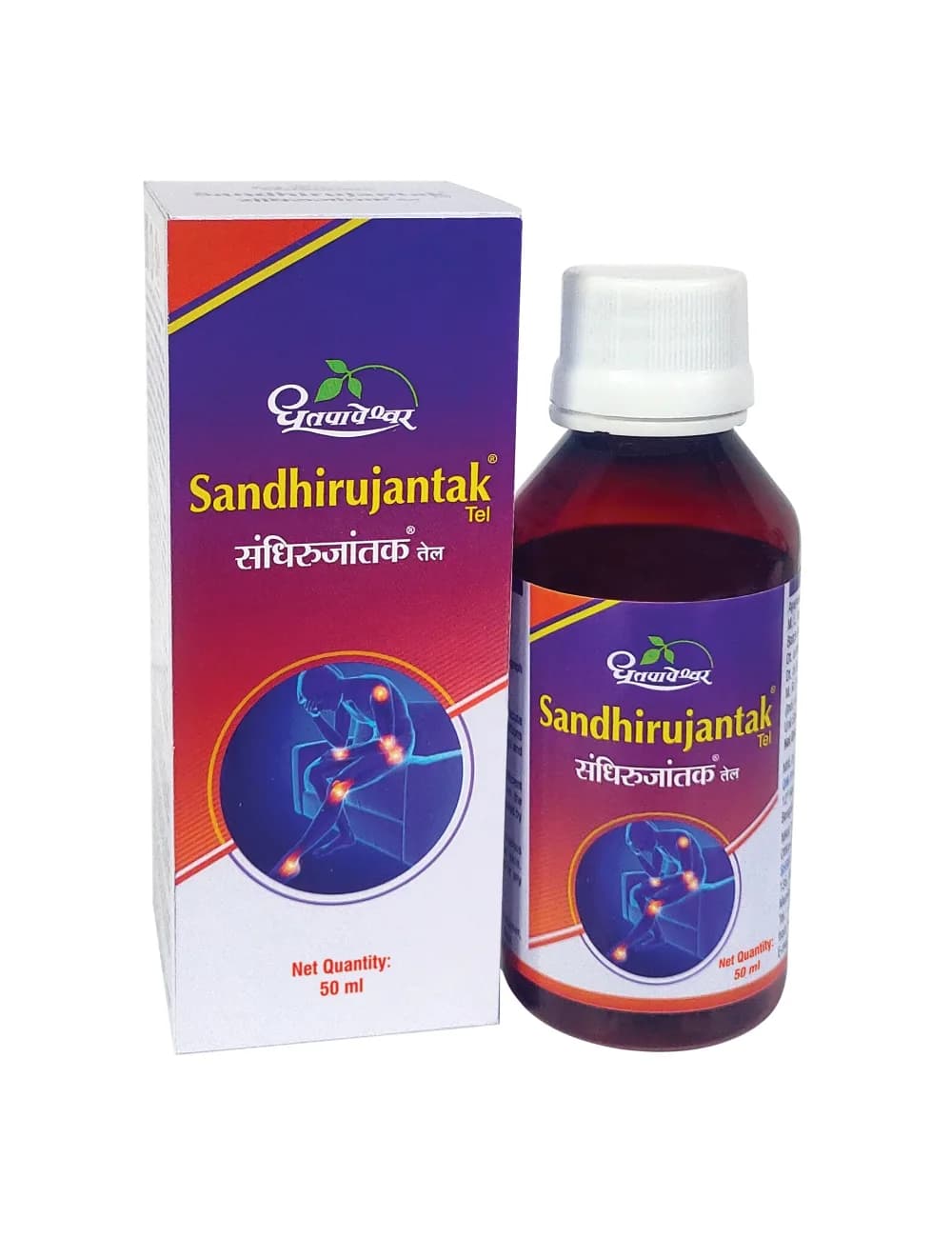
Sandhirujantak Tel (Dhootapapeshwar) SDL
SDLस्थानीय मांसपेशी-दर्द में राहत
Bottle of 50 ml
4.6
₹175Get ₹17 Cashback
 Prescribed to you4.3₹3 cashback
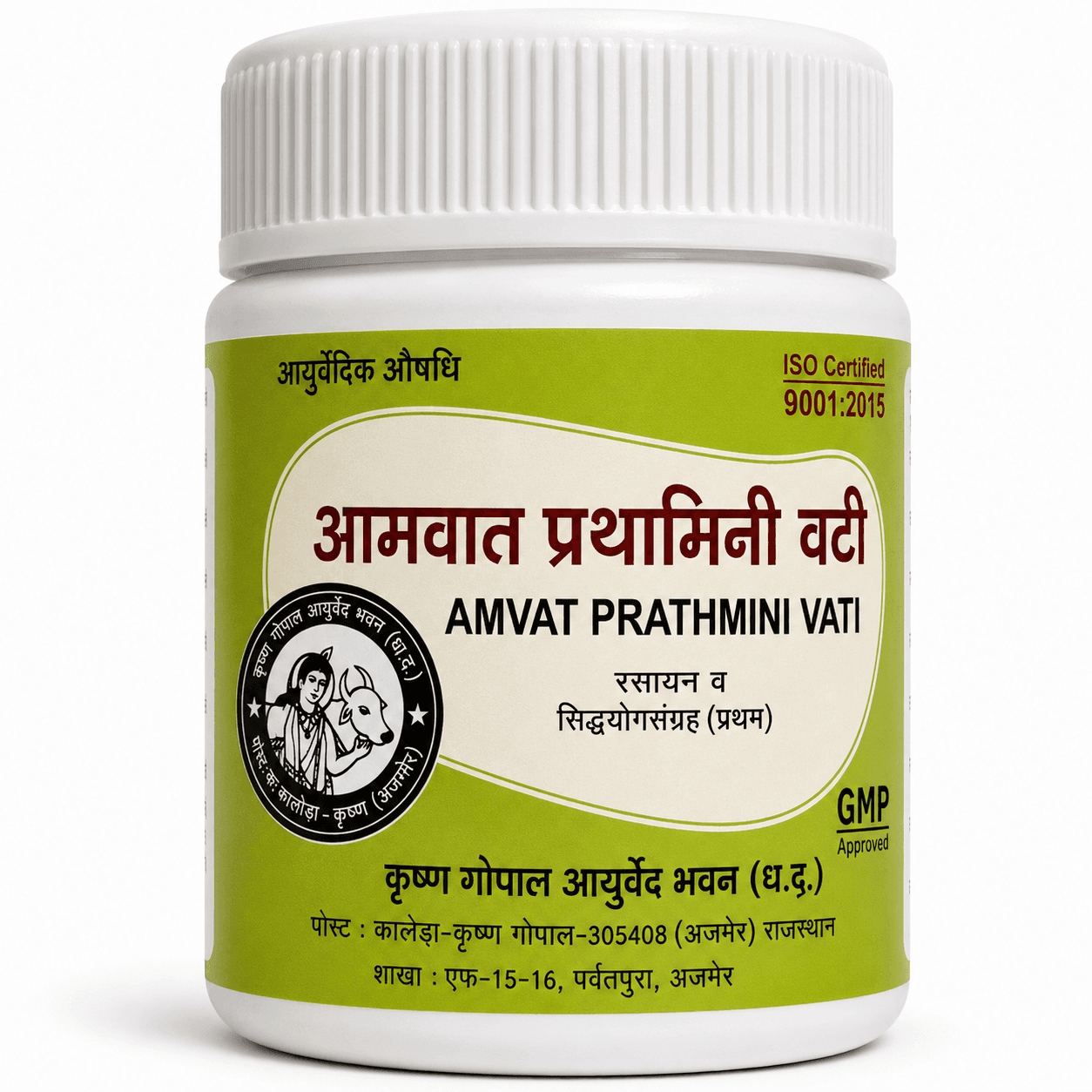
Amavata-pramathini Vati (Kalera) Kalera
Rheumatoid arthritis relief
Strip of 30 Tablets
4.3
₹35Get ₹3 Cashback
 Prescribed to you4.5₹17 cashback
Sinhanad Guggul (Dhootapapeshwar)SDLHelps early-stage rheumatoid arthritis
Strip of 60 Tablets
4.5
₹170Get ₹17 Cashback