

Neck pain Symptoms and Causes
Reviewed by medical experts · For informational purposes only
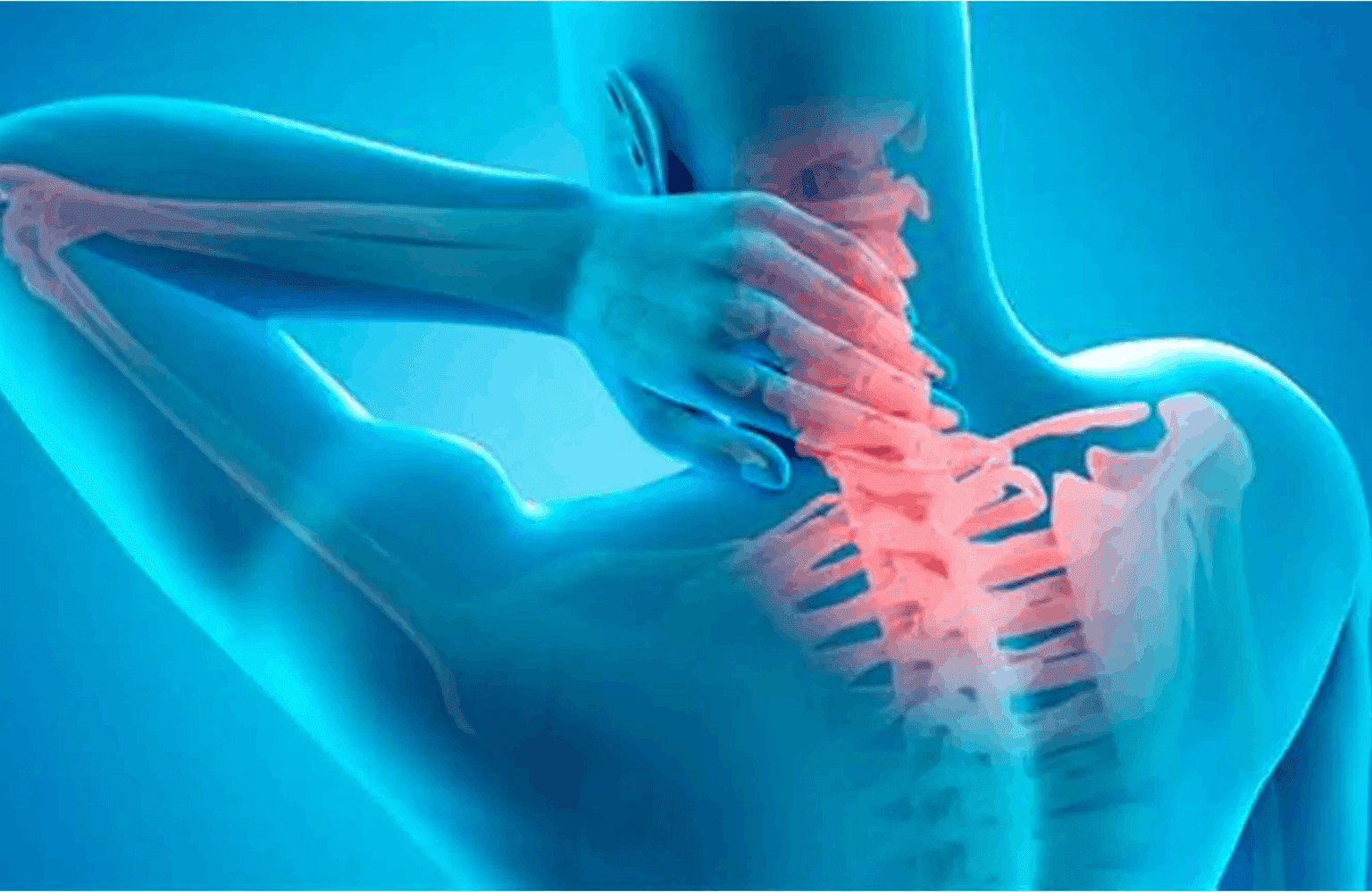
Introductory summary
Neck pain correlates with the Ayurvedic condition Manyastambha characterized by stiffness and restricted movement or Greeva Shula meaning pain. It arises when aggravated Vata dosha often obstructed by Kapha lodges in the neck muscles. Major causes include sleeping during the day improper posture like constant upward gazing and suppression of natural urges. Ayurvedic management emphasizes Vata pacification through Snehana and Swedana. The primary therapy is Nasya or nasal administration of medicated oils like Anu Taila which clears supraclavicular channels. Specialized procedures such as Greeva Basti where warm oil is retained on the neck and Patra Pinda Sweda are highly effective. Dietary recommendations include muscle strengthening foods like black gram while avoiding dry and cold substances.
Neck Pain
Neck Pain is a common musculoskeletal condition characterized by discomfort, stiffness, or severe pain in the cervical region. In Ayurveda, it is classified under Vatavyadhi (diseases caused by the Vata dosha). The specific condition where the neck becomes stiff and immobile is termed Manyastambha. It is considered a disorder of the supraclavicular region (Urdhvajatrugata Roga), where vitiated bio-energies (Doshas) affect the muscles and nerves of the neck.
1. Definition
Modern Definition: Pain in the cervical spine, sometimes radiating to arms or head, caused by cervical spondylosis, muscle strain, or poor posture.
Ayurvedic Definition: Manyastambha occurs when Vata, often obstructed by Kapha, lodges in neck muscles (Manya), leading to stiffness (Stambha). Greeva Shula refers specifically to pain in the neck region.
2. Etymology & Conceptual Meaning
- Manya: Large neck muscles (sternocleidomastoid/trapezius)
- Stambha: Stiffness/rigidity
- Greeva: Neck
Conceptual Interpretation: Neck stiffness results from Vata/Kapha affecting subtle channels nourishing muscles, restricting movement.
3. Causes (Nidana)
- Lifestyle Causes:
- Divaswapna: Sleeping during the day
- Asana: Improper posture, gazing upward
- Vegadharana: Suppression of natural urges
- Dietary Causes: Dry, cold, rough foods aggravating Vata
- Physical Factors: Heavy loads on head, sudden trauma (Abhighata)
4. Journey of the Disease (Samprapti)
- Components (Samprapti Ghataka):
- Dosha: Vata (Udana & Vyana) and *Kapha
- Dushya: Mamsa (muscles), Sira (nerves/veins), Snayu (ligaments)
- Adhisthana: Greeva (cervical spine) and Manya (neck muscles)
- Pathogenesis: Aggravated Vata lodges in Manya, covered by Kapha (Avarana), stiffening muscles and obstructing Srotas.
5. Symptoms (Lakshana)
- Stiffness (Stambha): Neck feels fixed; inability to turn head
- Pain (Shula): Tearing/constant pain radiating to shoulders/upper back
- Movement Restriction: Difficulty flexing, extending, rotating neck
- Associated Symptoms:
- Headache (Shirahshula)
- Vertigo/Dizziness (Bhrama)
- Visual Disturbance: Severe Vata vitiation
6. Classification (Bheda)
- Vataja: Intense pain, dryness, cracking sounds
- Vata-Kaphaja: Stiffness, heaviness, coldness (classic Manyastambha)
- Abhighataja: Caused by trauma/whiplash
7. Diagnosis
- Ayurvedic (Roga Pariksha)
- Darshana: Assess head posture, muscle spasm
- Sparshana: Palpate for hardness, coldness, tenderness
- Prashna: Sleep habits, pillow type
- Differential Diagnosis:
- Viswachi: Neck pain radiating to arm/fingers
- Apabahuka: Frozen shoulder
8. Disease Management
Vata-Kapha Shamana; Nasya is the primary therapy.
Medicines
- Dashamula Kwatha: Decoction of ten roots
- Panchamula Kwatha: Milk processed with five roots
- Masha (Black Gram): Strengthens muscles
- Bala (Sida cordifolia): Combined with Masha
- Kukkutanda (Egg) Dravya: Nasya remedy for severe stiffness
Panchakarma
- Nasya: Medicated oils (Anu Taila, Shadbindu Taila)
- Greeva Basti: Warm medicated oil pooled on neck
- Upanaha (Poultice): Warm herbal paste with Vata-pacifying herbs (Vacha, Devadaru)
- Patra Pinda Sweda: Heated bolus of leaves for pain relief
- Shirodhara: Forehead pouring if associated with stress/headache
Diet (Ahara)
- Recommended: Warm, unctuous foods (Masha, ghee, milk, meat soups)
- Avoid: Dry, cold, fermented foods, kidney beans (Rajmasha), dry peas
9. Prognosis
• Curable (Sadhya): Manyastambha is generally curable, especially if it is acute (recent onset) and the patient is strong.
• Chronic/Difficult: If the condition is associated with severe degeneration (Dhatukshaya) or is caused by deep-seated trauma to the Marma (vital points), it becomes difficult to treat (Krichrasadhya).
10. Modern Correlations
• Cervical Spondylosis: Degeneration of the vertebrae matching the Vata-type pain and crepitus.
• Torticollis (Wry Neck): Matches the description of Manyastambha (fixed, stiff neck).
• Muscle Tension/Strain: Correlates with the symptoms caused by poor posture and Vegadharana.
• Cervical Radiculopathy: Matches the symptoms of Viswachi (pain radiating from neck to arm).
11. References
-
Mayo Clinic – Neck Pain (Symptoms & Causes)
Reliable overview of what neck pain is, common causes (like muscle strain, posture issues, osteoarthritis), symptoms, and when to see a doctor.
https://www.mayoclinic.org/diseases-conditions/neck-pain/symptoms-causes/syc-20375581 (Mayo Clinic)
-
Mayo Clinic – Neck Pain (Diagnosis & Treatment)
Detailed info on how neck pain is diagnosed and treated — from physical exams and imaging (X‑rays, MRI) to therapy options like physical therapy, medications, and sometimes surgery.
https://www.mayoclinic.org/diseases-conditions/neck-pain/diagnosis-treatment/drc-20375587 (Mayo Clinic)
-
Cleveland Clinic – Neck Pain: Causes, Symptoms & Treatment
Good clinical overview of many causes including aging, muscle strain, herniated discs, stress, and injuries — plus common treatment approaches.
https://my.clevelandclinic.org/health/symptoms/21179-neck-pain (Cleveland Clinic)
-
MSD Manual (Consumer Version) – Neck Pain (Hindi)
A reliable medical manual with key facts on causes, diagnosis clues, and features of neck pain for general understanding.
https://www.msdmanuals.com/hi/home/bone-joint-and-muscle-disorders/low-back-and-neck-pain/neck-pain (MSD Manuals)
-
गर्दन दर्द के कारण और गंभीर संकेत (AajTak Hindi)
Hindi news article explaining why neck pain occurs and when it might be serious — for example muscle strain or injury vs. something needing doctor care.
https://www.aajtak.in/lifestyle/news/story/neck-pain-can-be-a-sign-of-something-serious-know-causes-symptoms‑tlif‑1481642‑2022‑06‑20 (AajTak)
-
गर्दन के दर्द का घरेलू उपचार – Swami Ramdev (YouTube)
Hindi video with ayurvedic/yoga based tips for neck pain and cervical stiffness.
https://www.youtube.com/watch?v=d7JN9sUhdg8 (YouTube)
-
गर्दन का दर्द कैसे ठीक करें (Physio Dr Deepak Soni – Hindi)
Video explaining exercises, posture tips, and treatment ideas for neck pain and stiffness.
https://www.youtube.com/watch?v=cYrbTiF5PyY (YouTube)
12. FAQ Section
Q: Why does Ayurveda recommend putting oil in the nose (Nasya) for neck pain?
A: Ayurveda considers the nose the direct gateway to the head (Shira). Administering medicine through the nose (Nasya) allows it to reach the supraclavicular region (including the neck) directly, clearing the obstruction in the channels and lubricating the stiffness.
Q: Can sleeping during the day cause neck pain?
A: Yes. According to Madhava Nidana, sleeping during the day (Divaswapna) increases Kapha and Vata, which can lead to Manyastambha (stiffness of the neck) by causing stagnation and rigidity in the neck muscles.
Q: Is there a specific food that helps with neck stiffness?
A: Black Gram (Masha) is highly praised in Ayurvedic texts like Chakradatta. It is considered a powerful strengthener for the muscles and is often used in decoctions or oils to treat neck rigidity.
Q: What is the difference between Manyastambha and general neck pain?
A: Manyastambha specifically refers to a condition where the neck is stiff or rigid, making it difficult to turn the head. General neck pain (Greeva Shula) may exist without such severe restriction of movement, though they are often treated similarly.
Consult a Doctor
- AI4.9Dr. Aayush Ishwar
Ayurveda2 yrs exp
- SJ3.9SUMEDH JOSHI
Ayurveda7 yrs exp
- VH3.9Vaidya Harsh
Ayurveda9 yrs exp
- GG3.0Dr GN Govinda
Ayurveda1 yrs exp
More on Neck pain Symptoms and Causes
Buy Medicine
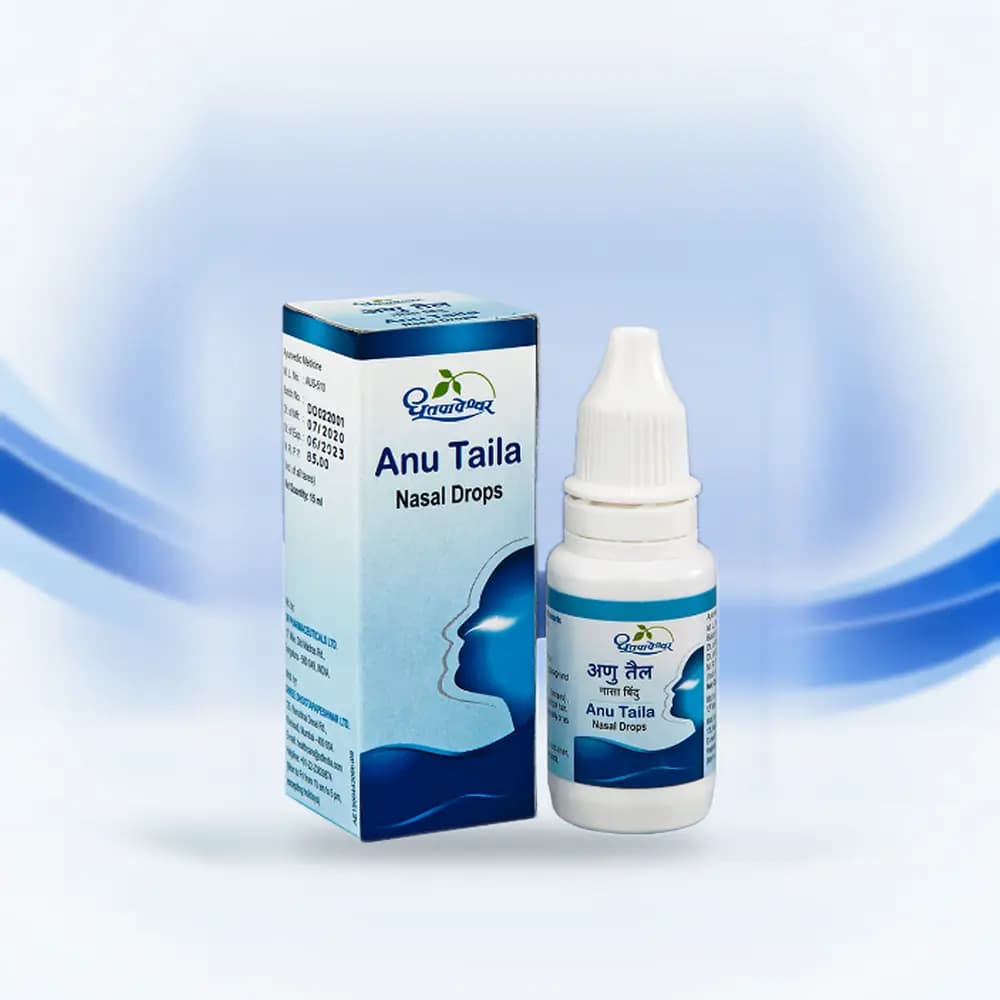 Prescribed to you4.3₹9 cashback
Anu Taila (Dhootapapeshwar) SDL
Nasal oil for head health
Bottle of 15 ml
4.3
₹98Get ₹9 Cashback
₹10910% off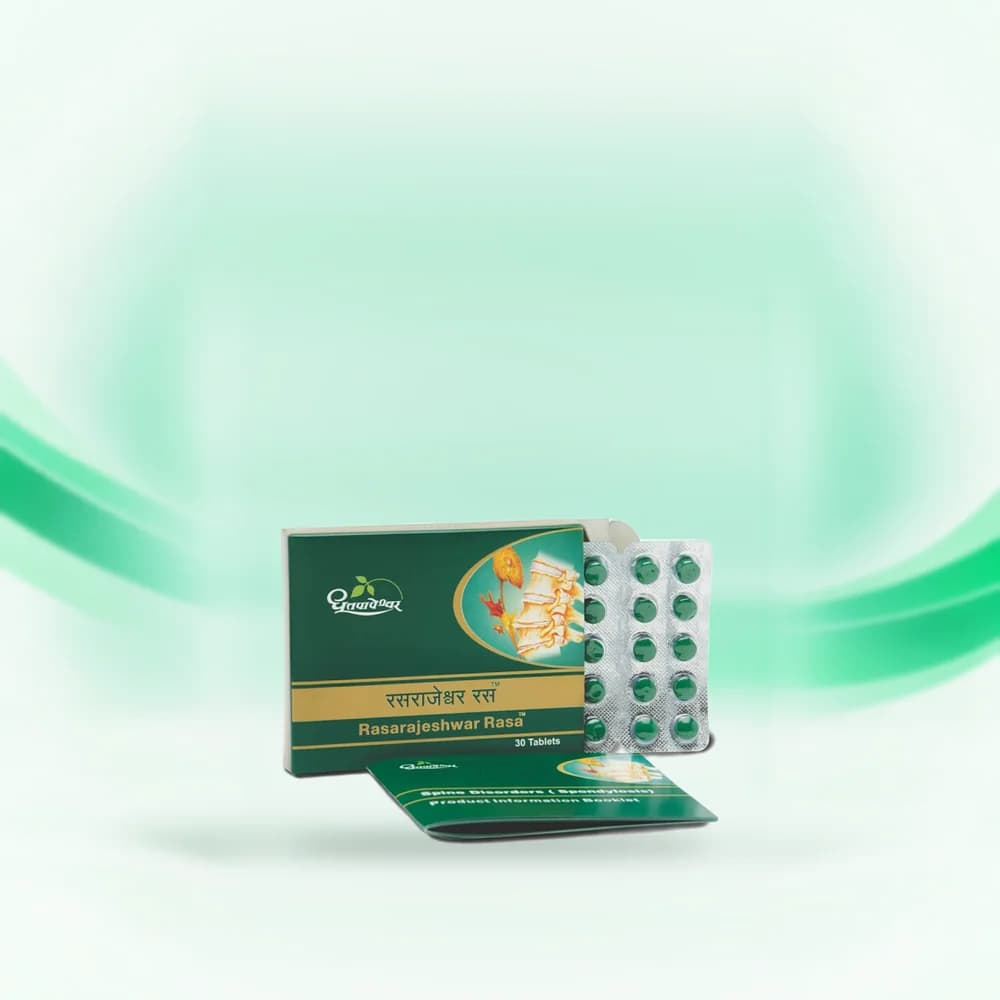 Prescribed to you4.5₹219 cashback
Rasarajeshwar Rasa (Dhootapapeshwar)SDLSupports vata imbalance
Strip of 30 Tablets
4.5
₹2,193.02Get ₹219 Cashback
₹2,53614% off
