

Ear infection Symptoms and Causes
Reviewed by medical experts · For informational purposes only

Introductory summary
Ear infections correlate with the Ayurvedic conditions Karnashula characterized by pain and Putikarna characterized by discharge. The pathology begins with vitiated Vata dosha entering the Karnavaha srotas often aggravated by cold wind or water entry. If Pitta and Kapha become involved inflammation and suppuration occur leading to pus formation. Management prioritizes calming Vata and healing the local tissue. Classical treatments include Karnapurana which involves filling the ear with medicated oils like Deepika Taila or Nirgundi Taila to relieve pain. For discharge cleansing procedures known as Prakshalana using astringent decoctions like Triphala are utilized alongside fumigation to disinfect the canal. Nasya therapy is also prescribed to clear the connected head channels and prevent recurrence.
Ear Infection
Ear Infection is a condition characterized by inflammation and often fluid buildup in the ear, causing pain and discharge. In Ayurveda, this falls under the category of Karna Rogas (Diseases of the Ear). While Karnashula refers specifically to the intense pain often associated with the early stages of an infection, advanced stages involving inflammation and pus formation are described as Karnapaka (suppuration) or Putikarna (foul-smelling discharge).
1. Definition
Modern Definition: An ear infection (Acute Otitis Media or Otitis Externa) is an infection of the middle or outer ear, usually caused by bacteria or viruses, leading to pain, fever, and drainage.
Ayurvedic Definition: Karnashula is defined as intense pain in the ear caused by the aggravation of Vata Dosha "moving in the wrong path" within the ear channels. When the infection progresses to discharge, it is termed Putikarna, defined as a condition where the local heat (Pitta Dosha) melts the Kapha Dosha, leading to the discharge of thick, foul-smelling pus.
2. Etymology & Conceptual Meaning
-
Literal Meaning:
-
Karna: Ear.
-
Shula: Piercing pain.
-
Puti: Putrid or foul-smelling.
-
Paka: Inflammation, ripening, or suppuration.
-
-
Conceptual Interpretation: Ayurveda views the ear as a seat of the Akasha Mahabhuta (Space element) and Vata Dosha. An infection is not just a local event but a disturbance of the Prana Vata and Kapha.
3. Causes (Nidana)
The causes are often environmental and lifestyle-related, leading to the vitiation of Vata and Kapha.
-
Environmental Causes:
-
Avashyaya: Exposure to dew or frost.
-
Jala-krida: Playing in water or water entering the ear.
-
Vayu: Exposure to cold, high-velocity wind.
-
-
Physical Trauma: Picking the ear with fingers or sharp objects (Karnakandu) can injure the canal, leading to infection.
-
Dietary Causes: Consumption of Kapha-aggravating foods.
-
Associated Conditions: It often arises as a complication of Pratishyay (Common Cold/Coryza).
4. Journey of the Disease (Pathogenesis/Samprapti)
-
Samprapti Ghataka:
-
Dosha: Vata, Pitta, Kapha.
-
Dushya: Rasa, Rakta, Mamsa.
-
Srotas: Karnavaha Srotas, Pranavaha Srotas.
-
Agni: Dhatvagni.
-
Adhisthana: Karna.
-
5. Symptoms (Lakshana)
-
Karnashula: Ear pain, Karnanada.
-
Karnapaka: Burning, redness, fever.
-
Putikarna: Durgandha, Kandu, heaviness.
-
Krimikarna: Maggots, intense itching.
6. Different Types or Classification (Bheda)
According to Madhava Nidana:
- Vataja
- Pittaja
- Kaphaja
- Sannipataja
- Vidradhi
7. Diagnosis
-
Roga Pariksha
-
Darshana
-
Prashna
-
-
Differential Diagnosis: Karnanada, Badhirya
8. Disease Management
Medicines (Karnapurana)
-
Deepika Taila
-
Arkapatra Swarasa
-
Nirgundi Taila
-
Shambuka Taila
-
Apamarga Kshara Taila
Procedures
-
Prakshalana
-
Dhupana
-
Karnapurana
9. Prognosis
• Curable (Sadhya): Acute ear infections (Karnashula) are generally easily curable with local oil application and heat.
• Chronic (Yapya): Long-standing discharge (Putikarna) can be difficult to cure and requires long-term management.
• Complications: If untreated, it can lead to Badhirya (Permanent Deafness) or Krimikarna (maggot infestation).
10. Modern Correlations
• Similarities:
◦ Acute Otitis Media: Correlates with Karnashula and Karnapaka (pain and inflammation).
◦ Chronic Suppurative Otitis Media (CSOM): Correlates with Putikarna (chronic foul discharge).
◦ Otomycosis (Fungal infection): Correlates with symptoms of Kaphaja Karna Roga (intense itching).
• Differences: Modern medicine relies on antibiotics. Ayurveda relies on oil-based local applications (Karnapurana) and systemic removal of Doshas.
11. References
-
Chronic Suppurative Otitis Media – Burden of Illness
World Health Organization (WHO)
🔗 https://www.who.int/publications/i/item/chronic-suppurative-otitis-media -
Prevention and Treatment of Chronic Ear Infections – WHO Technical Report
🔗 https://apps.who.int/iris/handle/10665/ -
Global Burden of Otitis Media
The Lancet Infectious Diseases
🔗 https://www.sciencedirect.com/science/article/pii/S1473309917300293 -
Microbiology of Chronic Suppurative Otitis Media
Journal of Clinical and Diagnostic Research
🔗 https://www.ncbi.nlm.nih.gov/pmc/articles/PMC5296439/ -
Complications of Otitis Media
StatPearls – NCBI
🔗 https://www.ncbi.nlm.nih.gov/books/NBK470332/ -
Karnasrava: An Ayurvedic Review
International Research Journal of Ayurveda & Yoga
🔗 https://journals.acspublisher.com/index.php/irjay/article/view/16231 -
Conceptual Study of Karnaroga in Ayurveda
Journal of Ayurveda and Integrated Medical Sciences (JAIMS)
🔗 https://www.jaims.in/jaims/article/view/2098
12. FAQ Section
Q: What is the best Ayurvedic home remedy for ear pain?
A: A common remedy found in texts like Chakradatta is using the juice of Arka (Calotropis) leaves or simply warm mustard oil processed with garlic or Nirgundi.
Q: Does Ayurveda recommend putting oil in the ear for infection?
A: Yes, the procedure is called Karnapurana. Medicated oils like Deepika Taila or Bilva Taila are used to pacify Vata (pain) and clean the ear. However, if there is a large perforation or active heavy discharge, one should consult a Vaidya, as treatments may shift to washing (Prakshalana) and fumigation (Dhupana) instead of filling.
Q: What causes pus in the ear according to Ayurveda?
A: Pus (Puyabhava) is caused when the heat of Pitta dosha melts the accumulated Kapha (mucus/phlegm) in the head and ear region. This is called Putikarna.
Q: Can a cold cause an ear infection?
A: Yes. Ayurveda recognizes that Pratishyay (Cold/Coryza) is a primary cause. The vitiated Doshas travel from the nose and throat to the ear via the connecting channels (Pranavaha Srotas), causing pain and infection.
Consult a Doctor
- KC5.0Dr. Kamesh chand sharma
Ayurveda2 yrs exp
- PP4.4Dr prince patel
Ayurveda22 yrs exp
- PJ5.0Dr. P. JOTEENDRA
Ayurveda2 yrs exp
- S4.6Dr. Shan
Ayurveda4 yrs exp
More on Ear infection Symptoms and Causes
Buy Medicine
 Prescribed to you4.5₹25 cashback
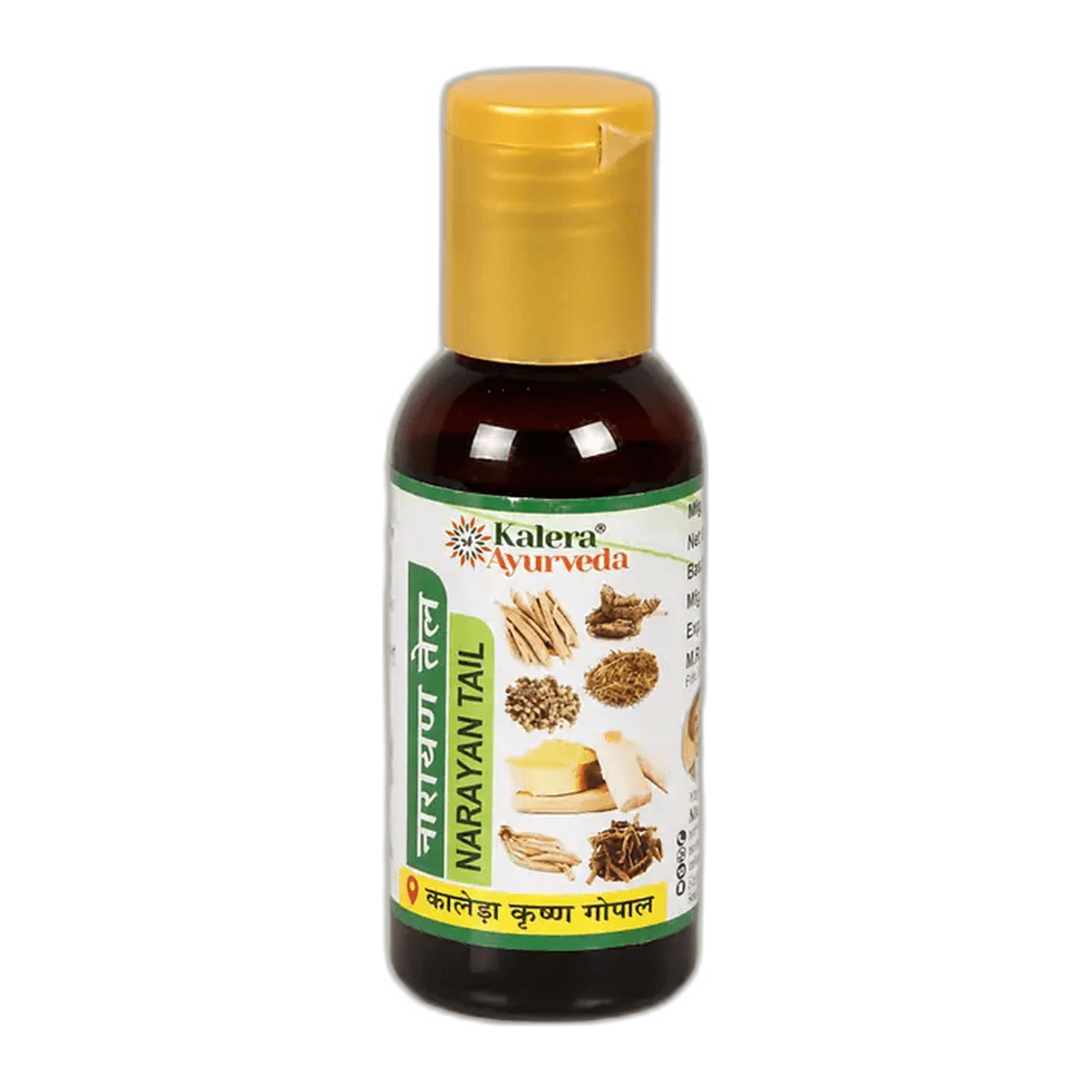
Narayan Taila (Kalera) Kalera
Supports nerve & joint massage
Bottle of 50 ml
4.5
₹255Get ₹25 Cashback
₹28711% off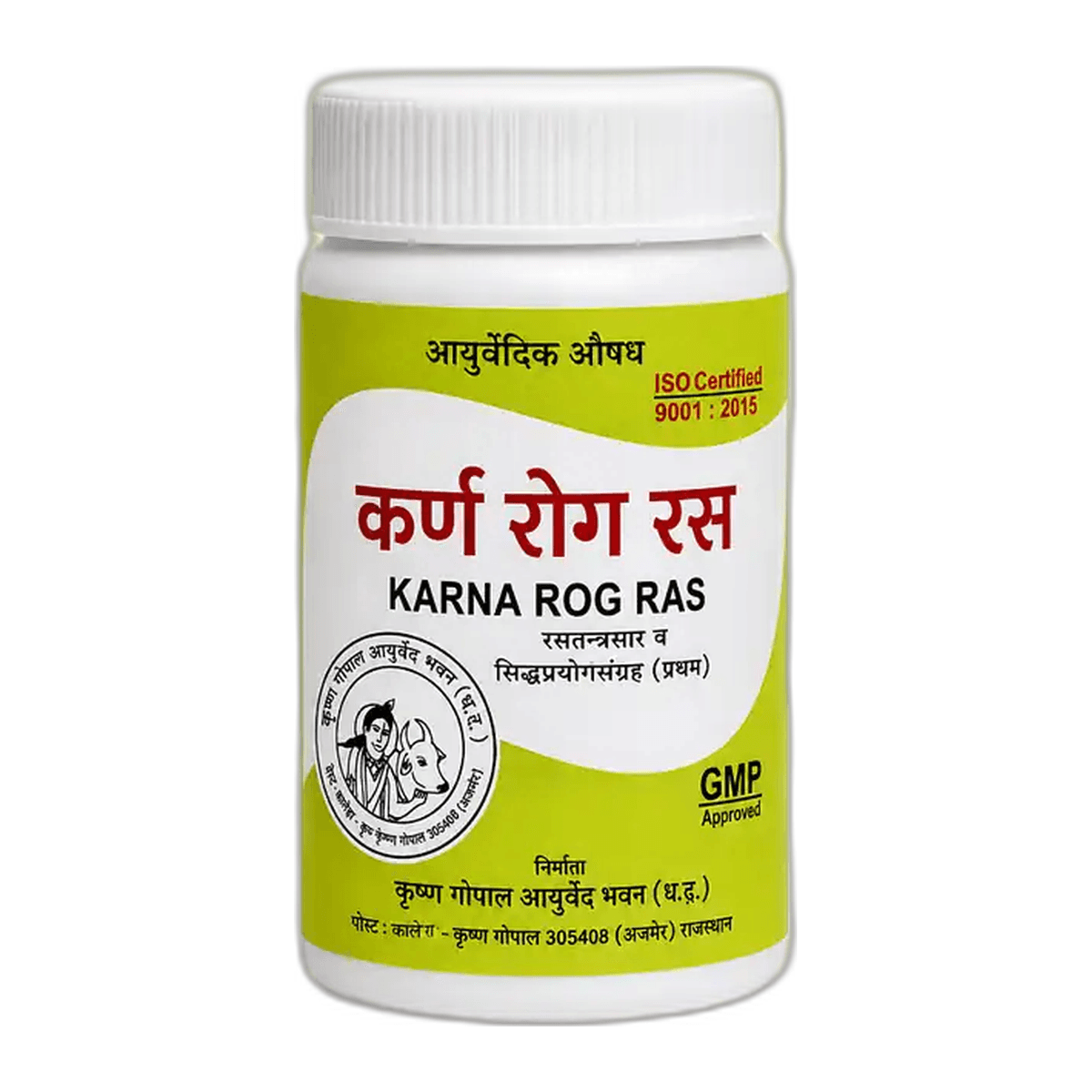 Prescribed to you4.6₹40 cashback
Karna Rog Ras (Kalera)KaleraSupports ear disorders and tinnitus
Container of 10 g
4.6
₹400Get ₹40 Cashback
₹46414% off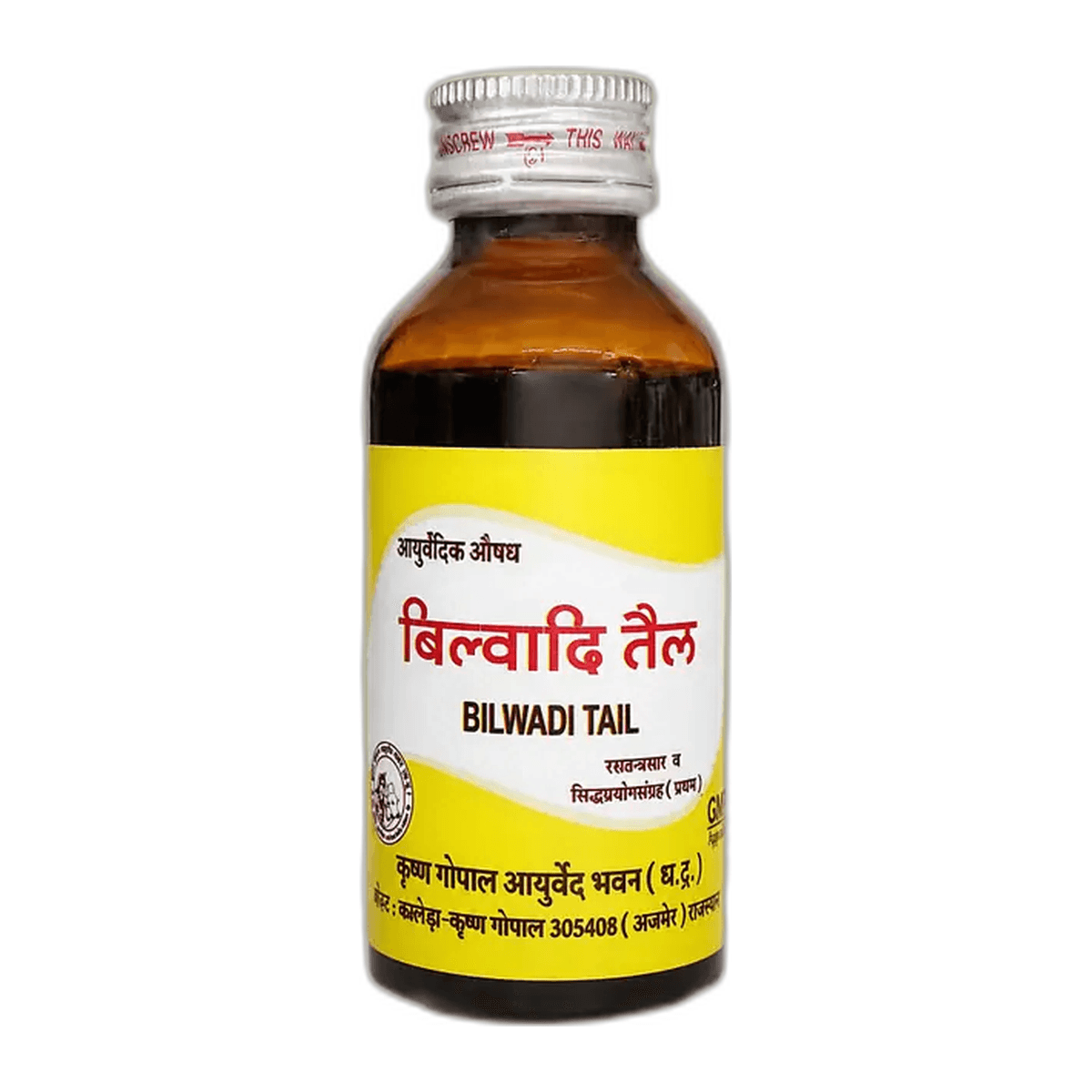 Prescribed to you4.7₹17 cashback
Bilvadi Taila (Kalera)KaleraDaily support for ear pain
Bottle of 50 ml
4.7
₹174Get ₹17 Cashback
₹20113% off
