

Otitis media Symptoms and Causes
Reviewed by medical experts · For informational purposes only
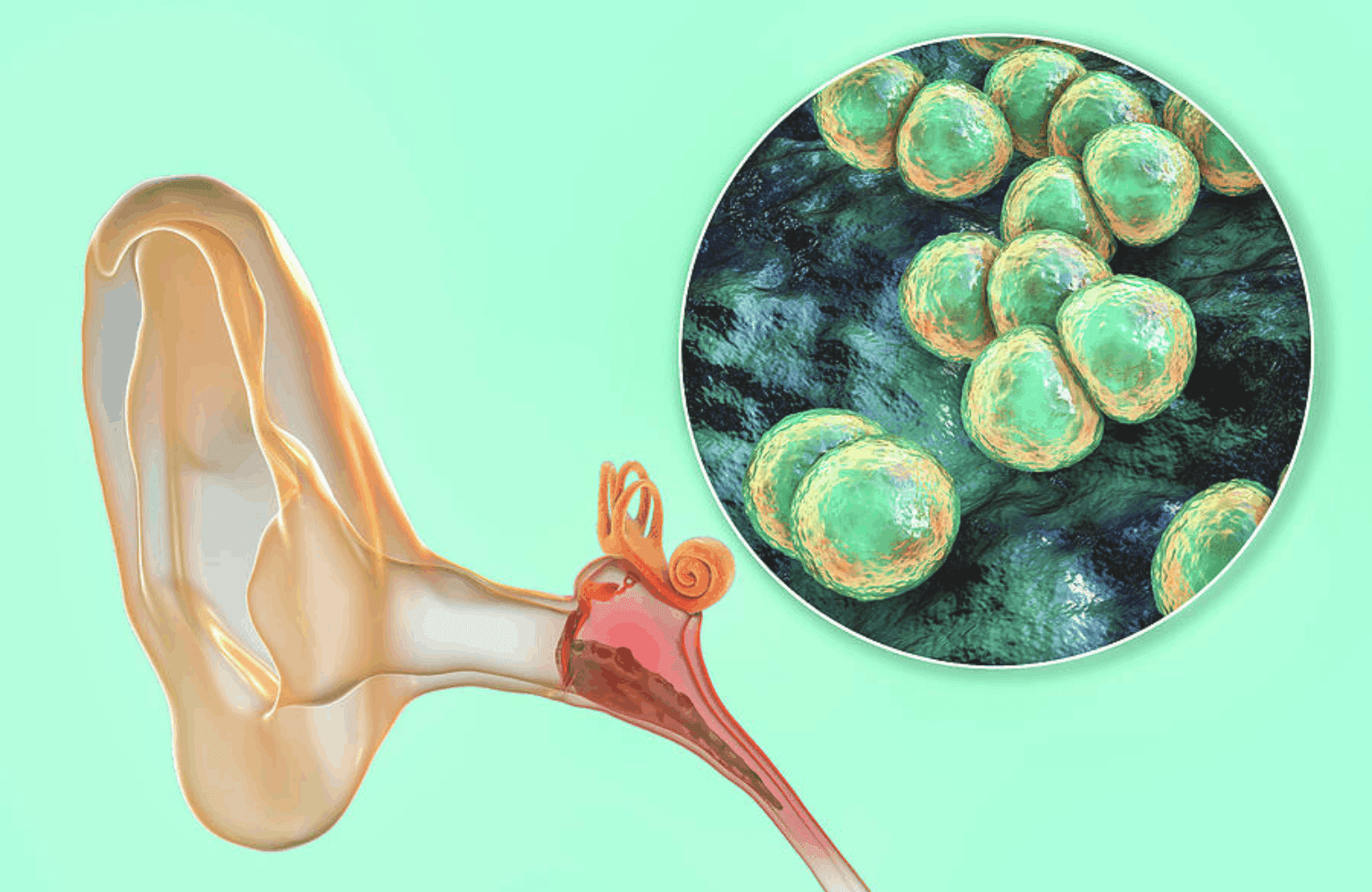
Introductory summary
Otitis media correlates with the Ayurvedic conditions Karnashula characterized by intense ear pain and Karnasrava involving discharge. It arises when vitiated Vata dosha moves improperly through the auditory channels often complicated by Pitta and Kapha which lead to inflammation and suppuration. Common causes include exposure to cold wind water entering the ear and complications from respiratory infections. Management focuses on pacifying Vata and cleansing the cranial pathways. Key therapies include Karnapurana where warm medicated oils like Deepika Taila or Kshara Taila are retained in the ear to alleviate pain. Nasya or nasal administration of herbal oils is also prescribed to clear the eustachian tubes while internal decoctions like Dashamula are used to reduce inflammation.
Otitis Media
Otitis Media is a group of inflammatory diseases of the middle ear. In Ayurveda, the symptoms associated with this condition—specifically ear pain, inflammation, and discharge—are described under the umbrella of Karnaroga (Diseases of the Ear). The acute phase characterized by intense pain is termed Karnashula, while the chronic or suppurative phase involving discharge is termed Karnasrava or Putikarna. These conditions are primarily attributed to the vitiation of the Vata dosha, often complicated by Pitta and Kapha.
1. Definition
Modern Definition: Otitis media is an infection or inflammation of the middle ear (the space behind the eardrum). It can be acute (painful) or chronic (associated with discharge). Ayurvedic Definition:
- Karnashula: An intense pain in the ear caused by the aggravated Vata dosha moving in the wrong channels of the ear.
- Karnasrava/Putikarna: A condition where the ear discharges pus or fluid due to the melting of Kapha and Pitta in the head region, leading to suppuration.
2. Etymology & Conceptual Meaning
- Karna: Ear.
- Shula: A piercing or colic-like pain.
- Srava: Flow or discharge.
- Conceptual Interpretation: Ayurveda views the ear as a seat of Akasha (Space) and Vata (Air). When Vata is disturbed, it creates dryness and pain (Shula). If the condition progresses to involve infection (Pitta/Kapha), it leads to putrefaction (Puti) and discharge (Srava).
3. Causes (Nidana)
The causes are generally those that aggravate Vata and Kapha, leading to channel obstruction.
- Lifestyle Causes:
- Exposure to cold wind or mist (Avashyaya).
- Entering water (swimming/bathing) where water enters the ear (Jalakrida).
- Scratching or probing the ear (Karnakandu) with hard objects.
- Dietary Causes: Consumption of cold, dry, or mucus-producing foods that vitiate the Doshas in the head region.
- Secondary Causes: It often arises as a complication of Pratishyaya (Common Cold), where the infection travels from the nasopharynx to the ear.
4. Journey of the Disease (Pathogenesis/Samprapti)
- Samprapti Ghataka (Components):
- Pathogenesis: According to Madhava Nidana, the Vata dosha (specifically Prana Vayu) becomes vitiated and moves in a retrograde or improper manner (Anyatha Charann) within the ear canals. This Vata dries up the local Kapha and tissues, causing intense, piercing pain (Karnashula). If Pitta and Kapha are also involved (often due to a background of cold/sinus congestion), they cause heating and suppuration, leading to the discharge of pus (Putikarna).
5. Symptoms (Lakshana)
- Early Symptoms (Acute Phase):
- Karnashula: Severe, pricking pain in the ear. The text describes it as "tormenting the ear".
- Shabda: Tinnitus or ringing sounds (Karnanada) may accompany the pain.
- Advanced Symptoms (Chronic/Suppurative Phase):
- Karnasrava: Discharge of fluids (pus, mucus, or watery discharge) from the ear.
- Durgandha: Foul smell (in Putikarna).
- Badhirya: Partial or complete hearing loss (Deafness) if the blockage persists.
6. Different Types or Classification (Bheda)
Madhava Nidana and Chakradatta discuss ear diseases under the general heading of Karnaroga, often classifying them by symptoms rather than distinct "types" of otitis:
- Vataja: Dominated by intense pain and noise.
- Pittaja: Dominated by burning sensation, redness, and yellow discharge.
- Kaphaja: Dominated by itching, heaviness, and white/thick discharge.
- Sannipataja: Involving all three Doshas, difficult to cure.
7. Diagnosis
- Ayurvedic Diagnosis (Roga Pariksha):
- Darshana (Observation): Inspecting the ear for redness, swelling (Shotha), or discharge (Srava).
- Prashna (Questioning): Asking about the nature of pain (throbbing vs. constant) and history of colds.
- Differential Diagnosis: Distinguishing between simple earache (Karnashula) and infective conditions (Krimikarna - parasitic/worm infestation).
8. Disease Management
The management involves Vata-Shamana (pacifying Vata) and Shodhana (cleansing) of the head region.
Medicines
- Deepika Taila: A specific medicated oil mentioned in Chakradatta for treating ear pain (Karnashula).
- Kshara Taila: An alkaline medicated oil used for cleaning the ear, treating discharge, and worms.
- Apamarga Kshara Taila: Specifically used for ear diseases like tinnitus and deafness.
- Dashamula Kwatha: A decoction of ten roots used internally to pacify Vata and reduce inflammation in the head region.
Panchakarma (Procedures)
- Karnapuran: Filling the ear with warm medicated oil. This is the specific therapy for Karnashula (earache) and Vata disorders of the ear. Note: This is generally contraindicated if there is an active discharge or tympanic perforation, where drying agents are preferred.
- Nasya: Administering medicated oil through the nose. Since the "nose is the gateway to the head" (Nasa Hi Shiraso Dvaram), this helps clear the Eustachian tube and sinus congestion.
- Dhumapana: Medicated smoking (inhalation of herbal smoke) to dry up secretions in the head and ear.
- Gandusha: Holding medicated oil or decoctions in the mouth to strengthen the jaw and ear connection.
Diet (Ahara)
- Recommended: Light, warm, and Vata-pacifying foods.
- Avoid: Cold water, yogurt, heavy/oily foods, and exposure to cold wind (Pravaata).
9. Prognosis
- Sadhya (Curable): Acute earache (Karnashula) in a healthy person is generally easily curable.
- Krichra (Difficult): Chronic discharge (Putikarna) or conditions involving Krimi (infection/parasites) are difficult to treat.
- Asadhya (Incurable): If the condition leads to total nerve deafness or severe structural damage, it may be considered incurable.
10. Modern Correlations
- Karnashula = Acute Otitis Media: The intense pain described aligns with the pressure buildup in acute infection.
- Karnasrava/Putikarna = Chronic Suppurative Otitis Media (CSOM): The description of purulent discharge matches CSOM.
- Karnanada = Tinnitus: Often a sequela of Otitis Media.
11. References
-
World Health Organization (WHO)
Otitis media – global burden, prevention, and complications
https://www.who.int/publications/i/item/WHO-FWC-MCA-15.02
-
Centers for Disease Control and Prevention (CDC)
Middle ear infection (Otitis Media) – causes and treatment
https://www.cdc.gov/antibiotic-use/ear-infection.html
-
National Institute on Deafness and Other Communication Disorders (NIDCD – NIH)
Otitis media and ear infections
https://www.nidcd.nih.gov/health/ear-infections
-
Mayo Clinic
Otitis media: symptoms, causes, diagnosis, and treatment
https://www.mayoclinic.org/diseases-conditions/ear-infections/symptoms-causes/syc-20351614
-
StatPearls – NCBI Bookshelf
Otitis Media (peer-reviewed clinical summary)
https://www.ncbi.nlm.nih.gov/books/NBK470332/
-
Karnashoola / Karnasrava (Ayurvedic correlation of Otitis Media)
https://www.ncbi.nlm.nih.gov/pmc/articles/PMC5452224/
12. FAQ Section
Q: Can I put oil in my ear for pain?
A: Ayurveda recommends Karnapuran (filling the ear with warm oil) for Karnashula (earache) caused by Vata. However, if there is discharge (Srava) or a tear in the eardrum, oil should generally be avoided until the infection is dried.
Q: What is the best Ayurvedic oil for ear problems?
A: Deepika Taila and Kshara Taila are classical preparations mentioned in Chakradatta specifically for treating ear pain and ear diseases.
Q: Why does Ayurveda treat the nose for ear problems?
A: Ayurveda considers the nose (Nasa) the gateway to the head (Shiras). Therapies like Nasya (nasal drops) treat the Doshas in the entire head region, helping to clear the channels connected to the ear (similar to the Eustachian tube connection).
Q: What causes ear discharge in Ayurveda?
A: Ear discharge (Karnasrava) is caused when the Vata dosha is complicated by Kapha and Pitta, leading to the melting and rotting (Puti) of tissues inside the ear.
Consult a Doctor
- AI4.9Dr. Aayush Ishwar
Ayurveda2 yrs exp
- SJ3.9SUMEDH JOSHI
Ayurveda7 yrs exp
- VH3.9Vaidya Harsh
Ayurveda9 yrs exp
- GG3.0Dr GN Govinda
Ayurveda1 yrs exp
More on Otitis media Symptoms and Causes
Buy Medicine
 Prescribed to you4.5₹25 cashback
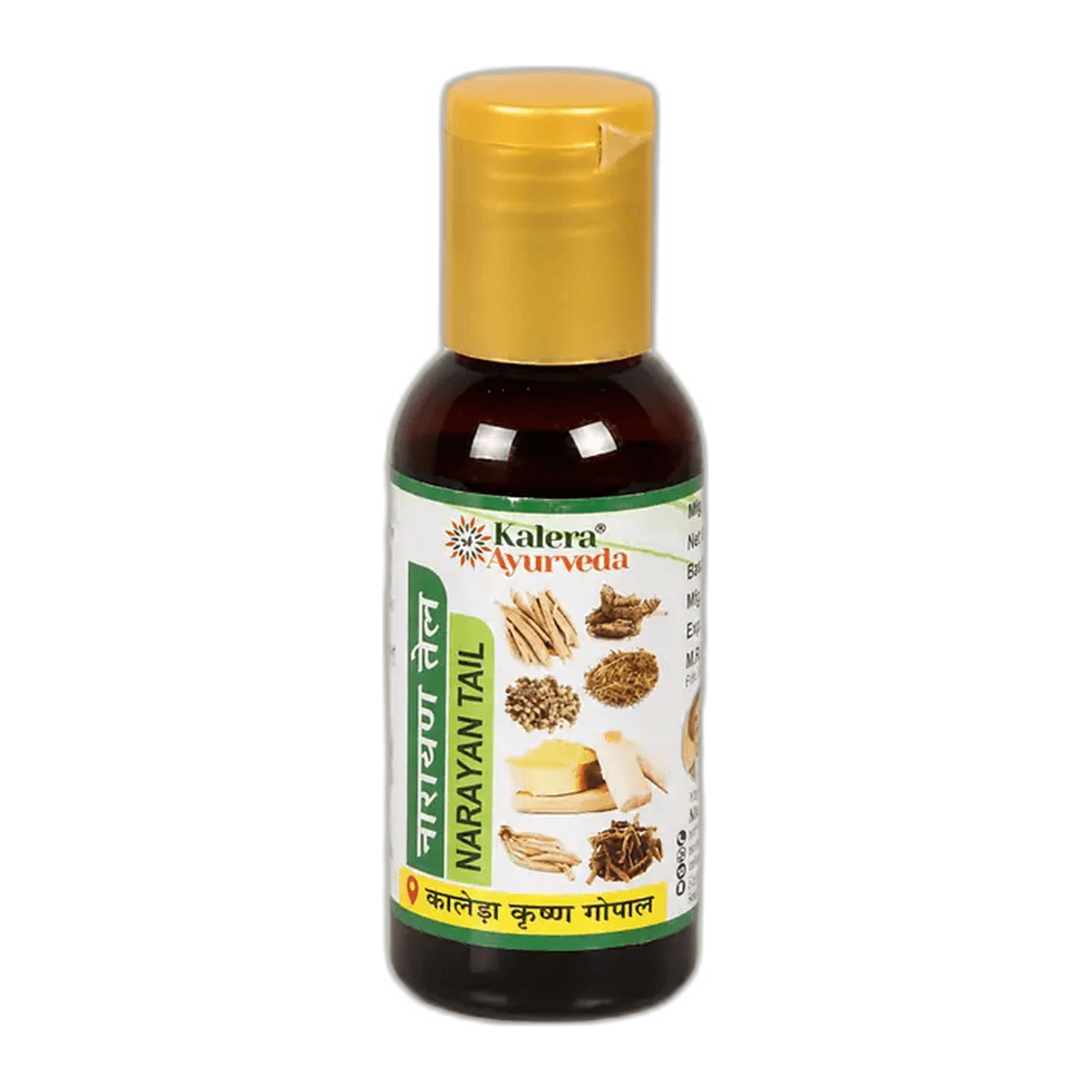
Narayan Taila (Kalera) Kalera
Supports nerve & joint massage
Bottle of 50 ml
4.5
₹255Get ₹25 Cashback
₹28711% off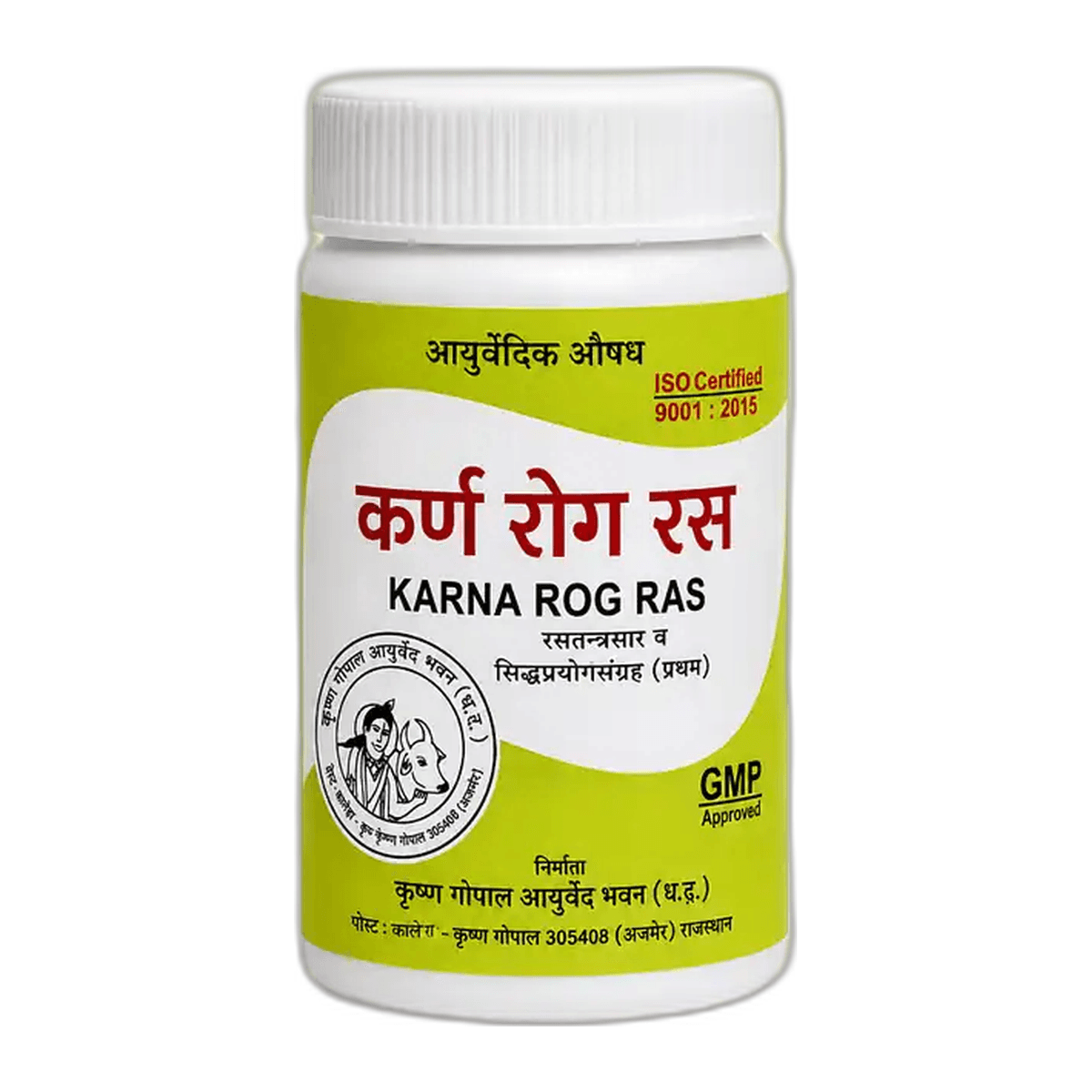 Prescribed to you4.6₹40 cashback
Karna Rog Ras (Kalera)KaleraSupports ear disorders and tinnitus
Container of 10 g
4.6
₹400Get ₹40 Cashback
₹46414% off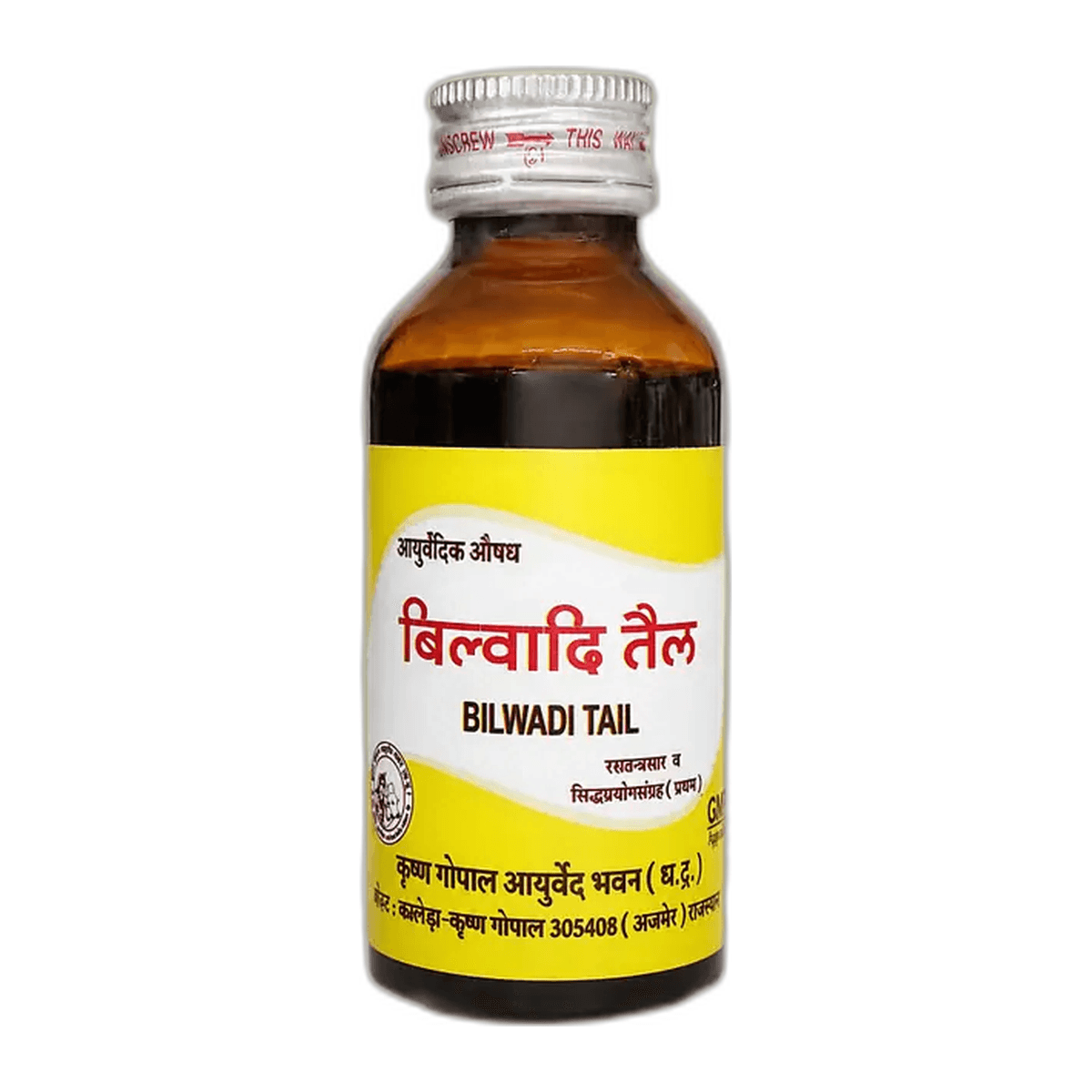 Prescribed to you4.7₹17 cashback
Bilvadi Taila (Kalera)KaleraDaily support for ear pain
Bottle of 50 ml
4.7
₹174Get ₹17 Cashback
₹20113% off
