Irregular Periods Causes and the Ayurvedic View
Reviewed by medical experts · For informational purposes only

Introductory summary
Understand irregular periods, the traditional Artava Kshaya perspective, common causes, when to see a doctor and safe care.
1. Definition
Periods are usually considered irregular when the gap between them is less than 21 days or more than 35 days, or when the normal pattern changes. Occasional variation is common and is not usually a sign of a problem, especially when periods first start in puberty or near menopause.
Ayurvedic texts discuss absent, delayed or scanty menstruation under terms such as Artava Kshaya, Anartava and Nashtartava, and within the broader Yonivyapad group of gynaecological disorders. These are traditional interpretive frameworks, not exact translations of a modern diagnosis. A missed period can also be an early sign of pregnancy; a pregnancy test and, when needed, a clinician's assessment come before any treatment.
2. Etymology & Conceptual Meaning
- Artava refers to the menstrual fluid, described as an Upadhatu (secondary tissue) of Rasa Dhatu.
- Kshaya means diminution or deficiency; Artava Kshaya signifies reduced, delayed or scanty menstrual flow.
- Anartava (An- + Artava) denotes non-appearance of menstruation; Nashtartava (Nashta + Artava) describes menstruation "lost" through channel obstruction by Vata and Kapha.
- Yonivyapad (Yoni + Vyapad) covers the twenty classical uterine and gynaecological disorders described in Charaka Samhita, Sushruta Samhita, Ashtanga Hridaya and Madhava Nidana.
These terms explain a traditional model. Cycle length, hormone levels and ovulation are assessed with modern history-taking and tests.
3. Causes (Nidana)
Classical accounts attribute menstrual irregularity to dry, cold or insufficient food, excessive physical exertion, daytime sleeping, suppression of natural urges, emotional stress, and not following a proper menstrual regimen. Charaka Samhita lists four broad factors that disturb the female reproductive system: unwholesome diet and lifestyle (Mithyachara), vitiated menstrual fluid (Pradushta Artava), congenital factors (Beeja Dosha) and unforeseen factors (Daiva). These accounts should not be treated as a complete explanation for every irregular cycle.
Modern common causes include puberty, the approach of menopause, pregnancy, hormonal contraception, significant weight loss or gain, stress and anxiety, and excessive exercise. Sometimes a condition such as polyendocrine metabolic ovarian syndrome (PMOS, formerly called PCOS) or a thyroid problem is responsible.
Do not assume an irregular cycle is simply the result of poor habits; a clinician can look for secondary causes when needed.
4. Journey of the Disease (Pathogenesis / Samprapti)
In the traditional account, unwholesome diet, lifestyle and stress weaken digestive fire (Agnimandya) and produce Ama; aggravated Apana Vayu and Kapha then obstruct the Rasavaha and Artavavaha Srotas (channels), disturbing the formation of Artava from Rasa Dhatu and leading to delayed, scanty or absent flow. This is a traditional explanatory model, not a proven account of hormone regulation.
In modern medicine, the menstrual cycle is coordinated by hormones from the brain, pituitary gland and ovaries. Disruption at any level - stress, weight change, thyroid imbalance, PMOS or perimenopause - can change the timing of ovulation and therefore the cycle.
Samprapti Ghataka: a traditional interpretive framework
| Component | Traditional interpretation, not a laboratory diagnosis |
|---|---|
| Dosha | Apana Vayu and Kapha often emphasised; Pitta in variants with burning or heavy flow |
| Dushya | Rasa and Rakta Dhatu; Meda and Mamsa discussed in some interpretations |
| Srotas | Rasavaha, Raktavaha, Medovaha and Artavavaha Srotas |
| Srotodushti | Sanga (obstruction) and Vimarga-gamana (misdirected flow), traditional explanatory concepts |
| Agni | Impaired Jatharagni and Rasa Dhatvagni in the Ayurvedic model |
| Ama | A traditional concept of incomplete processing, not a measurable hormone |
| Adhisthana | Garbhashaya (uterus), Beejashaya (ovaries) and Yoni in the traditional model |
| Roga Marga | Depends on the practitioner's assessment and associated disease |
These are not validated categories for deciding whether someone needs hormone tests or treatment.
5. Symptoms (Lakshana)
The main sign is a change in the expected pattern: cycles shorter than 21 days or longer than 35 days, missed periods, or unusually scanty or prolonged flow. Traditional descriptions add pelvic discomfort or cramps (Yoni Shula), discoloration or foul-smelling discharge, and associated features such as weight gain or loss, acne and excess facial hair.
See a doctor if periods are repeatedly irregular, last longer than 7 days, come with bleeding between periods, or occur with weight gain, tiredness, facial hair growth or skin changes. Irregular periods with difficulty getting pregnant also deserve assessment. Severe one-sided pelvic pain with a missed period needs urgent care to rule out an ectopic pregnancy.
6. Different Types or Classification (Bheda)
Traditional classification describes Vataja patterns (irregular intervals, severe cramping, scanty dark or frothy flow), Pittaja patterns (yellowish or foul-smelling flow with burning) and Kaphaja patterns (delayed, pale, slimy flow with heaviness). Classical texts also name Artava Kshaya (scanty, delayed), Anartava/Nashtartava (absent), Arajaska Yonivyapad (deficient menses with dryness) and Pushpaghni Jataharini (cycles without ovulation, often with weight gain and facial hair). These are traditional assessments, not replacements for modern evaluation.
Modern practice distinguishes patterns such as infrequent periods (oligomenorrhoea), absent periods (amenorrhoea), and irregular bleeding, and looks for underlying causes such as PMOS or thyroid disease.
7. Diagnosis
Roga-Rogi Pariksha
An Ayurvedic consultation may review food, activity, sleep, stress, medical history and the menstrual pattern in detail, using frameworks such as Nidana Panchaka and Trividha or Ashtasthana Pariksha. Pulse or tongue assessment cannot establish a hormone level or confirm the cause of an irregular cycle.
Modern assessment and differential diagnosis
Keeping a period diary or app record helps show whether cycles are truly irregular. A clinician may ask about weight changes, stress, exercise, contraception and medicines, and may order a pregnancy test, hormone blood tests (including thyroid) or an ultrasound. Conditions such as PCOD are considered where relevant. Treatment decisions follow the cause, not one symptom or a traditional constitution alone.
8. Disease Management
Food (Ahara)
Traditional guidance favours warm, light, freshly cooked food; classical texts mention horsegram soup, sesame, black gram, garlic, barley, buttermilk and sour fermented gruels in this context, and advise avoiding excessively cold, dry, heavy and channel-blocking foods along with daytime sleeping. No single food is a cure, and a blanket food ban is not necessary for everyone. A balanced diet that supports a healthy weight matters more than any one ingredient; choose changes with a clinician or dietitian, considering individual needs.
Lifestyle (Vihara)
Traditional advice emphasises menstrual rest and hygiene (Rtumati Charya), not suppressing natural urges, moderate regular exercise and managing stress. Modern guidance similarly notes that stress, sudden weight change and excessive exercise can disturb cycles. Very intense exercise or strict dieting should not be used to force a cycle change.
Medicines and traditional formulations
If a cause such as PMOS or a thyroid problem is found, modern treatment targets that cause; for example, the combined pill may be offered to regulate cycles in PMOS, and thyroid medicines treat thyroid imbalance. Do not stop or delay prescribed treatment because cycles feel manageable or to try herbs instead.
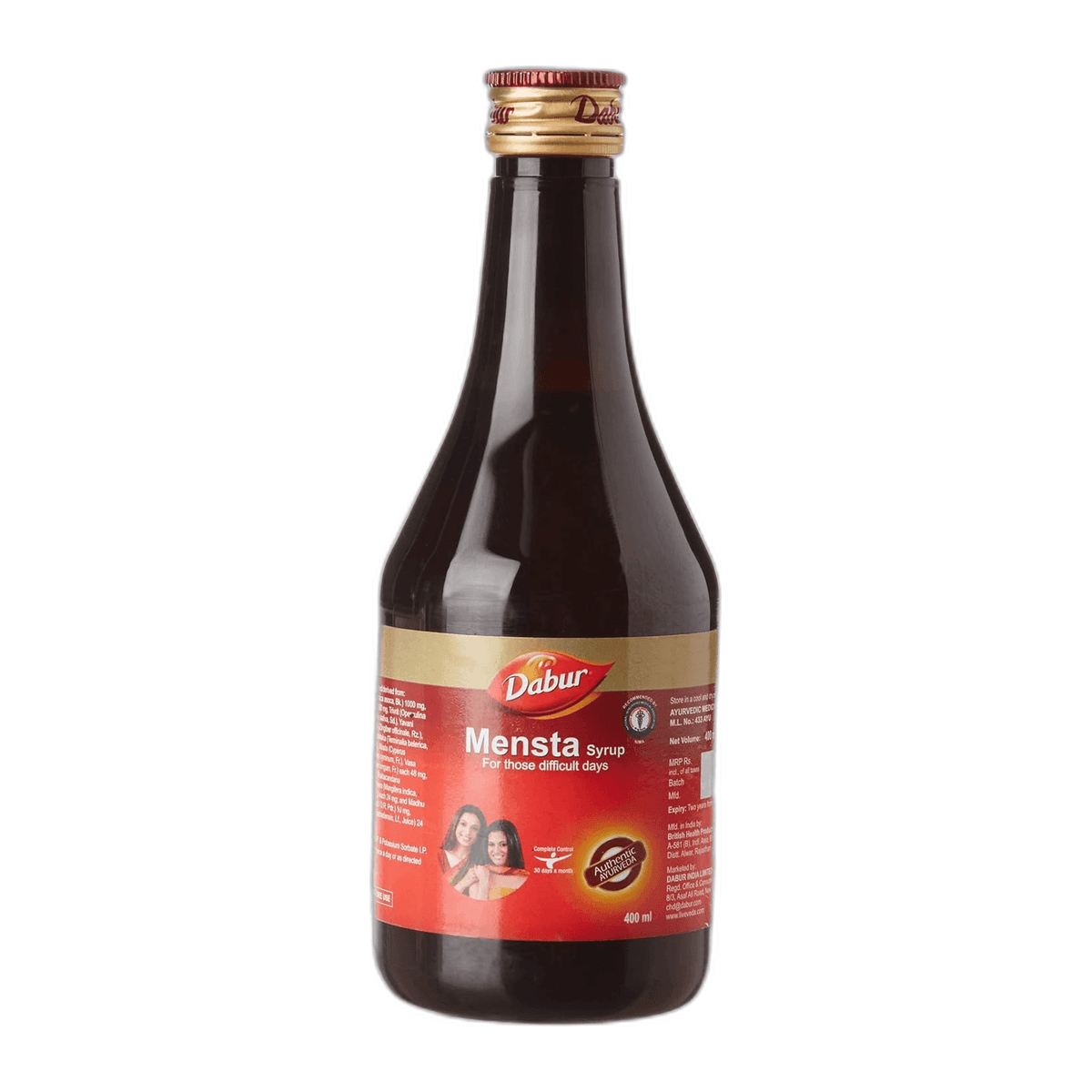
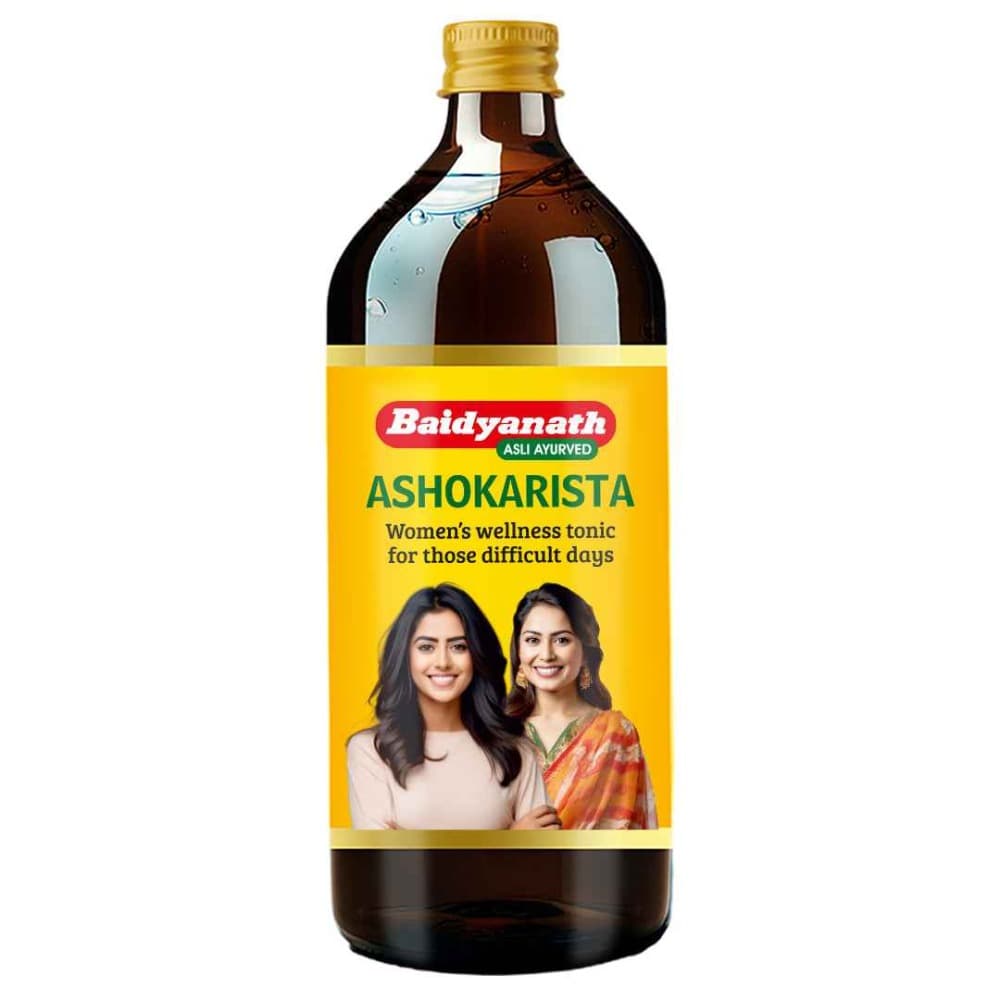
Classical formulations used in Ayurvedic practice for menstrual irregularity include Shatavari, Ashoka, Kumari (aloe), Shatapushpa, sesame and Guggulu, and preparations such as Rajahpravartini Vati, Chandraprabha Vati, Ashokarishta, Kumariyasava and Dashamoolarishta. Their traditional use does not establish that they restore ovulation or correct hormone imbalance, and evidence is limited. Substances described as emmenagogues (that bring on menstruation) can be unsafe in pregnancy, which must be excluded first. Herbal products can cause side effects and interact with medicines; discuss the exact product and ingredients with your clinician and a qualified Ayurvedic practitioner.
Panchakarma and external therapies
Classical texts describe Snehana, Swedana, Vamana, Virechana, Basti and Uttara Basti in this context. These are traditional procedures, not proven ways to restore ovulation or regulate hormones. There is insufficient evidence to recommend them instead of established medical care. Purgation, enemas and intra-uterine procedures can cause harm and should never be attempted at home.
9. Prognosis (Expected Course and Outcome)
Many irregular cycles settle on their own or improve when a trigger such as stress, weight change or excessive exercise is addressed. Cycles linked to PMOS or thyroid problems usually improve when the underlying condition is treated. Classical texts consider recent-onset, single-dosha disorders in young patients easier to correct, and chronic or multi-factorial cases harder. There is no reliable promise that any herb or food will restore a regular cycle within a fixed number of months.
If pregnancy is the goal, irregular ovulation can make conception harder; a clinician can advise on tests and treatment rather than waiting indefinitely.
10. Modern Correlations
Both approaches encourage attention to food, activity, weight, stress and overall health. The important difference is that modern assessment uses cycle tracking, hormone tests and ultrasound to find the cause and judge treatment.
Artava Kshaya is not identical to oligomenorrhoea, and Anartava is not identical to a diagnosed amenorrhoea; traditional terms should be presented as a separate framework, with its limits stated. Ayurvedic care must not replace pregnancy testing, hormone assessment or prescribed treatment.
11. References
Traditional background
The Ayurveda notebook draws on discussions of Artava, Yonivyapad and Artavavaha Srotas in Charaka Samhita (Chikitsa Sthana 30), Sushruta Samhita (Sharira Sthana and Uttara Tantra), Ashtanga Hridaya (Sutra Sthana and Uttara Tantra 33) and Madhava Nidana (Chapters 61-62). These are background for traditional concepts, not clinical proof of a cycle-regulating effect. Exact verse citations and formulation indications should be checked by a qualified Ayurvedic editor before being quoted as direct text.
Modern clinical information
Government and institutional resources
The institutional links are general resources, not endorsements of the treatment claims in this article.
12. FAQ Section
Is one irregular cycle a problem?
Usually not. Cycle length can vary, especially in puberty and near menopause. See a doctor if periods stay irregular or the pattern clearly changes.
Can stress really delay my period?
Yes. Stress and anxiety are recognised causes of irregular cycles, along with weight change and excessive exercise.
Should I take Shatavari or Ashoka to start a late period?
Not without advice. A late period can mean pregnancy, and herbs described as bringing on menstruation can be unsafe in pregnancy. Rule out pregnancy first and discuss any product with your clinician.
Will irregular periods stop me getting pregnant?
They can make it harder because ovulation may not happen regularly. A clinician can arrange tests and treatment; do not simply wait.
Is a thyroid problem linked to irregular periods?
Yes. Thyroid problems and PMOS are recognised causes, which is why medical assessment matters when cycles stay irregular.
Related reading
Medical disclaimer: This article is for education, not an individual diagnosis or prescription. Discuss all medicines and supplements with a qualified clinician. Seek urgent care for severe one-sided pelvic pain with a missed period.
Consult a Doctor
- KC5.0Dr. Kamesh chand sharma
Ayurveda2 yrs exp
- PP4.4Dr prince patel
Ayurveda22 yrs exp
- KH4.4Dr Kowshalya H S
Ayurveda3 yrs exp
- AK4.8Dr. Amalnath K Viswanathan
Ayurveda4 yrs exp
Buy Medicine
 Prescribed to you5.0₹17 cashback
Ashokarishta (Baidyanath) Baidyanath
Supports women's wellness and menstrual
Bottle of 450 ml
5.0
₹178Get ₹17 Cashback
₹20614% off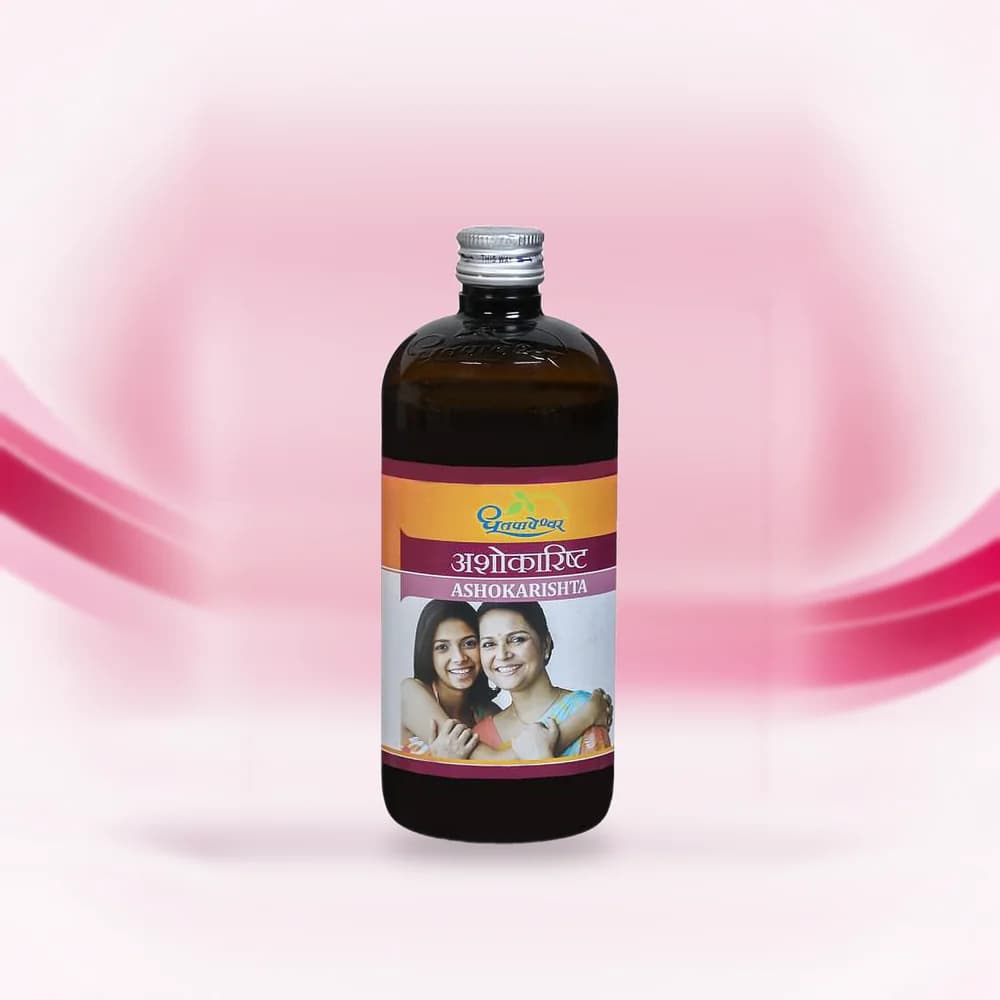 Prescribed to you4.5₹10 cashback
Ashokarishta (Dhootapapeshwar) SDL
Supports women's wellness and menstrual
Bottle of 200 ml
4.5
₹100Get ₹10 Cashback
₹11110% off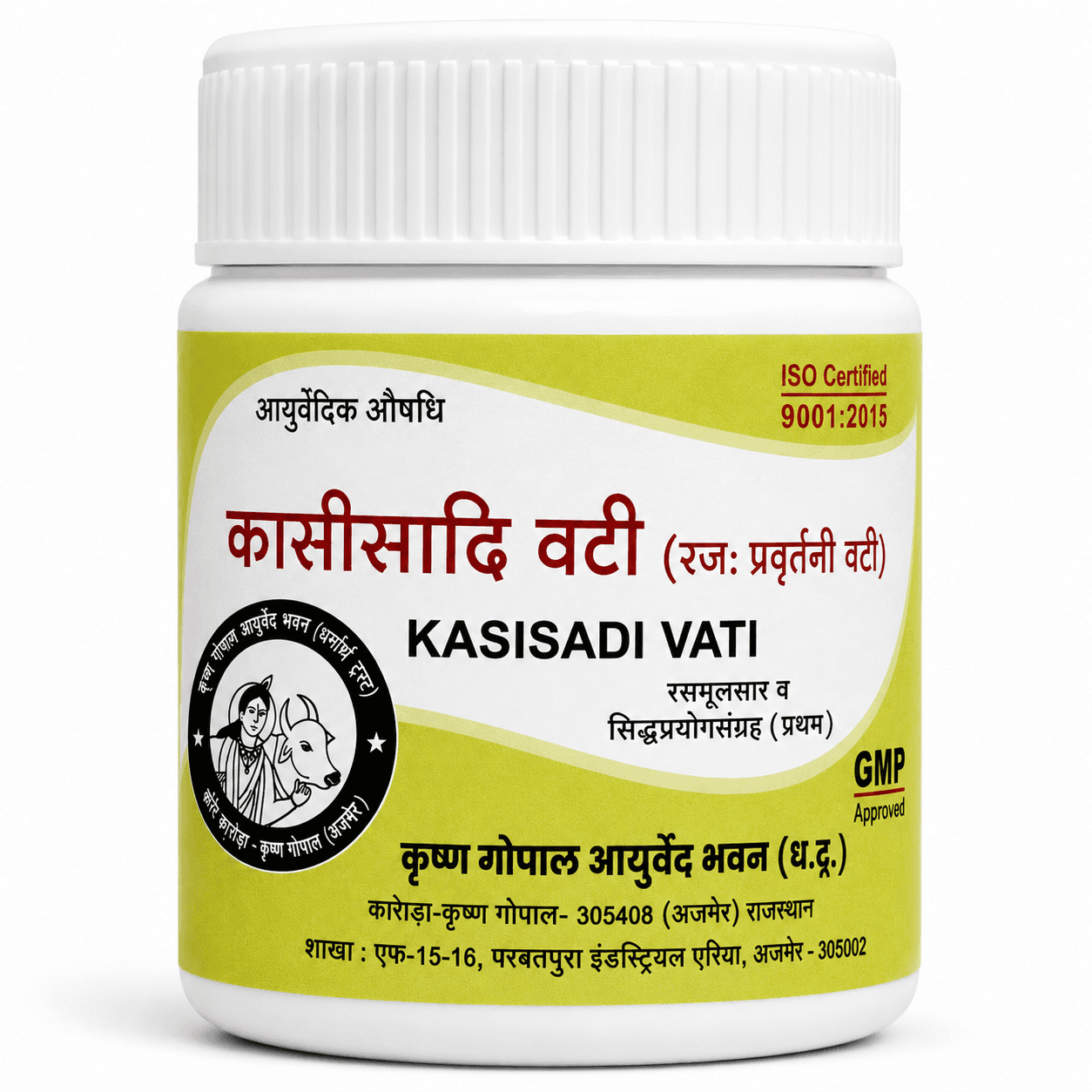 Prescribed to you4.5₹6 cashback
Kasisadi Vati (Pra.Vi.) / Rajah-pravartini Vati (Kalera) Kalera
Supports menstrual regulator and emmenagogue
Strip of 30 Tablets
4.5
₹60Get ₹6 Cashback
₹6812% off