

PCOD Symptoms and Causes
Reviewed by medical experts · For informational purposes only
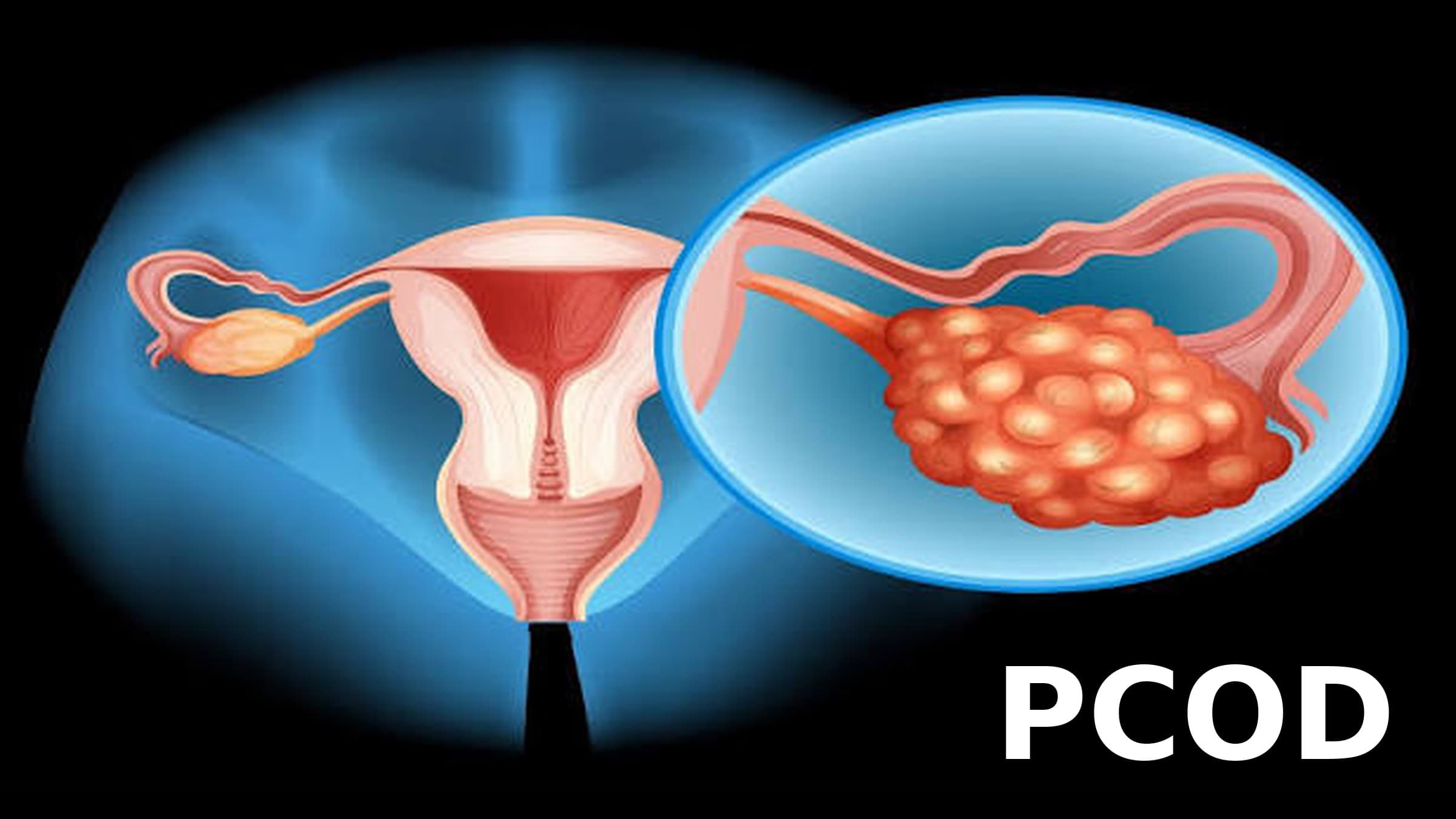
Introductory summary
PCOD explained the Ayurvedic way: causes, symptoms, pathogenesis, diet, lifestyle, classical medicines and Panchakarma treatment for polycystic ovarian disease.
PCOD, Polycystic Ovarian Disease, is a common hormonal condition in women of reproductive age in which the ovaries make many small, immature eggs that stay inside and turn into tiny fluid-filled sacs (cysts). In Ayurveda it is understood as a Kapha-Vata disorder in which weak digestive fire produces Ama (metabolic toxins), which blocks the channels of the reproductive system (Artavavaha Srotas) and stops timely ovulation. Classical texts describe matching conditions such as Pushpaghni Jataharini (Kashyapa Samhita), Artava Kshaya and Nashtartava (Sushruta Samhita). Common signs are irregular or delayed periods, weight gain, acne, excess facial hair, hair fall and difficulty in conceiving. Treatment works on the root cause: improving digestion, reducing Kapha and fat, clearing the blocked channels and balancing Vata through diet, lifestyle, classical medicines like Kanchanar Guggulu, Shatavari and Ashokarishta, and Panchakarma therapies like Vamana, Virechana, Basti and Uttara Basti. With regular treatment and lifestyle correction, most women can manage PCOD well and restore healthy cycles.
PCOD
PCOD is a condition in which a woman's ovaries release many immature or partially mature eggs that remain inside the ovary and gradually form small cysts. The ovaries can become enlarged and produce more male-type hormones (androgens) than normal, which disturbs the monthly cycle. It is one of the most common hormonal problems in young women today. Ayurveda sees it not as a disease of the ovary alone but as the end result of poor digestion, Kapha imbalance and blocked body channels, so treatment works on the whole body rather than only on the ovaries.
1. Definition
- Modern Definition: PCOD is a hormonal disorder in which the ovaries contain many small cysts (usually visible on ultrasound), along with irregular ovulation and raised androgen levels. When it occurs with a more severe metabolic picture it is also called PCOS (Polycystic Ovary Syndrome).
- Ayurvedic Definition: There is no single classical name for PCOD. Its features closely match Pushpaghni Jataharini described in the Kashyapa Samhita, Artava Kshaya (scanty or delayed menstrual flow, Sushruta Samhita Sutra Sthana 15) and Nashtartava (absence of ovulation or periods). It is a Kapha-pradhana Tridoshaja disorder in which aggravated Kapha and Medas (fat tissue) obstruct the Artavavaha Srotas (channels carrying menstrual flow and the ovum), and obstructed Apana Vayu fails to release the egg on time.
2. Etymology & Conceptual Meaning
- Literal Meaning: "Poly" means many, "cystic" means fluid-filled sacs, and "ovarian" refers to the ovaries. The name simply describes what is seen on ultrasound: many small cysts in the ovaries.
- Conceptual Interpretation: Ayurveda explains PCOD through the Samprapti (disease pathway) rather than the cyst itself. The Kashyapa Samhita describes Pushpaghni as "Vrtha pushpam tu ya nari" - a woman whose cycles occur but remain fruitless (without ovulation), along with Lomasa Gandata (excess hair growth on the face and body). Sushruta defines Artava Kshaya as "Yatha-uchita-kale adarsanam alpatvam va yoni-vedana cha" - menstrual flow that does not appear at the proper time, is scanty, and is accompanied by pelvic pain. When vitiated Kapha and Medas combine with Vata, they form Granthi (encapsulated glandular swellings) in the Dimbashaya (ovaries), which modern scans identify as cysts.
3. Causes (Nidana)
- Dietary Causes (Aharaja Nidana):
- Excessive intake of heavy, oily and processed food (Ati-Guru, Snigdha Ahara).
- Overeating sweet, sour and salty foods (Madhura, Amla, Lavana Rasa) which aggravate Kapha and Medas.
- Adhyashana: eating a fresh meal before the previous food is digested, which forms Ama.
- Excess of refined flour items (Pishthanna), jaggery (Guda) and heavy dairy products.
- Lifestyle Causes (Viharaja Nidana):
- Avyayama and Asya-sukha: lack of exercise and a sedentary routine, leading to fat accumulation and channel blockage.
- Diva-swapna: sleeping during the day, which directly increases Kapha and Ama.
- Vega-dharana: suppression of natural urges such as flatus, urine and menstrual discharge.
- Psychological Factors (Manasika Nidana):
- Chinta, Soka, Krodha and Bhaya: long-standing stress, grief, anger and anxiety disturb Prana Vayu and the Manovaha Srotas, which upsets the brain-ovary (hypothalamic-pituitary-ovarian) rhythm and weakens tissue-level digestion (Dhatvagni).
4. Journey of the Disease (Pathogenesis / Samprapti)
How the disease develops:
- Kapha-increasing food and lifestyle weaken the digestive fire (Jatharagnimandya) and produce Ama.
- Ama and vitiated Kapha circulate in the body and cause Srotorodha (blockage) in the Rasavaha, Medovaha and Artavavaha Srotas.
- Weak tissue fire (Dhatvagnimandya) produces excess improper Medas and disturbs the formation of Artava (the ovum and menstrual fluid) from Rasa Dhatu.
- Apana Vayu, which governs ovulation and menstrual release, becomes obstructed in the ovaries by Kapha and Medas.
- Unreleased, immature follicles collect in the ovary and form multiple small cysts (Granthi), which appear as irregular periods, anovulation and metabolic disturbance.
- Samprapti Ghataka (Components):
- Dosha: Kapha-pradhana Tridoshaja - increased Kledaka Kapha, disturbed Samana and Apana Vayu, lowered Pachaka Pitta.
- Dushya: Rasa, Rakta, Meda, Mamsa and Artava (Upadhatu of Rasa).
- Srotas: Artavavaha, Rasavaha, Medovaha and Manovaha Srotas, with Sanga (obstruction) and Granthi (cystic formation) as the type of damage.
- Agni: Jatharagnimandya and Dhatvagnimandya (weak digestive and tissue fire).
- Ama: Jathara-Ama and Dhatu-Ama (toxins at gut and tissue level).
- Adhisthana: Dimbashaya (ovaries), Garbhashaya (uterus) and Artavavaha Dhamani.
5. Symptoms (Lakshana)
- Early Symptoms:
- Artava Alpatva: scanty menstrual flow.
- Aniyamita Artava: irregular or delayed cycles.
- Mukhadushika / Yuvana-pidaka: facial acne and pimples.
- Ati-Sthaulya and Gaurava: unexplained weight gain, heaviness and lethargy.
- Yoni Picchilata: slimy or excessive clear vaginal discharge.
- Advanced Symptoms:
- Nashtartava: missed periods for months (secondary amenorrhea).
- Vrtha Pushpa: cycles that occur but without ovulation, causing difficulty in conceiving.
- Lomasa Gandata: excess hair growth on the face, chin and body (hirsutism).
- Bandhyatva: infertility due to failure of the follicle to mature and rupture.
- Prameha Purvarupa: signs of insulin resistance such as dark velvety skin patches on the neck or underarms, excessive thirst and fatigue.
- Khalitya: hair fall and thinning of scalp hair.
- Manasika symptoms: mood fluctuations, low mood and disturbed sleep.
6. Different Types or Classification (Bheda)
Classical classification:
PCOD itself is a modern term, so the classical texts do not list its types directly. Based on the Dosha predominance described for the matching classical conditions, three presentations are recognised:
- Kaphaja / Kapha-Vataja Type (Obese PCOD):
- Predominance of Kapha and Meda.
- Marked weight gain or obesity, long delays between periods or absent periods, larger cystic ovaries, insulin resistance, lethargy and mucus-type discharges.
- Vata-Kaphaja Type (Lean PCOD):
- Predominance of Vata (Apana Vayu).
- Normal or low body weight, painful periods (Yoni-vedana), very irregular cycles, scanty flow and anxiety.
- Pitta-Anubandhi Type (Inflammatory / Hyperandrogenic PCOD):
- Pitta-Rakta involvement.
- Severe cystic acne (Mukhadushika), hair fall (Khalitya), marked excess hair growth (Lomasa), burning sensation and skin pigmentation.
Functional (modern) classification:
- Classic type: irregular ovulation, raised androgens and polycystic ovaries together.
- Ovulatory type: raised androgens and polycystic ovaries, but cycles still regular.
- Non-androgenic type: irregular cycles and polycystic ovaries without raised androgens.
7. Diagnosis
- Ayurvedic Diagnosis (Roga-Rogi Pariksha):
- Prashna (questioning): menstrual history, digestion, sleep, stress, diet and activity habits.
- Nadi Pariksha and Ashtavidha Pariksha: assessing the balance of Kapha, Vata and the state of Agni and Ama.
- Examination of Artava: pattern of Artava Kshaya (scanty, delayed flow) or Nashtartava (absent flow) with signs of Kapha-Medo obstruction guides the line of treatment.
- Modern Diagnosis:
- Ultrasound (pelvic or transvaginal): many small follicles arranged at the edge of enlarged ovaries.
- Blood tests: androgen levels, LH/FSH ratio, thyroid (TSH), prolactin, fasting sugar and insulin.
- Doctors commonly use the Rotterdam criteria: any two of (1) irregular ovulation, (2) clinical or blood-test evidence of raised androgens, (3) polycystic ovaries on ultrasound.
- Differential Diagnosis (brief):
- PCOD must be distinguished from hypothyroidism, raised prolactin and other causes of irregular periods, which is why thyroid and prolactin tests are advised before confirming the diagnosis.
8. Disease Management
Treatment aims to kindle Agni, digest Ama, reduce Kapha and Medas, clear the blocked channels and restore the normal movement of Apana Vayu. Even 5 to 10 percent weight reduction markedly improves cycles in most women.
Diet (Ahara)
- Pathya (Beneficial):
- Old barley (Yava), red rice (Rakta Sali) and coarse grains such as Kangu, Kodrava and Syamaka, which are light and scraping (Lekhana).
- Green gram (Mudga) and horse gram (Kulattha), which clears Kapha-Vata obstruction in the reproductive fluids.
- Garlic (Lasuna), Surana (elephant foot yam), Patola (pointed gourd), Karavella (bitter gourd) and Sigru (drumstick).
- Trikatu spices (dry ginger, black pepper, long pepper) to ignite Agni.
- Honey (Kshoudra, never heated), fresh diluted buttermilk (Takra) and warm water (Usnodaka).
- Apathya (Avoid):
- Curd (Dadhi), fresh unboiled milk, heavy cream and excessive ghee or butter.
- Sweets, jaggery in excess, refined flour (maida) items, bakery and deep-fried food.
- Incompatible combinations (Viruddhahara) such as milk with fish or sour fruits.
- Meat of marshy or aquatic animals.
Lifestyle (Vihara)
- Regular exercise (Vyayama) up to half of one's strength: brisk walking, active sports or similar daily movement for 30 to 45 minutes.
- Strict avoidance of day sleep (Diva-swapna); keep regular night sleep hours.
- Fasting or light meals at suitable intervals (Langhana) under guidance, to digest Ama and lighten the body.
- Dry powder massage (Udvartana) to reduce stagnant fat and clear the skin.
- Manage stress: avoid prolonged grief, anger and worry; practice prayer, meditation and Pranayama (Anulom-Vilom, Bhramari). Yoga postures such as Surya Namaskar, Baddha Konasana (Butterfly pose), Bhujangasana and Dhanurasana improve pelvic circulation and hormonal balance.
Medicines
Classical formulations used in PCOD, chosen by the physician according to the presentation:
- Kanchanar Guggulu: Kanchanar bark with Triphala, Trikatu, Varuna and Guggulu; the primary formulation for glandular and cystic growths (Granthi) and channel obstructions.
- Triphala Guggulu: Kapha-Vata pacifier used in chronic swellings and metabolic stagnation, especially when weight is dominant.
- Varunadi Kashaya: clears Kapha and fat disorders (Medoroga) and helps break down internal lumps and cysts (Gulma, Granthi).
- Pushyanuga Churna: classical powder for menstrual complaints (Rajodosha) and leucorrhoea.
- Lodhra / Lodhrasava: astringent, Kapha-Meda reducing, used in uterine and menstrual disorders.
- Ashokarishta / Ashoka Ghrita: uterine tonic used in amenorrhea, painful periods and other menstrual disorders.
- Kumariasava: improves digestion and is used in abdominal lumps and female reproductive disorders.
- Phala Ghrita / Sukumara Ghrita: medicated ghee indicated for uterine disorders, infertility and strengthening the female reproductive organs.
- Shatavari: reproductive Rasayana and uterine tonic that supports ovulation and cycle regularity.
- Trikatu Churna: improves digestion and reduces obesity and channel sluggishness.
These medicines should be taken only in the dose and combination advised by a qualified Ayurvedic physician after examining your Prakriti and symptoms. You can consult verified Ayurvedic doctors on the Sanatan Ayurveda app (consult a doctor) for a personalised prescription.
Panchakarma (Therapies)
Purificatory treatment (Shodhana) is considered superior to palliative treatment because it removes the aggravated Doshas from the root and prevents recurrence.
- Vamana (therapeutic emesis): for Kapha-predominant PCOD with obesity, heaviness and extensive channel blockage.
- Virechana (therapeutic purgation): when Pitta-Rakta is involved - inflammatory acne, marked hirsutism or pigmentation - or after Vamana to cleanse the digestive tract.
- Basti (medicated enema): the premier treatment for Vata; regulates Apana Vayu and is used in amenorrhea and Vata-Kapha presentations. Given as decoction (Niruha) or oil (Anuvasana) enemas in a planned course.
- Uttara Basti (intrauterine administration of medicated oil or ghee such as Phala Ghrita): a specialised procedure for disorders of the uterus and ovaries, anovulation and infertility, done under expert supervision at the proper time of the cycle.
9. Prognosis (Expected course and outcome)
- Early vs chronic prognosis:
- Sukha-Sadhya (easily curable): recent-onset PCOD in young women with good digestive fire and body strength, mild Ama and only irregular or scanty periods, without long-standing cystic changes.
- Krichrasadhya (difficult to cure): chronic cases with months of absent periods, marked obesity, weak tissue fire and extensive ovarian cysts; these need prolonged Shodhana and scraping (Lekhana) therapy.
- Yapya (manageable): long-standing cases with metabolic complications such as insulin resistance, where continuous diet, lifestyle and medicine support keeps the condition controlled.
- Factors affecting prognosis:
- Age and duration of the condition, body weight, strength of Agni, regularity of diet and exercise, stress levels and how consistently treatment is followed.
- If neglected, PCOD can progress to Type 2 diabetes, high blood pressure, cholesterol problems, thickening of the uterine lining and infertility.
10. Modern Correlations
- Similarities:
- Polycystic Ovary Syndrome (PCOS): PCOD is the common presentation of this broader syndrome; both match the classical picture of Artava Kshaya, Nashtartava and Pushpaghni Jataharini.
- Hyperandrogenism: raised male-type hormones, matching the Lomasa Gandata (excess hair) and Mukhadushika (acne) of the classical descriptions.
- Anovulation and oligomenorrhea: match Vrtha Pushpa and Artava Kshaya.
- Insulin resistance and metabolic syndrome: correspond to the Ayurvedic concept of Medo Dushti and Prameha Purvarupa.
- Differences:
- Ayurveda does not treat the cyst as the disease; it treats the blocked channels, weak Agni and Dosha imbalance behind it, while modern diagnosis centres on ultrasound findings and hormone levels.
- Limitations of correlation:
- The classical conditions (Pushpaghni, Artava Kshaya, Granthi) are symptom-based descriptions, so the match with PCOD is a close correlation, not an exact one-to-one identity. Modern tests remain necessary to confirm PCOD and to rule out thyroid, prolactin and other causes.
11. References
- Classical texts:
- Kashyapa Samhita, Kalpa Sthana (Revati Kalpadhyaya) - description of Pushpaghni Jataharini.
- Sushruta Samhita, Sutra Sthana 15 and Sharira Sthana 2 - Artava Kshaya and Nashtartava.
- Charaka Samhita, Chikitsa Sthana 30 - Yoni Vyapad including Kaphaja Yoni.
- Ashtanga Hridaya, Uttara Tantra 33 - Yoni Vyapad; Nidana Sthana - Granthi.
- Madhava Nidana - Nidana of Artava and Yoni disorders.
- The Ayurvedic Pharmacopoeia of India - formulations such as Kanchanar Guggulu, Lodhrasava, Ashokarishta, Kumariasava, Pushyanuga Churna.
- Modern research:
- World Health Organization (WHO) - Polycystic Ovary Syndrome
- National Institute of Child Health and Human Development (NICHD/NIH) - PCOS
- Mayo Clinic - Polycystic ovary syndrome
- Government / institutional sources:
- Ministry of AYUSH, Government of India
- Central Council for Research in Ayurvedic Sciences (CCRAS)
12. FAQ Section
Q: Is PCOD completely curable with Ayurveda?
A: PCOD is a lifestyle-linked condition. Ayurveda corrects the root imbalance - weak digestion, Ama and blocked channels - rather than only shrinking the cysts. With regular treatment, diet and exercise, most women see their cycles, skin and weight improve within 3 to 6 months, and many conceive naturally. Consistency is the key.
Q: What is the difference between PCOD and PCOS?
A: The terms are often used interchangeably. PCOD usually refers to ovaries with many immature follicles and a milder hormonal disturbance. PCOS is the broader metabolic syndrome with stronger hormonal and insulin-related changes. In practice both are managed with the same diet, lifestyle and treatment principles.
Q: Can I get pregnant if I have PCOD?
A: Yes. PCOD delays ovulation but does not usually destroy fertility. Once weight, digestion and cycles are corrected, ovulation returns and most women can conceive. An Ayurvedic physician can support ovulation with medicines and therapies such as Basti and Uttara Basti where needed.
Q: Which foods should I avoid in PCOD?
A: Avoid curd, heavy dairy, sweets and excess jaggery, refined flour (maida) items, bakery and packaged foods, deep-fried items and cold drinks. These increase Kapha and Medas and worsen the channel blockage behind PCOD.
Q: Is curd (yogurt) bad for PCOD?
A: Ayurveda advises avoiding curd in Kapha-dominant disorders because it is heavy, blocks channels (Abhishyandi) and increases Medas. Fresh, diluted buttermilk (Takra) churned and taken with a pinch of roasted cumin at lunchtime is a lighter alternative.
Q: Which Yoga is best for PCOD?
A: Surya Namaskar daily is the most useful single practice. Add Baddha Konasana (Butterfly pose), Bhujangasana and Dhanurasana for the pelvic organs, and Pranayama such as Anulom-Vilom and Bhramari for stress. Practise regularly for at least 12 weeks to see changes.
Q: How long does Ayurvedic treatment for PCOD take?
A: Most women need 3 to 6 months of consistent treatment, diet correction and exercise to see regular cycles. Long-standing or severe cases can take longer. Review progress with your physician every 4 to 6 weeks.
Medical disclaimer
This content is for education and does not replace a consultation. Ayurvedic treatment should be taken under the guidance of a qualified practitioner. In an emergency, contact local emergency services.
Related reading on Sanatan Ayurveda: Disease A-Z library · Acne · Obesity · Diabetes mellitus · Consult a doctor
Consult a Doctor
- KC5.0Dr. Kamesh chand sharma
Ayurveda2 yrs exp
- PP4.4Dr prince patel
Ayurveda22 yrs exp
- PJ5.0Dr. P. JOTEENDRA
Ayurveda2 yrs exp
- S4.6Dr. Shan
Ayurveda4 yrs exp
More on PCOD Symptoms and Causes
Buy Medicine
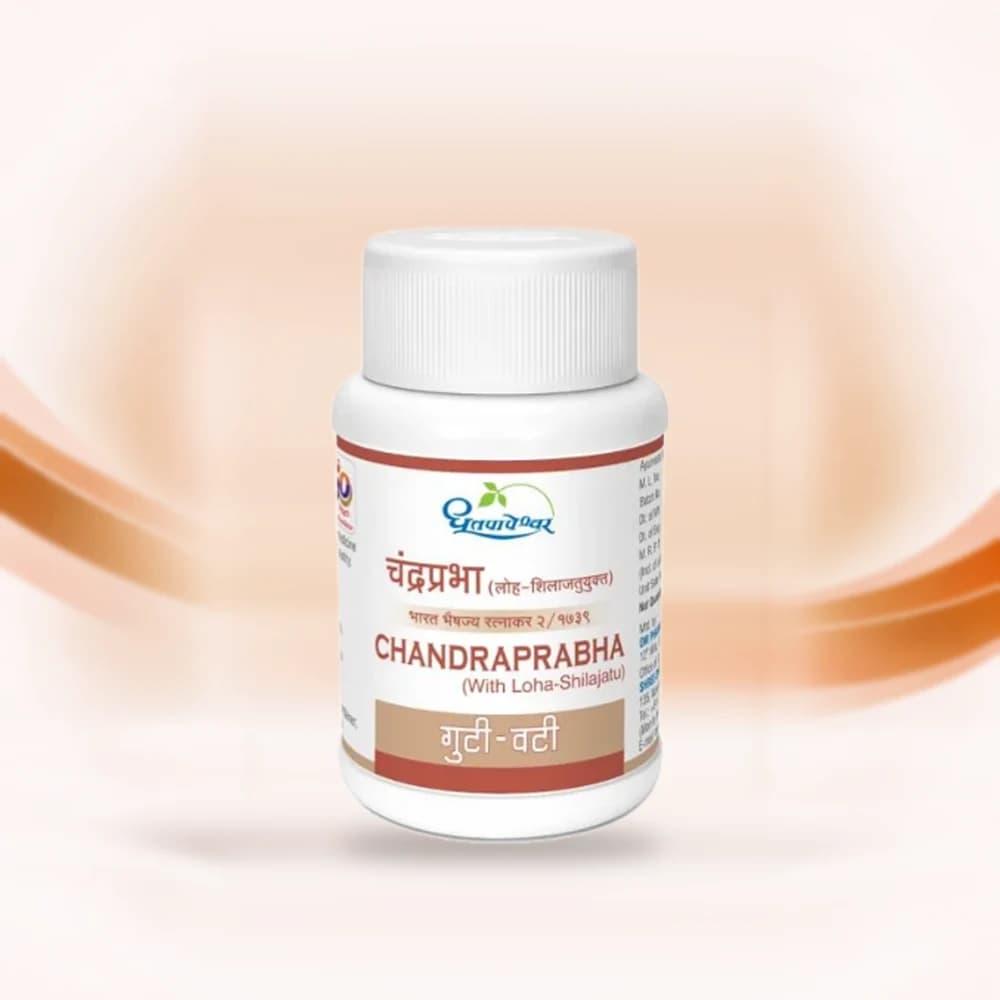 Prescribed to you4.6₹12 cashback
Chandraprabha (With Loha-Shilajatu) (Dhootapapeshwar) SDL
Supports urinary function
Strip of 30 Tablets
4.6
₹128Get ₹12 Cashback
₹14310% off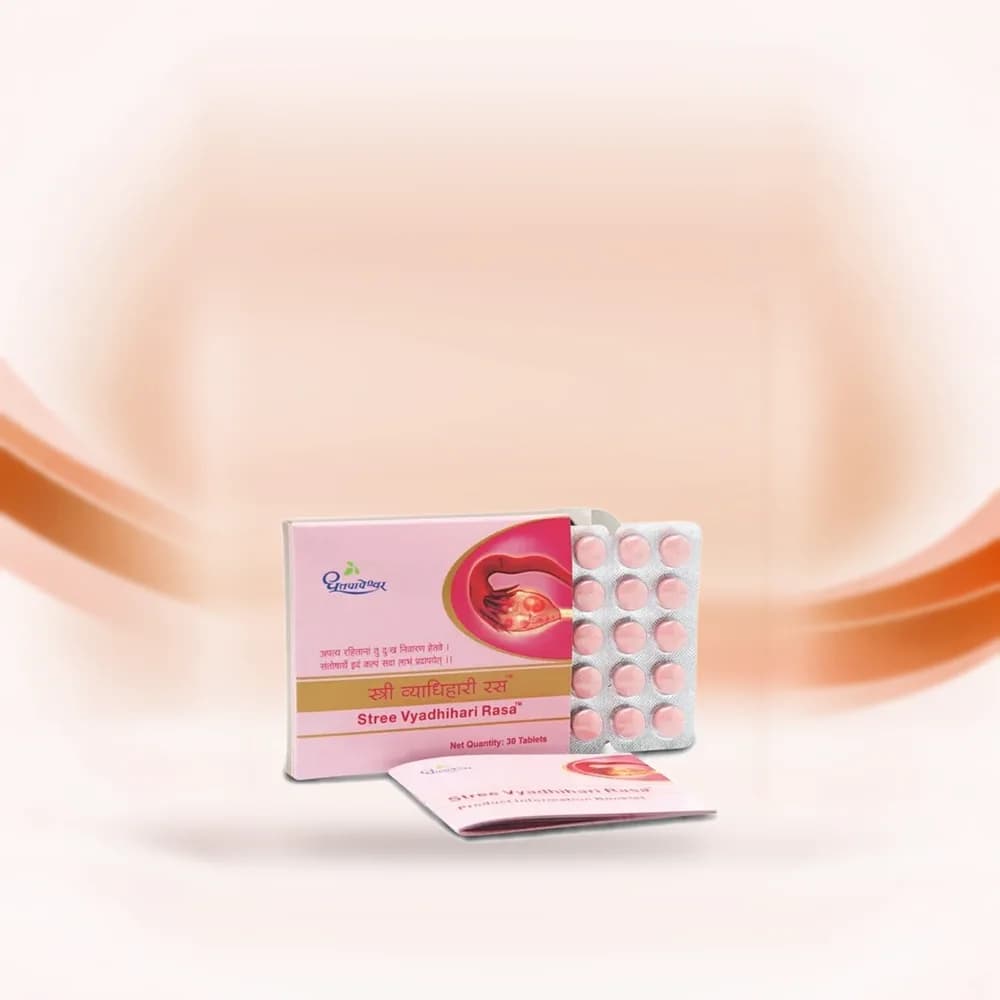 Prescribed to you4.4₹192 cashback
Stree Vyadhihari Rasa (Dhootapapeshwar)SDLSupports women's menstrual health
Strip of 30 Tablets
4.4
₹1,923.02Get ₹192 Cashback
₹2,15311% off
