

Paget's disease Causes and Symptoms
Reviewed by medical experts · For informational purposes only
Introductory summary
Pagets disease correlates with the Ayurvedic concepts of Asthigata Vata and Adhyasthi representing a disorder of bone metabolism or Asthi Dhatvagni. It arises from the aggravation of Vata dosha affecting the skeletal channels leading to severe bone pain known as Asthi Shula and structural deformities. Unlike typical Vata degenerative conditions this metabolic imbalance causes reactive bony overgrowth. Management emphasizes pacifying Vata using herbs with Tikta or bitter taste which purifies bone tissue. The Ayurvedic Formulary of India highlights formulations like Lakshadi Guggulu and Panchatikta Ghrita to support bone integrity and healing. Therapeutic procedures including Tikta Ksheera Basti or bitter milk enema and gentle oleation with oils like Mahanarayana Taila are prescribed to manage pain and arrest progression.
Paget's Disease
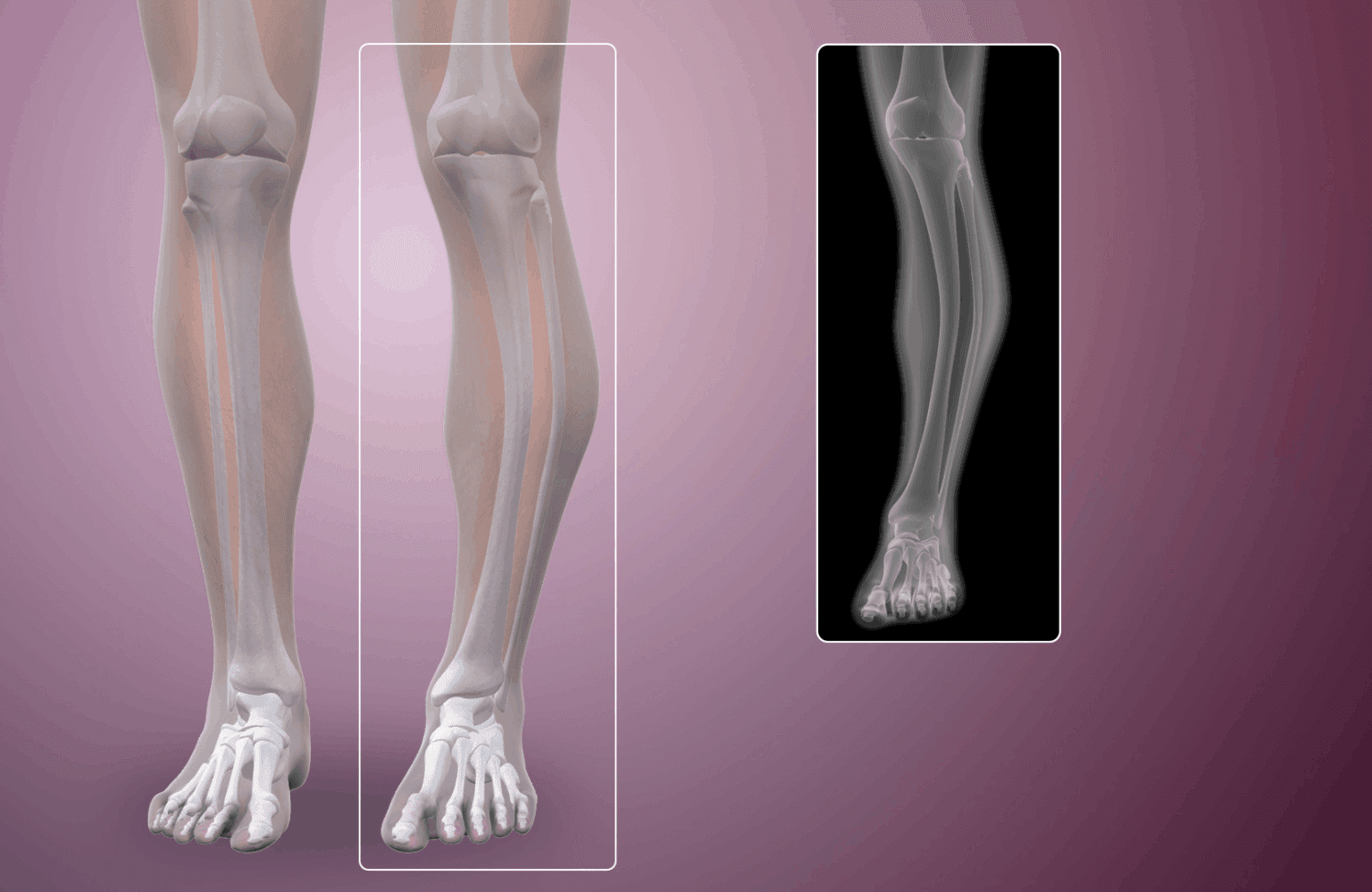
Paget's disease of bone (osteitis deformans) is a chronic disorder that disrupts the normal cycle of bone renewal, causing bones to become enlarged, deformed, and weak. In Ayurveda, this condition is understood through the pathology of Asthigata Vata (Vata dosha entering the bones) and Adhyasthi (hypertrophy or overgrowth of bones). It involves a disturbance in the Asthivaha Srotas (channels carrying bone nutrients) and the Majjavaha Srotas (channels carrying marrow/nerve nutrients), leading to structural deformities and pain.
1. Definition
- Modern Definition: A chronic bone disorder characterized by excessive bone resorption and disorganized bone formation, leading to enlarged, misshapen, and brittle bones.
- Ayurvedic Definition: A condition of Asthi-vaishamya (disequilibrium of bone tissue). It typically presents as Asthigata Vata, where the vitiated Air element (Vata) lodges in the bones causing pain and hollowness, or Adhyasthi, characterized by the formation of extra or enlarged osseous tissue over normal bone.
2. Etymology & Conceptual Meaning
- Asthigata Vata: Derived from Asthi (Bone), Gata (Located in), and Vata (Bio-energy of movement). It implies a pathological state where Vata disturbs the bony architecture.
- Adhyasthi: Derived from Adhi (Over/Above) + Asthi (Bone). It refers to the "superimposition of bone" or reactive bony overgrowth, a specific symptom listed under disorders of the Asthi (bone) tissue.
- Conceptual Interpretation: Ayurveda views bone (Asthi) as a tissue governed by Vata Dosha. When Vata is aggravated, it usually causes Kshaya (loss/porosity). However, in Paget's disease, a metabolic error (Dhatvagni Mandya) leads to incorrect formation, resulting in Adhyasthi (deformity/overgrowth) accompanied by Shula (pain) and fragility.
3. Causes (Nidana)
The primary cause is the aggravation of Vata Dosha combined with dietary deficiencies affecting bone integrity.
- Dietary Causes:
- Consumption of Vatala foods (dry, light, cold, and rough) which increase Vata and porosity in bones.
- Malnutrition or lack of Snehana (unctuousness/fats) leading to dry and brittle bones.
- Lifestyle Causes:
4. Journey of the Disease (Pathogenesis/Samprapti)
- Samprapti Ghataka (Components):
- Dosha: Vata (specifically Vyana Vayu which circulates nutrients and Apana Vayu governing the pelvic region) and Pitta (responsible for metabolic turnover/inflammation).
- Dushya (Tissues): Asthi (Bone) and Majja (Marrow).
- Srotas (Channels): Asthivaha (Bone-carrying) and Majjavaha (Marrow-carrying).
- Agni: Dhatvagni Mandya (Impaired metabolism at the tissue level).
- Pathogenesis:
- Etiological factors aggravate Vata Dosha.
- Vata enters the Asthivaha Srotas (bone channels).
- Due to impaired digestive fire in the bone tissue (Asthi Dhatvagni), there is irregular resorption and formation of bone.
- This manifests as Asthi Shula (pain) due to Vata, and Adhyasthi (deformity/thickening) due to the accumulation of unrefined bone tissue.
5. Symptoms (Lakshana)
- Early Symptoms:
- Asthi Shula: Deep, breaking pain in the bones.
- Sandhi Shula: Joint pain, often mistaken for arthritis.
- Advanced Symptoms:
- Adhyasthi: Visible enlargement or deformity of bones (e.g., skull, tibia).
- Asthi Bhagna: Pathological fractures due to brittle bones.
- Badhirya: Deafness (if the cranial bones compress the auditory nerve).
- Gatravikara: Physical deformity or curvature of limbs.
- Majjagata Vata signs: Continuous pain in bones and joints, feeling of hollowness, and loss of strength.
6. Different Types or Classification (Bheda)
While not strictly classified into types in classical texts, the presentation aligns with:
- Asthigata Vata: Dominated by pain (Shula) and wasting.
- Majjagata Vata: Dominated by deep pain and neurological involvement.
- Asthi-Majja Vidradhi: In cases involving severe inflammation or infection of the bone marrow.
7. Diagnosis
- Ayurvedic Diagnosis (Roga Pariksha):
- Sparshana (Touch): Palpation may reveal Asthi Vakra (curvature of bone) or increased local temperature (Ushna) if Pitta is involved.
- Darshana (Observation): Observing deformities, such as an enlarged skull or bowed legs.
- Prashna (Questioning): History of unremitting bone pain and fractures.
- Differential Diagnosis:
- Must be differentiated from Sandhigata Vata (Osteoarthritis) which primarily affects joints, whereas Paget's affects the bone shaft.
- Differentiated from Vatarakta (Gout) which affects small joints with severe burning pain.
8. Disease Management
Treatment focuses on Tikta Ksheera Basti (Bitter Milk Enema), Snehana (Oleation), and strengthening bone tissue (Asthi Poshana).
Diet (Ahara)
- Beneficial: Foods with Tikta (Bitter) taste processed with Ghrita (Ghee). Bitter taste has an affinity for Bone (Asthi) purification.
- Nutrients: Milk, Ghee, and Meat soup (Mamsarasa) are essential to nourish the wasting tissues.
Lifestyle (Vihara)
- Abhyanga: Gentle oil massage to pacify Vata.
- Avoid: Excessive exertion (Ativyayama) and falls.
Medicines
- Guggulu Preparations:
- Lakshadi Guggulu: Specific for bone healing, fractures (Asthi Bhagna), and low bone density.
- Yogaraja Guggulu: For Vata disorders involving joints and bones.
- Triphala Guggulu: Reduces inflammation and obstruction in channels.
- Ghrita (Medicated Ghee):
- Panchatikta Ghrita: Ghee processed with five bitter herbs (Neem, Patola, etc.) is the drug of choice for diseases of Asthi (bone) and Majja (marrow).
- Mahatiktaka Ghrita: Potent formulation for deep-seated skin and bone disorders.
- Herbs:
- Asthisrinkhala (Cissus quadrangularis): Known as "Bone Setter," it is specific for Asthi Bhagna (fractures) and strengthening bones.
- Guggulu: For Asthigata Vata and Majjagata Vata.
- Ashwagandha: For strength and Vata pacification.
- Bhasmas (Minerals):
- Kukkutandatvak Bhasma (Eggshell calcium) or Pravala Bhasma (Coral): Natural calcium sources for bone regeneration.
- Shilajatu: Rejuvenative for all tissues.
Panchakarma
- Basti (Enema): The most important therapy for Vata. Tikta Ksheera Basti (Milk boiled with bitter herbs) is specifically indicated for Asthigata Vata (Bone Vata disorders).
- Shashtika Shali Pinda Sweda: Bolus massage with rice and milk to strengthen muscles and bones.
- Kati Vasti: Retaining oil on the back if the spine is involved.
9. Prognosis
- Yapya (Manageable): Paget's disease is a chronic condition. While it cannot be completely cured, the progression can be managed, and pain relieved.
- Factors: Prognosis is worse if complications like deafness (Badhirya) or severe deformity have already set in.
10. Modern Correlations
- Osteitis Deformans: Correlates with the Ayurvedic description of Adhyasthi (thickening/overgrowth).
- Pathological Fractures: Correlates with Asthi Bhagna due to Vata.
- Bone Pain: Correlates with Asthi Shula found in Asthigata Vata.
11. References
-
World Health Organization (WHO) – Bone and musculoskeletal disorders
https://www.who.int/teams/noncommunicable-diseases
-
National Institute of Arthritis and Musculoskeletal and Skin Diseases (NIAMS – NIH) – Paget’s disease of bone
https://www.niams.nih.gov/health-topics/pagets-disease-bone
-
National Institutes of Health (NIH) – Paget disease
https://rarediseases.info.nih.gov/diseases/7193/paget-disease-of-bone
-
Mayo Clinic – Paget’s disease of bone
https://www.mayoclinic.org/diseases-conditions/pagets-disease-of-bone
-
StatPearls (NCBI Bookshelf) – Paget Disease of Bone
https://www.ncbi.nlm.nih.gov/books/NBK430805/
-
National Health Portal of India – पेजेट रोग (Paget’s Disease)
https://www.nhp.gov.in/disease/musculo-skeletal-bone-joints/paget-disease
-
Ministry of Health & Family Welfare, Government of India – अस्थि एवं जोड़ रोग
https://www.mohfw.gov.in/
12. FAQ Section
Q: Can Ayurveda cure Paget's disease?
A: Ayurveda considers chronic bone conditions like this as Yapya (manageable). While a complete cure is difficult, therapies can significantly reduce pain, prevent fractures, and halt progression.
Q: What is the best herb for bone strength in Ayurveda?
A: Asthisrinkhala (Cissus quadrangularis) is considered the premier herb for bone healing and strengthening. Guggulu formulations are also highly effective.
Q: Why are bitter herbs used for bone disease?
A: According to Ayurvedic principles, the Tikta (Bitter) taste has a specific affinity for Asthi (Bone) tissue. It helps in purifying the tissue and correcting the metabolism (Agni) of the bones.
Q: Is massage good for Paget's disease?
A: Yes, gentle application of medicated oils like Mahanarayana Taila or Dhanvantaram Taila is beneficial to pacify Vata, but deep pressure should be avoided on deformed or brittle bones.
Consult a Doctor
- AI4.9Dr. Aayush Ishwar
Ayurveda2 yrs exp
- SJ3.9SUMEDH JOSHI
Ayurveda7 yrs exp
- VH3.9Vaidya Harsh
Ayurveda9 yrs exp
- GG3.0Dr GN Govinda
Ayurveda1 yrs exp