

Thyroid disorder in Ayurveda
Reviewed by medical experts · For informational purposes only
Introductory summary
Thyroid disorder correlates with the Ayurvedic condition Galaganda characterized by a swelling in the neck likened to a scrotum. It arises from the vitiation of Kapha and Vata doshas along with Meda or fat tissue due to the consumption of heavy sweet foods and contaminated water. Symptoms vary by Dosha dominance ranging from rough painful swellings Vata to cold heavy and sweet tasting growths Kapha or soft fatty pendulous masses Meda. Management focuses on Kapha Vata pacification and fat reduction using formulations like Kanchanara Guggulu and therapies such as Vamana and Nasya. Ancient texts like Madhava Nidana classify it based on Dosha involvement while excluding a Pitta type though modern practice addresses inflammatory thyroid issues similarly.
Thyroid Disorder
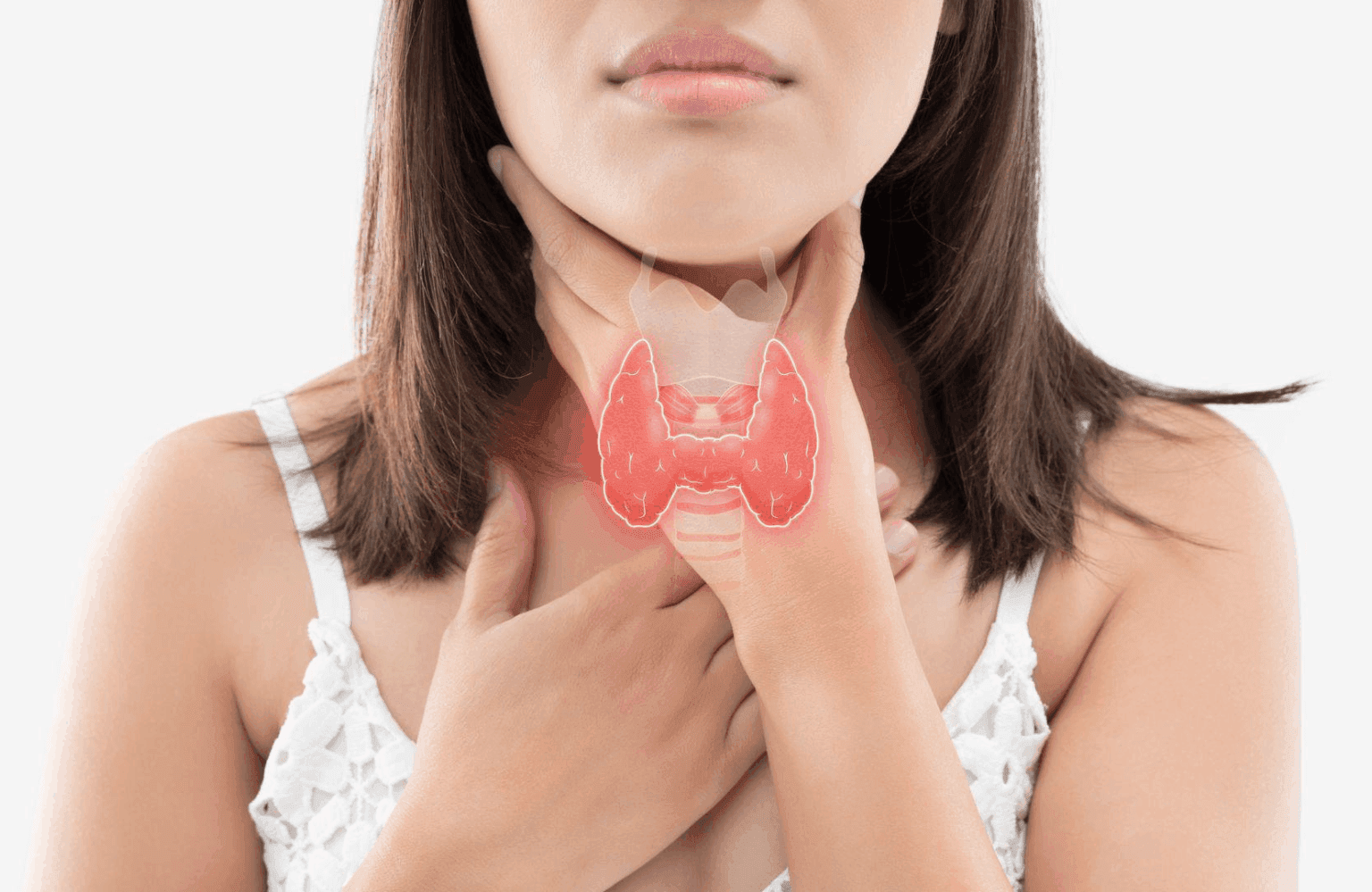
Thyroid Disorders encompass a range of conditions affecting the thyroid gland, primarily manifesting as enlargement (Goiter) or dysfunction (Hypothyroidism/Hyperthyroidism). In Ayurveda, thyroid enlargement is classically described as Galaganda. It is characterized by a swelling in the neck region that hangs like a scrotum. While classical texts deny a "Pittaja" (heat-based) type of Galaganda, modern Ayurvedic clinical practice also correlates conditions like Gandamala (cervical lymphadenitis) and Granthi (nodules) with various thyroid pathologies.
1. Definition
Modern Definition: An abnormal enlargement of the thyroid gland (Goiter) or dysfunction in hormone production.
Ayurvedic Definition: Galaganda is defined as a swelling in the neck (Gala) where the vitiated Vata and Kapha doshas, along with Meda (fat), accumulate to form a lump that hangs like a scrotum (Mushkavat) or a gourd.
2. Etymology & Conceptual Meaning
- Galaganda: Derived from Gala (Throat/Neck) and Ganda (Lump/Swelling).
- Conceptual Interpretation: Ayurveda categorizes this as a disease of the Meda (adipose tissue) and Kapha dosha. It represents a metabolic disorder where heavy, unctuous substances obstruct the channels in the neck, leading to tissue growth. The texts explicitly state that while Vata and Kapha cause this, Pitta (fire/heat) is generally not the primary cause of Galaganda, distinguishing it from inflammatory abscesses.
3. Causes (Nidana)
The primary causes involve factors that aggravate Kapha and fat, leading to obstruction in the neck region.
- Dietary Causes:
- Consumption of Dushta Ambu (contaminated or heavy water).
- Intake of Viruddha Ahara (incompatible food combinations).
- Excessive consumption of foods that are Madhura (sweet), Amla (sour), Snigdha (oily/unctuous), and Guru (heavy to digest).
- Use of milk products (Kshira), jaggery (Guda), and fatty meats (Mamsa).
- Lifestyle Causes:
- Divaswapna: Sleeping during the day, which increases Kapha and Meda.
- Avyayama: Lack of physical exercise.
- Avasthana: Improper posture or sleeping positions that affect the neck.
Modern Causes: Iodine deficiency is the most common cause worldwide, affecting an estimated 2.2 billion people. Other causes include Hashimoto's thyroiditis and Graves' disease.
4. Journey of the Disease (Pathogenesis/Samprapti)
- Samprapti Ghataka (Components):
- Dosha: Primarily Kapha and Vata.
- Dushya (Tissues): Meda (Fat) and Mamsa (Muscle).
- Adhisthana (Site): Gala (Throat) and Manya (Nape of the neck).
- Pathogenesis:
- Due to the intake of Kapha-aggravating food and sedentary lifestyle, Kapha and Meda (fat) increase in the body.
- The vitiated Vata dosha propels this accumulated Kapha to the neck region.
- These elements lodge in the tissues of the throat, causing an obstruction in the channels (Srotas).
- Over time, this accumulation solidifies and enlarges, forming a non-suppurating (pus-free) swelling known as Galaganda.
Modern Pathogenesis: Iodine deficiency leads to inadequate thyroid hormone production, causing the pituitary gland to secrete more TSH, which stimulates thyroid growth and results in goiter formation.
5. Symptoms (Lakshana)
The symptoms vary based on the dominant Dosha involved:
- Vataja Galaganda:
- Toda: Pricking pain.
- Krishna Sira: Appearance of blackish veins on the swelling.
- Parushya: Roughness and dryness of the swelling.
- The swelling grows slowly over time.
- Kaphaja Galaganda:
- Sthira: The swelling is firm and fixed.
- Guru: Heaviness in the neck.
- Mandaruja: Little or mild pain.
- Sheetala: Cold to the touch.
- Madhurasyata: Sweet taste in the mouth.
- Medoja (Fat-origin) Galaganda:
- Snigdha: The swelling is soft and unctuous (oily).
- Pandu: Pale color.
- Durgandha: May emit a foul smell.
- Alabuvat: Hangs loosely like a bottle gourd or cucumber.
- Svarabheda: Hoarseness of voice or difficulty in speaking.
- Kanduyuta: Itching is present.
Modern Symptoms: Goiter typically presents as swelling in the lower portion of the front of the neck. Associated symptoms depend on thyroid function: hypothyroidism symptoms include fatigue, weight gain, and cold intolerance, while hyperthyroidism symptoms include rapid heartbeat, weight loss, and heat intolerance.
6. Different Types or Classification (Bheda)
According to Madhava Nidana, Galaganda is classified into three types. Notably, a Pitta (inflammatory/hot) type is excluded from this specific definition:
- Vataja (Dominated by Air/Ether).
- Kaphaja (Dominated by Water/Earth).
- Medoja (Dominated by Adipose tissue).
Note: Related conditions include Gandamala (chain of swellings/lymphadenitis) and Granthi (hard nodules).
Modern Classification: Simple (diffuse) goiter, nodular goiter, and multinodular goiter. Goiters are also classified as toxic (producing excess hormone) or nontoxic.
7. Diagnosis
- Ayurvedic Diagnosis (Roga Pariksha):
- Darshana (Observation): Visual assessment of the neck for pendulous swelling (Alabuvat).
- Sparshana (Palpation): Checking for coldness (Kapha) vs. roughness (Vata) and consistency (soft/fatty vs. hard).
- Prashna (History): Inquiring about dietary habits (heavy, sweet foods) and habitat (places with bad water).
- Differential Diagnosis:
- Distinguished from Vidradhi (Abscess) which involves inflammation and suppuration (Pitta), whereas Galaganda is typically a metabolic accumulation without suppuration.
Modern Diagnosis: Physical examination reveals neck swelling. Blood tests assess thyroid function (TSH, T3, T4), and ultrasound imaging evaluates thyroid size and nodules. Fine-needle aspiration biopsy may be performed for suspicious nodules.
8. Disease Management
Management focuses on Kapha-Vata pacification, Medohara (fat reduction), and Shodhana (purification).
Diet (Ahara)
- Pathya (Beneficial):
- Yava (Barley): Recommended for scraping fat and Kapha.
- Mudga (Green Gram): Light and easily digestible.
- Tikta Rasa: Bitter vegetables like Patola (Pointed gourd) and Karavellaka (Bitter gourd).
- Old Rice: Preferred over new rice which increases Kapha.
- Apathya (Avoid): Heavy dairy products, sour foods, sugarcane products, and sedentary habits.
Medicines
- Kanchanara: Specific formulations using Kanchanara (Bauhinia variegata) bark are indicated for glandular swellings and Galaganda.
- Guggulu Preparations:
- Amritadi Guggulu: Indicated for Galaganda.
- Saptavimshatika Guggulu: Used for Galaganda, Gandamala, and Apachi.
- Mahalaxmivilasa Rasa: Indicated for Galaganda along with lymphadenitis and skin diseases.
- Vatavidhvamsana Rasa: Prescribed for severe Kapha diseases and Galaganda.
- Arogyavardhini Gutika: Used for Medoroga (obesity) which is the root pathology of Galaganda.
Panchakarma (Therapies)
- Vamana (Therapeutic Emesis): Essential for expelling deep-seated Kapha.
- Virechana (Purgation): Indicated for Galaganda to clear metabolic toxins.
- Nasya (Nasal Administration): Administration of medicated oils through the nose is prescribed for diseases of the head and neck (Urdhvajatrugata Roga).
- Raktamokshana (Bloodletting): Chakradatta mentions bloodletting from the veins of the neck for Galaganda management.
- Lepa (External Application): Application of pastes made from Sarshapa (Mustard seeds), Shigru (Moringa), and sour buttermilk is recommended for Galaganda and Gandamala.
Modern Treatment
Treatment depends on the underlying cause. For hypothyroidism, thyroid hormone replacement therapy is prescribed. Hyperthyroidism may be treated with antithyroid medications, radioactive iodine, or surgery. Large goiters causing compression symptoms may require surgical removal.
9. Prognosis
- Sadhya (Curable): Early stages where the patient has good strength and digestion are treatable.
- Krichra (Difficult): If the condition has persisted for more than one year (Samvatsaratitam), it becomes difficult to cure.
- Asadhya (Incurable):
- If associated with Aruchi (Anorexia) and Svarabheda (Loss of voice).
- If the patient is very weak (Kshina deha).
- If complications like Shwasa (difficulty breathing) and Kasa (cough) arise.
Modern Prognosis: Most goiters are benign and treatable. Simple goiters may resolve with iodine supplementation. Thyroid hormone replacement effectively manages hypothyroid goiters.
10. Modern Correlations
- Goiter: The description of Galaganda as a neck swelling hanging like a pouch directly correlates with Goiter.
- Hypothyroidism: The Kaphaja and Medoja symptoms—heaviness, lethargy, coldness, and weight gain—mirror the clinical presentation of Hypothyroidism.
- Cervical Lymphadenitis: The related condition Gandamala (garland of knots) correlates with Scrofula or cervical lymphadenitis.
- Thyroid Disorders (General): Modern texts explicitly link Galganda to "Thyroid disorders" in the context of contraindications and indications for Panchakarma.
- Multinodular Goiter: Clinical case reports demonstrate successful Ayurvedic management of colloid multinodular goiter.
11. References
-
WHO – Iodine Deficiency Disorders & Thyroid Health
🔗 https://www.who.int/health-topics/iodine-deficiency
WHO overview of thyroid dysfunction related to iodine.
-
WHO – Nutrition and Micronutrient Deficiencies
🔗 https://www.who.int/teams/nutrition-and-food-safety
Thyroid disorders linked to iodine nutrition.
-
NHS – Thyroid Disorders
🔗 https://www.nhs.uk/conditions/thyroid-problems/
Patient-friendly clinical reference.
-
The Lancet – Thyroid Disease
🔗 https://www.thelancet.com/series/thyroid-disease
High-impact research and reviews.
-
NCBI – Thyroid Disorders (StatPearls)
🔗 https://www.ncbi.nlm.nih.gov/books/NBK536970/
Academic and medical reference. -
National Health Portal (India) – थायरॉयड विकार
🔗 https://www.nhp.gov.in/disease/endocrinal/thyroid-disorders
Hindi & English – Government of India.
-
MedlinePlus – Thyroid Diseases
🔗 https://medlineplus.gov/thyroiddiseases.html
-
Mayo Clinic – Thyroid Disorders
🔗 https://www.mayoclinic.org/diseases-conditions/thyroid-disease/symptoms-causes/syc-20354160
12. FAQ Section
Q: Is "Galaganda" exactly the same as Thyroid disease?
A: Galaganda primarily refers to Goiter (enlargement of the thyroid). However, the symptoms described under Kaphaja and Medoja Galaganda (heaviness, coldness, swelling) strongly resemble Hypothyroidism. Other thyroid nodules may fall under Granthi.
Q: What foods should be avoided?
A: One should avoid heavy, sour, and sweet foods that increase Kapha and fat. This includes milk products (Kshira), sugarcane products (Guda), and heavy meats. Contaminated water is also a major cause.
Q: Can Panchakarma help with Thyroid disorders?
A: Yes. Therapies like Vamana (vomiting therapy) and Nasya (nasal drops) are specifically indicated to clear the Kapha obstruction in the neck region. Virechana is also used for metabolic correction.
Q: Is surgery mentioned for this condition in Ayurveda?
A: Yes. For certain types of hard nodules or Granthi associated with these conditions, surgical or para-surgical measures like Raktamokshana (bloodletting) are mentioned in texts like Chakradatta.
Q: How effective is modern treatment for goiter?
A: Modern treatment is highly effective. Iodine supplementation can prevent and treat iodine-deficiency goiters. Thyroid hormone replacement therapy effectively manages hypothyroid conditions.
Q: What is the global burden of thyroid disorders?
A: Iodine deficiency affects an estimated 2.2 billion people worldwide, making it the most common cause of goiter globally. WHO identifies iodine deficiency as a major public health concern, particularly in developing countries.
Consult a Doctor
- KC5.0Dr. Kamesh chand sharma
Ayurveda2 yrs exp
- PP4.4Dr prince patel
Ayurveda22 yrs exp
- PJ5.0Dr. P. JOTEENDRA
Ayurveda2 yrs exp
- S4.6Dr. Shan
Ayurveda4 yrs exp
More on Thyroid disorder in Ayurveda
Buy Medicine
 Prescribed to you4.4₹4 cashback
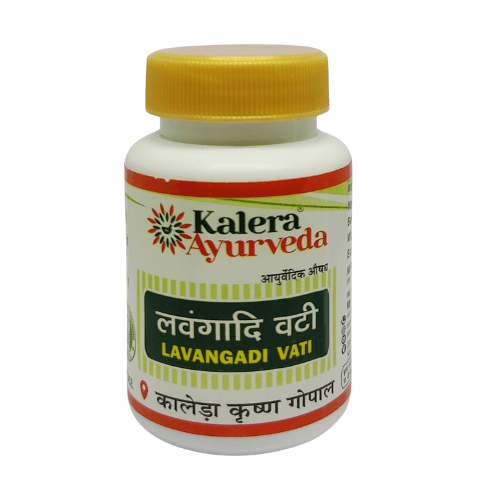
Lavangadi Vati (Kalera) Kalera
Supports cough and throat comfort
Strip of 30 Tablets
4.4
₹45Get ₹4 Cashback
₹5112% off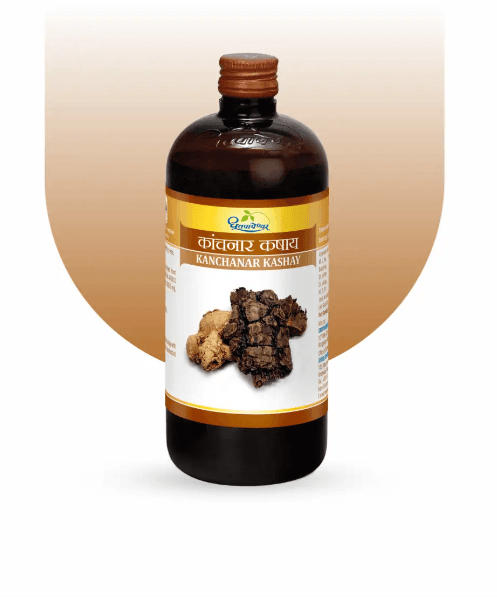 Prescribed to you4.7₹12 cashback
Kanchanar Kashay (Dhootapapeshwar) SDL
Supports Gandamala care
Bottle of 200 ml
4.7
₹125Get ₹12 Cashback
₹14614% off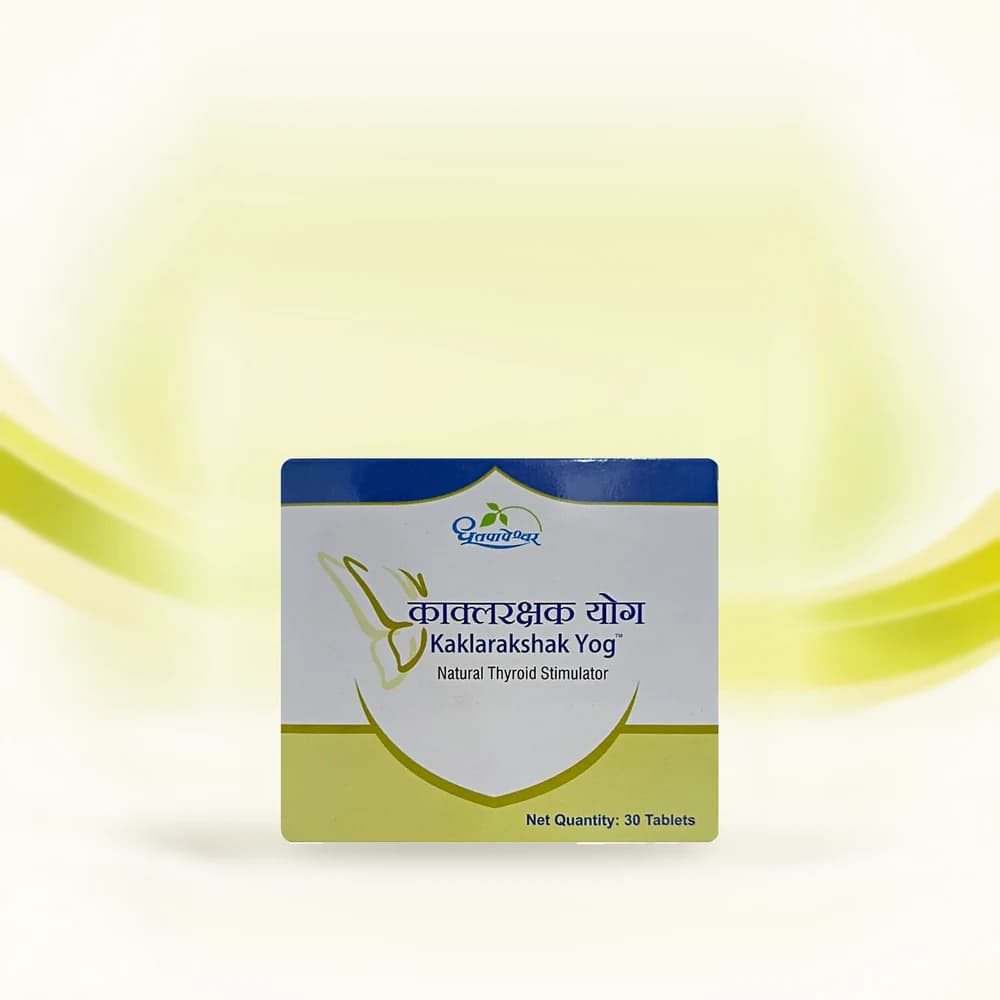 Prescribed to you4.3₹38 cashback
Kaklarakshak Yog (Dhootapapeshwar)SDLSupports thyroid health
Strip of 30 Tablets
4.3
₹382Get ₹38 Cashback
₹43011% off Prescribed to you4.6₹20 cashback
Gandamala Kandan Rasa (Dhootapapeshwar)SDLSupports Gandamala care
Strip of 60 Tablets
4.6
₹207Get ₹20 Cashback
₹23913% off
