

Ulcerative colitis Symptoms and Causes
Reviewed by medical experts · For informational purposes only
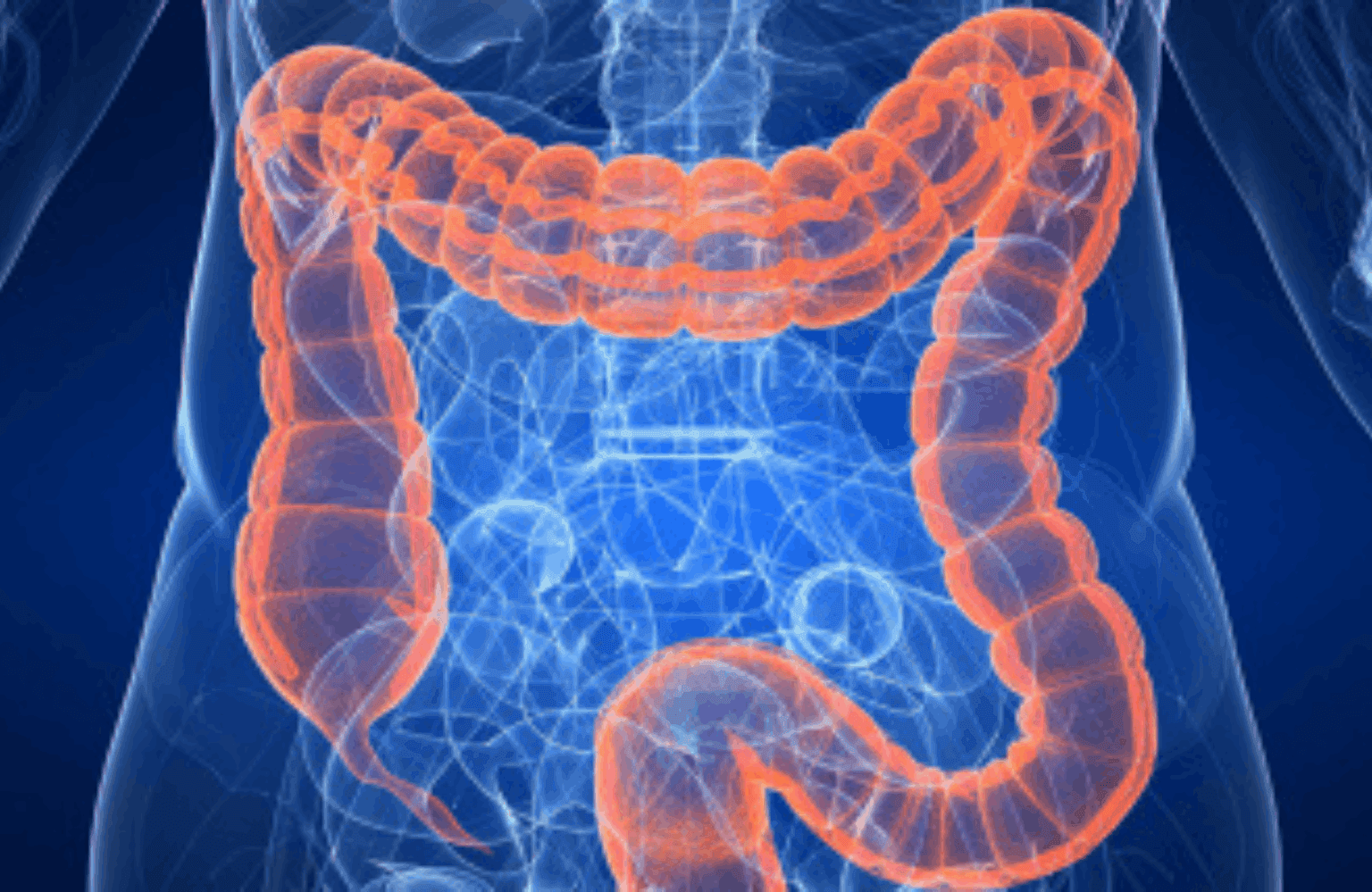
Introductory summary
Ulcerative colitis correlates with the Ayurvedic condition Raktatisara characterized by severe bloody diarrhea and Pittaja Grahani involving digestive fire impairment. It arises when vitiated Pitta and Rakta doshas damage the colon lining creating ulcers and inflammation often due to spicy foods and stress. Clinical features include frequent bloody stools with mucus abdominal colic and burning sensation. Ayurvedic management focuses on Stambhana or binding therapies to stop bleeding and Vranaropana to heal ulcers. Key treatments include Piccha Basti a medicated enema to coat the bowel and internal administration of herbs like Kutaja Bilva and Boswellia serrata. Modern studies confirm these herbal interventions significantly reduce inflammatory markers and improve symptom remission comparable to conventional corticosteroids.
Ulcerative Colitis
Ulcerative Colitis (UC) is a chronic inflammatory bowel disease (IBD) that causes inflammation and ulcers (sores) in the digestive tract. In Ayurveda, the symptoms of UC—specifically the passage of blood and mucus with stool—are described under the conditions of Raktatisara (severe diarrhea characterized by blood) and Pittaja Grahani (digestive disorder driven by heat/metabolic imbalance).
1. Definition
Modern Definition: A chronic condition resulting in inflammation and ulcers in the mucosal lining of the colon and rectum, characterized by bloody diarrhea, abdominal pain, and urgent bowel movements.
Ayurvedic Definition: A severe stage of Atisara (diarrhea) where the Pitta dosha (fire element) vitiates the blood (Rakta), causing inflammation and ulceration in the intestines, leading to the excretion of blood-mixed stool. It involves the impairment of Grahani (the seat of digestion/small intestine) and is often associated with Pravahika (tenesmus or straining).
2. Etymology & Conceptual Meaning
- Raktatisara: Derived from Rakta (Blood) and Atisara (Excessive flow/Diarrhea). It literally translates to "blood diarrhea".
- Pravahika: Derived from Pravahana, meaning "straining." It refers to the condition where the patient strains to pass stool, often accompanied by mucus and pain.
- Conceptual Interpretation: Ayurveda views inflammation as a result of excess heat (Pitta) in the body. When digestion is impaired (Mandagni), toxins (Ama) form. This toxic heat accumulates in the colon (Pakvashaya), burning the lining and causing ulcers (Vrana), which leads to bleeding.
3. Causes (Nidana)
The root causes are linked to factors that aggravate Pitta and destroy the digestive fire.
- Dietary Causes:
- Excessive intake of Katu (pungent), Amla (sour), and Lavana (salty) foods.
- Consumption of Viruddha Ahara (incompatible food combinations).
- Eating irregular meals (Vishamashana) or eating before the previous meal is digested.
- Heavy, greasy, or very cold foods that produce Ama (toxins).
- Lifestyle Causes:
- Vegarodha: Suppression of natural urges, specifically the urge to defecate.
- Exposure to extreme heat or sun.
- Psychological Factors:
Modern Global Epidemiology: In 2019, there were approximately 4.9 million cases of IBD worldwide, with China and the USA having the highest number of cases. The global age-standardized incidence rate was 4.97 per 100,000 person-years, with significant regional variations.
4. Journey of the Disease (Pathogenesis/Samprapti)
- Samprapti Ghataka (Components):
- Dosha: Primarily Pitta (specifically Pachaka Pitta) and Vata.
- Dushya (Tissues): Rakta (Blood), Mamsa (Muscle/intestinal wall), and Purisha (Feces).
- Srotas (Channels): Purishavaha (Excretory channels) and Raktavaha(Blood channels) .
- Agni: Jatharagni is diminished (Mandagni), leading to indigestion.
- Ama: Accumulation of undigested toxic waste is a key pathological factor.
- Adhisthana (Site): Pakvashaya (Colon) and Grahani (Small Intestine).
- Pathogenesis:
- Due to Pitta-aggravating diet and stress, the digestive fire weakens.
- Ama (toxins) forms and mixes with vitiated Pitta.
- This corrosive mixture moves to the colon, where it damages the Mamsa (flesh/mucosa).
- The heat causes ulcers (Vrana), leading to bleeding (Raktatisara) and inflammation (Shotha).
Modern Pathogenesis: IBD results from an inappropriate immune response against environmental factors, including luminal and microbial antigens, in genetically susceptible hosts. The rising incidence in newly industrialized nations is associated with dietary changes, including increased exposure to processed food, refined sugars, and less plant-based fibers.
5. Symptoms (Lakshana)
- Early Symptoms:
- Indigestion and loss of appetite (Aruchi).
- Abdominal pain and bloating (Adhmana).
- Advanced Symptoms (Ulcerative Colitis Stage):
- Raktatisara: Frequent loose stools mixed with bright red blood.
- Picchila: Presence of mucus or slime in the stool.
- Shula: Colic or intense pain in the abdomen.
- Pravahika: Painful straining during defecation.
- Daha: Burning sensation in the anus and abdomen.
- Jvara: Fever due to infection and inflammation.
- Daurbalya: General weakness and emaciation due to nutrient loss.
Modern Clinical Presentation: UC and CD are characterized by periods of relapse and remission, with symptoms including abdominal pain, fatigue, reduced appetite, and diarrhea. Rectal bleeding occurs more frequently with ulcerative colitis than with Crohn's disease.
6. Different Types or Classification (Bheda)
While UC is a specific diagnosis, Ayurveda classifies similar presentations as:
- Raktatisara: Diarrhea where blood is the dominant feature.
- Pittatisara: Characterized by burning sensation, thirst, and yellow/red stool.
- Kaphaja Atisara: Characterized by heavy, white, mucus-filled stool.
- Sannipataja: Involving all three doshas, often difficult to treat.
- Pravahika: Dysentery-like condition with tenesmus (straining).
Modern Classification: IBD includes Crohn's disease (CD) and ulcerative colitis (UC), affecting over 10 million individuals worldwide. The global prevalence has increased by approximately 47% in the last 50 years.
7. Diagnosis
- Ayurvedic Diagnosis (Roga Pariksha):
- Darshana (Observation): Inspecting the stool for Rakta (blood), Puy (pus), and Ama(mucus) .
- Prashna (Questioning): History of spicy food intake, stress, and burning sensation.
- Nadi Pariksha (Pulse): Typically indicates a Pitta-Kapha or Pitta-Vata aggravation.
- Differential Diagnosis:
- Distinguished from Arsha (Hemorrhoids) where bleeding is typically painless and separate from stool, whereas in UC (Raktatisara), blood is mixed with loose stool and accompanied by abdominal pain.
Modern Diagnosis: Global studies show varying diagnostic capabilities across different regions, with significant investment needed in low and middle-income countries. Standard diagnosis involves endoscopy, histopathology, and inflammatory markers.
8. Disease Management
The management focuses on Stambhana (stopping bleeding/diarrhea), Vranaropana (healing ulcers), and Grahi(improving absorption/digestion) .
Diet (Ahara)
- Pathya (Beneficial):
- Cooling Foods: Milk (Kshira) and Ghee (Ghrita) are highly praised for healing ulcers and pacifying Pitta.
- Pomegranate (Dadima): specifically indicated for binding stool and stopping bleeding.
- Rice Gruel (Yavagu): Light and easily digestible.
- Honey: Used for its astringent and healing properties.
- Apathya (Avoid): Spicy, sour, fermented foods, alcohol, and heavy meats that aggravate inflammation.
Medicines
Classical Ayurvedic Formulations:
- Kutaja (Holarrhena antidysenterica): The most critical herb for checking diarrhea and bleeding. Used in formulations like Kutajavaleha and Kutajarishta.
- Bilva (Bael Fruit): Used to bind the stool and stop mucous discharge.
- Dadimashtaka Churna: A powder made from pomegranate, used for digestive disorders and diarrhea.
- Panchaamrit Parpati: A specific sulphur-mercury preparation used for chronic malabsorption (Grahani) and gut inflammation.
- Nagabhasma: Used in chronic cases to stop bleeding.
Modern Research-Validated Herbs:
- Boswellia Serrata (Shallaki): Clinical trials show 82% remission rate in UC patients, comparable to conventional therapy (75%).
- Curcumin (Turmeric extract): Demonstrates anti-inflammatory properties by reducing cytokines and is superior to placebo in maintaining remission.
Modern Treatment Integration
Current treatment includes corticosteroids, immunosuppressants, and biologic agents; however, 21-60% of IBD patients use complementary or alternative therapies due to perception of less toxicity. Plant-derived natural products show promising anti-inflammatory, antioxidant, and immunomodulatory effects.
Panchakarma (Therapies)
- Piccha Basti: A special enema prepared with slimy substances (like the stalk of the Silk Cotton tree), milk, ghee, and honey. It is the specific treatment for Raktatisara(bloody diarrhea) to heal the ulcerated colon and stop bleeding .
- Anuvasana Basti: Oil enemas using healing oils like Prapaundarikadi Taila.
- Virechana: Mild purgation with castor oil or Avipattikar churnamay be used in specific Pitta conditions to clear toxins, but extreme caution is required .
Clinical Evidence for Panchakarma: Studies show significant improvement in bleeding control, bowel frequency, and general condition of UC patients with Ayurvedic treatments including Basti therapy.
9. Prognosis
- Krichrasadhya (Difficult to Cure): Chronic cases (long-standing) or those involving significant blood loss and emaciation are difficult to treat.
- Asadhya (Incurable): If the patient has severe complications like rectal prolapse, loss of anal sphincter control, or extreme thirst and fever, the prognosis is poor.
- Yapya (Manageable): Many cases can be managed with strict dietary adherence and medication, allowing the patient to live a normal life.
Modern Prognosis: Global mortality from IBD has been declining, with improved quality of life through modern treatments, though significant healthcare disparities persist. The burden is projected to continue rising until 2050 due to population growth and aging.
10. Modern Correlations
- Clinical Correlation: The Ayurvedic symptoms of Raktatisara (bloody diarrhea), Shula (pain), and Piccha(mucus) directly correlate with the clinical presentation of Ulcerative Colitis .
- Inflammatory Markers: Studies on Ayurvedic herbs like Boswellia and Curcuminshow they reduce inflammatory markers like TNF-alpha and IL-6, which are elevated in UC .
- Microbiome Research: The Ayurvedic concept of Grahani(disturbed gut function) parallels gut microbiome dysbiosis seen in IBD .
Research Validation: Boswellia serrata preserves intestinal epithelial barrier from oxidative and inflammatory damage. Clinical studies show Boswellia extract H15 was comparable to mesalamine for active Crohn's disease.
11. References
-
The Lancet - Global burden of inflammatory bowel disease - Comprehensive global disease burden analysis
-
PMC - Inflammatory bowel disease: An expanding global health problem - Global epidemiology and emerging patterns
-
BMC Public Health - Global trends of inflammatory bowel disease - Bayesian modeling of future trends
-
PubMed - Worldwide incidence and prevalence of IBD - Systematic review of population-based studies
-
PMC - Effects of Ayurvedic treatment on ulcerative colitis patients - Clinical study on 43 patients
-
Total Ayurveda - Ayurvedic treatment for ulcerative colitis - Traditional treatment principles
-
PubMed - Ayurvedic treatment effects in ulcerative colitis - Clinical validation study
12. FAQ Section
Q: Can Ayurveda stop the bleeding in Ulcerative Colitis?
A: Yes. Ayurveda uses Stambhana (stopping) therapies. Herbs like Kutaja bark, Nagakesara, and Dadima (pomegranate) are strong astringents used to stop bleeding. Specifically, Piccha Basti (a medicated enema) is highly effective for stopping rectal bleeding.
Q: What is the "Piccha Basti" mentioned for this condition?
A: Piccha Basti is a therapeutic enema containing milk, ghee, honey, and slimy substances (like Salmali or Mocharasa). It is designed to coat the colon, heal ulcers (Vranaropana), and stop bleeding immediately.
Q: Is milk recommended for Ulcerative Colitis in Ayurveda?
A: Generally, yes. In cases of excessive bleeding and burning sensation (Pitta dominance), boiled and cooled milk or goat's milk is considered beneficial because it acts as a coolant and heals ulcers. However, it must be taken as per the physician's advice regarding digestion status.
Q: What is "Ama" and how does it relate to Colitis?
A: Ama is toxic undigested metabolic waste. In Ayurveda, colitis often starts with digestion impairment (Mandagni) leading to Ama formation. This Ama ferments and becomes acidic, damaging the colon lining. Treatment initially focuses on digesting this Ama (Pachana) using light foods and herbs.
Q: Are there specific Ayurvedic herbs validated for UC?
A: Yes. Scientific reviews have highlighted Curcumin (from Turmeric) and Boswellia serrata (Indian Frankincense) as effective in reducing inflammation and inducing remission in UC patients. Clinical trials show Boswellia achieved 82% remission rate compared to 75% with conventional therapy.
Q: What is the global burden of ulcerative colitis?
A: Globally, there were approximately 4.9 million IBD cases in 2019, with 405,000 new cases and 41,000 deaths. The highest prevalence is in Europe (ulcerative colitis: 505 per 100,000 in Norway) and North America (286 per 100,000 in the USA).
Q: How effective is integrative treatment combining Ayurveda and modern medicine?
A: Studies show promising results with integrative approaches. Clinical trials demonstrate that Ayurvedic treatments significantly correct bleeding and bowel frequency, which are cardinal features of ulcerative colitis. Research indicates that 21-60% of IBD patients use complementary therapies, with herbs showing good safety profiles and therapeutic efficacy.
Q: What does modern research say about Ayurvedic mechanisms of action?
A: Modern studies confirm that Ayurvedic herbs work through multiple pathways: Curcumin shows anti-inflammatory action by reducing IL-8, TNF-α, and IL-6 production by 30%, 25%, and 40% respectively. Boswellia serrata demonstrates antioxidant effects, reducing ROS production by 25% and preserving intestinal epithelial barrier function.
Q: What are the future projections for IBD globally?
A: The burden of IBD is projected to continue rising until 2050 due to population growth and aging, emphasizing the urgency of addressing this evolving public health challenge. Newly industrialized countries show accelerating incidence rates as societies become more westernized.
Consult a Doctor
- AI4.9Dr. Aayush Ishwar
Ayurveda2 yrs exp
- SJ3.9SUMEDH JOSHI
Ayurveda7 yrs exp
- VH3.9Vaidya Harsh
Ayurveda9 yrs exp
- GG3.0Dr GN Govinda
Ayurveda1 yrs exp
More on Ulcerative colitis Symptoms and Causes
Buy Medicine
 Prescribed to you4.5₹6 cashback
Punarnava Mandur (Kalera) Kalera
Liver & kidney tonic
Strip of 30 Tablets
4.5
₹60Get ₹6 Cashback
₹6913% off Prescribed to you4.5₹52 cashback
Drakshavaleha (Kesar-yukt) (Kalera)KaleraSupports heart health and grape-saffron
Container of 250 g
4.5
₹525.01Get ₹52 Cashback
₹59712% off
