

Varicose Veins Causes and Symptoms
Reviewed by medical experts · For informational purposes only
Introductory summary
In Ayurveda varicose veins correlate with conditions involving the vitiation of Vata dosha within the venous network known as Siragatavata or Siragranthi. Madhava Nidana describes Siraja Granthi as a venous swelling characterized by a network of veins which is considered difficult to treat if the nodules are painful and mobile. The pathology involves the aggravation of Vata affecting the Sira causing constriction and obstruction in the channels. Therapeutic management explicitly mentioned in the Panchakarma handbook includes the use of Upanaha Sweda or warm medicated poultices to relieve the associated pain and swelling. Additionally regular oil application and massage of the feet are recommended to alleviate constriction in the veins and ligaments.
Varicose Veins
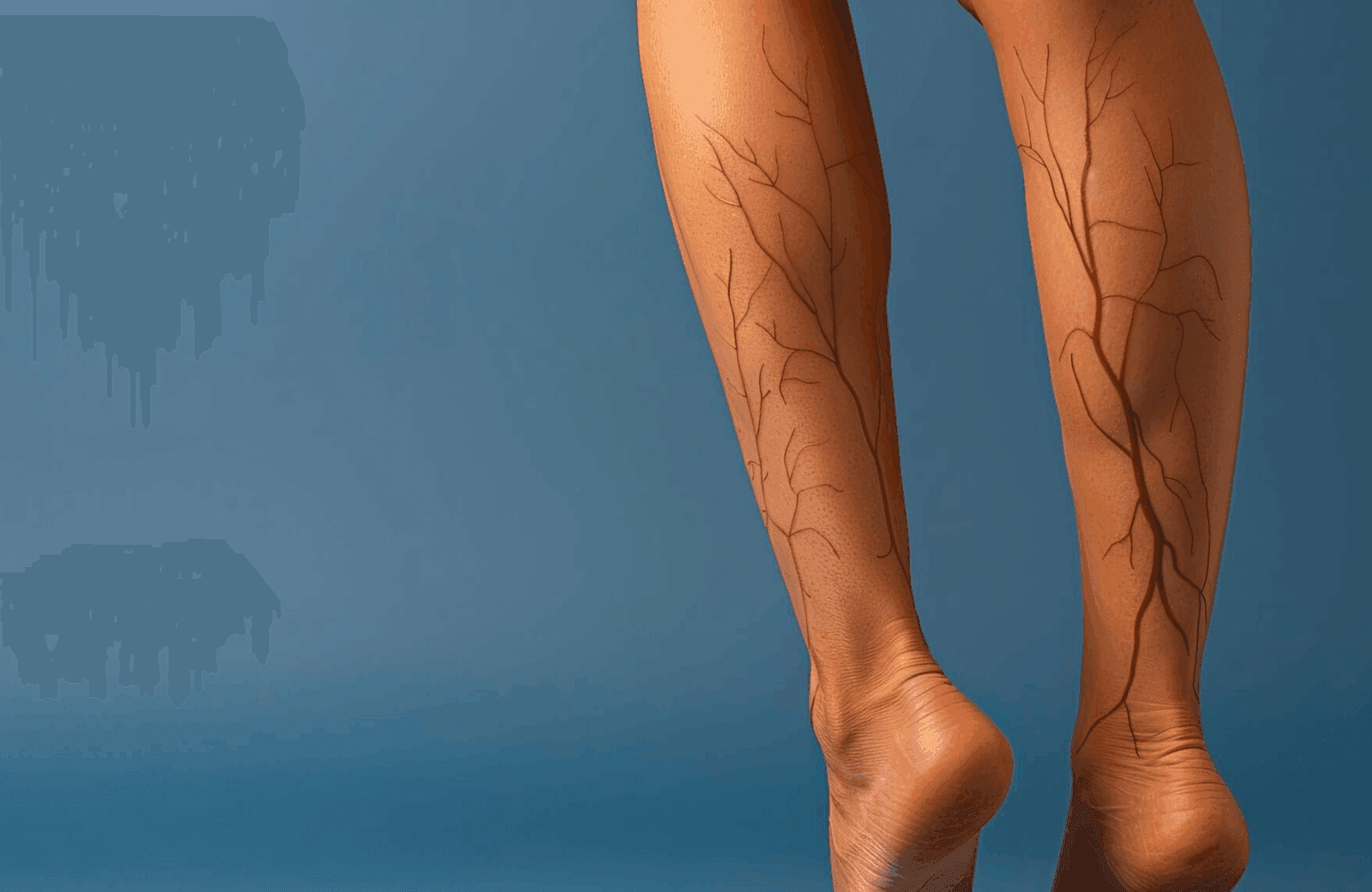
Varicose veins are enlarged, swollen, and twisting veins, often appearing blue or dark purple. In the classical Ayurvedic system of medicine, this condition is primarily understood through the concepts of Siragranthi (knotty veins) and Siragata Vata (disorder of the Bio-Energy Vata located in the veins). These conditions are classified under Vata Vyadhi (diseases caused by the Vata dosha) and Granthi (nodular swellings).
1. Definition
In Ayurveda, Varicose Veins are defined as a pathological condition where the Vata Dosha enters the blood vessels (Sira) and causes them to become engorged, painful, and knotted.
-
Siragatavata: This refers to the condition where Vata moves into the veins, causing intense pain, dilation, and contraction.
-
Siragranthi: When the flow is severely obstructed, it forms a "Granthi" or knot-like structure in the vein, necessitating purification therapies like bloodletting.
2. Etymology & Conceptual Meaning
-
Literal Meaning:
-
Sira means "vein" or "channel."
-
Gata means "gone into" or "situated in."
-
Granthi means "knot" or "hard lump."
-
-
Conceptual Interpretation: Ayurveda views the circulatory system as a network of channels. When Vyana Vata (the sub-dosha responsible for circulation) is disturbed by blockage or weakness, it fails to propel blood upwards against gravity. This leads to Sira Akunchana (contraction) and Purana (filling/engorgement) of the vessels.
3. Causes (Nidana)
The causes are primarily those that aggravate Vata and put pressure on the lower limbs.
Dietary Causes
-
Vata-Aggravating Foods: Excessive consumption of dry (Ruksha), cold (Sita), and light (Laghu) foods.
-
Malnutrition: Fasting or taking very little food (Alpa) depletes the tissues, increasing Vata.
Lifestyle Causes
-
Physical Strain: Excessive physical exertion (Ati-vyayama) or walking long distances.
-
Trauma: Injuries (Abhighata) to the vital points (Marmas) or legs can trigger vascular issues.
-
Suppression of Urges: Suppressing natural urges (Vegadharana) disturbs the flow of Apana Vata in the pelvic region, creating back-pressure in the legs.
-
Sleep Habits: Staying up late at night (Jagarana) aggravates Vata.
4. Journey of the Disease (Pathogenesis/Samprapti)
The disease progresses through the vitiation of Vata and its interaction with Rakta (blood).
-
Dosha: Primarily Vata (Vyana Vayu), with secondary involvement of Pitta and Rakta.
-
Dushya (Tissues): Rakta and Sira.
-
Srotas (Channels): Raktavaha Srotas.
-
Agni & Ama: Metabolic obstruction can lead to formation of Ama (toxins).
-
Adhisthana (Site): Lower limbs (Sakthi) and the vascular system.
-
Mechanism: Aggravated Vata enters empty channels (Sira) and causes churning, dilation, and filling, leading to the characteristic tortuous appearance.
5. Symptoms (Lakshana)
Early Symptoms
-
Pain: Aching or throbbing pain in legs and calves.
-
Fatigue: Tiredness after standing.
Advanced Symptoms
-
Sira Akunchana/Purana: Dilation and contraction of veins; veins appear filled and engorged.
-
Granthi: Formation of knot-like lumps in veins (Siragranthi).
-
Discoloration: Veins appear blue, black, or purple due to stagnated blood.
-
Shula: Sharp or breaking pain in affected vessels.
6. Different Types or Classification (Bheda)
Categorized by dominant Dosha:
- Vataja: Painful, blackish, rough veins.
- Raktaja/Pittaja: Heat, burning, redness (inflammation/phlebitis).
- Kaphaja: Cold, heavy, pale veins.
7. Diagnosis
Ayurvedic Diagnosis (Roga–Rogi Pariksha)
-
Darshana: Visual inspection of tortuous, dilated veins.
-
Sparshana: Palpation for tenderness, heat, or hardened knots (Granthi).
-
Prashna: History of standing long hours, physical strain, constipation.
Differential Diagnosis
Distinguish from Vatarakta (Gout) and Gridhrasi (Sciatica), though Siragatavata may coexist.
8. Disease Management
Focus: pacifying Vata, relieving pressure, purifying blood.
Diet (Ahara)
-
Vata-pacifying: Warm, oily, nourishing foods.
-
Hydration: Adequate warm water.
-
Avoid: Dry, cold, stale foods.
Lifestyle (Vihara)
-
Rest: Elevate legs.
-
Gentle Movement: Avoid prolonged standing.
-
Bandaging: Supportive bandages (Upanaha/compression).
Medicines
-
Sahacharadi Taila: Massage/internal use to strengthen veins.
-
Guggulu: Kaishora or Amritadi Guggulu reduce inflammation.
-
Manjistha: Blood purifier (Rakta Shodhana).
Panchakarma
-
Upanaha: Warm herbal poultices for pain/stiffness.
-
Siravyadha: Therapeutic bloodletting for knots (Siragranthi).
-
Jalaukavacharana: Leech therapy for congested veins.
-
Basti: Medicated enemas to regulate Apana Vata and relieve leg vein pressure.
-
Abhyanga: Gentle massage with Sahacharadi or Mahanarayana Taila, avoiding deep pressure on veins.
9. Prognosis
-
Curable: Early stages with mild dilation manageable via lifestyle + Basti.
-
Chronic Prognosis: Large knots (Granthi) or ulcers (Varicose Ulcers) are difficult (Krichrasadhya), may require bloodletting/surgical interventions.
10. Modern Correlations
-
Similarities: Sira Akunchana and Siragranthi resemble Varicose Veins/Venous Insufficiency. Compression and bloodletting correlate with modern sclerotherapy/phlebectomy.
-
Differences: Modern medicine emphasizes valve incompetence; Ayurveda emphasizes Vata and Rakta quality.
-
Limitations: Ayurveda manages pain and progression, structural valve damage requires invasive procedures.
11. References
- Mayo Clinic – Symptoms, Causes, and Treatments of Varicose Veins
https://www.mayoclinic.org/diseases-conditions/varicose-veins/symptoms-causes/syc-20350643 (Comprehensive overview on symptoms, causes, risk factors, and management of varicose veins) (Mayo Clinic) - Systematic Review on Varicose Vein Disease (Epidemiology & Clinical Manifestations)
DOI: https://doi.org/10.22159/ajpcr.2024.v17i6.50735 (Review highlighting risk factors, prevention, and treatment options for varicose veins) (Innovare Academics Journals) - Varicose Veins: Diagnosis & Treatment Review (GSC Biological and Pharmaceutical Sciences)
https://doi.org/10.30574/gscbps.2024.27.1.0064 (Detailed systematic review on causes, symptoms, management, and complications) (GSC Online Press) - National Heart, Lung, and Blood Institute (NHLBI) – Varicose Veins Information
https://www.nhlbi.nih.gov/health/varicose-veins (Authoritative health institute overview on pathophysiology and risk factors) (NHLBI, NIH) - Diagnosis and Treatment of Varicose Veins: A Review (American Academy of Dermatology)
https://pubmed.ncbi.nlm.nih.gov/8077464/ (Peer‑reviewed medical review on venous disease diagnosis and management) (PubMed) - Varicose Veins and Their Management (PMC Review Article)
https://pmc.ncbi.nlm.nih.gov/articles/PMC1526945/ (Review of clinical complications, management strategies, and pathological changes) (PMC) - Varicose Veins – NCBI Overview (StatPearls Editorial)
https://www.ncbi.nlm.nih.gov/books/NBK470194/ (Detailed clinical discussion including differential diagnosis, prognosis, and complications) (NCBI)
12. FAQ Section
Q: Is massage good for varicose veins?
A: Gentle application of medicated oils (Abhyanga) is beneficial to pacify Vata. However, deep pressure directly on the bulging veins should be avoided to prevent dislodging clots. Oils like Sahacharadi Taila are recommended.
Q: Can Ayurvedic treatments remove the knots in veins?
A: Treatments like Upanaha (warm poultices) and Siravyadha (bloodletting) can significantly reduce the pressure, pain, and size of the knots, although complete structural reversal depends on the severity.
Q: What is the best Ayurvedic therapy for pain in varicose veins?
A: Upanaha Sweda (herbal poultice) is highly effective for relieving pain and stiffness in varicose veins. Leech therapy is also used if there is burning or severe congestion.
Q: Does diet affect varicose veins?
A: Yes. Constipation aggravates the condition by increasing pressure in the pelvic veins. A diet rich in fiber and hydration, avoiding dry/stale foods, helps regulate Apana Vata and bowel movements, relieving pressure on the legs
Consult a Doctor
- PP4.4Dr prince patel
Ayurveda22 yrs exp
- AG4.6Dr. Abhishek Gupta
Ayurveda1 yrs exp
- AB4.5Dr. Atul Bharadava
Ayurveda4 yrs exp
- AK4.8Dr. Amalnath K Viswanathan
Ayurveda4 yrs exp
More on Varicose Veins Causes and Symptoms
Buy Medicine
 Prescribed to you4.5₹12 cashback
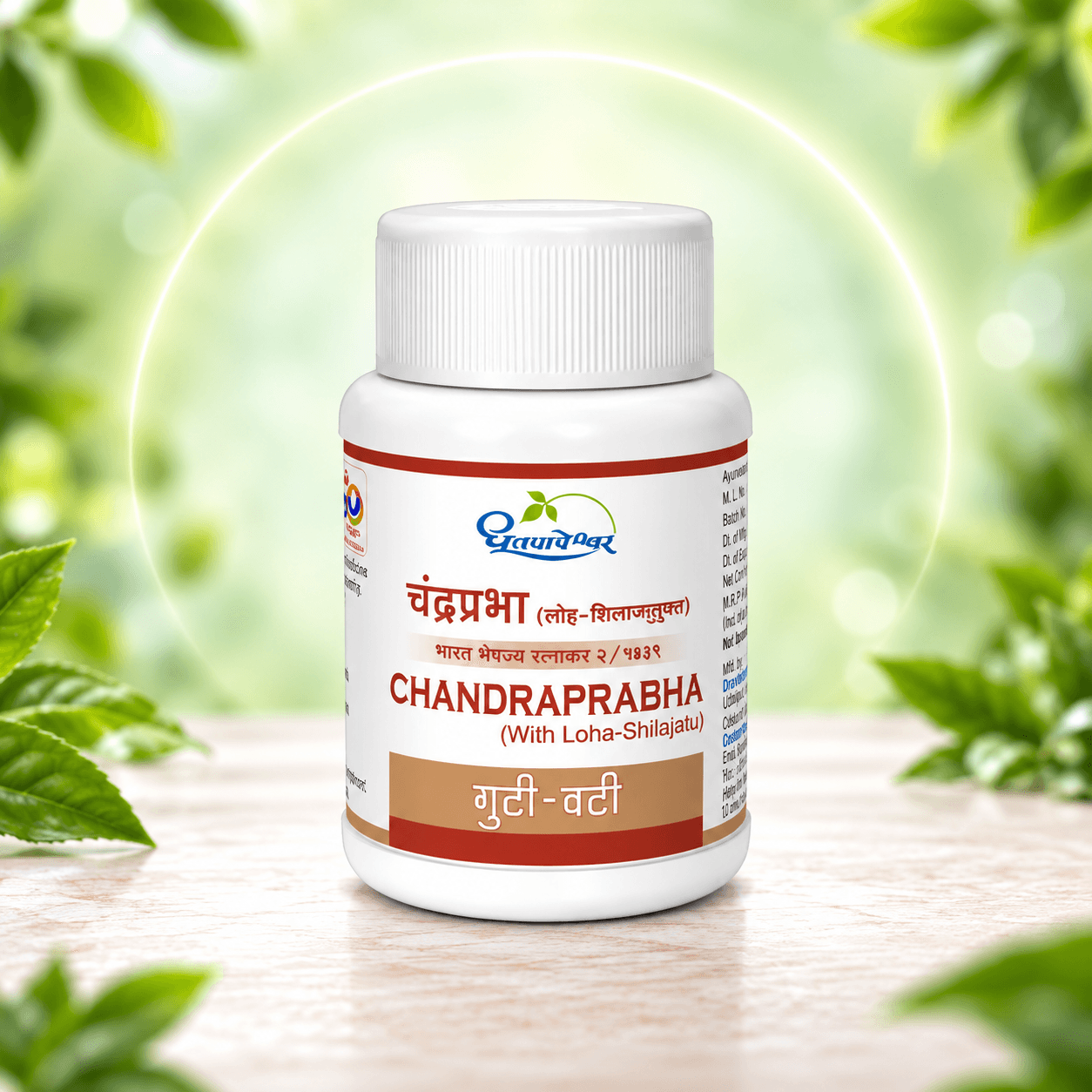
Chandraprabha Gutika (Dhootapapeshwar) SDL
Classical tablet for urinary balance
Strip of 30 Tablets
4.5
₹128Get ₹12 Cashback
₹14411% off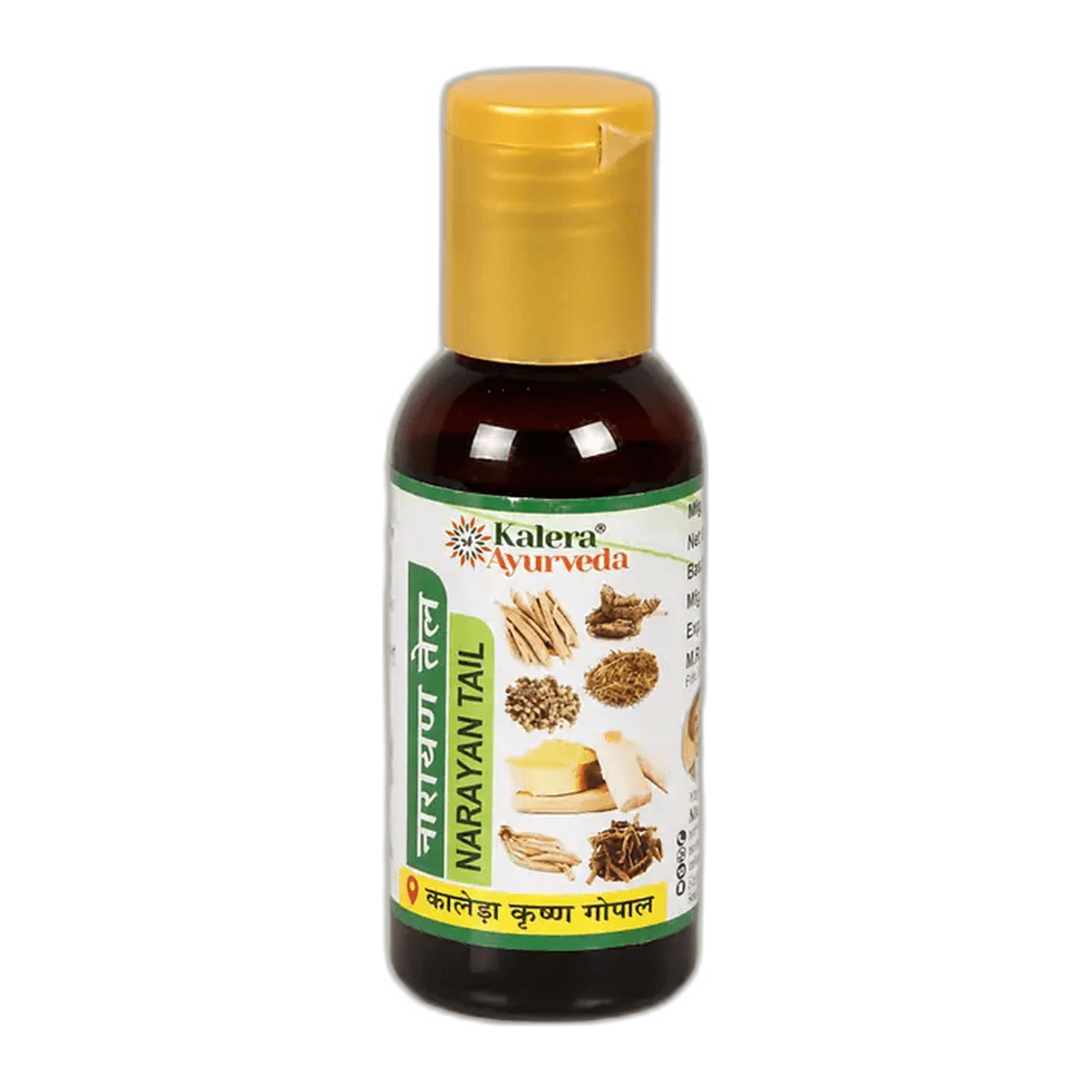 Prescribed to you4.5₹25 cashback
Narayan Taila (Kalera) Kalera
Supports nerve & joint massage
Bottle of 50 ml
4.5
₹255Get ₹25 Cashback
₹28711% off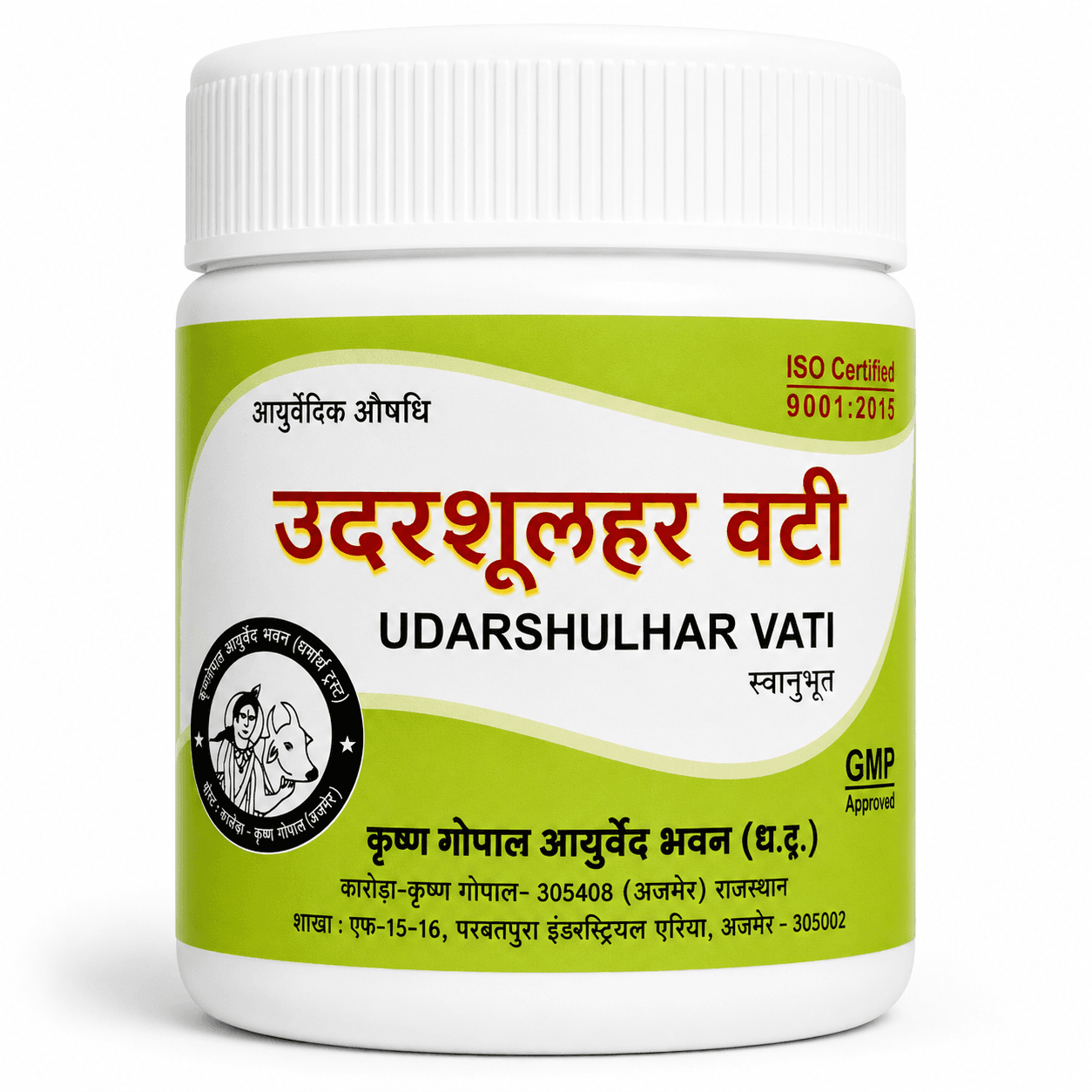 Prescribed to you4.3₹7 cashback
Udarshoolhar Vati (Kalera)KaleraDaily support for abdominal colic
Strip of 30 Tablets
4.3
₹71Get ₹7 Cashback
₹8213% off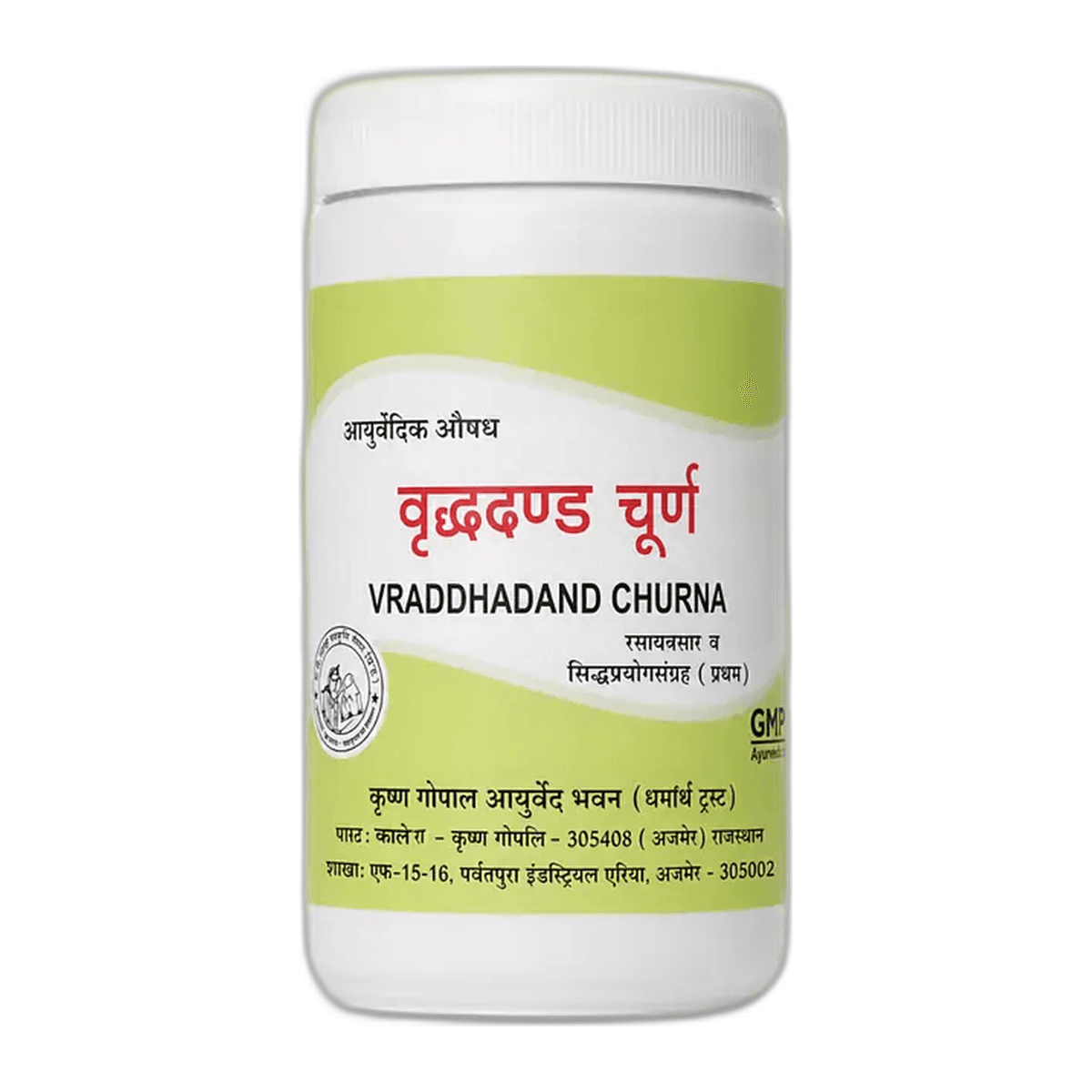 Prescribed to you4.7₹10 cashback
Vriddha-danda Churna (Kalera)KaleraDigestive & liver support
Container of 50 g
4.7
₹100Get ₹10 Cashback
₹11513% off
