

Deep Vein Thrombosis Symptoms and Causes
Reviewed by medical experts · For informational purposes only
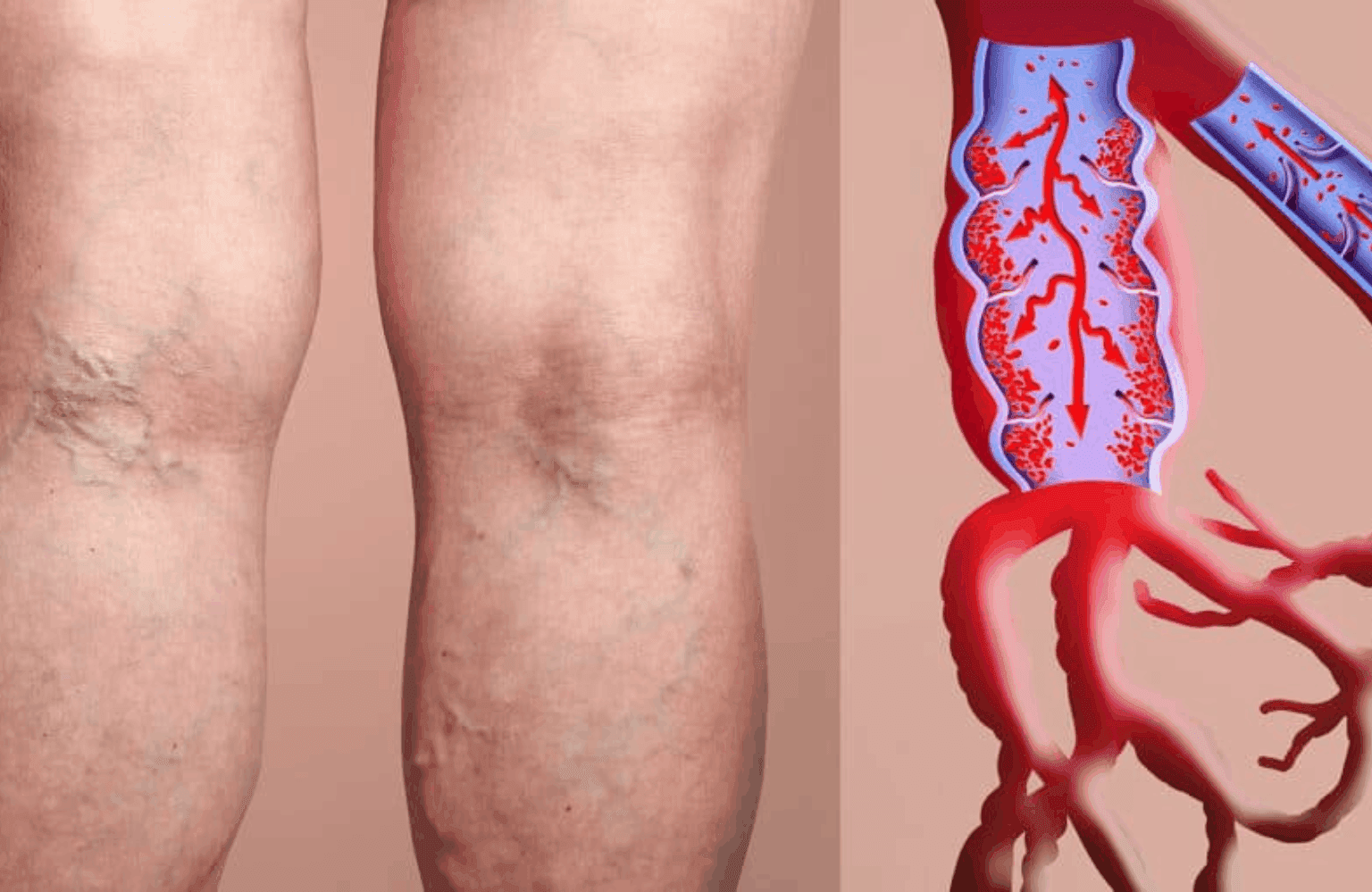
Introductory summary
Deep Vein Thrombosis corresponds to Ayurvedic conditions like Siragata Vata and Urustambha characterized by venous obstruction. It arises when aggravated Vata dosha is blocked by vitiated Kapha and Medas within the veins leading to stagnation and clot formation called Granthi. Symptoms include severe pain swelling stiffness and heaviness in the legs. Management differs from standard Vata treatments as direct oleation is often contraindicated initially to prevent further blockage. Therapy focuses on dry treatments blood purification and Kapha pacification using herbs like Guggulu and Manjistha. Procedures like Patra Pinda Sweda and formulations like Sahacharadi Taila are employed to dissolve clots and restore circulation once the acute obstruction subsides.
Deep Vein Thrombosis
Deep Vein Thrombosis (DVT) is a serious medical condition that occurs when a blood clot forms in a deep vein, usually in the lower leg, thigh, or pelvis. In Ayurveda, this condition is understood as a disorder of the Sira (vessels/veins) caused by the vitiation of Vata Dosha (Wind energy) and Rakta (Blood), often complicated by Kapha (Phlegm/Solidity) which creates the obstruction. It correlates with conditions described as Siragata Vata, Raktavata, and in severe cases manifesting as thigh stiffness, Urustambha.
1. Definition
Modern Definition: The formation of a thrombus (blood clot) within a deep vein, predominantly in the legs, which can obstruct blood flow and cause swelling and pain.
Ayurvedic Definition: A pathology where aggravated Vata enters the Sira (veins), causing pain, dilation, and obstruction. When Vata is covered or blocked by Rakta (blood) and Kapha (which provides the solid nature of a clot), it leads to Siragranthi (venous knot/clot) or Siragata Vata (Vata localized in veins), characterized by intense pain and disruption of circulation.
2. Etymology & Conceptual Meaning
- Siragata Vata: Sira means vein or vessel; Gata means moved into or located in; Vata is the biological humor of movement. It literally means "Vata lodged in the veins."
- Siragranthi: Granthi means a knot, lump, or nodule. In the context of veins, it refers to a clot or hardening within the vessel.
- Urustambha: Uru means thigh; Stambha means stiffness or loss of movement. This refers to a specific condition where the thighs become stiff, heavy, and immobile due to deep-seated Ama (toxins) and Kapha, closely mimicking severe DVT symptoms.
3. Causes (Nidana)
The formation of clots and vein vitiation is attributed to factors that aggravate Vata and Rakta, and increase Kapha (causing stagnation).
- Dietary Causes:
- Consumption of Viruddha Ahara (incompatible foods) leading to Ama (metabolic toxins).
- Excessive intake of unctuous (oily), hot, and liquid foods which vitiate blood.
- Indulgence in heavy foods that increase Kapha and block channels.
- Lifestyle Causes:
- Avyayama: Lack of physical exercise, leading to stagnation.
- Divaswapna: Sleeping during the day, which increases Kapha and causes obstruction in channels.
- Abhighata: Trauma or injury to the limbs, which can act as a localized trigger for Vata and Rakta vitiation.
- Vegadharana: Suppression of natural urges, which disturbs the flow of Vata.
4. Journey of the Disease (Pathogenesis/Samprapti)
- Samprapti Ghataka (Components):
- Dosha: Vyana Vayu (Circulation), Kapha (Causing the mass/clot), Rakta (Blood).
- Dushya (Tissues): Sira (Veins) and Rakta (Blood).
- Srotas (Channels): Raktavaha Srotas (Circulatory channels).
- Agni: Dhatvagni Mandya (Impaired tissue metabolism).
- Ama: Present (creating blockage).
- Pathogenesis:
- Due to sedentary lifestyle or trauma, Vata becomes aggravated and pushes the vitiated Rakta and Kapha into the Sira (veins) of the legs.
- The Kapha (mucus/fat elements) causes Sanga (obstruction) and heaviness.
- The Vata is blocked by this obstruction (Avarana), causing intense pain (Shula) and throbbing.
- The blood stagnates, leading to Sotha (swelling) and discoloration.
- In severe cases (Urustambha), the accumulation of Ama and Kapha in the deep tissues of the thigh makes the limb feel heavy, stiff, and "as if it belongs to someone else" (loss of sensation/control).
5. Symptoms (Lakshana)
- Early Symptoms:
- Gaurava: Heaviness in the limb.
- Supti: Numbness or mild loss of sensation.
- Advanced Symptoms:
- Sira Shula: Intense pain along the veins.
- Sotha: Swelling of the calf or thigh.
- Vaivarnya: Discoloration of the skin (reddish, copper, or dark) due to vitiated Rakta.
- Stambha: Stiffness and rigidity of the limb.
- Ushna: Localized heat (if Pitta/Rakta is dominant).
- Ayama: Dilatation or filling of the veins.
6. Different Types or Classification (Bheda)
While DVT is a single entity in modern terms, Ayurveda classifies vascular disorders based on Dosha dominance:
- Vataja: Dominated by intense, throbbing pain and dry/blackish discoloration.
- Raktaja/Pittaja: Dominated by burning sensation, redness, and extreme heat.
- Kaphaja: Dominated by severe swelling (Sotha), heaviness, coldness, and itching.
- Urustambha Type: Characterized by profound stiffness and heaviness of the thighs, where the patient cannot move the leg freely.
7. Diagnosis
- Ayurvedic Diagnosis (Roga Pariksha):
- Darshana (Observation): Checking for swelling (Sotha) and prominent/dilated veins (Sira). Observation of skin color (copper/red/black).
- Sparshana (Touch): Palpating for hardness (Kathinya), heat (Ushna), and tenderness. In Urustambha, the thigh feels cold and stiff.
- Prashna (Questioning): Inquiry about lifestyle (sedentary habits), diet, and nature of pain (throbbing vs. constant ache).
- Differential Diagnosis:
- Must be distinguished from Gridhrasi (Sciatica), where pain radiates from the back down the leg, whereas in DVT (Siragata Vata), the pain is localized to the vessels and associated with swelling.
8. Disease Management
Management involves Raktaprasadana (blood purification), Vata-Shamana (pacifying Vata), and Granthi-Vilayana (dissolving the clot).
Diet (Ahara)
- Pathya (Beneficial): Light foods, barley (Yava), green gram (Mudga), and vegetables like Patola (pointed gourd) and Karvellaka (bitter gourd) to purify blood.
- Apathya (Avoid): Heavy, sour, and salty foods; curd (Dadhi); and alcohol, which can aggravate Rakta and Pitta.
Medicines
- Guggulu Preparations:
- Kaishora Guggulu: Specific for Vatarakta (inflammatory vascular conditions).
- Saptavimshatika Guggulu: Indicated for Sotha (swelling), Vatarakta, and Kruro Granthi (hard cysts/clots).
- Triphala Guggulu: Used for Granthi (nodules) and Sotha (swelling).
- Vata-Rakta Medicines: Formulations like Vataraktantaka Rasa are used to treat severe vascular disorders.
- Sahacharadi Taila: (Implied via Sahacara in Vata treatments) Often used for vascular health in the legs.
- Manjisthadi Kwatha: (Implied via Manjistha) For blood purification.
Panchakarma (Procedures)
- Raktamokshana (Bloodletting): This is the primary treatment for Siragata Vata and Vatarakta. Removing vitiated blood using Jalauka (leeches) or Siravyadha (venesection) relieves obstruction and pain.
- Virechana (Purgation): Therapeutic purgation using herbs like Trivrit or Castor Oil (Eranda) is indicated to clear Pitta and Rakta stagnation.
- Lepa (Poultice): External application of pastes made of herbs like Sigru (Moringa), Sarshapa (Mustard), and Dashanga Lepa to reduce swelling and dissolve clots.
- Upanaha (Warm Poultice): Specifically mentioned for Varicose veins and tumors to liquefy the contents and relieve Vata.
9. Prognosis
- Sadhya (Curable): If the condition is new (Nutana) and the patient is strong, it is curable.
- Yapya (Manageable): If it involves multiple Doshas or has become chronic (Gambhira - deep seated), it is difficult to cure and requires lifelong management.
- Prognostic Signs: In Vatarakta (vascular inflammation), if the swelling is extensive and involves necrosis (blackening), the prognosis is poor.
10. Modern Correlations
- Deep Vein Thrombosis (DVT): Directly correlates with the obstruction and swelling described in Siragata Vata and Raktavata.
- Phlegmasia Cerulea Dolens: Severe DVT with obstruction correlates with the symptoms of Urustambha (total stiffness/immobility of thigh).
- Thrombophlebitis: Inflammation of the vein correlates with Sira-Sotha.
11. References
-
World Health Organization (WHO) – Venous thromboembolism
https://www.who.int/news-room/fact-sheets/detail/thrombosis
-
Centers for Disease Control and Prevention (CDC) – Deep Vein Thrombosis
https://www.cdc.gov/ncbddd/dvt/index.html
-
Mayo Clinic – Deep Vein Thrombosis
https://www.mayoclinic.org/diseases-conditions/deep-vein-thrombosis
-
MedlinePlus (U.S. National Library of Medicine) – Deep Vein Thrombosis
https://medlineplus.gov/deepveinthrombosis.html
-
National Health Portal of India – गहरी शिरा घनास्त्रता (DVT)
https://www.nhp.gov.in/disease/cardiovascular/deep-vein-thrombosis
-
Ministry of Health & Family Welfare, Government of India – रक्त के थक्के से संबंधित रोग
https://www.mohfw.gov.in/
12. FAQ Section
Q: Can Ayurveda treat blood clots in the legs?
A: Ayurveda manages conditions like Siragranthi (venous clots) using blood-purifying herbs and therapies like Raktamokshana (bloodletting) to improve circulation and dissolve obstructions.
Q: Is massage good for DVT?
A: Caution is advised. In conditions like Urustambha (deep blockage/stiffness), heavy oil massage is often contraindicated initially as it may increase Kapha and obstruction. However, herbal poultices (Upanaha) are recommended for varicose veins and tumors. Always consult a physician before massaging a swollen leg.
Q: What herbs are good for vein health?
A: Herbs like Guggulu, Manjistha, and Sahachara are renowned for improving circulation and vascular health. Kaishora Guggulu is a specific formulation for inflammatory conditions of the blood and joints.
Q: What causes DVT according to Ayurveda?
A: It is caused by the vitiation of Rakta (blood) and Vata due to factors like eating incompatible foods (Viruddha Ahara), day sleep, lack of exercise, and trauma, leading to obstruction in the veins.
Q: What is the difference between Vatarakta and DVT?
A: Vatarakta often refers to Gout (joint inflammation), but its pathology (obstruction of Vata by Blood) covers vascular disorders like DVT. Siragata Vata (Vata in veins) is the more specific term for pain and obstruction in the veins.
Consult a Doctor
- PP4.4Dr prince patel
Ayurveda22 yrs exp
- AG4.6Dr. Abhishek Gupta
Ayurveda1 yrs exp
- AB4.5Dr. Atul Bharadava
Ayurveda4 yrs exp
- AK4.8Dr. Amalnath K Viswanathan
Ayurveda4 yrs exp