

Erectile Dysfunction Causes and the Ayurvedic View
Reviewed by medical experts · For informational purposes only

Introductory summary
Erectile dysfunction is common, treatable, and can be an early warning of heart disease. Learn the classical Klaibya view and what genuinely helps.
1. Definition
Erectile dysfunction (ED) means regularly being unable to get or keep an erection firm enough for sex. It is very common - most men experience it at some point, and it becomes more frequent with age - and it is treatable. It also deserves medical attention in its own right, because ED can be an early warning sign of blood-vessel disease, diabetes or hormone problems, sometimes appearing years before other symptoms.
Classical Ayurveda describes this condition as Klaibya (loss of virility and erectile capacity) and, in its severe structural form, Dhvajabhanga (collapse of penile function from trauma or channel damage). The classical texts connect it to depletion of Shukra Dhatu (the reproductive tissue) and disturbed Vata, and they devote an entire branch of Ayurveda - Vajikarana - to sexual and reproductive health. These are traditional interpretive frameworks, not exact translations of a modern diagnosis.
2. Etymology & Conceptual Meaning
- Klaibya (from Kliba, without virility) denotes inability to attain or sustain an erection suitable for intercourse.
- Dhvajabhanga (Dhvaja = staff, Bhanga = breakdown) describes severe or structural erectile failure from injury, inflammation or vessel and nerve damage.
- Shukra Dhatu is the seventh and most refined tissue in the classical model, governing reproduction; Shukra-kshaya means its depletion.
- Vajikarana (from Vaji, stallion) is the classical branch of therapy for sexual vitality and fertility - one of the eight branches of Ayurveda.
- Linga-saithilya describes flaccidity of the organ despite active desire - the texts clearly separate desire from performance.
These terms explain a traditional model of sexual function. Modern medicine defines ED by the persistent inability to achieve or maintain an erection, with physical, psychological or mixed causes.
3. Causes (Nidana)
In the traditional account, Klaibya follows psychological strain - fear, anxiety, grief, anger, or aversion toward the partner - together with dry, cold or inadequate food, malnutrition, excessive sexual activity, suppression of natural urges, local injury, congenital factors and ageing. These are traditional explanations, not a complete account.
In modern medicine, most ED in men over 40 is vascular: the same narrowing of blood vessels that causes heart disease shows up first in the small penile arteries. Diabetes, high blood pressure, smoking, obesity, low testosterone, some medicines (including certain antidepressants and blood-pressure drugs), alcohol and pelvic surgery all contribute. In younger men, psychological causes - performance anxiety, stress, depression, relationship difficulties - are more often dominant. Because ED can precede heart disease, it is a reason for a health check, not just a prescription.
4. Journey of the Disease (Pathogenesis / Samprapti)
In the traditional account, psychological stress or physical excess provokes Prana, Vyana and Apana Vayu. Sluggish tissue metabolism depletes Shukra Dhatu, and vitiated doshas obstruct the Shukravaha Srotas and the penile vessels. Vyana Vayu then fails to drive blood into the erectile tissue and Apana Vayu fails to sustain rigidity. This is a traditional explanatory model - but its endpoint, inadequate blood flow plus lost nerve coordination, is remarkably close to the modern one.
In modern medicine, an erection requires intact nerves, adequate arterial blood flow, functioning smooth muscle and the right hormone and psychological state. Failure in any link - most commonly blood flow - produces ED. Performance anxiety then adds a self-reinforcing psychological loop on top of any physical cause.
Samprapti Ghataka: a traditional interpretive framework
| Component | Traditional interpretation, not a laboratory diagnosis |
|---|---|
| Dosha | Vata predominant (Prana, Vyana, Apana Vayu); mental humors Rajas and Tamas |
| Dushya | Shukra Dhatu; Majja Dhatu in the traditional account |
| Srotas | Shukravaha Srotas |
| Srotodushti | Sanga (obstruction), a traditional explanatory concept |
| Agni | Weakened Shukradhatvagni in the traditional model |
| Ama | A traditional concept of incomplete processing |
| Adhisthana | Medhra (penis) and Shukravaha channels in the classical model |
These are not validated categories for distinguishing physical from psychological ED.
5. Symptoms (Lakshana)
The symptom is straightforward: erections that are absent, too soft, or lost too quickly for satisfying sex, occurring regularly rather than occasionally. Classical texts add telling details - desire present but the organ unresponsive, sweating and palpitations from anxiety during intimacy, and premature loss of firmness. ED often comes with reduced confidence, low mood and relationship strain.
See a doctor if ED persists for more than a few weeks - it is common, treatable, and worth a cardiovascular and diabetes check. Seek prompt assessment for sudden ED after injury, penile pain or deformity, a curved painful erection, or an erection lasting more than two hours (priapism is an emergency). Loss of morning erections alongside reduced sex drive, fatigue or breast changes suggests a hormone cause that needs testing.
6. Different Types or Classification (Bheda)
Modern practice classifies ED as mainly organic (vascular, hormonal, neurological, medication-related), mainly psychogenic, or mixed - because treatment follows the cause. Useful clinical clues: normal early-morning erections with situational failure point to psychological causes; gradual loss in all situations points to physical ones.
Charaka describes four types of Klaibya and Sushruta six, spanning psychological, depletion, dietary, traumatic and congenital causes. The classical categories broadly anticipate the modern physical-versus-psychological split, but they cannot substitute for assessment - the distinction is made clinically and with simple tests, not by dosha pattern.
7. Diagnosis
Modern evaluation starts with history and examination, and typically includes blood pressure, blood sugar or HbA1c, cholesterol, and sometimes morning testosterone - the same tests that screen for heart disease and diabetes. That is the point: ED assessment is partly a cardiovascular check. Specialist tests are reserved for unclear or treatment-resistant cases.
In the traditional framework, a practitioner assesses constitution, digestion, sleep, mental state and vitality to plan supportive care. This cannot measure testosterone, blood sugar or vessel health; modern evaluation comes first.
8. Disease Management
Food (Ahara)
Traditional Vajikarana diets favour nourishing, unctuous food - milk, ghee, almonds, dates, sesame, whole grains - over dry, cold or meagre eating. Modern guidance supports a Mediterranean-style pattern, weight management and limited alcohol: what protects blood vessels protects erections. No single food is a proven aphrodisiac.
Lifestyle (Vihara)
Stopping smoking, regular exercise, weight loss where relevant, good sleep, stress management and moderating alcohol all measurably improve erectile function - sometimes as much as medication in mild cases. Pelvic floor exercises have good evidence. The classical advice against excess, exhaustion and suppression of natural urges points the same direction. Psychological and relationship strain respond to counselling, alone or with a partner.
Medicines and traditional formulations
Modern first-line treatment is the PDE5 inhibitor group (sildenafil, tadalafil and others), effective for most men - but they are prescription medicines: dangerous with nitrate heart medication and unsuitable without assessment. Buying "Viagra" or herbal sex tonics from unregulated online sellers is genuinely risky - such products are frequently adulterated with undeclared drug analogues at unknown doses. Low testosterone, when confirmed, is treated medically. Classical Vajikarana texts name Vrishya (virility-supporting) herbs such as Ashwagandha, Kapikacchu (Mucuna), Gokshura (Tribulus) and Shatavari, with classical formulations in that tradition. Their traditional use does not establish that they treat ED, evidence is limited and inconsistent, and quality control of commercial "men's health" products is a real concern. Discuss any product with your clinician and a qualified Ayurvedic practitioner - and never combine herbal tonics with prescription ED medicines without professional advice.
Panchakarma and external therapies
Classical Vajikarana protocols describe preparatory Samshodhana (including Basti for Vata patterns), followed by Rasayana-style nourishing regimens. These are traditional procedures performed by trained practitioners, not proven treatments for ED, and enema-based procedures should never be attempted at home. They must not replace assessment of cardiovascular risk or proven treatment.
9. Prognosis (Expected Course and Outcome)
Most ED improves substantially with treatment: lifestyle change, medication, psychological support, or a combination. Psychogenic ED in younger men often resolves fully. ED linked to vascular disease is managed long-term alongside the underlying condition. Classical texts regard recent, single-dosha Klaibya in a healthy man as responsive and congenital or traumatic forms as difficult - broadly realistic. There is no reliable promise that any herb or tonic will restore function within a fixed period, and products making such promises should be treated with suspicion.
10. Modern Correlations
Both traditions value nourishment, rest, moderation and a settled mind. The decisive difference is that modern medicine treats ED as a diagnostic opportunity - an early marker of cardiovascular and metabolic disease - with effective, tested treatments, while the classical Vajikarana tradition offers a supportive framework for vitality. Traditional terms should be presented as a separate framework, with its limits stated. Ayurvedic care must not delay the medical check that ED calls for, and unregulated sexual tonics should be avoided.
11. References
Traditional background
The Ayurveda notebook draws on discussions of Klaibya and Vajikarana in Charaka Samhita (Sutra Sthana 30, Chikitsa Sthana 2), Sushruta Samhita (Sharira Sthana, Uttara Tantra), Ashtanga Hridaya (Uttara Tantra 40), Madhava Nidana (Chapter 22) and classical Dravyaguna texts. These are background for traditional concepts, not clinical proof of an aphrodisiac effect. Exact verse citations and formulation indications should be checked by a qualified Ayurvedic editor before being quoted as direct text.
Modern clinical information
Government and institutional resources
The institutional links are general resources, not endorsements of the treatment claims in this article.
12. FAQ Section
Is erectile dysfunction normal with age?
It becomes more common with age, but it is not an inevitable part of ageing, and it is treatable at any age. New ED in an older man is also a prompt for a heart and diabetes check.
Can stress alone cause ED?
Yes - anxiety, stress, depression and relationship strain are common causes, especially in younger men. Normal morning erections with situational failure suggest a psychological cause.
Do Ayurvedic aphrodisiacs work?
Vajikarana is a well-developed classical tradition, but modern evidence for herbs treating ED is limited and inconsistent, and many commercial sex tonics are adulterated with undeclared drugs. Discuss any product with your clinician.
Are ED medicines safe to buy online?
Only from a regulated pharmacy with a prescription. Unregulated pills are frequently fake or adulterated, and PDE5 inhibitors are dangerous with nitrate heart medicines.
Will lifestyle changes really help?
Yes - stopping smoking, exercise, weight loss, less alcohol and better sleep all improve erectile function measurably, and they protect the heart at the same time.
Related reading
Explore Cholesterol and browse our Disease A to Z.
Medical disclaimer: This article is for education, not an individual diagnosis or prescription. Persistent ED deserves a medical check, including cardiovascular and diabetes screening. Never combine herbal tonics with prescription medicines without professional advice.
Consult a Doctor
- AI4.9Dr. Aayush Ishwar
Ayurveda2 yrs exp
- SP4.5Dr Sreelekha P Nair
Ayurveda6 yrs exp
- SJ3.9SUMEDH JOSHI
Ayurveda7 yrs exp
- VH3.9Vaidya Harsh
Ayurveda9 yrs exp
Buy Medicine
 Prescribed to you4.5₹31 cashback
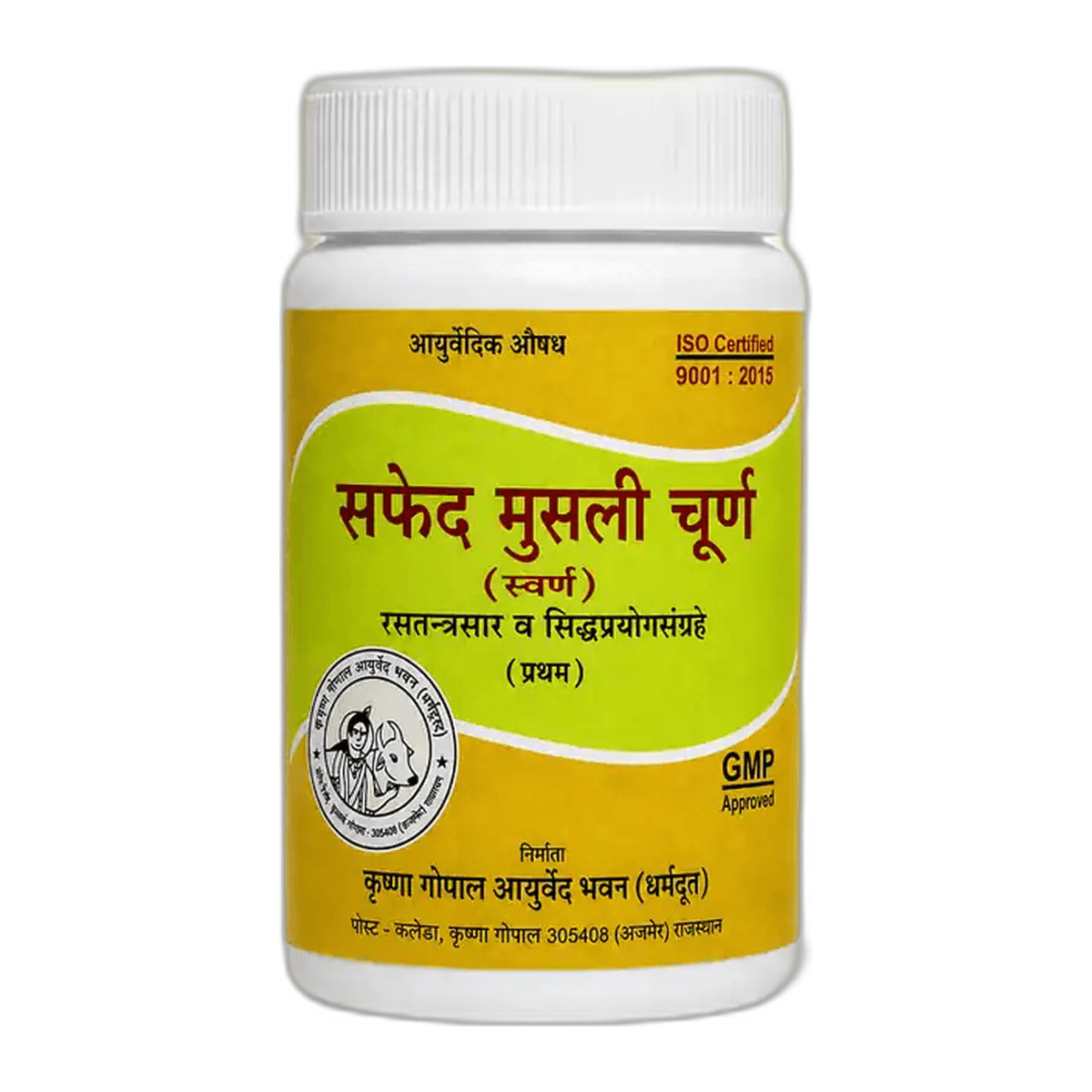
Safed Musli Churna (Kalera) Kalera
Boosts male strength and vitality
Container of 50 g
4.5
₹313Get ₹31 Cashback
₹36514% off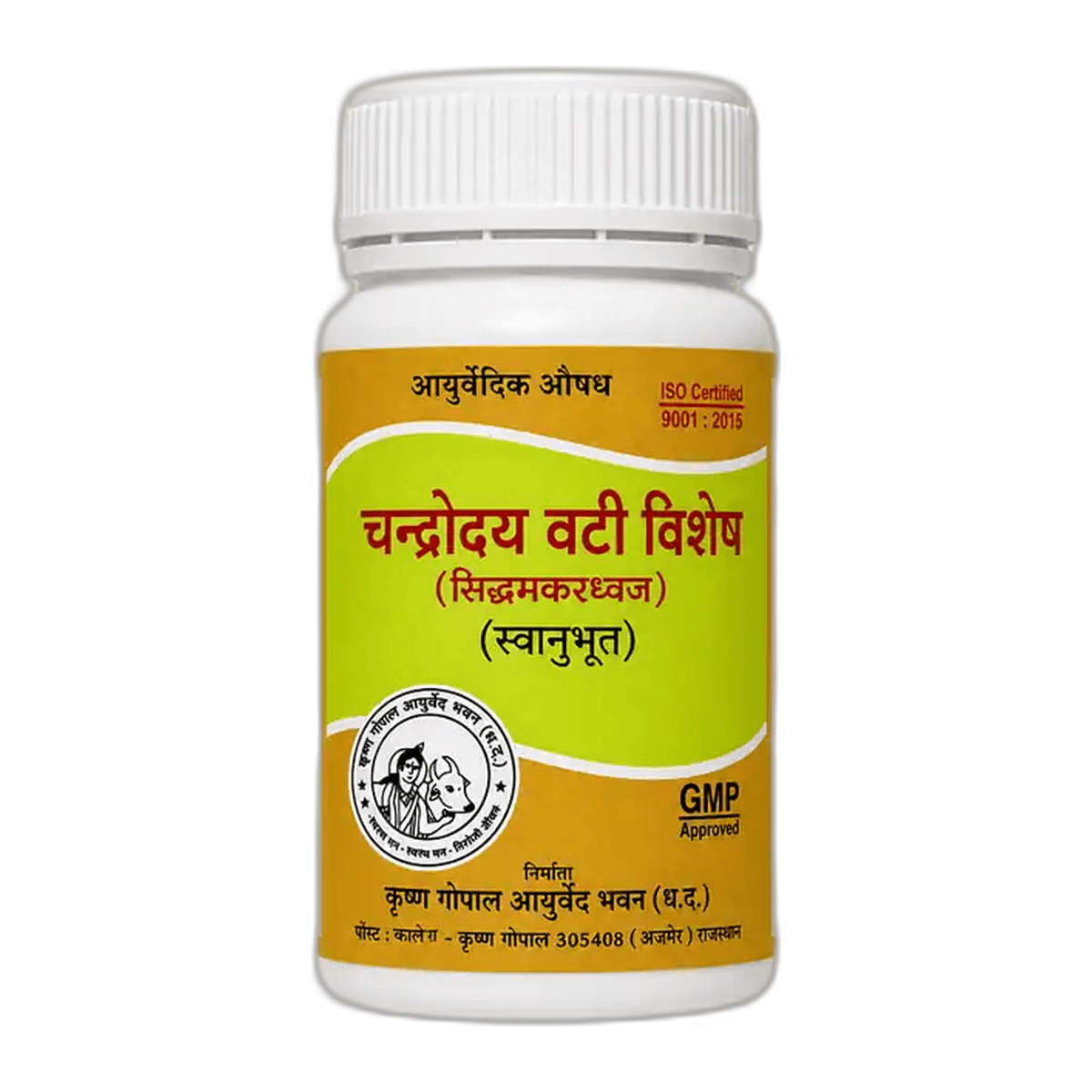 Prescribed to you4.7₹40 cashback
Chandrodaya (Siddha Makaradhwaja) Vati (Vishesh) (Kalera)KaleraDaily support for sexual vitality
Strip of 8 Tablets
4.7
₹400Get ₹40 Cashback
₹44410% off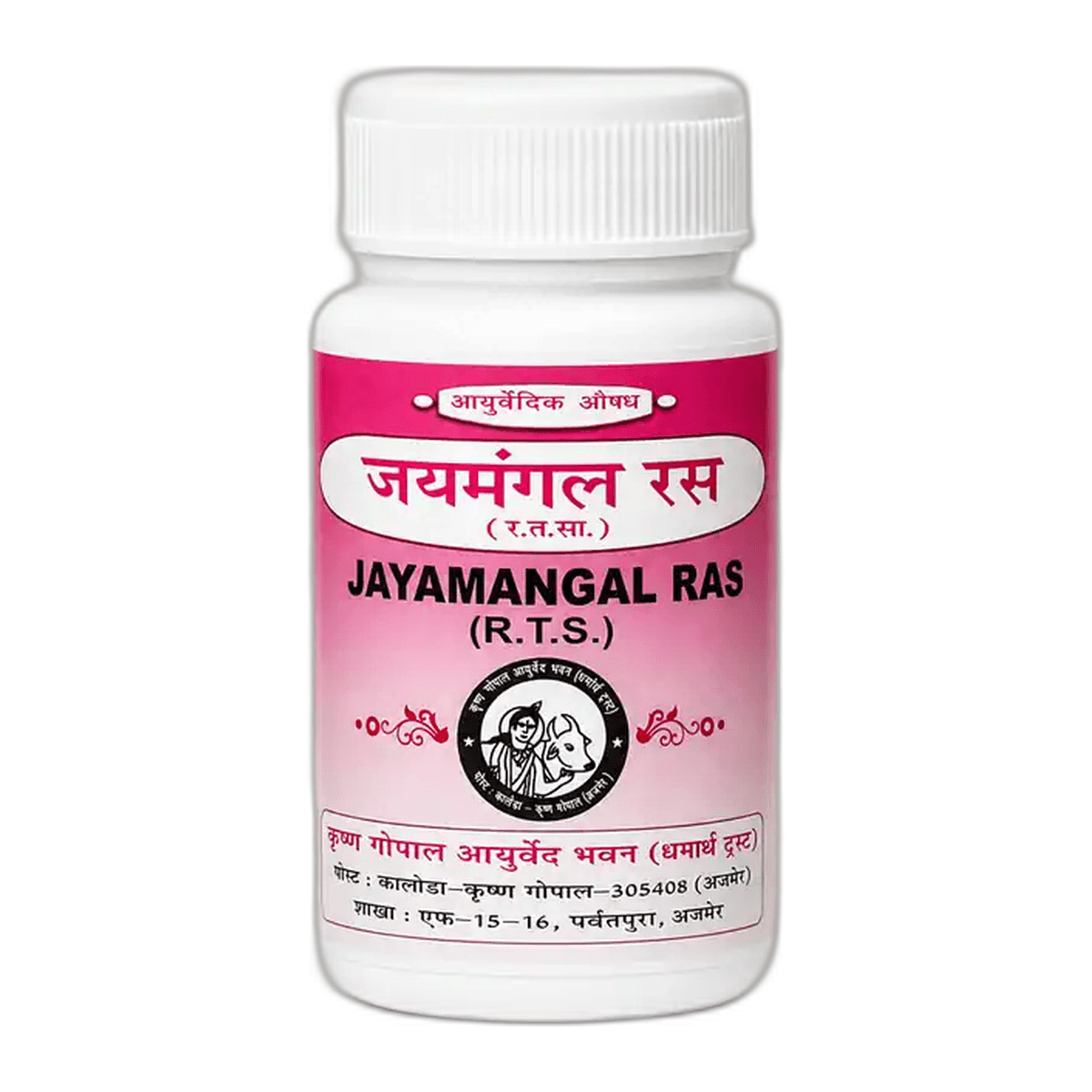 Prescribed to you4.5₹156 cashback
Jayamangal Ras (Kalera)KaleraSupports spermatorrhea and sexual weakness
500 mg
4.5
₹1,560.02Get ₹156 Cashback
₹1,78913% off
