

Pancreatitis Causes and Symptoms
Reviewed by medical experts · For informational purposes only
Introductory summary
Pancreatitis correlates with Ayurvedic conditions like Agnyashaya Shotha or Pittaja Grahani where aggravated Pitta dosha impairs the digestive fire. It is often triggered by excessive alcohol intake and spicy foods which increase heat and acidity causing burning indigestion known as Vidagdha Ajirna. Clinical features include severe upper abdominal pain termed Parinama Sula along with burning sensations vomiting and fever. The pathology involves Vata becoming obstructed by internal inflammation leading to intense colic. Management focuses on pacifying Pitta through Langhana or fasting to digest toxins followed by cooling diets containing milk and ghee. Therapeutic purgation or Virechana is the primary purification method while formulations like Narikela Lavana and Shankha Bhasma are used to neutralize acidity and relieve pain.
Pancreatitis
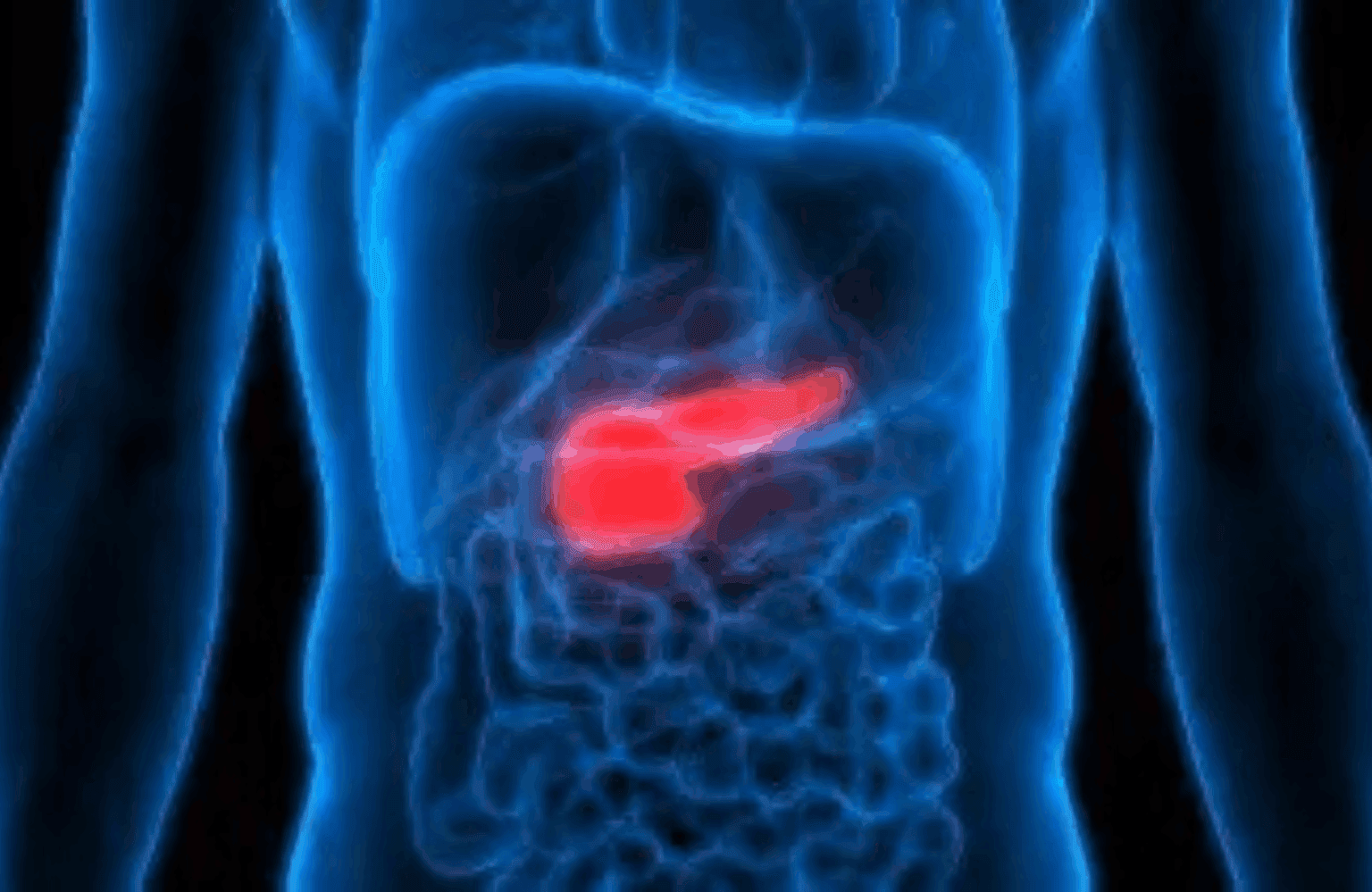
Pancreatitis is a condition characterized by the inflammation of the pancreas. In Ayurveda, the pancreas is functionally associated with the Grahani (the seat of the digestive fire, Agni) and structurally linked to Kloma (often debated as the pancreas or thirst center) and Agnyashaya (the organ of digestion). The clinical presentation of pancreatitis correlates strongly with Pittaja Grahani (inflammation of the small intestine/duodenum area), Parinama Sula (pain during digestion), and Vidagdha Ajirna (burning indigestion) caused by the aggravation of Pitta and Vata doshas.
1. Definition
Modern Definition: Pancreatitis is the inflammation of the pancreas, which can be acute (sudden and severe) or chronic (long-standing).
Ayurvedic Definition: While there is no direct Sanskrit word for "Pancreatitis," it is defined as a disorder of the Annavaha Srotas (food carrying channels) located in the Kukshi (upper abdomen). It involves the vitiation of Pachaka Pitta (digestive enzymes) and Samana Vayu, leading to Shotha (inflammation) and severe Sula (colic pain) in the region of the Agni (digestive fire).
2. Etymology & Conceptual Meaning
- Grahani: Derived from the root Grah, meaning to hold or receive. It refers to the organ (duodenum/upper small intestine) that holds food for digestion. The pancreas provides the enzymes for this process. Dysfunction here is Grahani Roga.
- Parinama Sula: Parinama means change or digestion, and Sula means colic/pain. This refers to pain that occurs during the process of food digestion, a hallmark of pancreatic distress.
- Annadrava Sula: Colic that occurs regardless of food intake, often correlating with chronic conditions.
- Conceptual Interpretation: Ayurveda views this condition as a "burning out" of the digestive center. The Pitta (fire element) becomes aggravated and liquid (Drava), extinguishing the natural digestive fire (Agni) and causing inflammation and self-digestion of the tissue.
3. Causes (Nidana)
The causes are primarily those that aggravate Pitta and disrupt digestion.
- Dietary Causes:
- Excessive intake of Madya (Alcohol): Alcohol is described as sour, hot, and sharp, directly aggravating Pitta and destroying Ojas (immunity).
- Vidahi Ahara: Food that causes burning, such as excessive spices, sour foods, and pungent tastes.
- Viruddha Ahara: Incompatible food combinations (e.g., fish and milk) which create Ama (toxins).
- Guru Bhojana: Heavy meats or fats that overload the digestive fire.
- Lifestyle Causes:
- Vegadharana: Suppression of natural urges, particularly vomiting (Chardi) or hunger.
- Divaswapna: Sleeping during the day, which increases inflammation and Kapha.
- Psychological Factors:
- Krodha (Anger) and Shoka (Grief) are cited as direct causes for the aggravation of Pitta and the disturbance of body heat.
4. Journey of the Disease (Pathogenesis/Samprapti)
- Samprapti Ghataka (Components):
- Dosha: Pitta (specifically Pachaka Pitta - enzymes) and Vata (specifically Samana Vayu - peristalsis/pain).
- Dushya (Tissues): Rasa (plasma), Rakta (blood), and Mamsa (muscle tissue of the organ).
- Srotas (Channels): Annavaha Srotas (Digestive tract).
- Agni (Fire): Tikshna (sharp/hyper-acidic) initially, followed by Mandagni (weak metabolism) due to obstruction.
- Ama (Toxins): Metabolic waste formed from improper digestion.
- Adhisthana (Site): Grahani and Agnyashaya (Pancreas/Duodenum).
- Pathogenesis:
- Etiological factors (like alcohol or spicy food) aggravate Pitta.
- The liquid quality (Dravatva) of Pitta increases, extinguishing the natural digestive fire.
- This creates Vidagdha Ajirna (burning indigestion) and Ama.
- Vata becomes obstructed by this inflammation and swelling (Shotha).
- The blocked Vata causes intense Sula (colic) in the upper abdomen (Kukshi), radiating to the back or sides.
5. Symptoms (Lakshana)
- Early Symptoms (Purvarupa):
- Amlodgara: Sour belching.
- Daha: Burning sensation in the chest or abdomen.
- Aruchi: Loss of appetite.
- Advanced Symptoms (Rupa):
- Kukshi Sula: Severe pain in the upper abdomen.
- Chardi: Vomiting, often of sour or bitter (bilious) material.
- Jwara: Fever due to internal inflammation.
- Trishna: Excessive thirst.
- Murcha: Fainting or dizziness due to severe pain and Pitta aggravation.
- Vibandha/Atisara: Constipation or fatty diarrhea (Steatorrhea - indicated by heavy, greasy stools in Grahani).
6. Different Types or Classification (Bheda)
While not explicitly named "Pancreatitis," the Shula (colic) chapter in Madhava Nidana classifies the pain as:
- Vataja Sula: Piercing, intense pain, relieved by hot fomentation (early stage pain).
- Pittaja Sula: Burning pain, thirst, fever, fainting (Acute Pancreatitis).
- Kaphaja Sula: Heaviness, nausea, mild pain.
- Sannipataja Sula: Involving all three doshas, often incurable or severe (Necrotizing Pancreatitis).
- Parinama Sula: Pain that appears during digestion.
- Annadrava Sula: Constant pain regardless of food intake.
7. Diagnosis
- Ayurvedic Diagnosis (Roga Pariksha):
- Sparshana (Palpation): Tenderness in the Grahani (upper abdomen) region.
- Darshana (Observation): Checking for Peeta (yellowish) discoloration of eyes/urine (jaundice complication).
- Prashna (Questioning): History of alcohol intake, burning pain patterns.
- Differential Diagnosis:
- Visuchika: Resembles acute gastroenteritis/cholera with piercing pain, but involves both vomiting and diarrhea simultaneously.
- Gulma: An abdominal tumor or lump; differentiated because Gulma is often movable or changes size, whereas inflammatory swelling is fixed.
8. Disease Management
The treatment principle is to pacify Pitta, clear the obstruction (Ama), and manage pain (Vata).
Diet (Ahara)
- Langhana (Fasting): The first line of treatment to rest the digestive organs and digest Ama.
- Pathya (Wholesome): Old rice, green gram soup (Mudga Yusha), pointed gourd (Patola), and milk (Kshira) are beneficial as they are cooling and light.
- Apathya (Avoid): Alcohol, sour curd, fried foods, chilies, and heavy meats.
Medicines
- Narikela Lavana: Coconut salt preparation. Specifically mentioned in Chakradatta for treating Sula (colic) and Parinama Sula. It soothes the mucosa and pacifies Pitta.
- Shankha Bhasma: Conch shell ash. Used for colic (Sula) and digestive acidity; reduces pain and inflammation.
- Suta Shekhara Rasa: (Implied by formulations containing gold/mercury/pitta-pacifiers). Used for hyperacidity and Pitta-related pain.
- Guduchi (Tinospora cordifolia): Reduces Pitta and inflammation.
- Dhatri Lauha: Used for Sula and acidity, strengthening the blood and liver.
Panchakarma
- Virechana (Purgation): This is the specific treatment for Pitta disorders. By purging the intestines, the pressure on the upper digestive tract is relieved, and excess bile is expelled.
- Basti (Enema): In chronic cases with severe pain (Vata involvement), medicated enemas are used. Piccha Basti (slimy enema) is useful in Grahani to heal the gut lining.
- Vamana (Emesis): Generally contraindicated in acute abdominal inflammation unless there is severe Kapha congestion in the stomach, as it may aggravate the pressure.
9. Prognosis
- Sadhya (Curable): Mild cases (Pitta dominance only) in strong patients are curable with fasting and diet control.
- Krichra (Difficult): Chronic cases (Yapya) or those known as Annadrava Sula (constant pain) are difficult to cure and require lifelong management.
- Asadhya (Incurable): If the condition presents with Tridosha aggravation (involving all three doshas), sudden loss of consciousness (Samnyasa), or complete cessation of digestion, it is considered critical.
10. Modern Correlations
- Parinama Sula: Correlates with Pancreatitis or Peptic Ulcer disease, where pain is linked to the phases of digestion.
- Pittaja Grahani: Correlates with the inflammatory aspect of the duodenum and pancreas.
- Similarities: Both systems recognize the role of alcohol and rich food as triggers. Both prescribe fasting (Langhana or "NPO - Nothing by Mouth") as the initial treatment.
11. References
-
World Health Organization (WHO)
Digestive diseases & pancreatitis overview
https://www.who.int/health-topics/digestive-diseases
-
National Institute of Diabetes and Digestive and Kidney Diseases (NIDDK – NIH)
Acute and chronic pancreatitis – causes and treatment
https://www.niddk.nih.gov/health-information/digestive-diseases/pancreatitis
-
Centers for Disease Control and Prevention (CDC)
Pancreatitis – causes, complications, and prevention
https://www.cdc.gov/digestive-diseases/pancreatitis.html
-
Mayo Clinic
Pancreatitis: symptoms, causes, diagnosis, and treatment
https://www.mayoclinic.org/diseases-conditions/pancreatitis/symptoms-causes/syc-20360227
-
UpToDate (Patient Education)
Acute and chronic pancreatitis – beyond the basics
https://www.uptodate.com/contents/pancreatitis-beyond-the-basics
-
StatPearls – NCBI Bookshelf
Pancreatitis (peer-reviewed clinical summary)
https://www.ncbi.nlm.nih.gov/books/NBK482468/
-
Agnimandya / Pachak Pitta Dushti (Ayurvedic correlation of pancreatitis)
https://www.ncbi.nlm.nih.gov/pmc/articles/PMC5452224/
12. FAQ Section
Q: Can I drink alcohol if I take Ayurvedic medicine for pancreatitis?
A: No. Ayurveda strictly prohibits Madya (alcohol) in Pitta and digestive disorders. Alcohol is considered Tikshna (sharp) and Ushna (hot), which acts like adding fuel to the fire of inflammation in pancreatitis.
Q: What is the best emergency Ayurvedic remedy for abdominal pain?
A: While emergency care should be sought for severe pancreatitis, Ayurveda often uses Shankha Bhasma or Narikela Lavana (Coconut Salt) to neutralize acid and relieve severe colic (Sula).
Q: Why does Ayurveda recommend fasting for this condition?
A: Fasting (Langhana) allows the Agni (digestive fire) to rest and digest the circulating toxins (Ama). In pancreatitis, the digestive organ is inflamed; eating food forces it to work, increasing inflammation. Fasting aids the healing process.
Q: Is milk good for pancreatitis patients?
A: In the recovery phase, yes. Ayurveda considers Kshira (milk) to be cooling and a natural pacifier of Pitta. However, it must be low-fat and taken only when the acute symptoms have subsided.
Consult a Doctor
- KC5.0Dr. Kamesh chand sharma
Ayurveda2 yrs exp
- PP4.4Dr prince patel
Ayurveda22 yrs exp
- KH4.4Dr Kowshalya H S
Ayurveda3 yrs exp
- AK4.8Dr. Amalnath K Viswanathan
Ayurveda4 yrs exp