

G6PD Deficiency Causes and Symptoms
Reviewed by medical experts · For informational purposes only
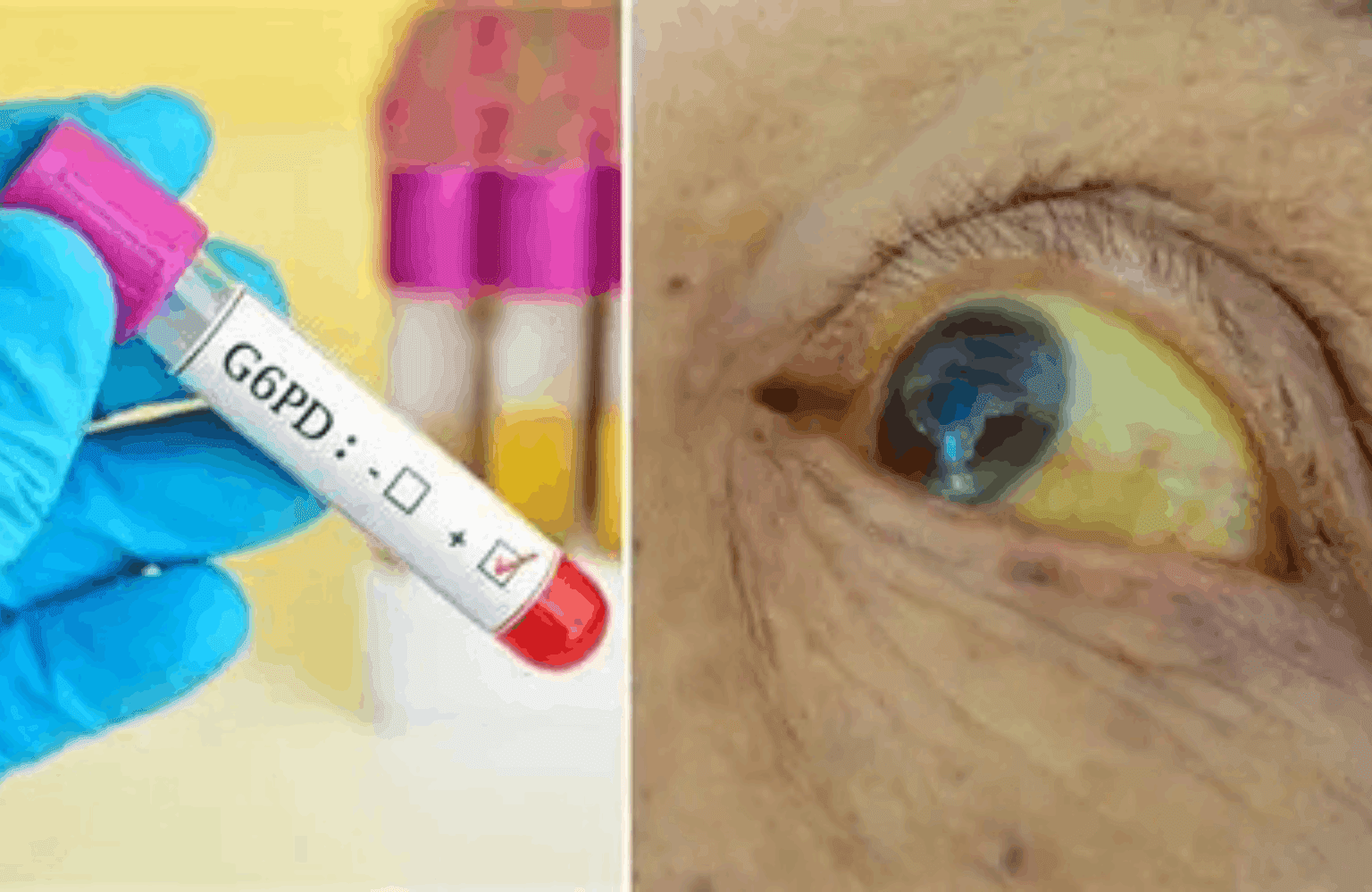
Introductory summary
G6PD Deficiency correlates with the Ayurvedic concepts of Pittaja Pandu and Sahaja Kamala involving the destruction of Rakta dhatu by the heat of aggravated Pitta dosha. Classified as a hereditary condition it manifests when triggers like infections or incompatible foods further vitiate Pitta causing hemolysis jaundice and debility. The pathology centers on the burning of blood elements by internal heat. Management emphasizes Pitta Shamana to cool the body and Rakta Prasadana to nourish the blood. Classical treatments include cooling formulations like Phalatrikadi Kvatha and Drakshasava along with liver protective herbs such as Guduchi and Amalaki. Patients are advised to avoid hot spicy and sour foods that provoke Pitta to prevent acute episodes.
G6PD Deficiency
G6PD Deficiency (Glucose-6-Phosphate Dehydrogenase Deficiency) is a genetic disorder affecting red blood cells, causing them to break down prematurely (hemolysis) when exposed to certain stressors like infections, specific foods (fava beans), or medications. In Ayurveda, this condition correlates with Pittaja Pandu (anemia dominated by the Fire element) or Sahaja Kamala (congenital jaundice/blood disorder). It involves the vitiation of Pitta Dosha, which "burns" or destroys the Rakta Dhatu (blood tissue).
1. Definition
Modern Definition: An inherited metabolic condition where the body lacks the G6PD enzyme, which protects red blood cells from oxidative stress. Deficiency leads to hemolytic anemia (destruction of red blood cells) and jaundice.
Ayurvedic Definition: A condition described as Pandu Roga (pallor/anemia), specifically the Pittaja type, where aggravated Pitta vitiates the blood (Rakta), causing yellowish discoloration of the skin and eyes, destruction of blood elements (Rakta Kshaya), and loss of strength (Ojo-kshaya) [Madhava Nidana, Charaka Samhita]. When congenital, it falls under Sahaja Roga (hereditary disease).
2. Etymology & Conceptual Meaning
- Pandu: Derived from the pale or yellowish-white color the skin acquires during the disease.
- Pittaja: Born of Pitta (the bio-energy of heat and metabolism).
- Conceptual Interpretation: Ayurveda views the rapid destruction of blood cells (hemolysis) as a result of Tejas (internal heat) going out of balance. When Pitta is aggravated, it enters the blood channels (Raktavaha Srotas) and, due to its hot and sharp qualities, destroys the blood tissue, similar to how fire consumes fuel [Charaka Samhita].
3. Causes (Nidana)
While G6PD is genetic (Sahaja or Beeja Dosha), Ayurveda outlines specific "Triggers" that aggravate Pitta and precipitate an attack (hemolytic crisis):
- Dietary Causes (Triggers):
- Excessive intake of Amla (sour), Lavana (salty), and Katu (pungent) tastes.
- Consumption of Vidahi foods (those that cause burning sensations), such as spicy items or excessive alcohol [Madhava Nidana].
- Eating incompatible foods (Viruddha Ahara) or hot-potency substances (Ushna Virya).
- Lifestyle Causes:
- Ati-Vyayama: Excessive physical exertion.
- Atapa: Prolonged exposure to the sun or heat.
- Vegadharana: Suppression of natural urges [Charaka Samhita].
- Genetic Factors: Ayurveda acknowledges Kulaja (familial) and Sahaja (congenital) diseases arising from defects in the Beeja (seed/genetic material) of the parents [Madhava Nidana].
4. Journey of the Disease (Pathogenesis/Samprapti)
- Samprapti Ghataka (Components):
- Dosha: Pitta (specifically Ranjaka Pitta which colors the blood) and Vata.
- Dushya (Tissues): Rakta (Blood), Tvak (Skin), and Mamsa (Flesh).
- Srotas (Channels): Raktavaha Srotas (Blood-carrying channels).
- Agni: Raktadhatvagni (Metabolic fire of blood tissue).
- Adhisthana (Site): Liver (Yakrit) and Spleen (Pliha).
- Pathogenesis:
- Due to genetic predisposition (Beeja Dosha) or exposure to Pitta-aggravating triggers (like certain beans or infections), Pitta becomes severely aggravated.
- This hot Pitta is propelled by Vata into the Dasha Dhamani (ten great vessels) and the entire body.
- It lodges in the space between the skin and flesh (Tvak-Mamsa Antara).
- The intense heat of Pitta scorches or destroys the Rakta Dhatu (red blood cells).
- This leads to Pandu (pallor/anemia), Kamala (jaundice), and weakness [Madhava Nidana, Charaka Samhita].
5. Symptoms (Lakshana)
- Early Symptoms (Purvarupa):
- Hridaya Spandana: Palpitations or fluttering of the heart.
- Sveda-abhava: Lack of sweating or dryness.
- Shrama: Fatigue [Madhava Nidana].
- Advanced Symptoms (Acute Crisis/Pittaja Pandu):
- Peeta Netra/Mutra: Yellow discoloration of eyes and urine (Jaundice).
- Daha: Burning sensation in the body.
- Trishna: Excessive thirst.
- Jvara: Fever.
- Bhrama: Giddiness or dizziness.
- Chardi: Vomiting.
- Daurbalya: Severe weakness due to blood loss [Madhava Nidana, Charaka Samhita].
6. Different Types or Classification (Bheda)
While G6PD is a specific genetic type, the clinical presentation falls under:
- Pittaja Pandu: Anemia characterized by yellow/greenish appearance, fever, and burning sensation.
- Kamala (Koshthashraya): Jaundice located in the GI tract and blood, characterized by yellow eyes and urine.
- Halimaka: An advanced stage where the skin turns greenish-yellow or dark, associated with severe loss of strength and energy (Ojas) [Madhava Nidana].
7. Diagnosis
- Ayurvedic Diagnosis (Roga Pariksha):
- Darshana (Observation): Noting the yellow color of the eyes (Netra), skin (Tvak), and nails (Nakha).
- Prashna (Questioning): Inquiry about sudden onset after eating specific foods (like fava beans/legumes) or exposure to heat.
- Nadi (Pulse): Pulse indicates high Pitta (rapid/jumping).
- Differential Diagnosis:
- Distinguished from Kaphaja Pandu (which presents with swelling and whiteness) and Vataja Pandu (which presents with dry skin and tremors) [Madhava Nidana].
8. Disease Management
Management focuses on Pitta Shamana (pacifying heat), Rakta Prasadana (soothing the blood), and avoiding triggers.
Diet (Ahara)
- Pathya (Beneficial): Cooling and sweet foods. Old rice (Purana Shali), barley (Yava), green gram (Mudga), and vegetable soups (Yusha) are recommended [Chakradatta].
- Apathya (Avoid): Hot, spicy, sour, and salty foods. Specifically avoid legumes that trigger the condition (like fava beans, though Masha or black gram is generally heavy and contraindicated in Pitta disorders). Alcohol (Madya) is strictly prohibited [Chakradatta].
Medicines
- Phalatrikadi Kvatha: A decoction of Triphala, Amrita (Guduchi), Vasa, Tikta (Katuki), Nimba, and Kiratatikta. It is specific for removing jaundice (Kamala) and pacifying Pitta [Chakradatta].
- Punarnava Mandura: A classic iron preparation processed with cow's urine and herbs like Punarnava, used for Pandu and splenic diseases [Chakradatta].
- Drakshasava: A fermented tonic made from grapes (Draksha), useful for Pandu and restoring strength [AFI].
- Arogyavardhini Vati: Used for liver disorders (Yakrit roga) and anemia, containing Kutaki which purges Pitta [AFI].
- Kumaryasava: Contains Aloe Vera and iron; indicated for Pandu and liver spleen enlargement [AFI].
Panchakarma
- Mridu Virechana (Mild Purgation): Since the disease is Pitta-dominant, therapeutic purgation is the treatment of choice to expel the hot bile. Herbs like Trivrit (Operculina turpethum) or Amalaki are used [Chakradatta].
- Shamana: Palliative care using cooling herbs if the patient is too weak for cleansing.
9. Prognosis
- Yapya (Manageable): As a genetic condition (Sahaja), the underlying defect cannot be removed. However, with proper diet and avoidance of triggers, the individual can live a normal life.
- Sadhya (Curable): Acute episodes of hemolysis (manifesting as Jaundice/Kamala) are treatable if intervention is timely.
- Asadhya (Incurable): If the patient develops Kumbha Kamala (deep-seated jaundice) with severe swelling (Shotha) and vomiting blood (Raktapitta), it becomes difficult to treat [Madhava Nidana].
10. Modern Correlations
- Hemolytic Anemia: Correlates with Pittaja Pandu (destruction of blood by heat).
- Jaundice: Correlates with Kamala.
- Hepatolienal (Liver-Spleen) issues: Correlates with Yakrit-Pliha Roga.
- Limitations: Ancient texts do not explicitly describe the "enzyme" G6PD but describe the exact clinical outcome (hemolysis/jaundice) resulting from specific triggers.
11. References
-
World Health Organization (WHO) – Glucose-6-phosphate dehydrogenase deficiency
https://www.who.int/publications/i/item/WHO-MHP-HPS-01.1
-
Centers for Disease Control and Prevention (CDC) – G6PD Deficiency
https://www.cdc.gov/malaria/about/biology/g6pd.html
-
National Institutes of Health (NIH) – Genetic and Rare Diseases Information Center (GARD)
https://rarediseases.info.nih.gov/diseases/6571/glucose-6-phosphate-dehydrogenase-deficiency
-
Mayo Clinic – G6PD deficiency
https://www.mayoclinic.org/diseases-conditions/g6pd-deficiency
-
National Health Portal of India – जी6पीडी की कमी (G6PD Deficiency)
https://www.nhp.gov.in/disease/blood/g6pd-deficiency
-
Ministry of Health & Family Welfare, Government of India – आनुवंशिक एवं रक्त विकार
https://www.mohfw.gov.in/
12. FAQ Section
Q: Can Ayurveda cure G6PD deficiency?
A: G6PD is a genetic condition (Sahaja), which Ayurveda classifies as manageable (Yapya). While the genetic trait remains, Ayurvedic treatment can strengthen the liver and blood (Rakta), preventing severe attacks.
Q: What diet should a G6PD patient follow in Ayurveda?
A: Patients should follow a Pitta-pacifying diet. This includes sweet, bitter, and astringent tastes. Beneficial foods include grapes, pomegranate, old rice, and milk. Avoid hot, spicy, sour, and fermented foods [Chakradatta].
Q: Is "Punarnava Mandura" safe for this condition?
A: Punarnava Mandura is a standard Ayurvedic iron preparation for anemia (Pandu). However, in cases of hemolytic anemia like G6PD, iron supplements should only be taken under strict medical supervision to avoid iron overload, as the body recycles iron from destroyed blood cells.
Q: What is "Kamala" in Ayurveda?
A: Kamala is the Ayurvedic term for Jaundice. It often occurs as a complication of neglected anemia (Pandu) or high Pitta, where the eyes, skin, and urine turn yellow due to the "burning" of blood tissue [Madhava Nidana].
Q: Are there herbs to protect the liver?
A: Yes. Herbs like Guduchi (Tinospora cordifolia), Amalaki (Indian Gooseberry), and Bhumyamalaki are excellent for protecting the liver and soothing Pitta without causing heat [API].
Consult a Doctor
- NG5.0Dr Nandini gaur
Ayurveda1 yrs exp
- KC5.0Dr. Kamesh chand sharma
Ayurveda2 yrs exp
- PP4.4Dr prince patel
Ayurveda22 yrs exp
- KH4.4Dr Kowshalya H S
Ayurveda3 yrs exp