

Candidiasis Symptoms and Causes
Reviewed by medical experts · For informational purposes only
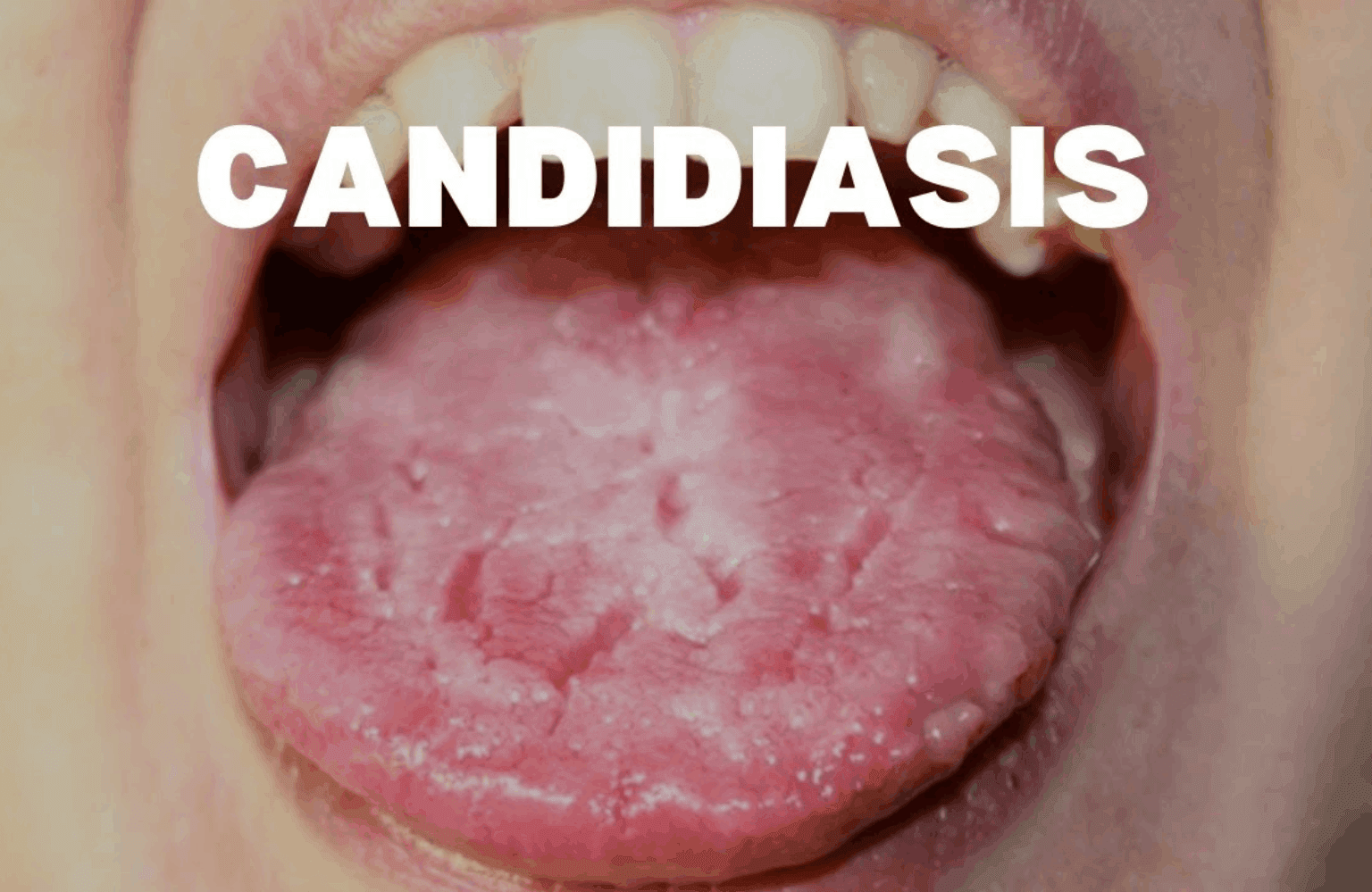
Introductory summary
Candidiasis correlates with the Ayurvedic condition Kaphaja Yonivyapat characterized by white slimy discharge and intense itching known as Kandu. It arises from the aggravation of Kapha dosha and the accumulation of metabolic toxins known as Ama which obstruct the reproductive channels. Contributing factors include the consumption of heavy sweet and cold foods along with poor hygiene. Treatment focuses on pacifying Kapha and eliminating parasites using herbs like Triphala Guggulu and Nimba. Local therapies including Yoni Prakshalana or vaginal washing with herbal decoctions are essential for cleansing the area and reducing inflammation. In cases involving bulbous swelling the condition aligns with Yoni Kanda requiring specific interventions to remove the growth and restore metabolic balance.
Candidiasis
Candidiasis, commonly known as a yeast infection, is a fungal infection caused by Candida yeasts. It can affect various parts of the body, but vulvovaginal candidiasis is the most common presentation in women. In Ayurveda, the symptoms of this condition—specifically white discharge and intense itching—correlate with Kaphaja Yonivyapat (Kapha-type vaginal disorder) and Shweta Pradara (White Discharge). In cases where inflammation leads to swelling or protuberances, it is described as Yoni Kanda. It involves the vitiation of the Kapha Dosha and the presence of Krimi (microbes/parasites) affecting the reproductive system.
1. Definition
Modern Definition: Candidiasis is an infection caused by a yeast (a type of fungus) called Candida.
Ayurvedic Definition: This condition is defined as a disorder of the female reproductive tract (Yonivyapat ) characterized by a discharge that is slimy, cold, and accompanied by itching, caused by the aggravation of Kapha Dosha. When the vitiated doshas (muscles and blood) produce a bulb-like swelling in the vaginal area, it is termed Yoni Kanda.
2. Etymology & Conceptual Meaning
-
Literal Meaning:
-
Yoni: Female reproductive organs/vagina.
-
Vyapat: Disorder or ailment.
-
Kaphaja: Born of or caused by Kapha dosha.
-
Kanda: A bulbous root or lump (referring to swelling/inflammation).
-
-
Conceptual Interpretation: Ayurveda views this infection as a result of Mandagni (weak digestive fire) leading to the formation of Ama (metabolic toxins). This Ama, combined with aggravated Kapha (which represents cold, heavy, and sticky qualities), accumulates in the reproductive channels (Artavavaha Srotas), creating an environment conducive to the growth of Krimi (fungus/parasites).
3. Causes (Nidana)
Dietary Causes
-
Kapha-Aggravating Foods: Excessive consumption of heavy, unctuous (oily), and cold foods. Specific mentions include excessive intake of milk products (curd/yogurt), sweets, and fatty substances.
-
Viruddha Ahara: Eating combinations that disrupt metabolism, such as fish with milk, which vitiates the blood and doshas.
-
Adhyashana: Eating before the previous meal is digested leads to Ama formation.
Lifestyle Causes
-
Divaswapna: Sleeping during the day increases Kapha and blockage in channels.
-
Lack of Hygiene: While not explicitly termed "hygiene," the presence of Krimi is linked to external impurities and contact.
4. Journey of the Disease (Pathogenesis/Samprapti)
The disease progresses through the blockage of channels by Kapha and Ama.
-
Samprapti Ghataka (Components):
-
Dosha: Kapha (primary cause of itching and discharge) and Vata (cause of pain).
-
Dushya (Tissues): Rasa, Rakta, and Mamsa.
-
Srotas (Channels): Artavavaha Srotas and Rasavaha Srotas.
-
Agni: Jatharagni Mandya.
-
Ama: Metabolic toxins that feed the infection.
-
Adhisthana (Site): Yoni (Vagina/Vulva).
-
-
Process: The aggravated Kapha dosha, mixed with Ama, moves downwards (Apana Vayu) and lodges in the vaginal tissues. It blocks the local channels, causing excessive secretion of mucous fluids (discharge) and intense itching (Kandu). In Yoni Kanda, the vitiated blood and muscle tissue form a localized swelling.
5. Symptoms (Lakshana)
Early Symptoms
-
Kandu: Itching in the vulval/vaginal region.
-
Alpa Shula: Mild pain or discomfort.
Advanced Symptoms (Kaphaja Yonivyapat)
-
Picchila Srava: Discharge that is slimy, unctuous, and sticky.
-
Sheetala: A sensation of coldness in the local area.
-
Pandu Varna: Pale or whitish discoloration of the skin/discharge.
-
Yoni Kanda: If the condition progresses to a "bulb" or swelling, it may present as a rough or soft protuberance depending on Vata or Kapha dominance.
6. Different Types or Classification (Bheda)
- Kaphaja: Characterized by white, cheesy/curdy discharge and intense itching (Closest correlation to Candidiasis).
- Pittaja: Characterized by burning sensation, redness, and yellow discharge.
- Vataja: Characterized by dryness, pain, and frothy discharge.
- Tridoshaja/Sannipataja: Involving all three doshas, often chronic and difficult to treat.
7. Diagnosis
-
Ayurvedic Diagnosis:
-
Darshana: Inspecting the color and consistency of discharge.
-
Prashna: Asking about itching (Kandu).
-
-
Differential Diagnosis: Differentiated from Upadamsa (venereal diseases/STIs) which often involve ulceration (Vrana).
8. Disease Management
Treatment focuses on Kapha-Shamana, Krimighna, and Srotoshodhana.
Diet (Ahara)
-
Avoid sweet, heavy, cold, and oily foods. Avoid curd and fermented items.
-
Recommended: Spices like Haridra, Lashuna, and Shunthi.
-
Takra (Buttermilk).
Medicines
-
Triphala for Yoni Prakshalana.
-
Guggulu.
-
Krimighna drugs: Vidanga, Nimba, Karanja.
-
Pushyanuga Churna.
Panchakarma
-
Yoni Prakshalana with Triphala, Nimba, Panchavalkala.
-
Yoni Pichu with Jatyadi Taila.
-
Vamana.
-
Virechana.
9. Prognosis
-
Sadhya: Recent Kaphaja Yonivyapat.
-
Krichra: Chronic or Sannipataja cases.
10. Modern Correlations
-
Kaphaja Yonivyapat aligns with Vulvovaginal Candidiasis.
-
Krimi concept aligns with fungal etiology.
-
Yoni Kanda correlates with inflammatory swelling.
-
Modern antifungal: Fluconazole.
11. References
World Health Organization (WHO) – Candidiasis (Yeast Infection)
Official global overview of candidiasis, explaining that it’s a common fungal infection caused by Candida yeasts. WHO describes how it affects different body sites (mouth, vagina, skin, or invasive sites), risk factors, and general prevention and treatment approaches. (World Health Organization)
CDC – Candidiasis Basics
Centers for Disease Control and Prevention (CDC) defines candidiasis, its common forms (vaginal, oral, skin), and the serious form invasive candidiasis that can affect bloodstream and internal organs in hospitalized or immunocompromised patients. (CDC)
MSD Manual (Professional) – Candidiasis Clinical Reference
Clinical overview of candidiasis, including symptoms, signs, diagnosis, and recommended antifungal treatment for mucosal and invasive disease in professional contexts. (MSD Manuals)
Encyclopaedia Britannica – Candidiasis
Summary article on candidiasis, including its pathology, how Candida lives as a normal commensal organism, and how factors like antibiotics or weakened immunity can lead to yeast overgrowth and infection. (Encyclopedia Britannica)
Harvard Health – Candidiasis A-to-Z
Harvard Health’s explanation of candidiasis symptoms by body site — thrush, cutaneous candidiasis, vaginal yeast infections — and how these different presentations appear clinically. (Harvard Health)
PubMed Review – Oral Candidiasis Overview
A literature review on oral candidiasis covering epidemiology, clinical presentation, and diagnosis of Candida infections in the mouth and oropharynx. (PubMed)
12. FAQ Section
Q: Can Ayurvedic herbal washes help with yeast infections?
A: Yes. Yoni Prakshalana (vaginal washing) using decoctions of Triphala or Neem is a standard Ayurvedic treatment. These herbs have antimicrobial properties that help reduce itching and discharge.
Q: What diet should I follow to prevent Candidiasis according to Ayurveda?
A: You should avoid Kapha-aggravating foods, such as heavy sweets, cold dairy (like ice cream and curd), and oily foods. Warm, light, and spicy foods (using garlic and turmeric) are recommended to improve digestion and reduce Kapha.
Q: Is "Yoni Kanda" the same as Candidiasis?
A: Yoni Kanda refers to a "bulb" or swelling in the vaginal area. While Candidiasis is primarily an infection (Kaphaja Yonivyapat), severe inflammation can lead to swelling that resembles the description of Yoni Kanda.
Q: Why does Ayurveda recommend avoiding day sleep for this condition?
A: Sleeping during the day (Divaswapna) increases the Kapha dosha and slows down metabolism (Agni). Since Candidiasis is often a Kapha-dominant condition, day sleep can worsen the blockage of channels and increase discharge.
Consult a Doctor
- KC5.0Dr. Kamesh chand sharma
Ayurveda2 yrs exp
- PP4.4Dr prince patel
Ayurveda22 yrs exp
- PJ5.0Dr. P. JOTEENDRA
Ayurveda2 yrs exp
- S4.6Dr. Shan
Ayurveda4 yrs exp
More on Candidiasis Symptoms and Causes
Buy Medicine
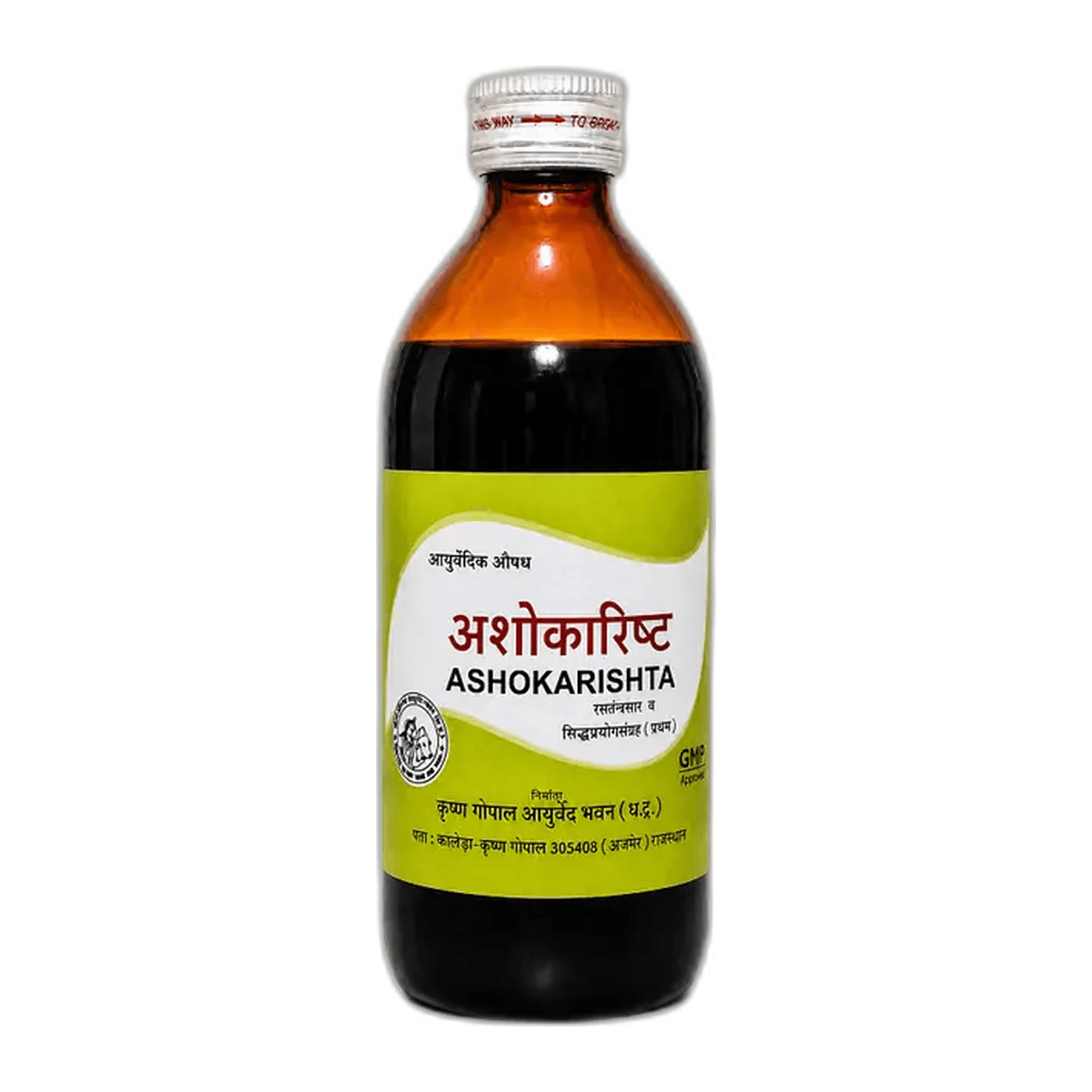 Prescribed to you4.3₹13 cashback
Ashokarishta (Kalera) Kalera
Daily support for menstrual regulator
Bottle of 450 ml
4.3
₹130Get ₹13 Cashback
₹14510% off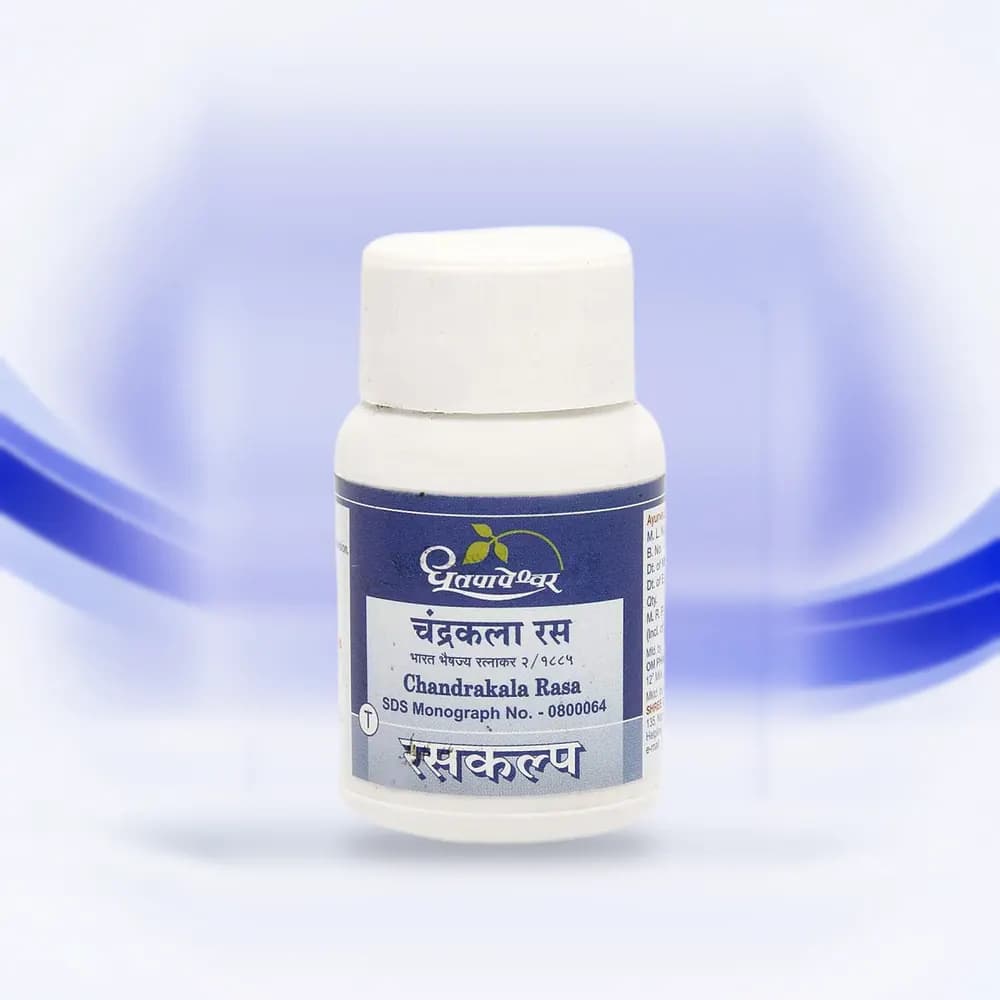 Prescribed to you4.3₹24 cashback
Chandrakala Rasa (Dhootapapeshwar) SDL
Supports Pitta-related comfort
Strip of 30 Tablets
4.3
₹245Get ₹24 Cashback
₹27511% off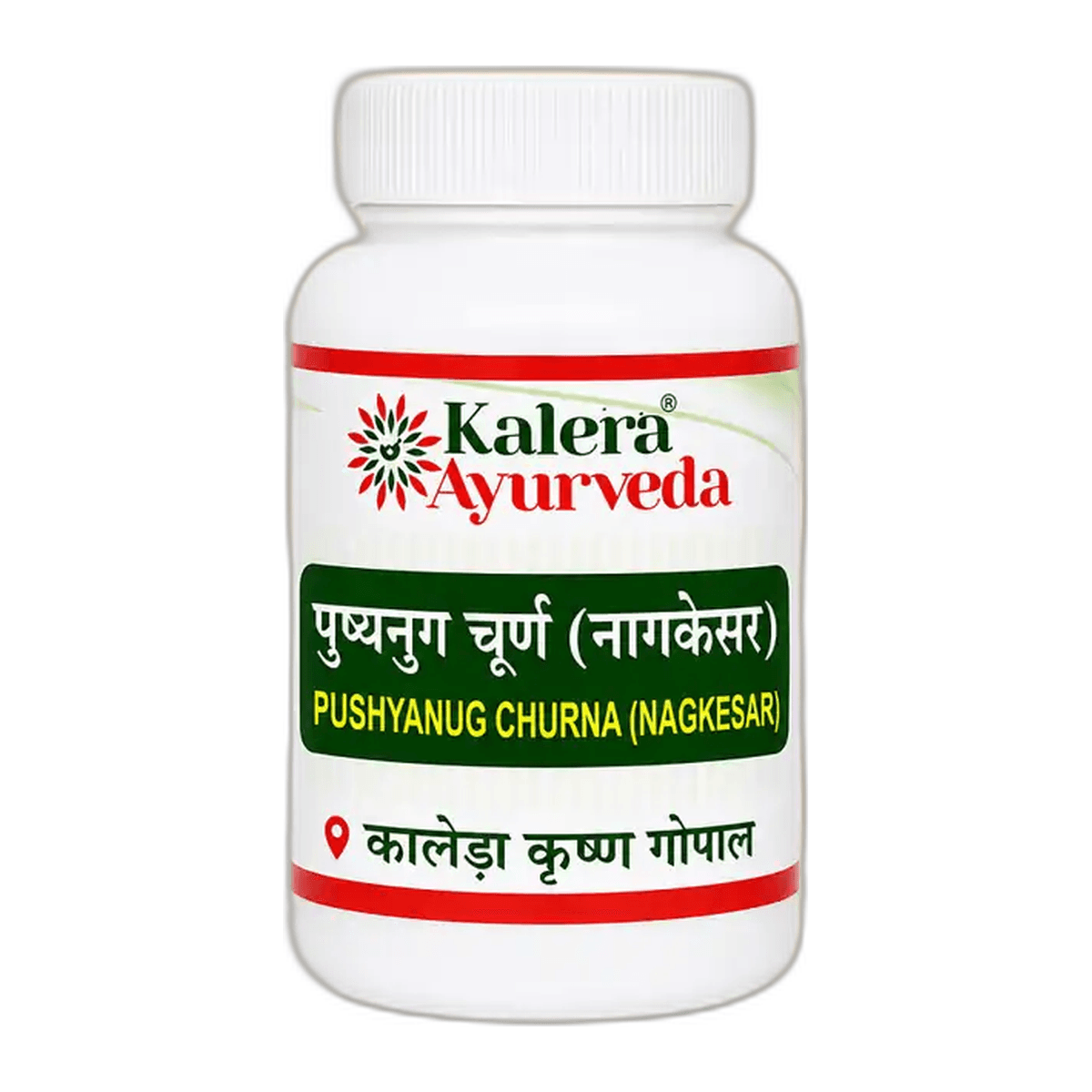 Prescribed to you4.4₹13 cashback
Pushyanug Churna (Nagkesar) (Kalera)KaleraSupports menstrual disorders and leucorrhea
Container of 50 g
4.4
₹135Get ₹13 Cashback
₹15613% off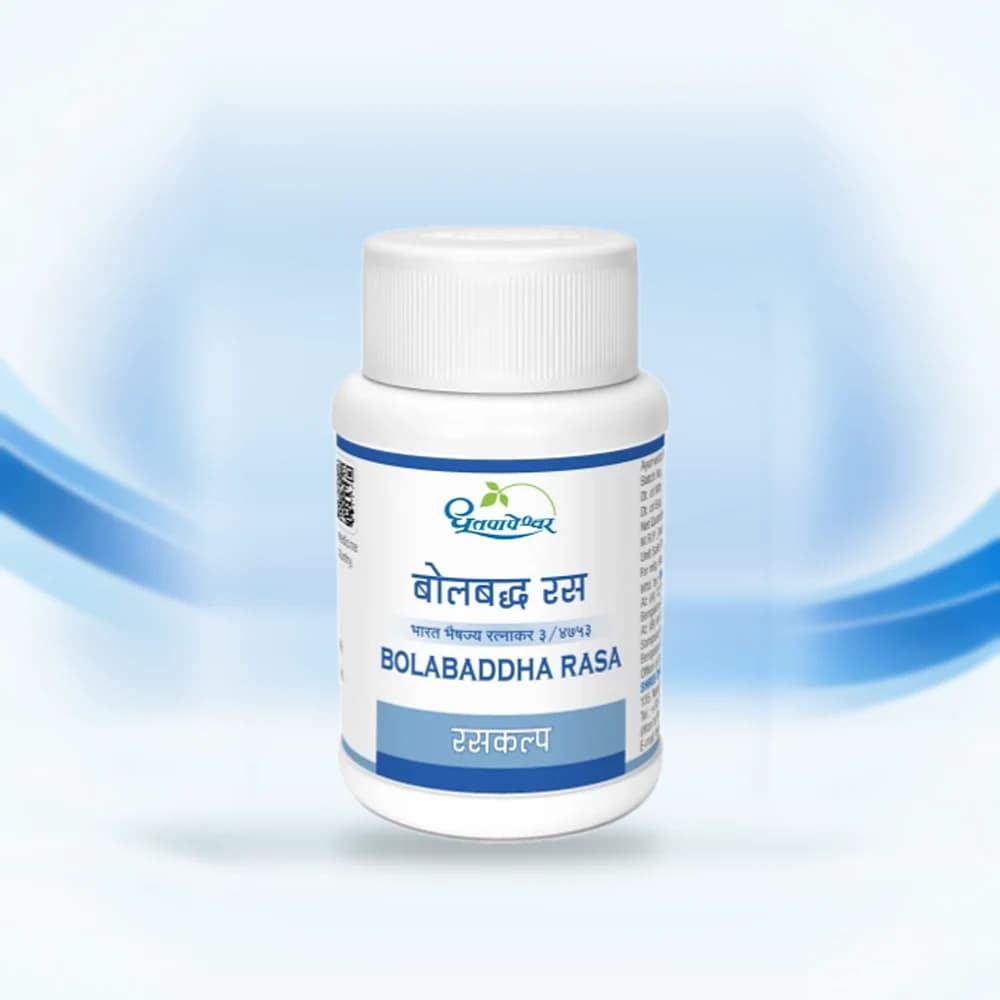 Prescribed to you4.3₹22 cashback
Bolabaddha Rasa (Dhootapapeshwar) | BOLBADHASDLSupports hemostatic action
Strip of 25 Tablets
4.3
₹220Get ₹22 Cashback
₹25012% off
