

Celiac disease Symptoms and Causes
Reviewed by medical experts · For informational purposes only
Introductory summary
Celiac disease closely correlates with the Ayurvedic condition Grahani Roga which involves the impairment of Agni or digestive fire and the small intestine. This dysfunction leads to the improper digestion of food resulting in the formation of Ama or metabolic toxins that obstruct nutritional channels. The condition manifests with symptoms such as alternating diarrhea and constipation abdominal pain and the excretion of foul smelling undigested stool known as Sama Mala. Causes include the intake of heavy incompatible foods and the suppression of natural urges which vitiate the Grahani. Ayurvedic management emphasizes restoring digestive power through Deepana and Pachana therapies using formulations like Chitrakadi Vati. The primary dietary intervention involves the use of Takra or medicated buttermilk and the avoidance of heavy indigestible grains,,.
Celiac Disease
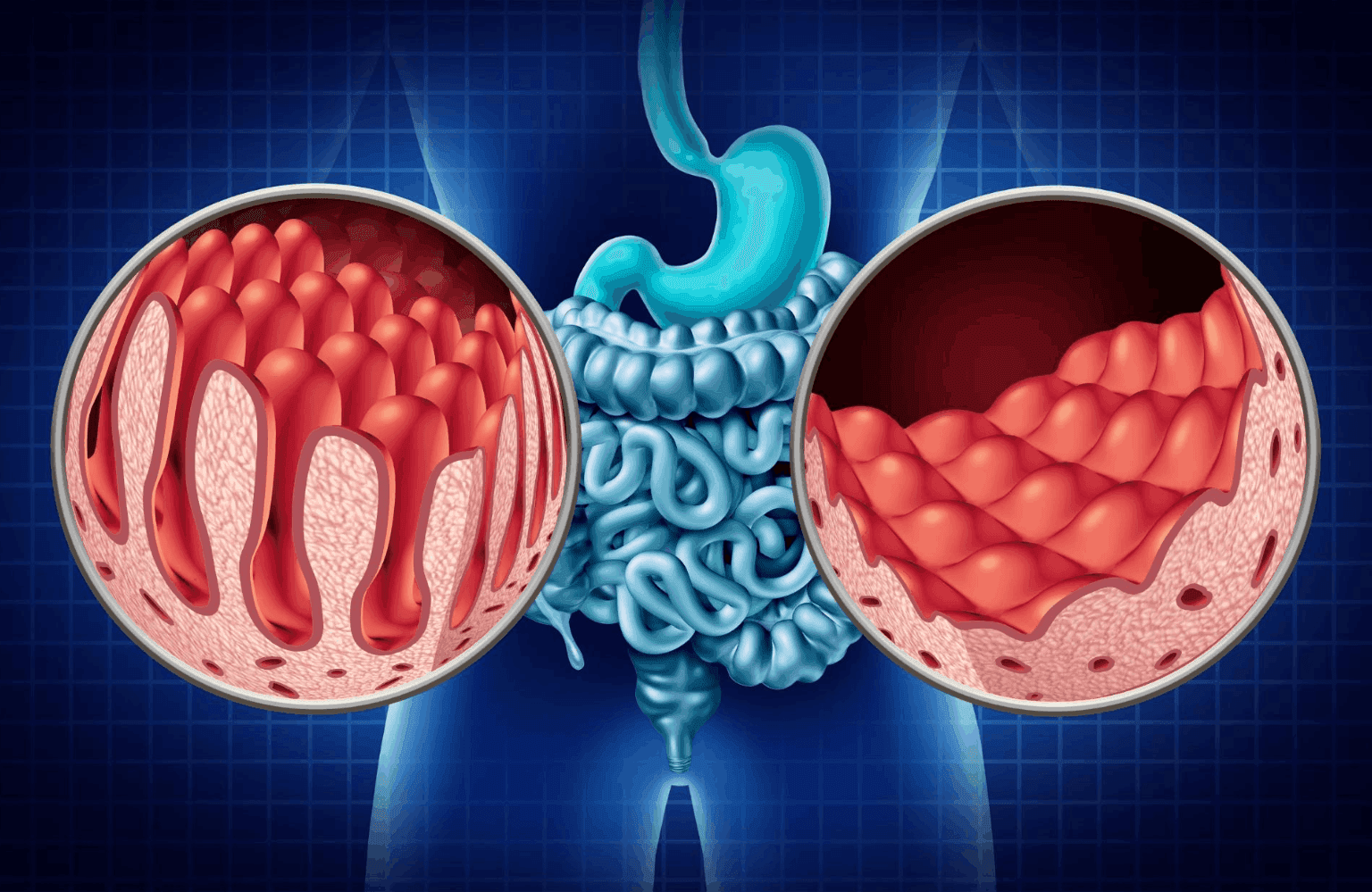
Celiac disease is a chronic digestive and immune disorder that damages the small intestine. In Ayurveda, the symptoms and pathology of this condition correlate strongly with Grahani Roga or Grahani Dosha. This condition is characterized by the impairment of Agni (digestive fire) and the Grahani (the organ that holds food, identified as the small intestine/duodenum), leading to malabsorption and the excretion of undigested food materials (Ama).
1. Definition
Modern Definition: Celiac disease is an autoimmune reaction to eating gluten, a protein found in wheat, barley, and rye.
Ayurvedic Definition: Grahani is defined as the seat of the digestive fire (Agni). Its function is to hold food, digest it, and release it. When the Agni is weak (Mandagni), the food is not digested properly and passes through the system in an unripe or undigested state (Ama). This disorder of the holding and digesting capacity of the intestine is called Grahani Roga.
2. Etymology & Conceptual Meaning
-
Literal Meaning: The Sanskrit word Grahani means "that which catches" or "holds." It refers to the organ situated above the umbilical region and is considered the seat of Agni (digestive fire).
-
Conceptual Interpretation: In Ayurveda, health depends on Agni. When Agni is corrupted, it cannot convert food into Rasa (nutrient plasma). The Grahani organ, corrupted by weak fire, releases food that is "Ama" (toxic/undigested) rather than "Pakva" (digested). This aligns with the malabsorption seen in Celiac disease.
3. Causes (Nidana)
The root cause of Grahani is the suppression of the digestive fire (Agni-mandya), which can be triggered by dietary and lifestyle errors.
Dietary Causes
-
Incompatible Foods: Consumption of Viruddha Ahara (incompatible food combinations).
-
Adhyashana: Eating a meal before the previous meal has been fully digested is a primary cause of Grahani.
-
Heavy Foods: Excessive intake of heavy (Guru), cold, or dry foods that differ from one's constitution. While wheat (Godhuma) is generally considered nourishing, in a person with weak Agni, heavy grains can become pathogenic.
Lifestyle Causes
-
Vegadharana: Suppression of natural urges (like hunger, thirst, or defecation).
-
Stress: Grief, fear, and anger are noted to disturb the digestive fire and cause Grahani.
4. Journey of the Disease (Pathogenesis/Samprapti)
The disease progresses when the digestive fire is extinguished or weakened, leading to the accumulation of toxins.
-
Samprapti Ghataka (Components):
-
Mechanism: When the Agni is weak, it cannot digest food. The undigested food ferments and turns into Ama. This toxic material irritates the lining of the Grahani. The organ loses its ability to hold food for the requisite time, expelling it prematurely in a liquid or broken form.
5. Symptoms (Lakshana)
Early Symptoms (Purvarupa)
-
Excessive thirst (Trishna).
-
Lethargy and heaviness in the body.
-
Delayed digestion of food causing acidity or burning (Vidaha).
Advanced Symptoms (Rupa)
-
Altered Bowel Habits: Stool is sometimes bound (constipated) and sometimes loose (diarrhea).
-
Sama Mala: The stool contains undigested food particles, is slimy, and has a foul smell (Durgandha).
-
Pain: Colicky pain in the abdomen (Udara Shula).
-
Nutritional Deficiency: Emaciation, weakness, and anemia (Pandu).
-
Gurgling: Sounds in the intestines (Antrakujana).
6. Different Types or Classification (Bheda)
Madhava Nidana and Charaka Samhita classify Grahani into:
- Vataja Grahani
- Pittaja Grahani
- Kaphaja Grahani
- Sannipataja Grahani
- Sangraha Grahani
8. Disease Management
Treatment focuses on Deepana, Pachana, and Laghu Ahara.
Diet (Ahara)
-
Takra (Buttermilk)
-
Laja (puffed rice)
-
Yavagu (gruels)
Medicines
-
Chitrakadi Vati
-
Takrarishta
-
Panchamrita Parpati
-
Dashamula
-
Hingvashtaka Churna
-
Bhaskara Lavana Churna
Panchakarma
-
Basti
-
Langhana
9. Prognosis
• Childhood: Grahani is mentioned as a disease affecting children (Bala Roga) and requires careful dietary management.
• Chronic: If untreated, Grahani becomes chronic and difficult to cure (Krichra). It can lead to severe emaciation and other complications like Udara Roga (abdominal enlargement/ascites).
• Relapse: Even after symptoms subside, if the patient returns to heavy or unwholesome food, the disease can return quickly, as the "fire" remains minute and unstable.
10. Modern Correlations
• Similarities:
◦ Malabsorption: Both Celiac and Grahani involve the failure to absorb nutrients.
◦ Steatorrhea: The Ayurvedic description of "slimy" or "white" stool in Kaphaja Grahani correlates with fatty stools seen in Celiac disease.
◦ Chronic Nature: Both are chronic conditions requiring long-term dietary control.
• Differences: Modern medicine identifies gluten as the specific antigen. Ayurveda views the cause more broadly as Agnimandya (metabolic failure), where the body loses the capacity to digest heavy substances (like wheat gluten).
11. References
Mayo Clinic — Celiac Disease (Symptoms, Causes)
Provides a comprehensive medical overview, including how immune reactions to gluten damage the small intestine’s villi and lead to malabsorption of nutrients, risk factors, and complications. (Mayo Clinic)
Mayo Clinic — Celiac Disease (Diagnosis & Treatment)
Details diagnostic approaches (blood tests, biopsies) and the only effective management — lifelong strict gluten-free diet, including hidden sources of gluten. (Mayo Clinic)
NIDDK/NIH — Definition & Food-Triggered Mechanisms
Official U.S. government overview of celiac disease, noting it as a chronic digestive and immune disorder that damages the small intestine when gluten is eaten. (NIDDK)
Johns Hopkins Medicine — Overview & Genetic Links
Explains how celiac disease is genetic, how gluten damages the small intestine, and how symptoms vary widely, even in people who aren’t aware they have it. (Hopkins Medicine
PubMed Review — Pathogenesis & Features
A peer-reviewed article describing celiac disease as an autoimmune disorder with immune-mediated damage to small intestine lining and characteristic villous atrophy, leading to malabsorption and systemic effects. (PubMed)
OnlyMyHealth (Hindi) — Hidden Symptoms of सीलिएक रोग
Hindi article explaining lesser-known symptoms such as anemia, liver issues, bloating and fatigue that many people overlook. (Onlymyhealth)
MyUpchar (Hindi) — Celiac Disease Causes & Treatment
Hindi guide describing causes (immune reaction to gluten), typical symptoms, and general gluten-free management approach. (MyUpchar)
MedTalks.in (Hindi) — Celiac Disease Overview
Hindi article covering symptoms, complications, reproductive and neurological effects, and the importance of gluten-free diet and follow-up care. (https://www.medtalks.in)
News Track / OneIndia (Hindi)
Hindi news explainers discussing symptoms like diarrhea, abdominal pain, gas and behavioral effects, and how gluten avoidance is key to management. (Newstrack)
12. FAQ Section
Q: Does Ayurveda recommend avoiding wheat for this condition?
A: While Ayurveda generally considers wheat (Godhuma) nourishing, in the context of Grahani (weak digestion), heavy foods are contraindicated. Since wheat is heavy (Guru) and hard to digest, Ayurvedic treatment for Grahani often involves switching to lighter grains like old rice or lentils until the Agni (fire) is restored.
Q: What is the best home remedy for digestion in Ayurveda?
A: Takra (Buttermilk) is highly praised. Drinking buttermilk processed with spices like cumin, ginger, and rock salt is considered one of the best remedies for Grahani and chronic digestive weakness.
Q: Can stress trigger this condition?
A: Yes. Ayurvedic texts explicitly state that Grahani can be caused or aggravated by mental factors like grief, fear, and anger, which disturb the digestive fire.
Q: Is Celiac disease curable in Ayurveda?
A: Ayurveda views Grahani as a curable condition in early stages but difficult to treat (Krichra) in chronic stages. Management focuses on restoring digestive power. If the digestive fire is permanently restored, tolerance to foods may improve, but patients are often advised to maintain a gut-friendly diet for life to prevent relapse,.
Consult a Doctor
- KC5.0Dr. Kamesh chand sharma
Ayurveda2 yrs exp
- PP4.4Dr prince patel
Ayurveda22 yrs exp
- AK4.8Dr. Amalnath K Viswanathan
Ayurveda4 yrs exp
- NG5.0Dr Nandini gaur
Ayurveda1 yrs exp
More on Celiac disease Symptoms and Causes
Buy Medicine
 Prescribed to you4.4₹8 cashback
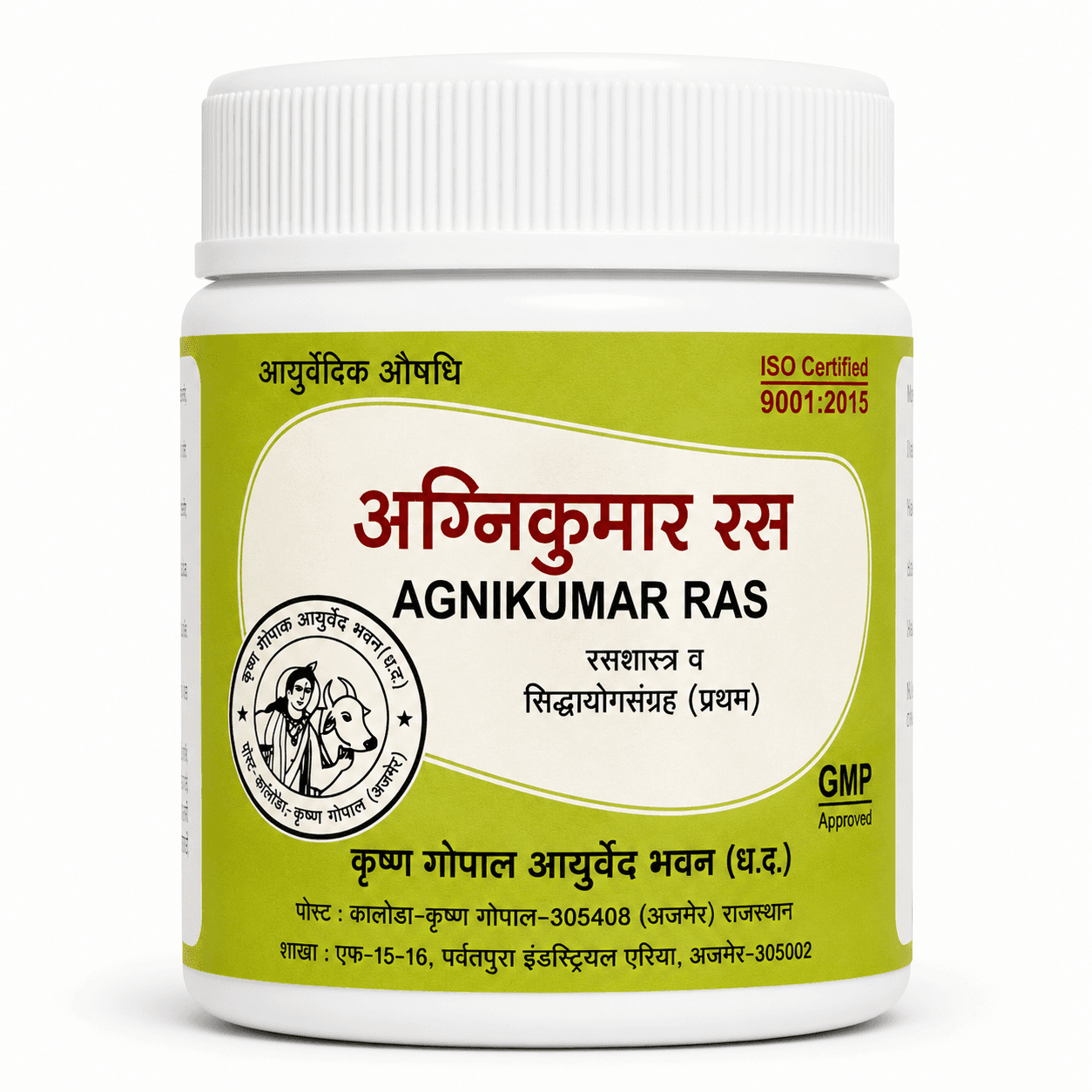
Agnikumar Ras (Kalera) Kalera
Daily support for digestive stimulant
Container of 10 g
4.4
₹81Get ₹8 Cashback
₹9111% off Prescribed to you4.7₹17 cashback
Saunf ka Ark (Kalera)KaleraDaily support for digestive comfort
Bottle of 450 ml
4.7
₹171Get ₹17 Cashback
₹19613% off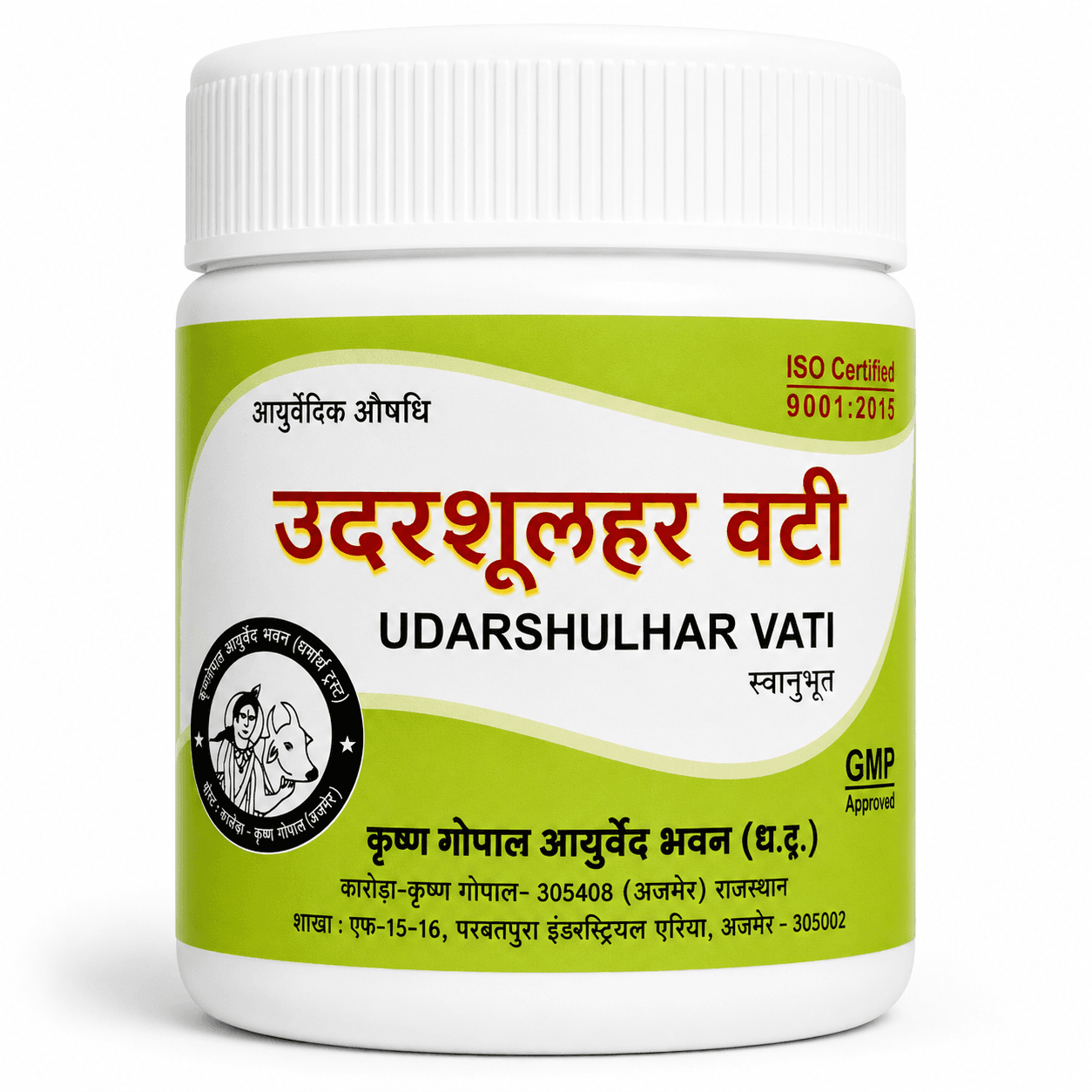 Prescribed to you4.3₹7 cashback
Udarshoolhar Vati (Kalera)KaleraDaily support for abdominal colic
Strip of 30 Tablets
4.3
₹71Get ₹7 Cashback
₹8213% off
