

Heat rash Symptoms and Causes
Reviewed by medical experts · For informational purposes only
Introductory summary
Heat rash is understood in Ayurveda as a manifestation of aggravated Pitta Dosha affecting the blood or Rakta and skin or Twak often termed Pittaja Pidaka or Visphota. It arises when internal heat and excessive sweating or Ati sweda lead to the obstruction of sweat channels causing inflammation redness and burning pustules. The condition is triggered by hot weather spicy foods and exposure to the sun. Management focuses on Pitta Shamana or cooling therapies to pacify heat and purify the blood. Effective remedies include formulations like Haridrakhanda for itching and Chandanasava to reduce burning sensations. External applications of cooling herbs such as Chandana or Sandalwood and Usira or Vetiver are highly recommended along with a Pitta pacifying diet rich in sweet and bitter tastes.
Heat Rash
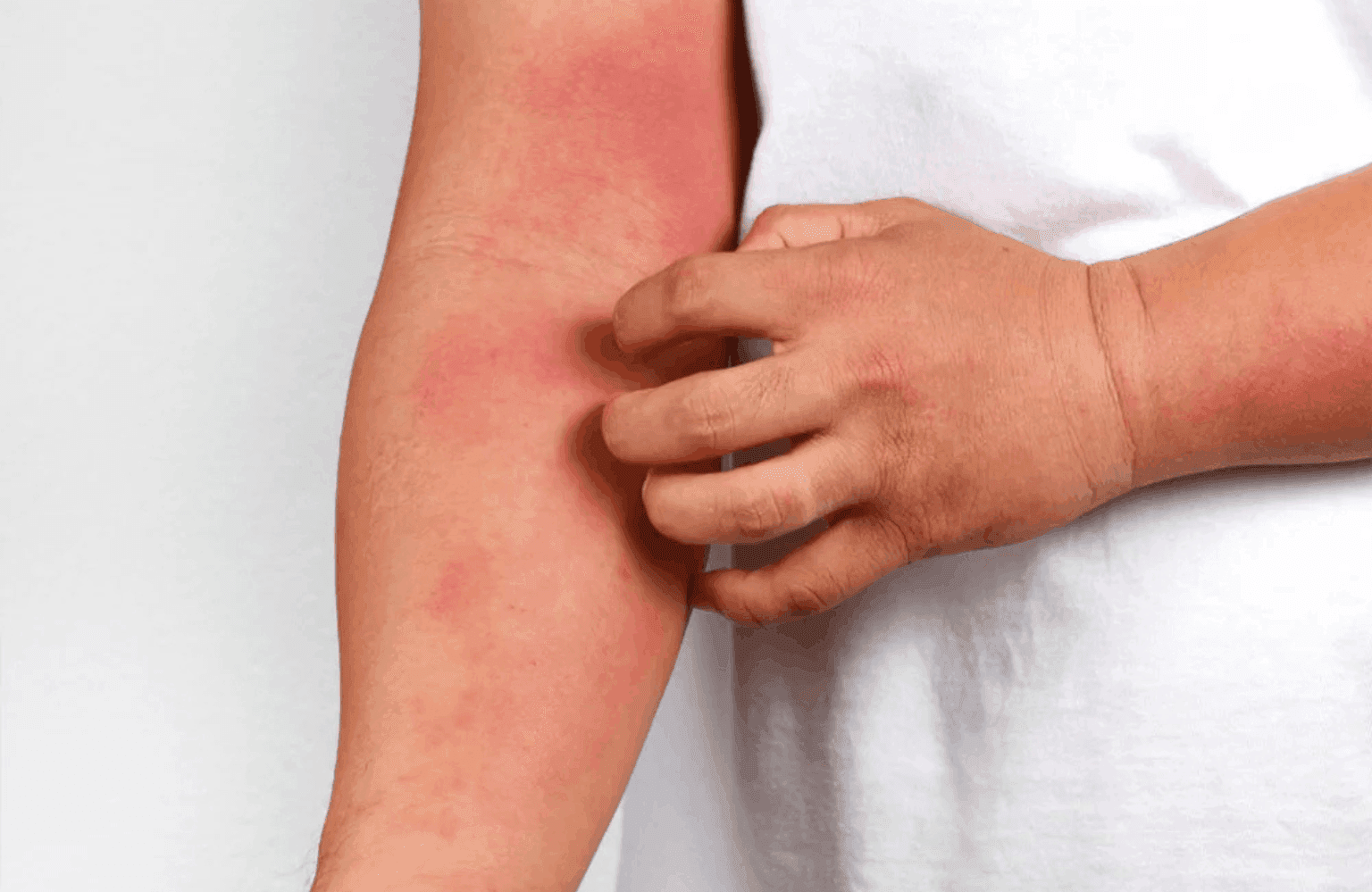
Heat rash, also known as prickly heat or miliaria, is a skin condition characterized by small, itchy rashes and prickly sensation caused by trapped sweat. In Ayurveda, this condition is understood as a manifestation of aggravated Pitta Dosha (Fire element) affecting the skin (Twak) and blood (Rakta). It is often described under the categories of Pittaja Pidaka (Pitta pustules) or Visphota (blisters).
1. Definition
- Modern Definition: A skin condition caused by blocked sweat ducts, trapping perspiration under the skin, leading to red rashes, itching, and a stinging sensation.
- Ayurvedic Definition: A condition where the heat of Pitta becomes aggravated, leading to Daha (burning sensation), Raga (redness), and Pidaka (pustules or eruptions) on the skin. It is characterized by the vitiation of blood (Rakta) and skin (Twak) due to excessive heat [Charaka Samhita, Sutrasthana].
2. Etymology & Conceptual Meaning
- Literal Meaning:
- Pidaka: A small boil, pustule, or eruption.
- Visphota: Blister or eruption that breaks open.
- Conceptual Interpretation: According to Charaka Samhita, when Pitta is vitiated, it spreads to the skin and creates symptoms like burning, heat, inflammation, perspiration, moisture, and redness. The condition is essentially an inflammatory response of the skin to internal and external heat [Charaka Samhita, Sutrasthana 20].
3. Causes (Nidana)
Ayurvedic texts attribute skin inflammations and Pitta disorders to specific dietary and lifestyle factors that increase heat in the body.
Dietary Causes
- Excessive consumption of foods that are Katu (pungent/spicy), Amla (sour), and Lavana (salty).
- Intake of hot potency foods (Ushna Virya) such as sesame, alcohol, and certain sour fermented items [Charaka Samhita, Vimanasthana 1].
- Overeating or eating foods that cause burning sensation (Vidahi).
Lifestyle Causes
- Atapa: Prolonged exposure to the sun or heat.
- Ati-sweda: Excessive sweating.
- Krodha: Anger and emotional stress, which are known to aggravate Pitta [Charaka Samhita, Nidanasthana 1].
4. Journey of the Disease (Pathogenesis / Samprapti)
The process begins when heat-aggravating factors increase Pitta in the body.
- Step-by-step explanation:
- Due to heat and improper diet, Pitta Dosha increases.
- The aggravated Pitta vitiates the Rakta (blood) and moves towards the exterior of the body.
- It lodges in the Twak (skin) and Swedavaha Srotas (sweat channels).
- The heat creates obstruction and inflammation, manifesting as red, burning rashes or small blisters.
- Samprapti Ghataka (Components):
- Dosha: Pitta (specifically Bhrajaka Pitta located in the skin).
- Dushya: Rakta (Blood), Twak (Skin), Lasika (Lymph/Serum).
- Srotas: Raktavaha (Blood carrying) and Swedavaha (Sweat carrying).
- Agni: Dhatvagni Mandya (Local tissue metabolic impairment).
- Adhisthana (Site): Skin (Twak).
5. Symptoms (Lakshana)
Early Symptoms
- Daha: Burning sensation in the skin [Charaka Samhita, Sutrasthana 20].
- Sweda-adhikya: Excessive sweating.
- Vivarnata: Discoloration or redness of the skin [Madhava Nidana, Visphota Nidanam].
Advanced Symptoms
- Pidaka: Appearance of small red pustules or blisters.
- Kandu: Itching (often indicates Kapha involvement).
- Paka: Suppuration or formation of pus if the rash gets infected.
- Jwara: Mild fever may accompany severe widespread rashes [Madhava Nidana, Visphota Nidanam].
6. Classification (Bheda)
While heat rash is a general term, Madhava Nidana classifies skin eruptions (Visphota) based on Dosha dominance:
- Vataja: Blisters with pain (Shula) and blackish discoloration.
- Pittaja: Red, burning blisters accompanied by thirst and fever (Closest correlation to severe heat rash).
- Kaphaja: Itchy, hard, and skin-colored eruptions.
- Raktaja: Red eruptions caused by vitiated blood [Madhava Nidana, Visphota Nidanam].
7. Diagnosis
Ayurvedic Diagnosis (Roga–Rogi Pariksha)
- Darshana (Observation): Observing the skin for redness (Raga) and the nature of the pustules (small, red, clustered).
- Sparshana (Touch): The skin feels hot (Ushna) to the touch.
- Prashna (Questioning): Inquiry about sun exposure, sweating, and intake of spicy foods.
Differential Diagnosis
- Must be distinguished from Masurika (Chickenpox/Smallpox), which presents with systemic symptoms like severe fever and body pain, whereas heat rash is localized [Madhava Nidana, Masurika Nidanam].
- Must be distinguished from Sitapitta (Urticaria), which involves raised, itchy wheals often triggered by cold wind, unlike the burning pustules of heat rash [Madhava Nidana, Sitapitta Nidanam].
8. Disease Management
Management focuses on Pitta Shamana (pacifying heat) and Rakta Prasadana (soothing the blood).
Diet (Ahara)
- Beneficial: Foods with Madhura (sweet), Tikta (bitter), and Kashaya (astringent) tastes. Milk, ghee, old rice, green gram (Mudga), and vegetables like Patola (pointed gourd) are recommended [Chakradatta].
- Avoid: Sour (Amla), salty, and spicy foods. Avoid alcohol, curd (Dadhi), and fried items that increase burning.
Lifestyle (Vihara)
- Avoidance of sun exposure and heat.
- Taking cool baths.
- Wearing light, breathable clothing.
Medicines
- Single Herbs:
- Chandana (Sandalwood): Used externally and internally to relieve burning (Daha) and heat [Dravyaguna Vijnana].
- Usira (Vetiver): A cooling herb used to pacify Pitta and skin diseases [AFI].
- Nimba (Neem): Acts as an antiseptic and cools the skin.
- Formulations:
- Kacciradi Churna (Lepa): A paste containing Kaccira, Chandana (Sandalwood), Usira, and Manjistha. It is applied externally to relieve headache, burning sensation, and skin inflammation [Ayurvedic Formulary of India, 11:2].
- Haridrakhanda: A granule formulation used for itching (Kandu), blisters (Visphota), and skin allergies [Ayurvedic Formulary of India, 3:31].
- Chandanasava: A liquid preparation used for burning sensation and heat-related disorders [Ayurvedic Formulary of India, 1:15].
- Shatavari Guda: Used for burning sensations and Pitta disorders [Ayurvedic Formulary of India, 3:27].
Panchakarma
- Virechana (Purgation): This is the therapy of choice for Pitta disorders. It eliminates the excess heat and toxins from the body, effectively treating skin diseases and burning sensations [Charaka Samhita, Sutrasthana 20].
9. Prognosis
- Early vs. Chronic: Heat rash is generally Sadhya (easily curable) with simple cooling measures and diet correction.
- Factors Affecting Prognosis: It becomes difficult to treat if neglected, leading to secondary infection (suppuration) or if it turns into a chronic condition like Visarpa (Erysipelas/spreading inflammation).
10. Modern Correlations
- Similarities: The Ayurvedic description of Pittaja Pidaka (red, burning pustules) caused by heat matches the symptoms of Miliaria Rubra (prickly heat).
- Differences: Modern medicine focuses on the mechanical blockage of sweat ducts. Ayurveda focuses on the systemic vitiation of the Pitta Dosha and Blood as the root cause.
- Limitations: Ayurveda categorizes these symptoms under broader skin pathology headings rather than a single term restricted only to sweat duct blockage.
11. References
-
World Health Organization (WHO) – Heat and skin health
https://www.who.int/teams/environment-climate-change-and-health/heat
-
Mayo Clinic – Heat rash
https://www.mayoclinic.org/diseases-conditions/heat-rash
-
StatPearls (NCBI Bookshelf) – Miliaria
https://www.ncbi.nlm.nih.gov/books/NBK537176/
-
National Health Portal of India – घमौरियां (Heat Rash)
https://www.nhp.gov.in/disease/skin/heat-rash
-
Ministry of Health & Family Welfare, Government of India – त्वचा रोग एवं गर्मी से बचाव
https://www.mohfw.gov.in/
12. FAQ Section
Q: Is Sandalwood good for heat rash?
A: Yes. Chandana (Sandalwood) is described in Ayurvedic texts as having cooling properties (Sheeta Virya) that relieve burning sensation (Daha) and skin inflammation.
Q: What foods should I avoid if I have a heat rash?
A: You should avoid foods that aggravate Pitta (heat), such as spicy peppers, sour foods (pickles, vinegar), excess salt, and alcohol [Charaka Samhita].
Q: Can Ayurveda treat itching caused by heat?
A: Yes. Formulations like Haridrakhanda are specifically indicated in the Ayurvedic Formulary of India for treating Kandu (itching) and Visphota (blisters/rashes).
Q: Is purging recommended for skin rashes?
A: For severe or recurrent Pitta-type skin issues, Ayurveda recommends Virechana (therapeutic purgation) to expel excess heat and toxins from the body [Charaka Samhita].
Consult a Doctor
- KC5.0Dr. Kamesh chand sharma
Ayurveda2 yrs exp
- PP4.4Dr prince patel
Ayurveda22 yrs exp
- AK4.8Dr. Amalnath K Viswanathan
Ayurveda4 yrs exp
- NG5.0Dr Nandini gaur
Ayurveda1 yrs exp
More on Heat rash Symptoms and Causes
Buy Medicine
 Prescribed to you4.4₹19 cashback
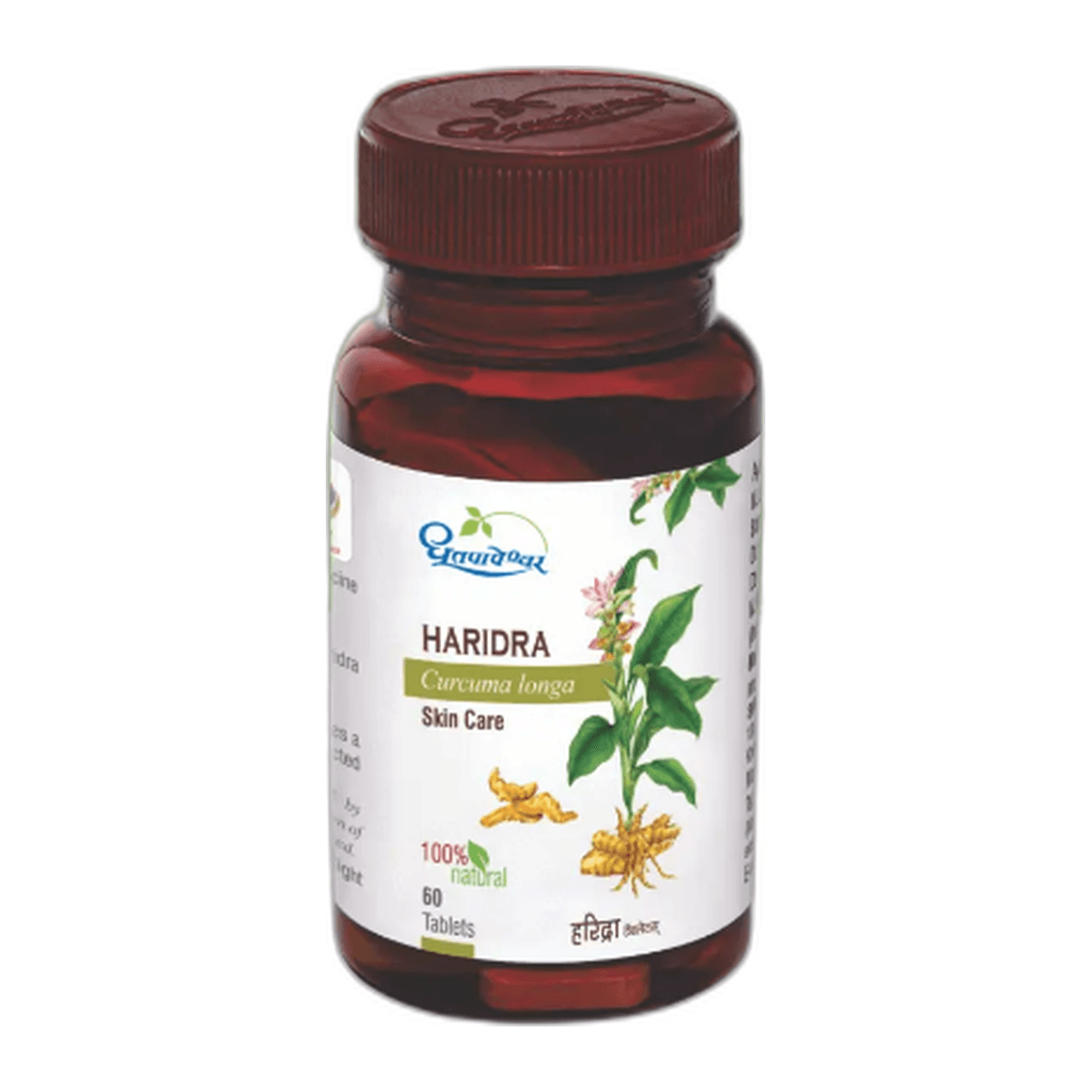
Haridra Tab (Dhootapapeshwar) SDL
Skin and respiratory support
Strip of 60 Tablets
4.4
₹190Get ₹19 Cashback
₹22114% off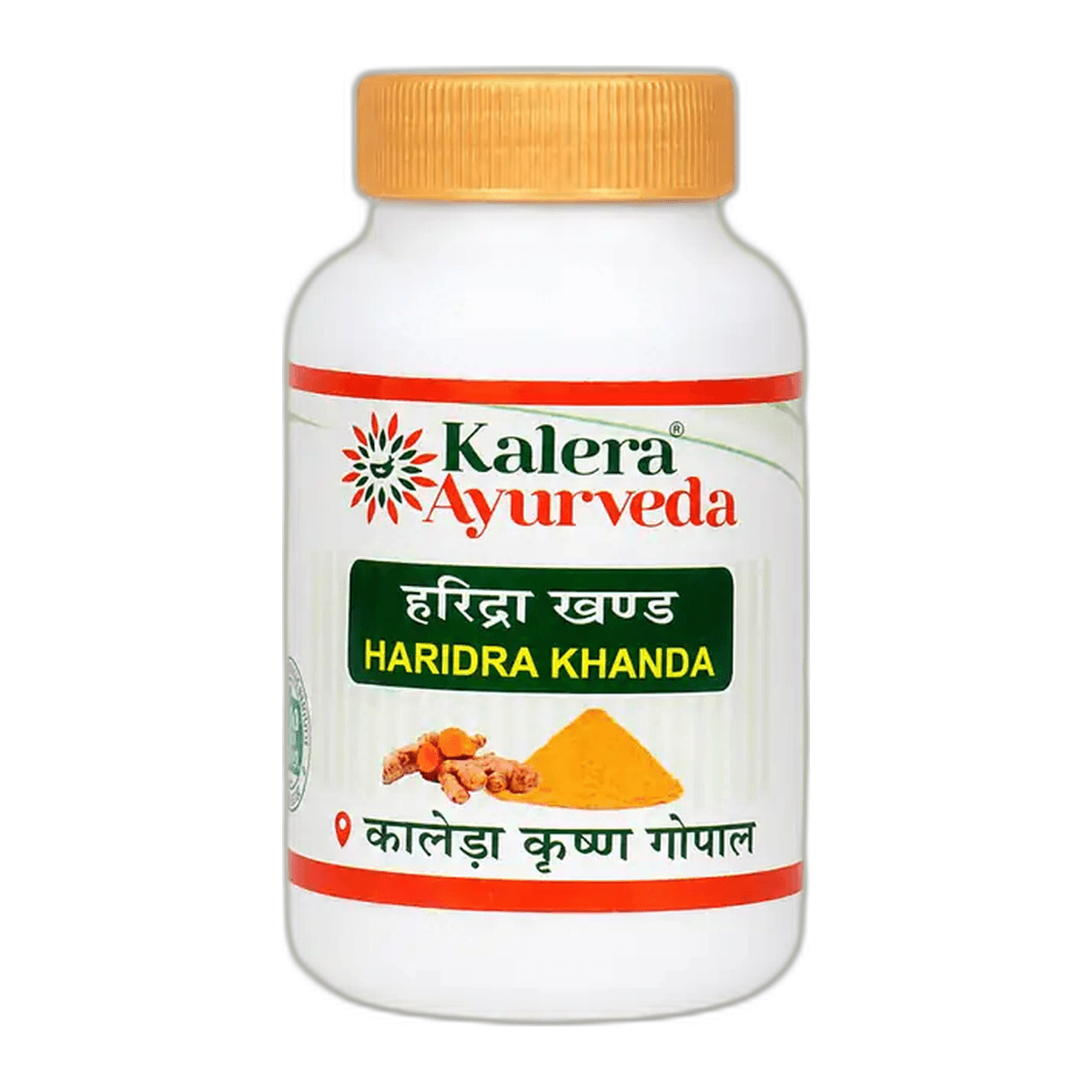 Prescribed to you4.5₹13 cashback
Haridra Khand (Kalera) Kalera
Daily support for turmeric tonic
Bottle of 100 ml
4.5
₹135Get ₹13 Cashback
₹15412% off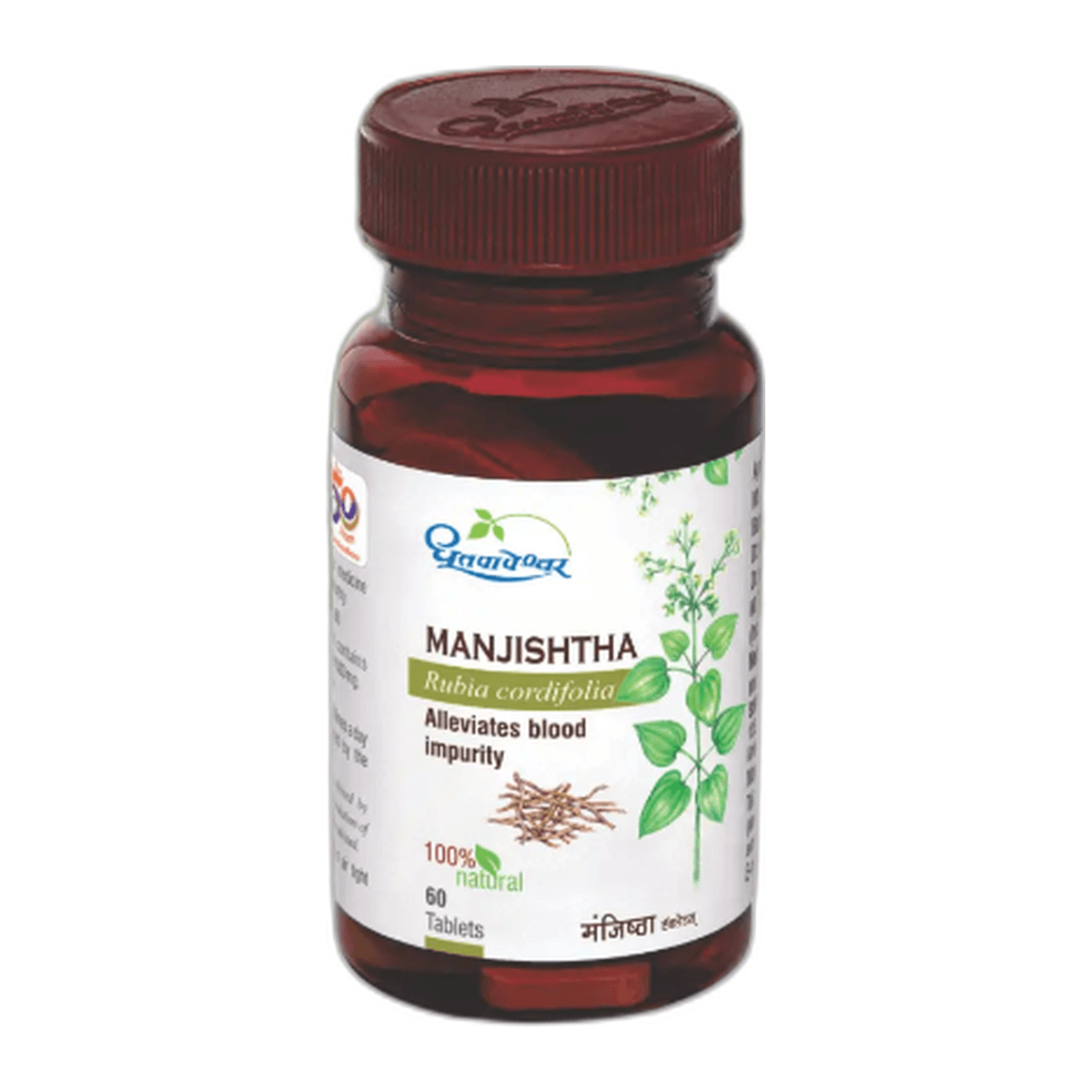 Prescribed to you4.3₹21 cashback
Manjistha Tab (Dhootapapeshwar)SDLSupports skin complexion
Strip of 60 Tablets
4.3
₹210Get ₹21 Cashback
₹23711% off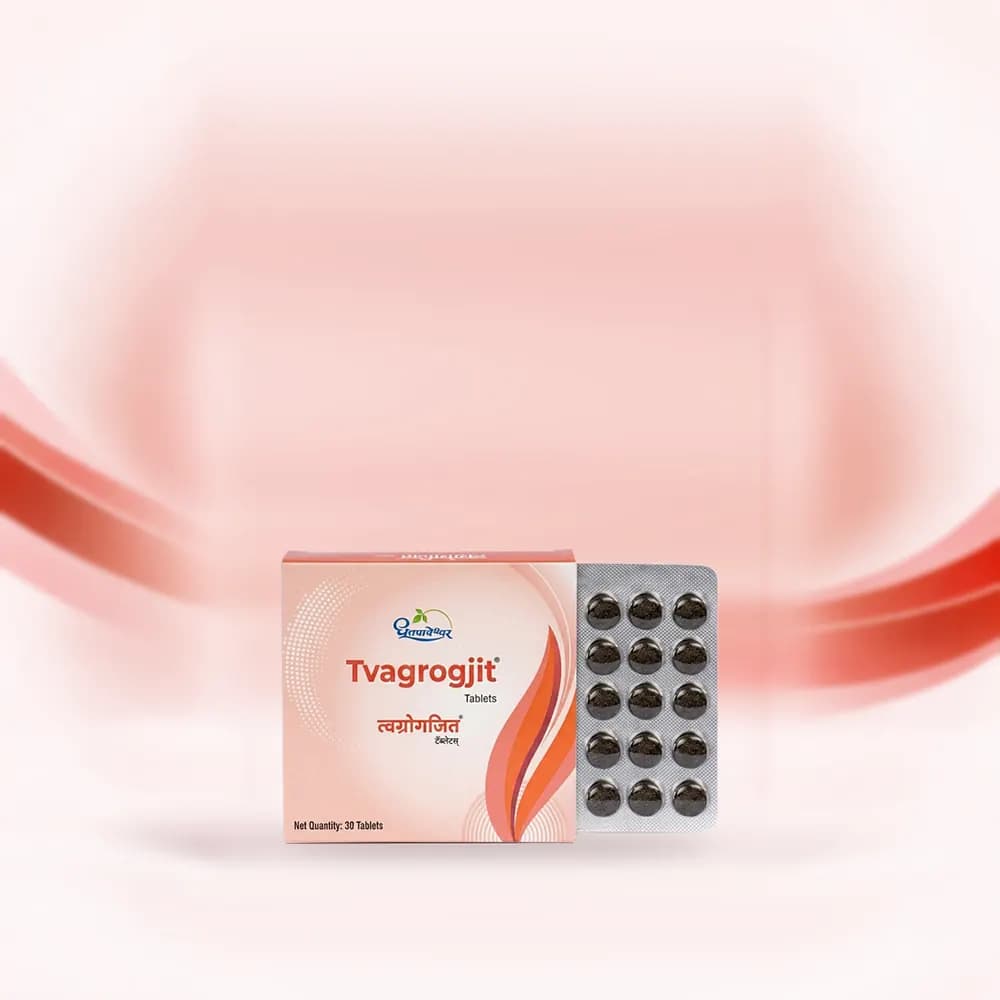 Prescribed to you4.6₹24 cashback
Tvagrogjit (Dhootapapeshwar)SDLSkin health support
Strip of 30 Tablets
4.6
₹247Get ₹24 Cashback
₹28212% off
