

Vaginal Infection Causes and Symptoms
Reviewed by medical experts · For informational purposes only
Introductory summary
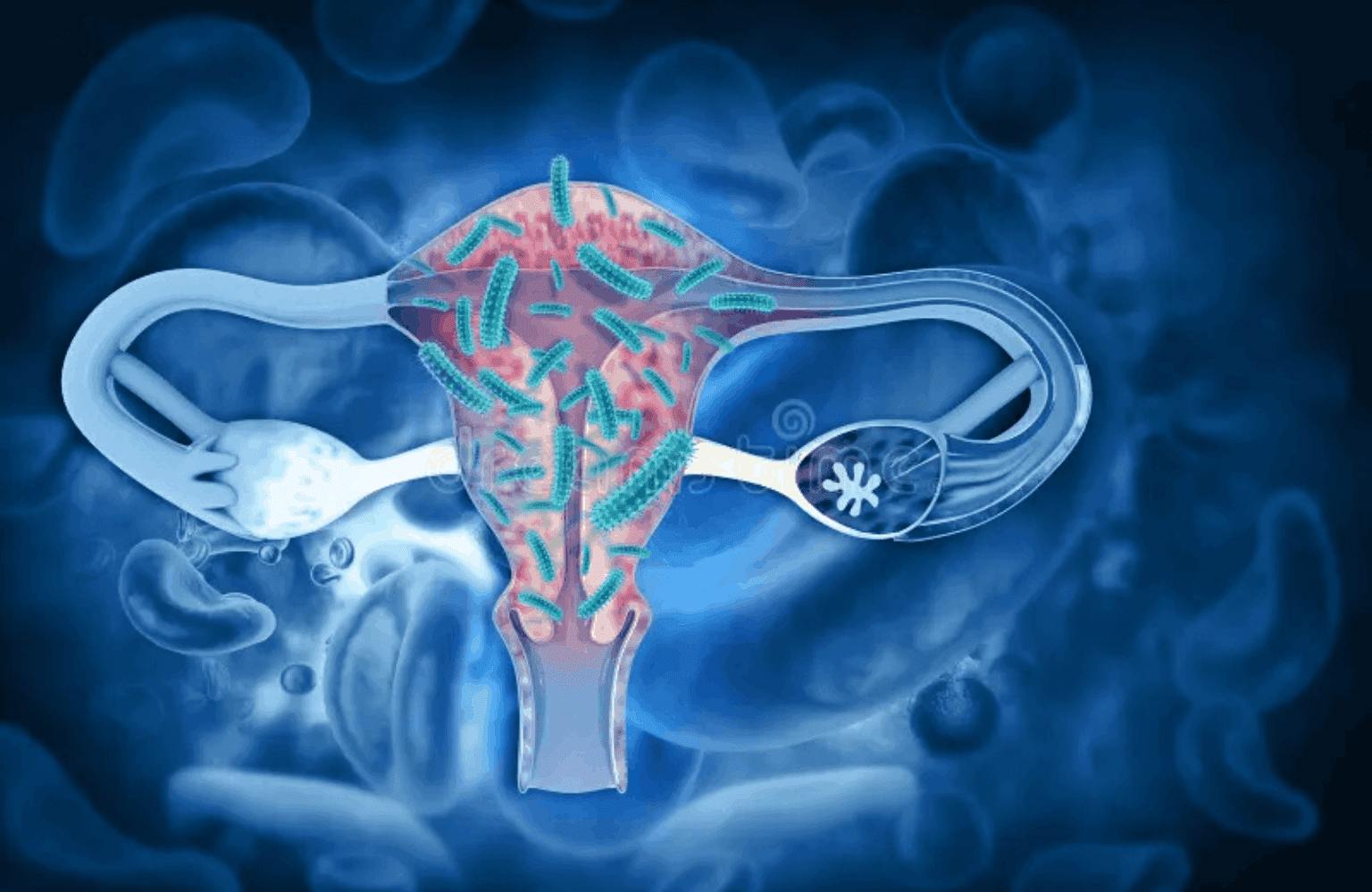
In Ayurveda vaginal infections are classified under Yonivyapat which encompasses twenty types of disorders affecting the female genital tract,. These conditions arise from the vitiation of Vata Pitta and Kapha doshas either individually or in combination leading to specific pathologies like Upapluta and Paripluta. Clinical manifestations include excessive discharge known as Pradara and pain referred to as Yonishula,. Therapeutic management emphasizes local treatments such as vaginal douches known as Yoniprakshalana and the application of medicated tampons called Yoni picchu. Additionally medicated oils and ghees processed with herbs like triphala may be administered through the genitourinary tract via Uttaravasti to cleanse the area and restore doshic balance,.
Vaginal Infection
In Ayurveda, vaginal infections and associated disorders are classified under Yonivyapat (diseases of the vagina and uterus) and Yoni Roga. The classical texts describe twenty specific types of these disorders, many of which correlate with modern descriptions of vaginitis, cervicitis, and other genital infections. These conditions are primarily attributed to the imbalance of the Tridosha (Vata, Pitta, and Kapha) and the vitiation of Rakta (blood).
1. Definition
Yonivyapat refers to the diseases affecting the Yoni (female genital tract). While modern medicine distinguishes between vaginitis, cervicitis, and other specific infections, Ayurveda groups these conditions based on the dominant Dosha causing the pathology. It involves conditions characterized by abnormal vaginal discharge, pain, menstrual irregularities, and discomfort in the pelvic region. Specific conditions like Upapluta and Paripluta correlate closely with infectious presentations characterized by discharge and pain.
2. Etymology & Conceptual Meaning
-
Literal Meaning: The term is a compound of Yoni (the female reproductive organ or source) and Vyapat (derangement, disorder, or calamity).
-
Conceptual Interpretation: In Ayurveda, the Yoni is considered the Kshetra (field) necessary for conception. Any Vyapat (disorder) in this field renders it unsuitable for holding the "seed," often leading to infertility (Vandhyatva) or pregnancy complications. The health of the Yoni is intrinsically linked to the balance of Artava (menstrual fluid/ovum) and the proper functioning of Apana Vayu (the downward-moving air responsible for elimination and menstruation).
3. Causes (Nidana)
The causes of vaginal disorders are multifactorial, involving diet, lifestyle, and genetic factors.
Dietary Causes
-
Vata Aggravation: Excessive consumption of dry, cold, and light foods can aggravate Vata, leading to pain and dryness in the reproductive tract.
-
Pitta Aggravation: Spicy, sour, and hot foods contribute to burning sensations and inflammation (Paittika disorders).
-
Kapha Aggravation: Heavy, oily, and sweet foods lead to excessive discharge and itching.
Lifestyle Causes
-
Mithyachara: Improper conduct or lifestyle habits, including unhygienic practices.
-
Sexual Habits: Abnormal sexual practices or excessive indulgence.
-
Suppression of Urges (Vegadharana) aggravates Vata.
Genetic & Karmic Factors
-
Bija Dosha: Defects in the genetic material (seed) of the parents can lead to congenital weakness of the reproductive organs.
-
Daiva: Deeds of past lives are considered potential causes for reproductive ailments.
4. Journey of the Disease (Pathogenesis/Samprapti)
The pathogenesis centers on the vitiation of the Apana Vayu.
-
Dosha: Vata is primary, often combined with Pitta (causing inflammation/infection) or Kapha (causing discharge/yeast overgrowth).
-
Dushya (Tissues): Rasa, Rakta, and Artava.
-
Srotas (Channels): Artavavaha Srotas and Rasavaha Srotas.
-
Process: The vitiated Doshas lodge in the Yoni and Garbhashaya, disrupting the local flora and tissue health, leading to pain, inflammation, and discharge.
5. Symptoms (Lakshana)
Symptoms vary depending on the specific type of Yonivyapat, but common clinical features include:
General Symptoms
-
Yonishula: Pain in the vagina or pelvic region.
-
Srava / Pradara: Excessive vaginal discharge. It may be white (Shveta), yellowish, or blood-stained depending on the Dosha.
-
Kandu: Severe itching, often associated with Kapha.
-
Daha: Burning sensation, associated with Pitta.
-
Durgandha: Foul smell indicates bacterial involvement or severe Dosha imbalance.
Advanced Symptoms
-
Menstrual Disorders: Dysmenorrhea, amenorrhea, or heavy bleeding (Asrigdara).
-
Infertility: Difficulty in conceiving due to the hostile environment in the Yoni.
6. Different Types or Classification (Bheda)
Charaka Samhita and Madhava Nidana list 20 types of Yonivyapat, classified by the involved Dosha and specific symptoms:
-
Vataja: Characterized by pain, dryness, and frothy discharge.
-
Pittaja: Characterized by burning, redness, and suppuration (infection).
-
Kaphaja: Characterized by itching and thick, slimy discharge (resembling yeast infection).
-
Sannipatika: Involving all three Doshas.
-
Specific Named Conditions:
-
Upapluta: Vata-Kapha condition with white discharge and pain.
-
Paripluta: Vata-Pitta condition with severe pain and inflammation.
-
Karnini: Characterized by growth or polyp formation (Karnika) in the cervix/vagina.
-
Sravini: Excessive discharge.
-
Putraghni: Repeated loss of pregnancy.
-
7. Diagnosis
Ayurvedic Diagnosis
-
Visual Examination: Observing the color and consistency of the discharge (e.g., curd-like, watery, bloody) to determine the Dosha.
-
Symptom Analysis: Pain (Shula) suggests Vata; Burning (Daha) suggests Pitta; Itching (Kandu) suggests Kapha.
-
History: Examining menstrual history and dietary habits.
8. Disease Management
Treatment is aimed at pacifying the aggravated Dosha locally and systemically.
Diet (Ahara)
-
Vata: Warm, nourishing foods, ghee, and sesame oil.
-
Pitta: Cooling foods, avoiding spicy/sour items.
-
Kapha: Light, dry, and warm foods; avoiding sweets and dairy.
Lifestyle (Vihara)
-
Hygiene is paramount.
-
Sexual abstinence (Brahmacharya) is often recommended during the active phase of infection.
Medicines
-
Pushyanuga Churna: Used for checking excessive discharge and bleeding.
-
Phala Ghrita: Medicated ghee used to nourish the reproductive organs and treat infertility.
-
Jeerakadi Ghrita: Used for Vata-Pitta disorders.
Panchakarma & Local Therapies
-
Uttara Basti: Administration of medicated oil or decoction directly into the uterus or bladder through the vagina/urethra to clear blockages and treat infection.
-
Yoni Prakshalana: Vaginal douching with medicated decoctions (e.g., Triphala or Neem water) to cleanse the area.
-
Yoni Pichu: Insertion of a sterile tampon soaked in medicated oil (Dhanvantaram Tailam or Jatyadi Tailam) into the vagina to soothe inflammation and heal tissues.
-
Virechana: Purgation therapy to remove excess Pitta and purify the blood.
9. Prognosis
-
Curable: Most types of Yonivyapat caused by a single Dosha are curable with proper hygiene and Ayurvedic management.
-
Difficult to Cure: Chronic cases (like Sannipatika) or those involving structural defects (Maha Yoni) are difficult to treat.
-
Complications: Untreated infections can lead to Vandhyatva (infertility) or systemic weakness.
10. Modern Correlations
-
Similarities:
-
Kaphaja Yonivyapat (itching, curdy discharge) correlates with Candidiasis (Yeast Infection).
-
Pittaja Yonivyapat (burning, redness) correlates with Bacterial Vaginosis or Trichomoniasis.
-
Karnini Yonivyapat correlates with Cervical Polyps or Cervicitis.
-
-
Differences: Modern medicine relies on antibiotics/antifungals. Ayurveda focuses on restoring the local pH and bacterial balance through herbal douches and dietary correction.
11. References
- Vaginitis – StatPearls, NCBI Bookshelf — Comprehensive clinical overview covering causes, symptoms, complications, and management of vaginitis (bacterial vaginosis, candidiasis, trichomoniasis).
https://www.ncbi.nlm.nih.gov/books/NBK470302/ (NCBI) - Vaginitis: Diagnosis and Treatment (PubMed review) — Describes epidemiology, clinical features, diagnostic approaches, and treatment of bacterial vaginosis, candidiasis, and trichomoniasis.
https://pubmed.ncbi.nlm.nih.gov/29671516/ (PubMed) - Bacterial Vaginosis: A Review of Approaches to Treatment and Prevention — Reviews epidemiology, treatment challenges, and emerging therapies for bacterial vaginosis, a major type of vaginal infection.
https://pubmed.ncbi.nlm.nih.gov/37325243/ (PubMed) - A Review on Vaginal Infections (IJRASET) — Presents an overview of vaginal infections including bacterial vaginosis, vulvovaginal candidiasis, and trichomoniasis and relates them to Ayurvedic concepts.
https://www.ijraset.com/research-paper/a-review-on-vaginal-infections (IJRASET) - Microbiome and Vulvovaginitis – PubMed — Review of the role of the vaginal microbiome in vulvovaginitis, diagnosis, and evidence‑based approaches to management.
https://pubmed.ncbi.nlm.nih.gov/37149312/ (PubMed) - Treating Vaginitis with Probiotics: Systematic Review and Meta‑Analysis — Evidence on the use of probiotics in treating common vaginal infections and improving vaginal flora.
https://pubmed.ncbi.nlm.nih.gov/32855726/ (PubMed) - Bacterial Vaginosis, Vulvovaginal Candidiasis, and Trichomonal Vaginitis (BMC Infectious Diseases) — Epidemiology and clinical patterns of major vaginal infections among reproductive‑aged women.
https://bmcinfectdis.biomedcentral.com/articles/10.1186/s12879-019-4549-3 (SpringerLink) - Cervicitis – StatPearls, NCBI Bookshelf — Details infectious and non‑infectious causes of cervicitis, which is often associated with vaginal infection symptoms like discharge and inflammation.
https://www.ncbi.nlm.nih.gov/books/NBK562193/ (NCBI) - Cervicitis – Mayo Clinic (Symptoms & Causes) — Clinical synopsis on cervicitis as a lower genital tract infection that may co‑occur with vaginitis.
https://www.mayoclinic.org/diseases-conditions/cervicitis/symptoms-causes/syc-20370814 (Mayo Clinic) - Vaginitis – Epidemiology & Clinical Features (PubMed) — Reviews vaginal microbiome imbalance, clinical evaluation, and differential diagnosis of vaginitis.
https://pubmed.ncbi.nlm.nih.gov/29262024/ (PubMed)
12. FAQ Section
Q: What is the best Ayurvedic treatment for vaginal itching?
A: Vaginal itching (Yoni Kandu) is usually a Kapha disorder. Washing the area (Yoni Prakshalana) with a decoction of Triphala or Neem bark is highly effective. Medicated tampons (Pichu) may also be prescribed,.
Q: Can Ayurveda treat chronic white discharge?
A: Yes. Ayurveda terms this Shveta Pradara or Kaphaja Yonivyapat. Treatment involves using astringent herbs like Pushyanuga Churna and performing Uttara Basti to cleanse the reproductive tract,.
Q: What is Uttara Basti?
A: Uttara Basti is a specialized Panchakarma procedure where medicated oil or ghee is administered into the uterus via the vagina. It is the primary treatment for vaginal infections, blockages, and infertility,.
Q: Does diet affect vaginal health?
A: Absolutely. Ayurveda states that Mithya Ahara (improper diet), such as excessive intake of spicy, salty, or incompatible foods, vitiates the Doshas which then lodge in the reproductive organs, causing infections and pain,.
Consult a Doctor
- AI4.9Dr. Aayush Ishwar
Ayurveda2 yrs exp
- SP4.5Dr Sreelekha P Nair
Ayurveda6 yrs exp
- SJ3.9SUMEDH JOSHI
Ayurveda7 yrs exp
- VH3.9Vaidya Harsh
Ayurveda9 yrs exp
More on Vaginal Infection Causes and Symptoms
Buy Medicine
 Prescribed to you4.3₹24 cashback
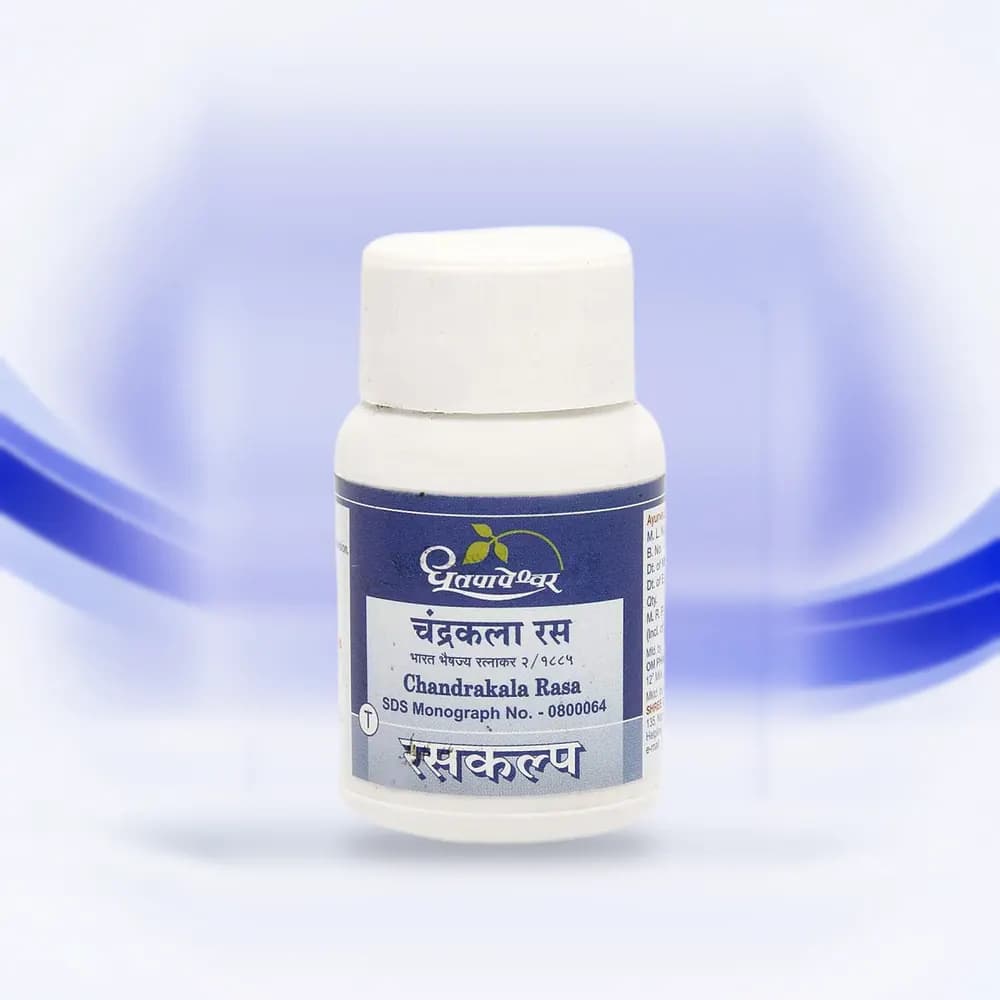
Chandrakala Rasa (Dhootapapeshwar) SDL
Supports Pitta-related comfort
Strip of 30 Tablets
4.3
₹245Get ₹24 Cashback
₹27511% off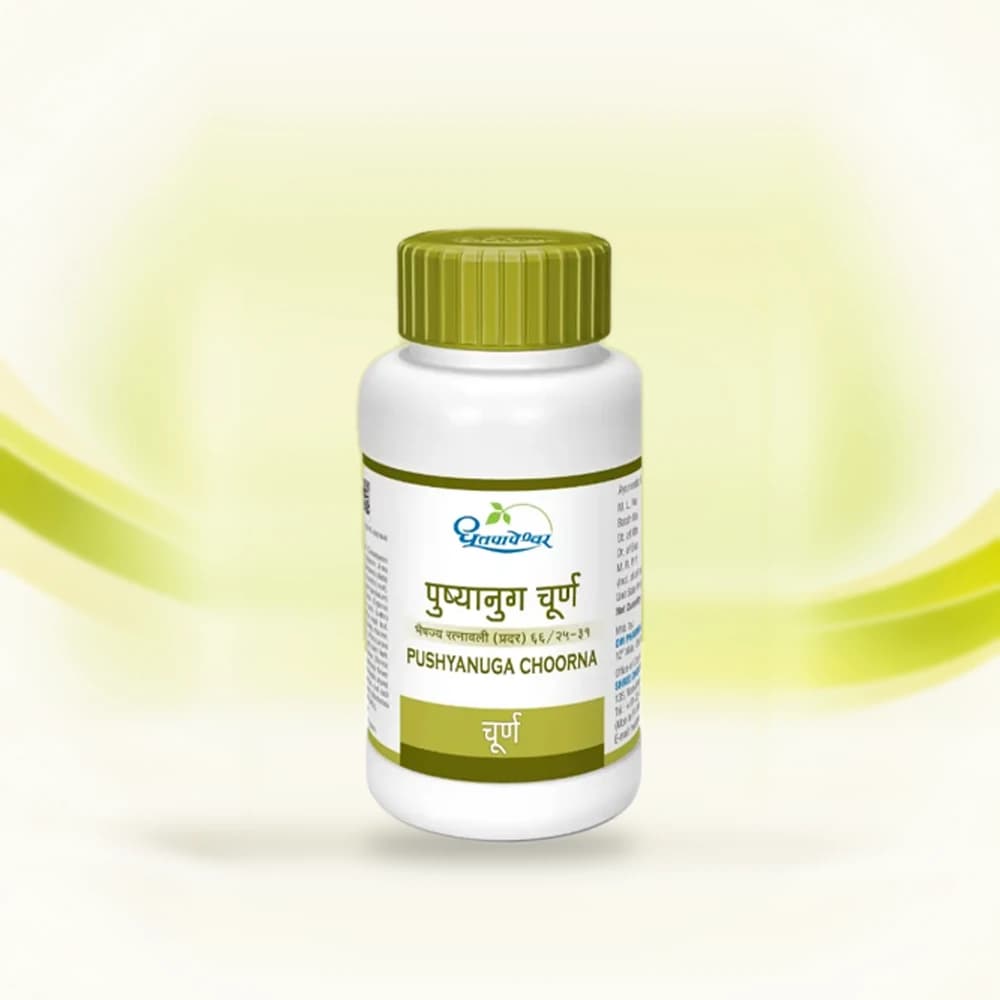 Prescribed to you4.5₹11 cashback
Pushyanuga Choorna (Dhootapapeshwar)SDLEffectively helps stop excess bleeding
Strip of 60 Tablets
4.5
₹113Get ₹11 Cashback
₹13214% off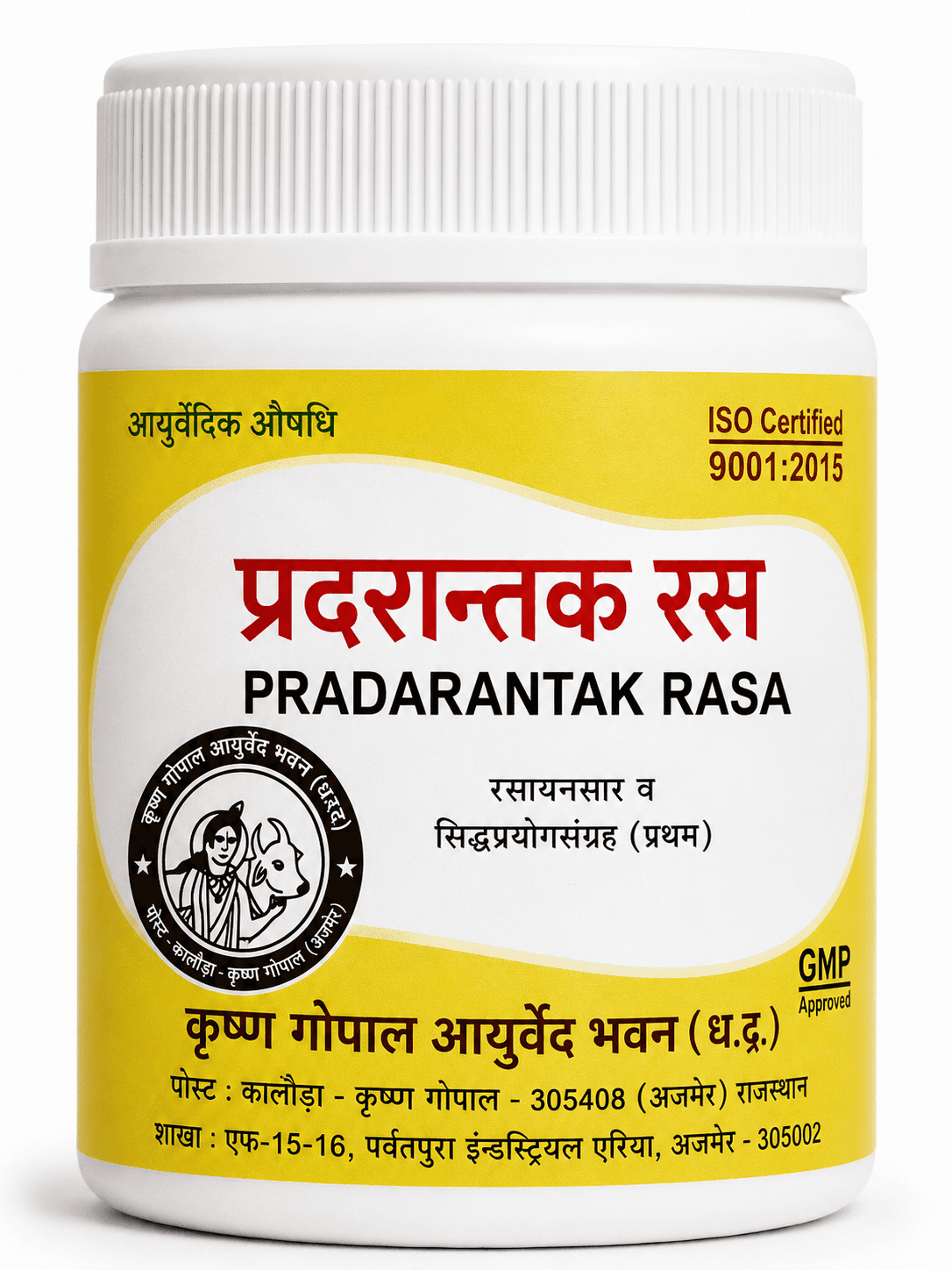 Prescribed to you4.5₹13 cashback
Pradarantak Ras (Kalera) Kalera
Supports leucorrhea for daily wellness
Strip of 15 Tablets
4.5
₹138Get ₹13 Cashback
₹15612% off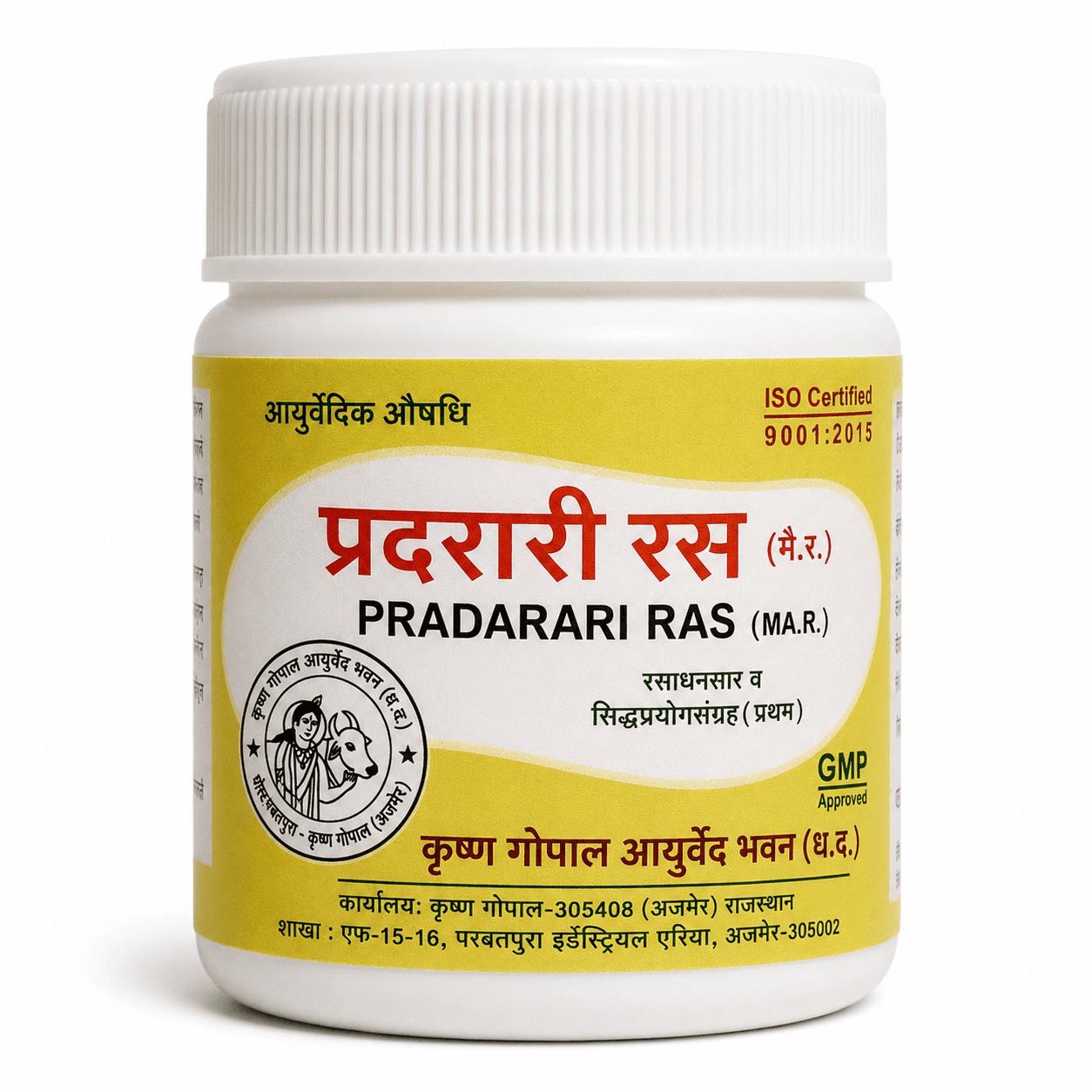 Prescribed to you4.3₹11 cashback
Pradarari Ras (Kalera)KaleraDaily support for women's health
Strip of 30 Tablets
4.3
₹113Get ₹11 Cashback
₹13013% off
