

Chikungunya Symptoms and Causes
Reviewed by medical experts · For informational purposes only
Introductory summary
Chikungunya correlates with the Ayurvedic conditions Sandhijvara and Vatarakta characterized by fever with severe joint pain. It arises from the combined vitiation of Vata and Pitta doshas triggered by external factors like mosquito bites known as Bhutabhishanga. This leads to the accumulation of Ama or toxins which obstruct channels causing intense pain swelling and stiffness in joints. Ayurvedic management focuses on antipyretics like Sudarshana Churna and immunomodulators like Guduchi to relieve fever and inflammation. Treatment includes Vata pacifying therapies such as Dashamula Kwatha and external applications of medicated oils like Mahanarayana Taila once the acute fever subsides to restore mobility and alleviate residual joint pain.
Chikungunya
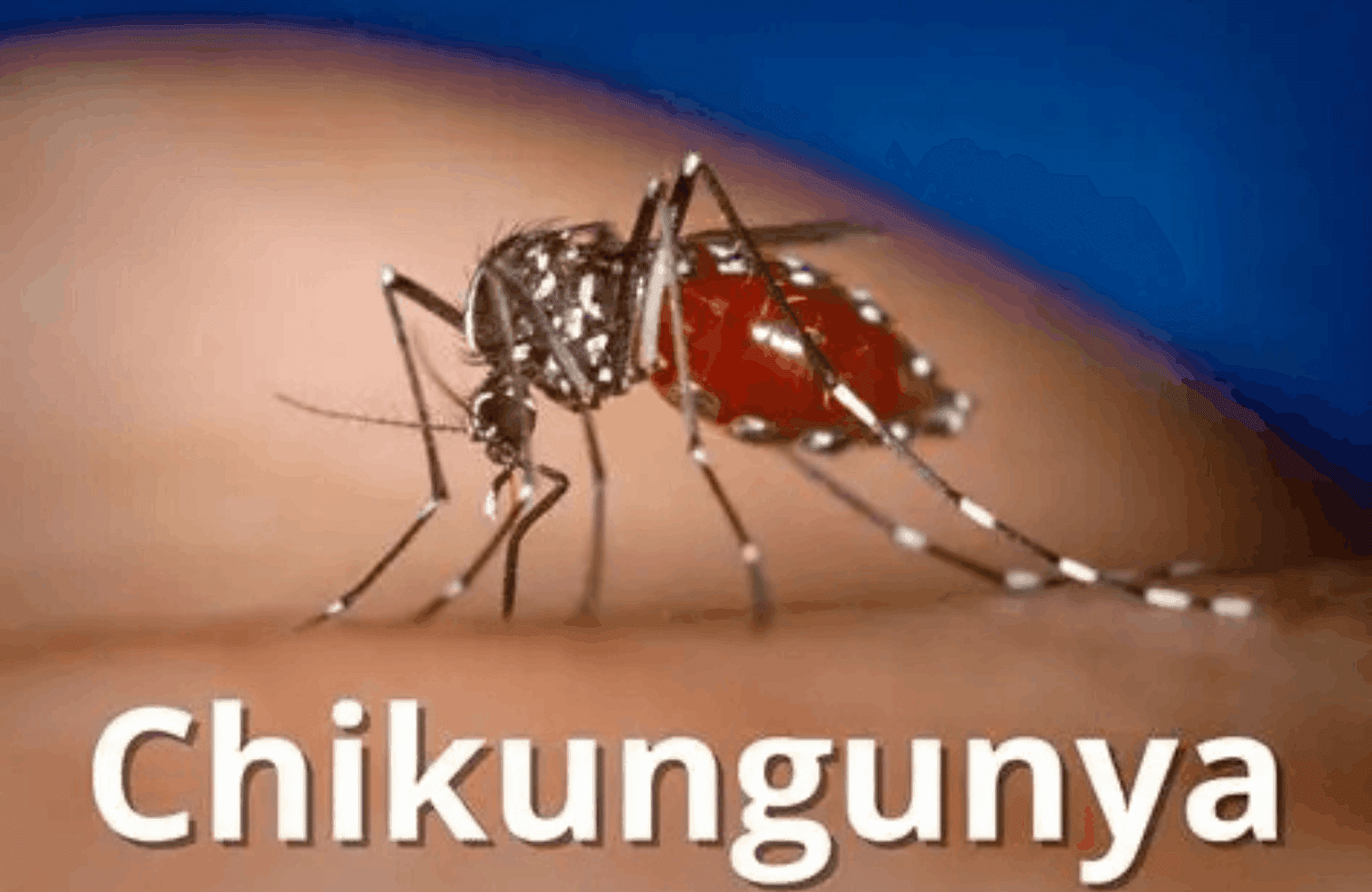
Chikungunya is a viral disease transmitted to humans by infected mosquitoes, characterized by abrupt onset of fever frequently accompanied by debilitating joint pain. While the specific term "Chikungunya" is modern, Ayurveda describes similar clinical presentations under the categories of Sandhijvara (Fever with joint pain) and Vatarakta (a condition where aggravated Vata dosha and vitiated blood cause severe joint inflammation).
1. Definition
Modern Definition: A viral disease transmitted by the bite of infected mosquitoes (Aedes aegypti and Aedes albopictus), causing high fever and severe joint pain (arthralgia).
Ayurvedic Definition: A condition characterized by the simultaneous vitiation of Vata and Pitta doshas, along with Rakta (blood), leading to Jvara (fever) accompanied by severe Sandhi Shula (joint pain), Shotha (swelling), and Daha (burning sensation/redness). It is often classified as an Agantuja (exogenous) disease caused by external organisms (Bhuta/Krimi).
2. Etymology & Conceptual Meaning
- Sandhijvara: Derived from Sandhi (Joints) and Jvara (Fever). It implies a fever where the morbid doshas lodge in the joints.
- Vatarakta: Derived from Vata (Wind humor) and Rakta (Blood). It describes a pathology where the flow of Vata is obstructed by vitiated blood, leading to pain and inflammation in the joints.
- Conceptual Interpretation: Ayurveda views this as a Sannipataja state (involving all three doshas) but with a specific predominance of Vata (causing pain) and Pitta (causing fever and inflammation). The causative agent (virus) is considered a Bhutabhishanga (external invasion) that subsequently vitiates the bodily doshas.
3. Causes (Nidana)
The causes are divided into external triggers and internal predispositions that make the body susceptible.
- External Causes (Agantuja):
- Bhutabhishanga: Infestation or bite by organisms (Krimi or insects like mosquitoes).
- Janapadodhvamsa: Environmental factors (polluted air, water, time/season) leading to epidemics.
- Dietary Causes:
- Consumption of Viruddha Ahara (Incompatible foods) such as fish with milk, which vitiates the blood (Rakta).
- Excessive intake of sour (Amla), salty (Lavana), and pungent (Katu) foods which aggravate Pitta and Rakta.
- Lifestyle Causes:
- Divaswapna: Sleeping during the day, which can aggravate Kapha and block channels.
- Mithya Vihara: Exposure to extreme wind or heat, which aggravates Vata and Pitta.
4. Journey of the Disease (Pathogenesis/Samprapti)
- Samprapti Ghataka (Components):
- Dosha: Vata (Vyana Vayu - circulation), Pitta (Bhrajaka - skin/heat), and Kapha (in joints).
- Dushya (Tissues): Rasa (Plasma), Rakta (Blood), Mamsa (Muscle), Asthi (Bone), and Sandhi (Joints).
- Srotas (Channels): Rasavaha (Lymphatic), Raktavaha (Circulatory), and Asthivaha (Skeletal).
- Agni: Jatharagni Mandya (Weak digestive fire) leading to Ama (toxins).
- Pathogenesis:
- External factors (mosquito bite) introduce the pathogen (Visha).
- This aggravates Vata and Pitta.
- The vitiated doshas, along with Ama (toxins from weak digestion), circulate in the body through the Rasavaha srotas.
- They settle in the Sandhi (joints) and Mamsa (muscles).
- Vata causes severe pain (Ruja), while Pitta and Rakta cause redness, fever (Santapa), and skin rashes. Kapha contributes to the swelling (Shotha) and stiffness (Stambha).
5. Symptoms (Lakshana)
The symptoms of Chikungunya mirror the Ayurvedic description of Vatarakta and Vata-Pitta Jvara:
- Early Symptoms:
- Advanced Symptoms:
6. Different Types or Classification (Bheda)
While Chikungunya is a specific disease, Ayurveda classifies its presentation based on the dominant Dosha:
- Vataja: Dominance of excruciating pain, body ache, and shifting pain in joints.
- Pittaja: High fever, burning sensation (Daha), redness, and rashes.
- Kaphaja: More swelling (Shotha), heaviness, and stiffness in the joints with mild fever.
- Vatarakta Type: Where pain begins in the small joints (hands/feet) and is associated with burning and redness.
7. Diagnosis
- Ayurvedic Diagnosis (Roga Pariksha):
- Darshana (Observation): Checking for joint swelling (Shotha) and skin rashes (Raga/Pidaka).
- Sparshana (Touch): The joints may feel hot (Ushna) and tender due to Pitta aggravation.
- Prashna (Questioning): History of mosquito bite, sudden onset of fever, and the nature of pain (throbbing/breaking).
- Differential Diagnosis:
- Distinguished from Amavata (Rheumatoid Arthritis) where the pain is migratory and associated with severe morning stiffness and digestion issues, whereas Chikungunya has acute high fever as a primary onset symptom.
8. Disease Management
Management aims to relieve fever (Jvaraghna), reduce pain (Vedanasthapana), and eliminate toxins (Ama-pachana).
Medicines
- Amrutadi Guggulu: Specifically indicated for Vatarakta (Gout/Joint inflammation) and skin disorders. It reduces inflammation and pain.
- Sudarshana Churna: A potent formulation for all types of Jvara (Fever), containing bitter herbs like Kiratatikta to cool the body and fight infection.
- Dashamula Kwatha: A decoction of ten roots used to pacify Vata, relieve body ache, and reduce inflammation.
- Guduci (Tinospora cordifolia): The drug of choice for fevers. It is Jvaraghna (antipyretic), Rasayana (rejuvenative), and boosts immunity.
- Rasna Saptaka Kwatha: (Implied via Rasnadi) Used for pain in the back, waist, and joints.
- Kaishora Guggulu: (Implied via Vatarakta context) Effective for inflammatory conditions of joints with Pitta-Rakta involvement.
Diet (Ahara)
- Light Diet (Laghu Ahara): Rice gruel (Yavagu) or green gram soup (Mudga Yusha) to aid digestion and reduce Ama.
- Bitter Vegetables: Use of Patola (Pointed gourd), Karvellaka (Bitter gourd), and Guduci leaves is recommended to pacify Pitta and fever.
- Avoid: Heavy, sour, and fermented foods, curd (Dadhi), and incompatible foods (Viruddha Ahara).
Lifestyle (Vihara)
- Vishrama (Rest): Absolute rest is crucial during the acute febrile phase.
- Avoid Cold: Exposure to cold wind or water should be avoided as it aggravates Vata and stiffness.
Panchakarma (Therapies)
- Virechana: Mild purgation (e.g., using Avipattikara Churna or Trivrit) is indicated to expel Pitta and cleanse the blood.
- Abhyanga: Gentle oil application using Mahanarayana Taila or Pinda Taila (after the acute fever subsides) to relieve joint pain and stiffness.
- Pinda Sweda: Fomentation with boluses of medicated rice or leaves to reduce pain and stiffness in joints.
9. Prognosis
- Sadhya (Curable): The fever and acute symptoms are generally curable with proper Langhana (fasting) and Shamana (palliative) therapy.
- Yapya (Manageable/Chronic): The joint pain (Sandhi Shula) can persist for months (Post-Chikungunya Arthritis). This stage mimics Jeerna Vatarakta and requires long-term Rasayana therapy and oil applications.
10. Modern Correlations
- Viral Arthritis: Correlates with the symptoms of Sandhijvara and Vatarakta.
- Polyarthralgia: The multiple joint pains correlate with Sarvanga Vata or Vatarakta.
- Post-viral Fatigue: Correlates with Daurbalya (weakness) described in chronic fevers.
11. References
- Chikungunya – Fact Sheet
- Covers transmission, symptoms, outbreaks, diagnosis, and prevention.
🔗 https://www.who.int/news-room/fact-sheets/detail/chikungunya
- Covers transmission, symptoms, outbreaks, diagnosis, and prevention.
- Centers for Disease Control and Prevention (CDC)
- Chikungunya Virus
- Detailed clinical features, treatment, and travel-related guidance.
🔗 https://www.cdc.gov/chikungunya
- National Center for Biotechnology Information (NCBI)
- Chikungunya Virus Infection – Review Articles
- Research-oriented and evidence-based content.
🔗 https://www.ncbi.nlm.nih.gov/pmc/articles/PMC
- Mayo Clinic
- Chikungunya: Symptoms & causes
🔗 https://www.mayoclinic.org/diseases-conditions/chikungunya/symptoms-causes
- Chikungunya: Symptoms & causes
- Cleveland Clinic
- Chikungunya Virus Infection
🔗 https://my.clevelandclinic.org/health/diseases/17748-chikungunya
- Chikungunya Virus Infection
- National Centre for Vector Borne Diseases Control (NCVBDC), India
- Chikungunya Guidelines & Surveillance
🔗 https://ncvbdc.mohfw.gov.in
- Chikungunya Guidelines & Surveillance
- राष्ट्रीय स्वास्थ्य पोर्टल (National Health Portal – India)
चिकनगुनिया
🔗 https://www.nhp.gov.in/disease/communicable-disease/chikungunya - स्वास्थ्य एवं परिवार कल्याण मंत्रालय (MoHFW – Hindi Resources)
🔗 https://www.mohfw.gov.in/?q=hi - Ayushman Bharat – Health Awareness (Hindi)
🔗 https://abdm.gov.in - State Health Department IEC Materials (Hindi PDFs)
- Vector-borne diseases education
🔗 https://ncvbdc.mohfw.gov.
- Vector-borne diseases education
12. FAQ Section
Q: What is the best Ayurvedic herb for Chikungunya fever?
A: Guduci (Giloy) is considered the best. It is described as Amruta (nectar) and is a potent antipyretic (Jvaraghna) and immunomodulator (Rasayana). It helps reduce fever and removes toxins.
Q: Can I use oil massage for joint pain during fever?
A: No. Ayurveda advises avoiding oil massage (Abhyanga) during the acute stage of fever (Navajvara) as it can trap the heat and toxins inside. Massage should be done only after the fever has completely subsided and digestion has improved.
Q: What diet should be followed?
A: A diet that is Light (Laghu) and Bitter (Tikta) is recommended. Examples include rice gruel (Yavagu), green gram soup (Mudga Yusha), and pointed gourd (Patola). Avoid heavy, sour, and spicy foods.
Q: Why do joints pain for so long after Chikungunya?
A: In Ayurveda, this is due to the persistence of aggravated Vata dosha in the joints (Sandhi) even after the fever (Pitta) has left. This residual Vata causes dryness and stiffness, requiring long-term oil therapies (Snehana) to resolve.
Q: Is Guggulu useful in Chikungunya?
A: Yes. Formulations like Amrutadi Guggulu and Kaishora Guggulu are highly effective for reducing inflammation and pain in conditions involving joints and blood (Vatarakta), which matches the Chikungunya profile.
Consult a Doctor
- KC5.0Dr. Kamesh chand sharma
Ayurveda2 yrs exp
- PP4.4Dr prince patel
Ayurveda22 yrs exp
- PJ5.0Dr. P. JOTEENDRA
Ayurveda2 yrs exp
- S4.6Dr. Shan
Ayurveda4 yrs exp